
The 2026 Academic Conference on "Laboratory Medicine and Chronic Disease Management" of the Laboratory Medicine Branch of the Chinese Geriatrics Society and the National Continuing Education Project "New Advances in Geriatric Laboratory Medicine Learning Class" were successfully held
August 7th - 9th, 2026 The "2026 Academic Conference on 'Laboratory Medicine and Chronic Disease Management' of the Laboratory Medicine Branch of the Chinese Geriatrics Society and the National Continuing Education Project 'New Advances in Geriatric Laboratory Medicine Learning Class' (No. :2026-11-01-421(National))" jointly organized by the Laboratory Medicine Branch of the Chinese Geriatrics Society and Huadong Hospital Affiliated to Fudan University was grandly held in Shanghai.
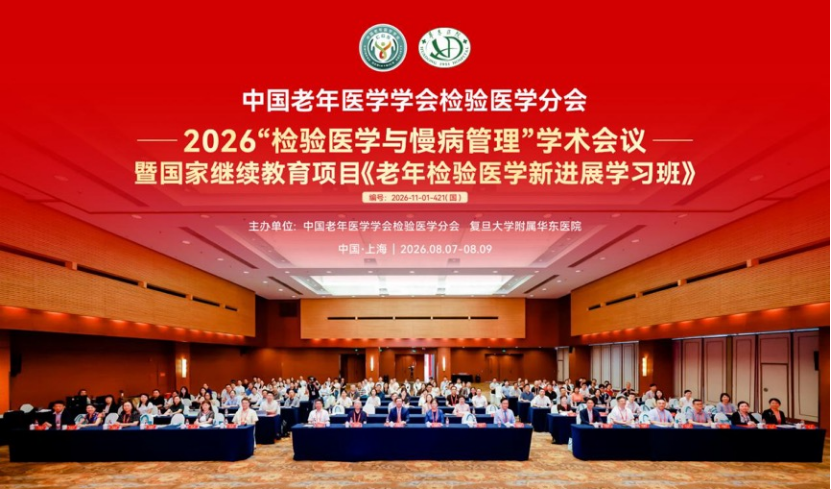
At present, the aging process of the population in our country is accelerating continuously, and the disease spectrum is undergoing profound changes. The "15th Five-Year Plan for National Health" recently issued by The State Council clearly states that by 2030, the average life expectancy will reach 80 years and the main health indicators will enter the ranks of high-income countries. It particularly emphasizes the continuous promotion of the elderly health promotion action and the standardized construction of geriatrics. Against this backdrop, this conference focuses on the cutting-edge of laboratory medicine and chronic disease management, aiming to promote the deep integration of new laboratory technologies and methods with clinical practice, enhance the precise diagnosis and treatment of chronic diseases in the elderly and the standardized construction of laboratories. It is timely and of profound significance for implementing the national health plan and promoting the high-quality development of geriatric laboratory medicine and chronic disease management in China.
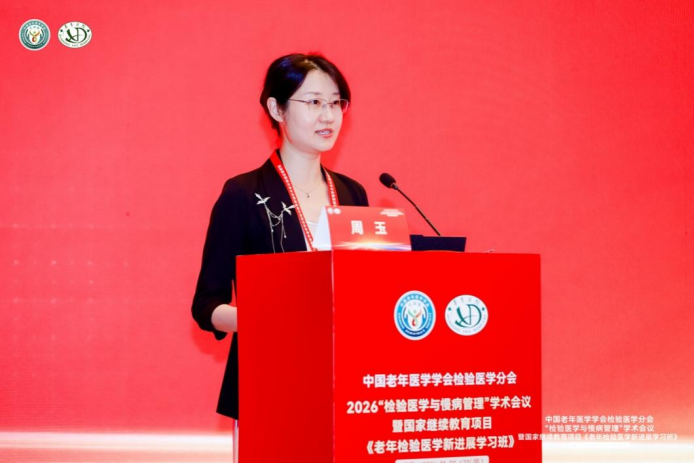
This conference has invited many authoritative experts and renowned scholars in the fields of laboratory medicine and geriatrics across the country. It includes Professor Cong Yulong, the first chairperson of the Laboratory Medicine Branch of the Chinese Geriatrics Society, Professor MAO Yuanli, the current chairperson, President Bao Zhijun of Huadong Hospital Affiliated to Fudan University, and other leading figures from well-known domestic hospitals, as well as the main responsible persons of the Laboratory Medicine Branch of the Chinese Medical Doctor Association, the Laboratory Medicine Branch of the Chinese Medical Association, and the Laboratory Medicine Branch of the Chinese Geriatrics Society Expert. The executive chairpersons are Professor Zhong Tianyu, deputy director of the Laboratory Medicine Branch of the Chinese Geriatrics Society and from Huadong Hospital Affiliated to Fudan University, and Professor Zhou Yu from the Second Medical Center of the PLA General Hospital. The opening ceremony was hosted by Professor Zhou Yu. Professor MAO Yuanli and Professor Bao Zhijun delivered speeches at the conference respectively.
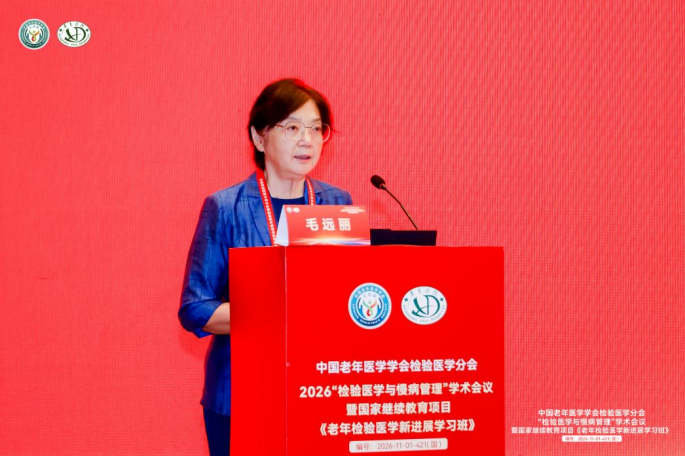
Professor MAO Yuanli pointed out in her speech that the aging process in our country is continuously accelerating, and the problem of high incidence of chronic diseases and comorbidities among the elderly is becoming increasingly prominent. According to statistics, over 80% of elderly patients suffer from two or more chronic diseases simultaneously. With a wide variety of medications, the superimposed effect significantly interferes with the test results, posing a severe challenge to laboratory medicine. She emphasized that laboratory medicine is an important support for the early screening, risk warning and disease monitoring and management of chronic diseases in the elderly, and it is urgent to establish a systematic and standardized assessment system in light of the particularity of the elderly group. At the same time, Professor MAO Yuanli emphasized that artificial intelligence has broad application prospects in geriatric laboratory medicine. The society will lead a large number of geriatric laboratory workers to actively participate in the integration, evaluation and application of AI technology, and jointly promote the development of related work through multi-dimensional academic exchanges and cooperation.
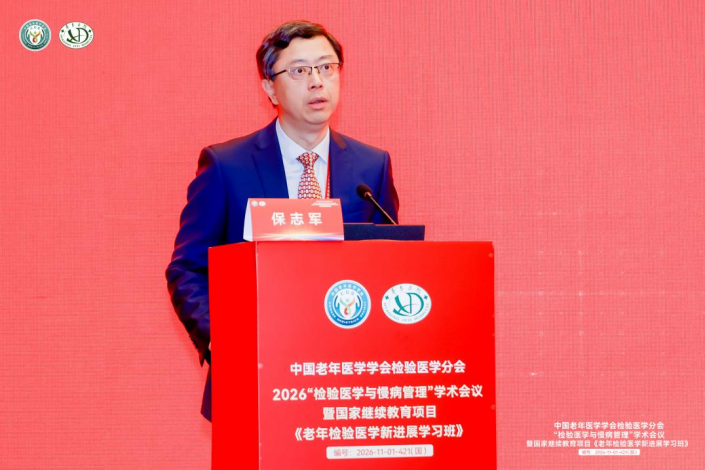
President Bao Zhijun stated in his speech that laboratory medicine plays a precise supporting role in the management of chronic diseases. As a deeply aging society approaches, improving the quality of life and medical care for the elderly is a key measure to implement the "Healthy China 2030" strategy and also the direction that everyone should strive for together. The "15th Five-Year Plan for National Health" clearly promotes the transformation of health and medical services from "disease-centered" to "health-centered", which puts forward higher requirements for geriatric laboratory medicine and also brings unprecedented development opportunities.
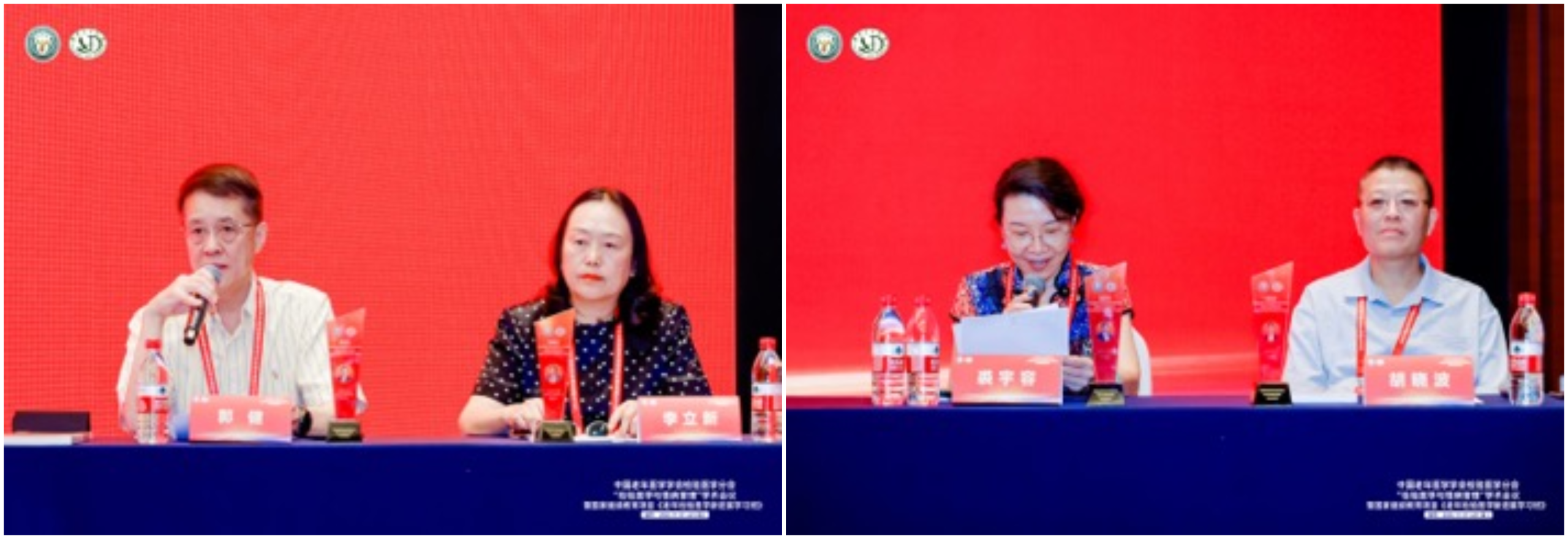
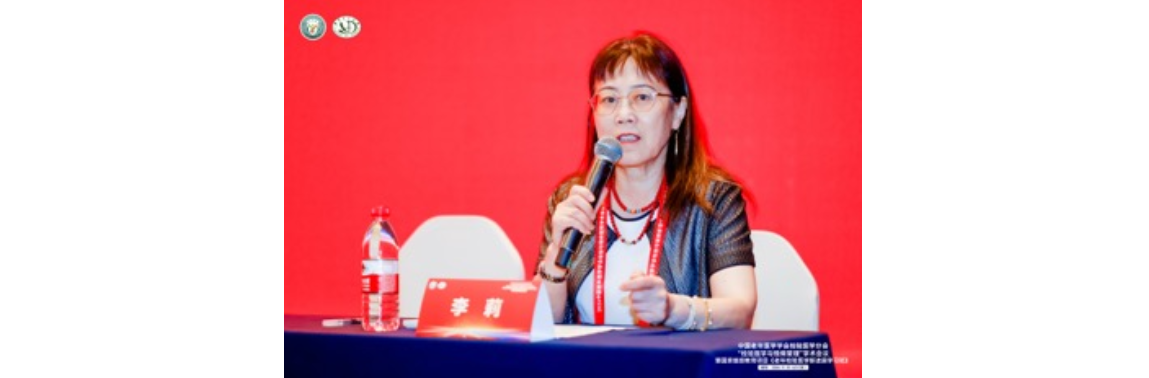
The keynote report session of the conference was hosted by expert advisors from the Laboratory Medicine Branch of the Chinese Geriatrics Society (Professor Guo Jian from Beijing Hospital, Professor Li Lixin from Shijiazhuang People's Hospital, Professor Qiu Yurong from Guangzhou Huayin Medical Laboratory Center, and Professor Li Li from Shanghai Clinical Research Center) and Professor Hu Xiaobo from Shanghai Clinical Laboratory Center, respectively.
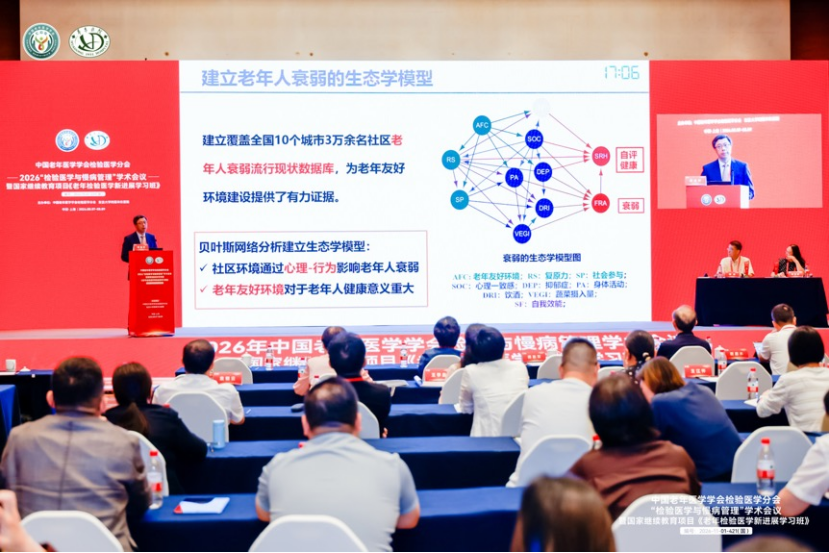
Professor Bao Zhijun from Huadong Hospital Affiliated to Fudan University pointed out in his report "Research on Screening, Diagnosis and Intervention of Frailty in the Elderly Population of China" that the core of frailty is the decline in physiological reserves leading to an increase in the body's vulnerability. He led his team to develop the "China Elderly Frailty Rapid Screening Scale (CFSS-10)" based on the cultural characteristics of the elderly in China. It covers three dimensions: physical, cognitive and social. With just 10 questions, it can quickly identify high-risk groups. This scale has been incorporated into the local health standards of Shanghai and has been promoted and applied among over 30,000 elderly people in communities in 10 cities across the country. Professor Bao Zhijun emphasized that comprehensive interventions such as exercise, nutrition, and psychology can effectively delay or even reverse the process of frailty. The "Frailty Screening and Exercise Intervention Cloud Platform" developed by its team has achieved an integrated service of online screening, exercise prescriptions and nutritional guidance, and has cumulatively intervened 7,477 frailty patients.
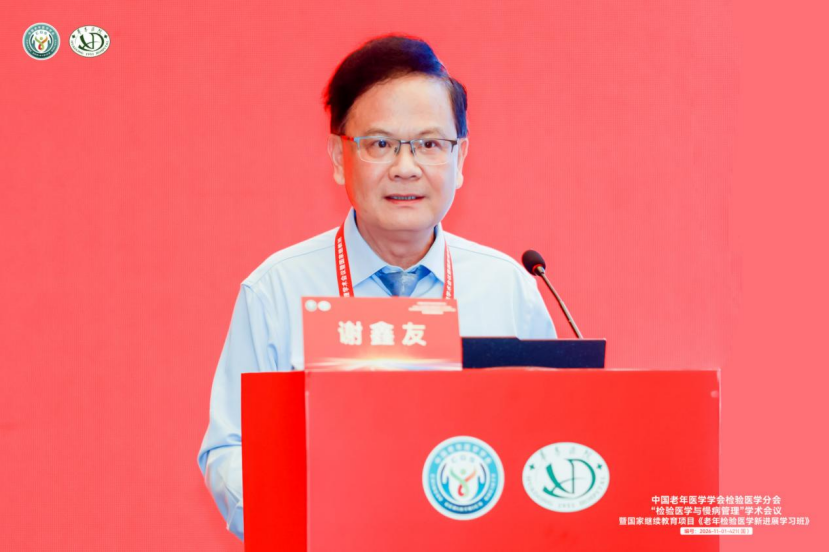
Professor Xie Xinyou from Sir Run Run Shaw Hospital, Zhejiang University, delivered a report titled "Evolution of Artificial Intelligence and Simulation of Application Scenarios in Laboratory Medicine", systematically sorting out the evolutionary path of AI from "rule-driven" to "data-driven" and then to "cognitively driven". Professor Xie Xinyou pointed out that currently, AI can understand medical logic and predict disease progression, and is moving towards "collaborative drive" - AI is no longer just a tool, but a "digital colleague" for laboratory physicians. Now, AI can automatically review approximately 60% to 80% of routine test reports. In the review of blood routine reports, the sensitivity and specificity of AI models have reached a relatively high level. Professor Xie Xinyou, borrowing Musk's perspective, reminded that the evolution of AI is irreversible and growing exponentially. However, he also emphasized that "in the end, what people win is not intelligence or civilization, but the vitality deeply rooted in their bones." The core value of future laboratory physicians lies in ensuring data quality, interpreting complex results, and safeguarding medical ethics.
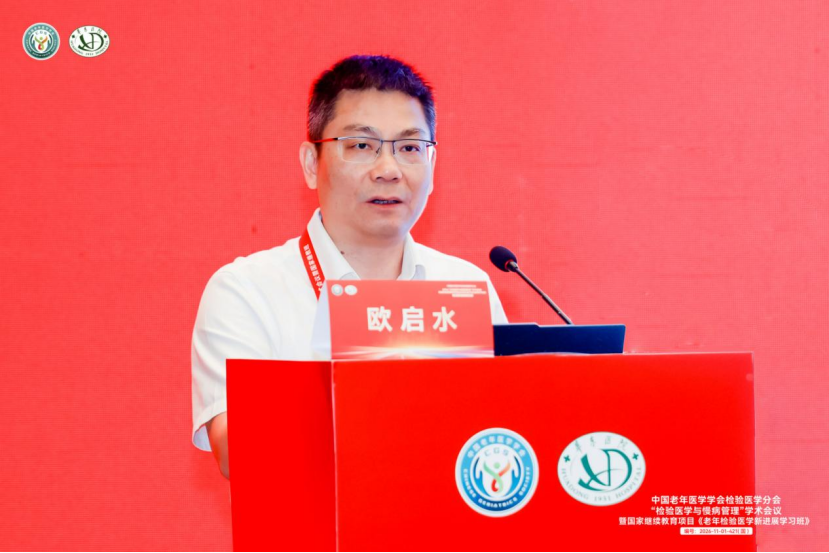
Professor Ou Qishui from the First Affiliated Hospital of Fujian Medical University shared "Organ Aging and Elderly Health: Taking the Liver as an Example", delving deeply into the unique mechanisms and status of liver aging. He pointed out that liver function begins to decline around the age of 40, much earlier than that of other organs such as the lungs and brain. More importantly, liver aging can accelerate the aging process of the kidneys, lungs and brain by secreting the SASP factor, which is a key factor determining the overall aging of the body. Professor Ou Qishui proposed that cholesterol metabolism and liver-related coagulation function indicators are currently the highest-recommended markers for predicting liver aging. The "Organ biological age" prediction model constructed in combination with AI technology can dynamically assess the aging status of organs such as the liver, providing precise basis for early intervention.
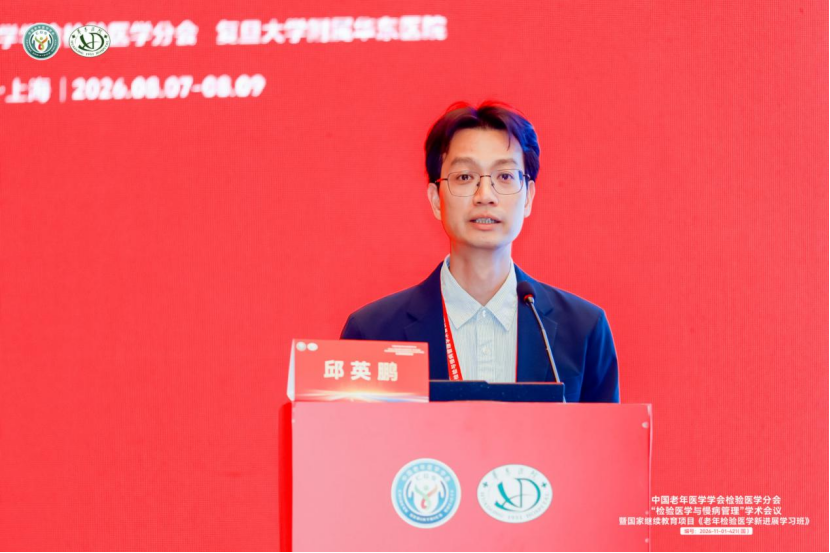
In his report titled "Digital Health Empowering Healthy Aging", Associate Researcher Qiu Yingpeng from the Health Development Research Center of the National Health Commission pointed out that the core path proposed for digital technology to empower healthy aging covers four stages: prevention and active aging, early detection and self-management, assisted living and safety monitoring, and comprehensive support and cognitive care. He proposed the FIRE optimization framework - filling the current implementation gaps from four dimensions: financing, innovation, regulation, and evaluation. The 1+1+N medical AI clinical evaluation system established in conjunction has successfully run cost-benefit models in scenarios such as grassroots prescription review, early screening of lung cancer, and coronary image-assisted diagnosis. He focused on introducing the top-level design, policy orientation and timeliness assessment of digital and intelligent healthcare at the national level, providing references and guidance for the next step of AI development in the field of laboratory testing.
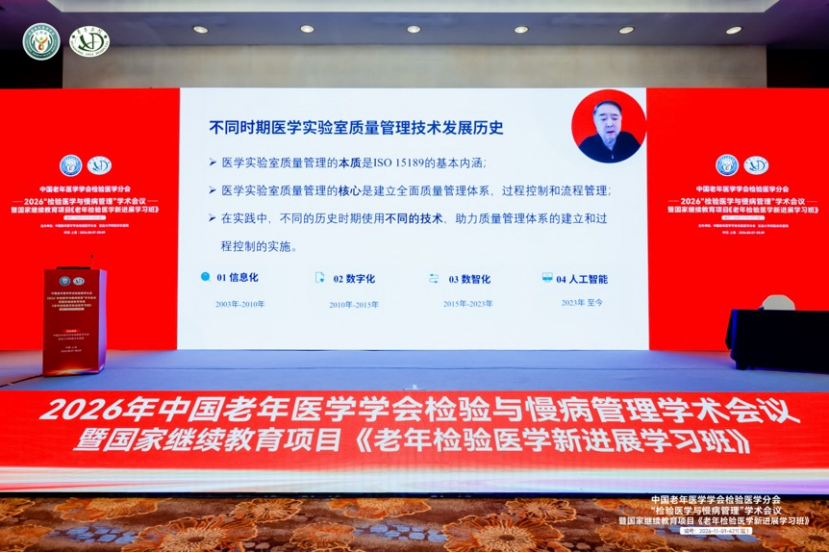
The grand finale of the conference report was delivered by Professor Cong Yulong from the First Medical Center of the Chinese People's Liberation Army General Hospital, who presented a special topic titled "Some Thoughts on Empowering the Production of Quality Management Large Models with AI+ Inspection Scenarios". Professor Cong Yulong reviewed the recent important convergence points of laboratory medicine and artificial intelligence, and pointed out the implementation direction of AI reconstructing the entire laboratory process, including the automatic identification of abnormal specimens by AI before analysis, the full intelligent reading of blood test morphology and the automatic interpretation of microbial colonies during analysis, and the intelligent review and comprehensive interpretation of results through large models after analysis. Completely liberate laboratory technicians from repetitive labor, shift the core human resources of the industry to tackling difficult cases, clinical connection and innovative exploration, and promote the transformation of laboratory testing from single data output to full-chain health protection.
This academic conference focuses on the cutting-edge intersection of geriatrics and laboratory medicine, setting up sub-forums such as "New Advances in Geriatric Laboratory Medicine", "AI and New Technologies Driving Smart Laboratory Testing for the Elderly", "Laboratory Empowerment and Management for Chronic Diseases in the Elderly", "Laboratory Testing for Infectious Diseases in the Elderly", and "Multi-dimensional Laboratory Testing and Prevention and Control for Comorbidities in the Elderly". It conducts in-depth exchanges of research results around multiple topics The system presents a systematic professional content of "macro strategy - technology application - clinical value". The conference showcased the broad application prospects of new technologies such as big data and artificial intelligence in geriatric laboratory medicine and clinical medicine, fully demonstrating the cutting-edge innovative achievements. In the future, the technological dividends of geriatric testing will gradually be released from the laboratories of top-tier hospitals and extend to the front lines of screening and grassroots clinics, effectively facilitating the early screening and diagnosis of chronic diseases among the elderly and their long-term standardized management. This conference provided new ideas and solutions for geriatric laboratory medicine and chronic disease management, effectively promoting the implementation of the "Healthy China 2030" strategy.
Prev
Notice on Holding the 2026 Full Committee of the Medical and Elderly Care Integration Promotion Committee of the China Geriatrics Society and the National Continuing Medical Education Recommended Project "Medical and Elderly Care Integration Care Management Professional Training Course
Next
Notice on Holding a Series of Training Courses on the Theory and Practice of Intestinal Microbiota Transplantation (FMT