
The 12th Academic Conference and the Inauguration Ceremony of the Burn, Trauma and Wound Repair Branch of the Chinese Geriatrics Society concluded successfully in Zhengzhou. The event was renamed to embark on a New journey and create a future through integration
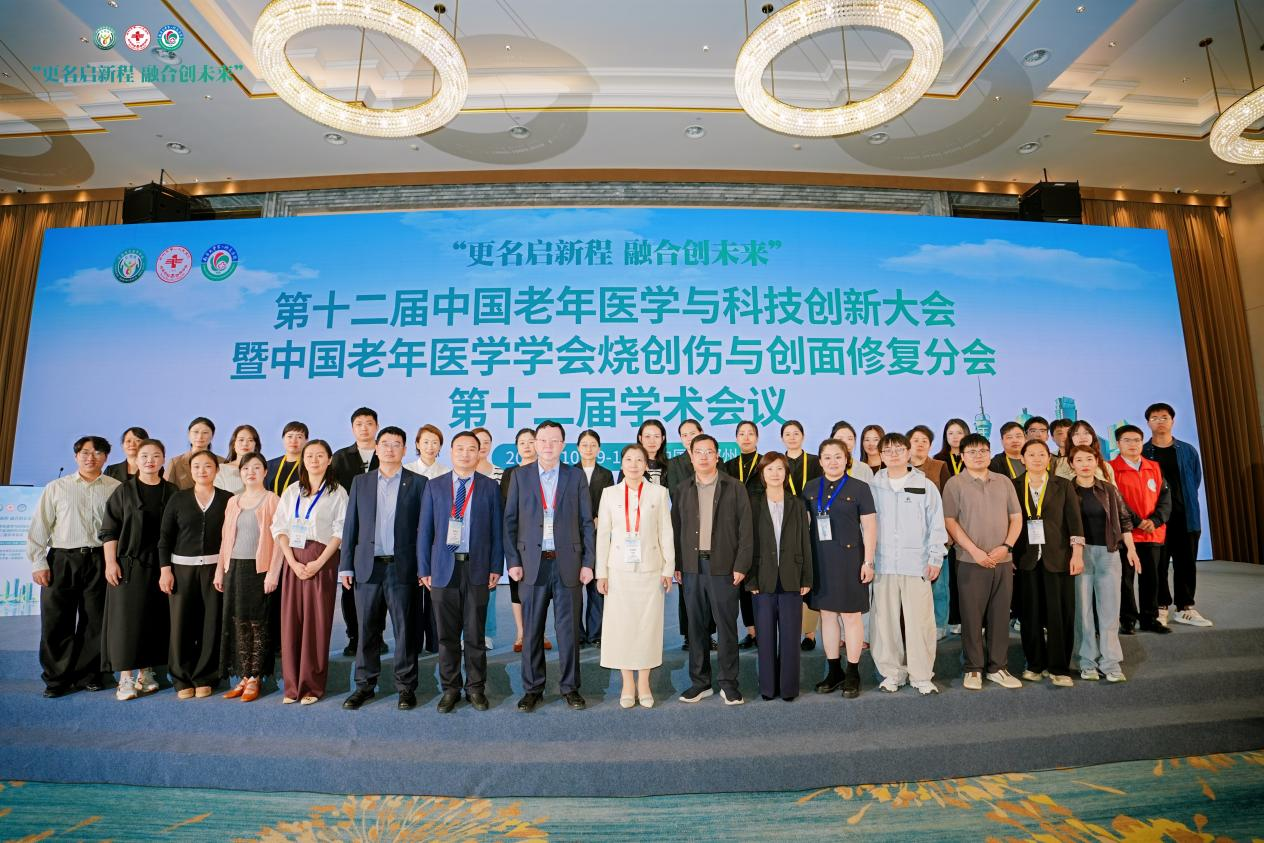
In the golden autumn of October, osmanthus flowers are in full bloom. From October 9th to 11th, the 12th Academic Conference and the Re-election Conference of the Burn and Wound Repair Branch of the Chinese Geriatrics Society, hosted by the Burn and Wound Repair Branch of the Chinese Geriatrics Society, organized by the First People's Hospital of Zhengzhou City, and co-organized by the First Affiliated Hospital of Nanchang University, was successfully concluded in Zhengzhou. This conference coincides with the renaming of the branch and holds significant importance for carrying forward the past and ushering in the future. The conference was titled "Renaming to Embark on a New Journey, Integrating to Create the Future: Burn and Wound Repair in the Context of Healthy Aging" With the theme of "mission, Integration, and Innovation", in-depth discussions were conducted on key and hot issues such as the disciplinary mission and prevention and treatment system construction under healthy aging, the integration and multi-disciplinary integration of burn and trauma first aid and wound repair, regenerative medicine and digital diagnosis and treatment and standardization construction, as well as the sinking of disciplines, scientific and technological assistance and nursing rehabilitation. A total of 1 main venue and 7 sub-venues were set up, with over 250 academic reports and 3 expert consensus discussions. More than 500 renowned experts, scholars, medical workers and others from all over the country in the field of burn trauma and wound repair participated in this grand event.
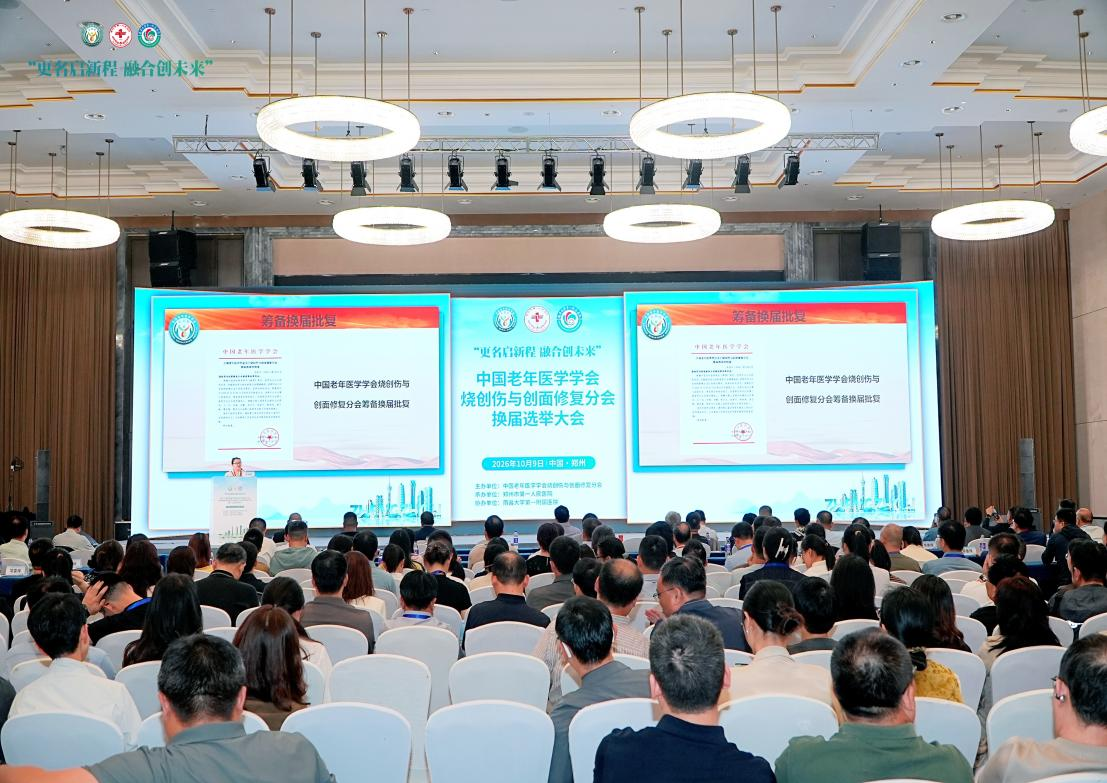
On the evening of October 9th, the third committee election conference of the Burn and Wound Repair Branch of the Chinese Geriatrics Society was successfully held. On behalf of the president, Zhao Jicheng, the deputy secretary-general of the Chinese Geriatrics Society, attended the conference and read out the approval for the preparation of the change of term. He highly affirmed that under the strong leadership of the Chinese Geriatrics Society and with the joint efforts of all committee members, the second committee of the Burn and Wound Repair Branch has always adhered to the core concept of "Healthy China, Focusing on the Elderly". Closely centering on the core tasks in the field of elderly burn and trauma treatment and wound repair, we should carry forward and develop, and pioneer and innovate. Over the past five years, the branch has adapted to the trend of disciplinary integration and officially changed its name to the "Burn Trauma and Wound Repair Branch". It has achieved remarkable results in academic guidance, standard setting, public welfare practice, talent cultivation and organizational construction, and successfully completed all the set tasks.
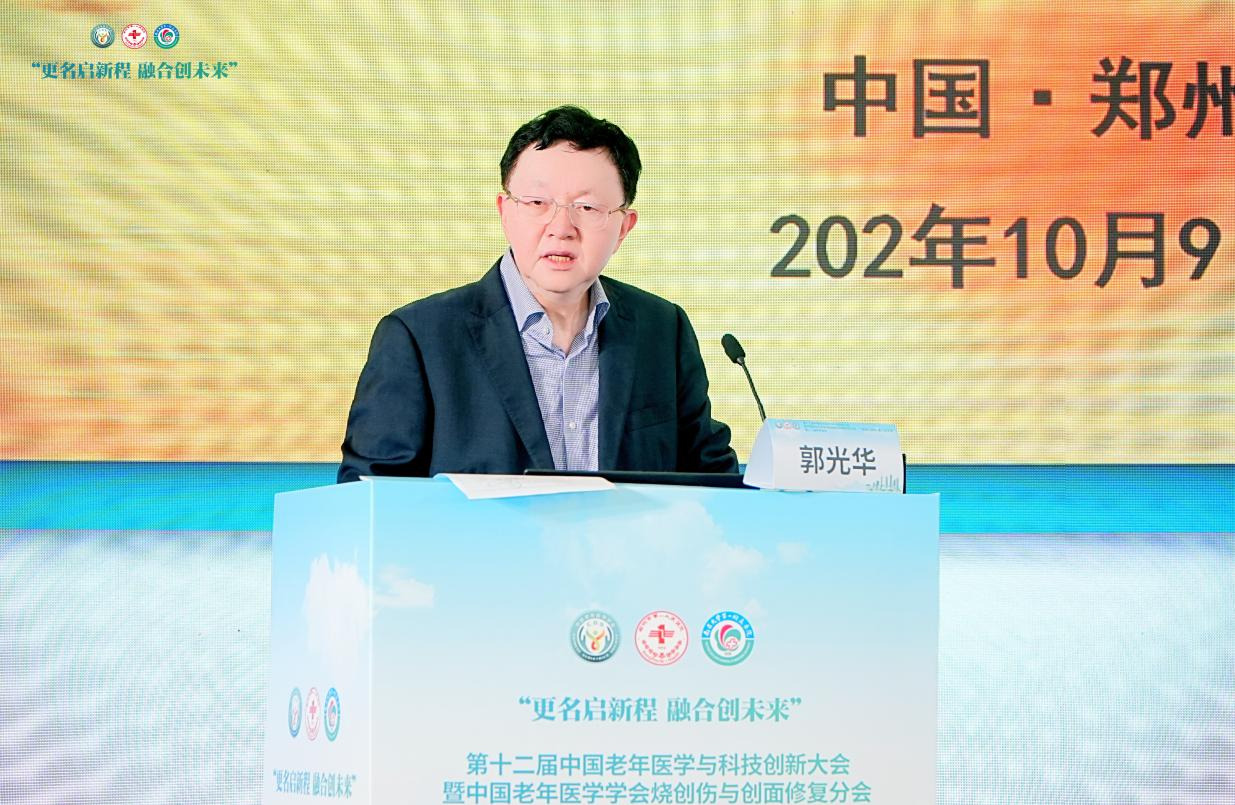
This term change election conference was strictly organized and implemented in accordance with the relevant provisions of the "Charter of the Chinese Geriatrics Society", and the entire process of the term change election was presided over by Zhao Jicheng, the deputy secretary-general of the society. Professor Guo Guanghua, the chairperson of the second committee of the branch, delivered the work report of the second committee. Over the past five years, we have strengthened the leading role of Party building and promoted the downward flow of high-quality medical resources. The scale of annual academic conferences has continued to rise. The 2024 Wenzhou conference set a national record for wound repair academic conferences in the local area, and the 2025 Guangzhou conference summarized the achievements of the past ten years. Build a regional collaborative platform for the "Three South" areas to promote experience sharing; Led the formulation of two group standards and over ten expert consensons, and participated in the publication of a series of national-level books. The team of academicians and experts regularly goes to revolutionary old areas for free medical consultation and assistance, and initiates the chronic wound rescue project for the elderly living alone. Continuously establish a display platform for young physicians and nursing cases; Guide the establishment of the Jiangxi Province Burn Trauma and Wound Repair Branch and improve the talent echelon construction.
The meeting deliberated and approved the report on the qualification review of the candidates for the third committee and the election rules. The conference elected the third committee and leadership team of the Burn Trauma and Wound Repair Branch. Professor Guo Guanghua from the First Affiliated Hospital of Nanchang University was elected as the chairperson, and Professor Cheng Biao from the General Hospital of the Southern Theater Command of the People's Liberation Army was elected as the alternate chairperson. Many experts and professors were elected as vice-chairpersons. The chairperson nominated the general secretary and deputy general secretaries, successfully completing the branch's leadership transition task.
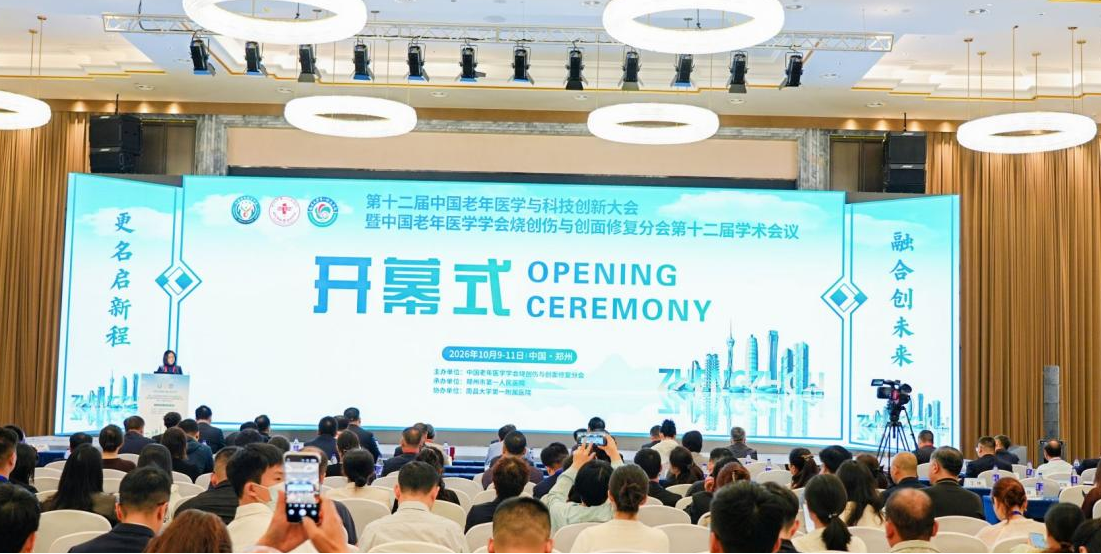
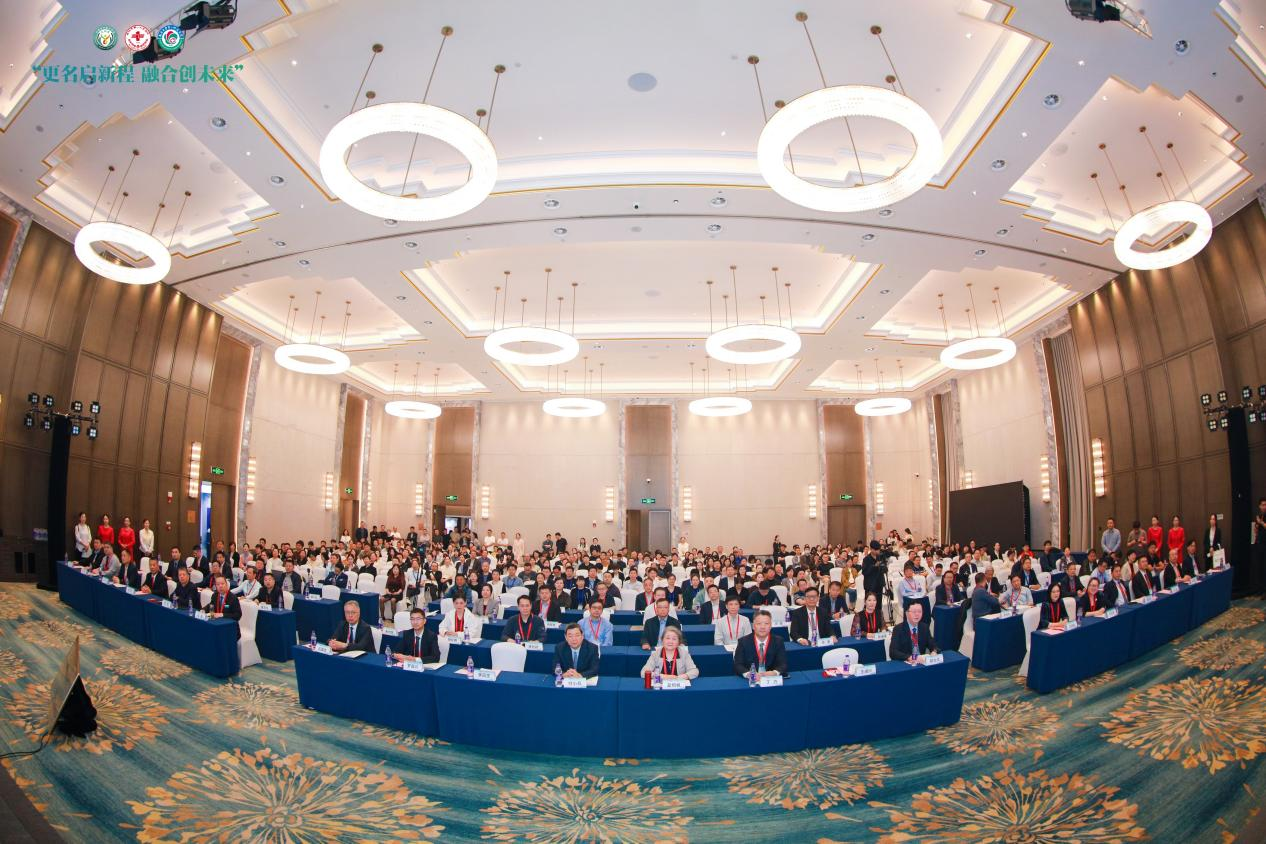
On the morning of October 10th, the opening ceremony of the 12th Academic Conference of the Burn and Wound Repair Branch of the Chinese Geriatrics Society was grandly held. Vice Mayor Li Fengzhi of Zhengzhou Municipal People's Government, Deputy Director Ding Li of Henan Provincial Health Commission, Director Wang Jinxing of Zhengzhou Municipal Health Commission, Professor Guo Guanghua, Vice President of the Chinese Society of Geriatrics and Director of the Burn and Wound Repair Branch, Professor Luo Gaoxing, the chairperson of the Burn Surgery Branch of the Chinese Medical Association, Professor Lyu Guozhong, the former chairperson of the Burn Surgery Branch of the Chinese Medical Association, Professor Cheng Biao, the outgoing chairperson of the Burn Trauma and Wound Repair Branch of the Chinese Geriatrics Society, and Ma Chao, the Party Secretary of the First People's Hospital of Zhengzhou City, attended the opening ceremony. The opening ceremony was presided over by Wang Yingqiu, the deputy secretary of the Party Committee and president of Zhengzhou First People's Hospital.
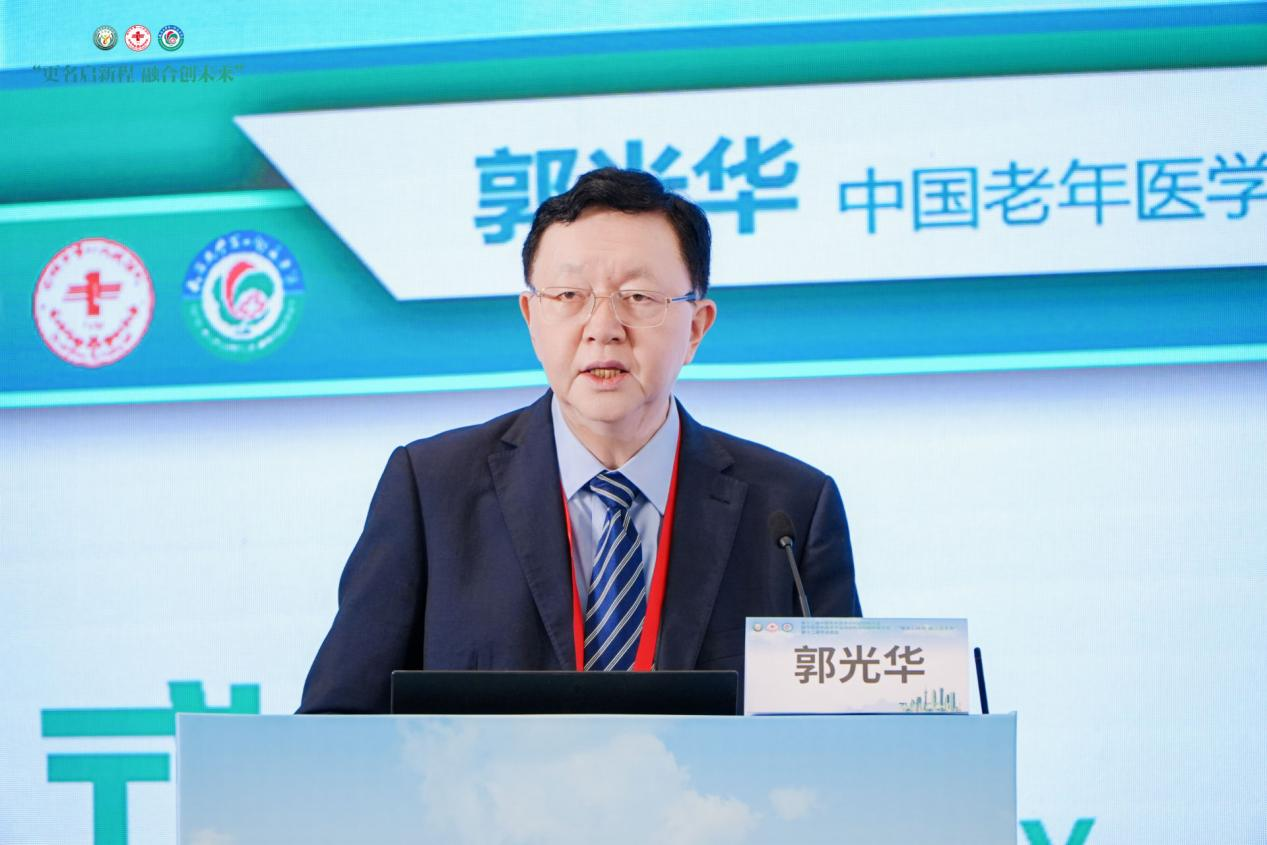
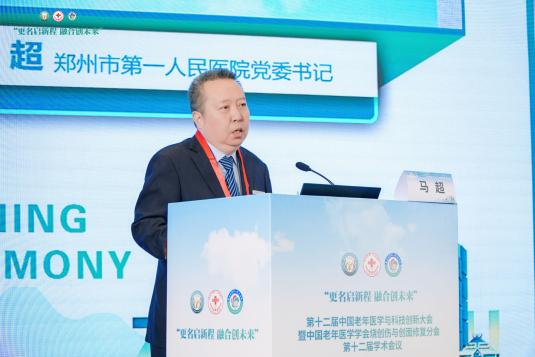
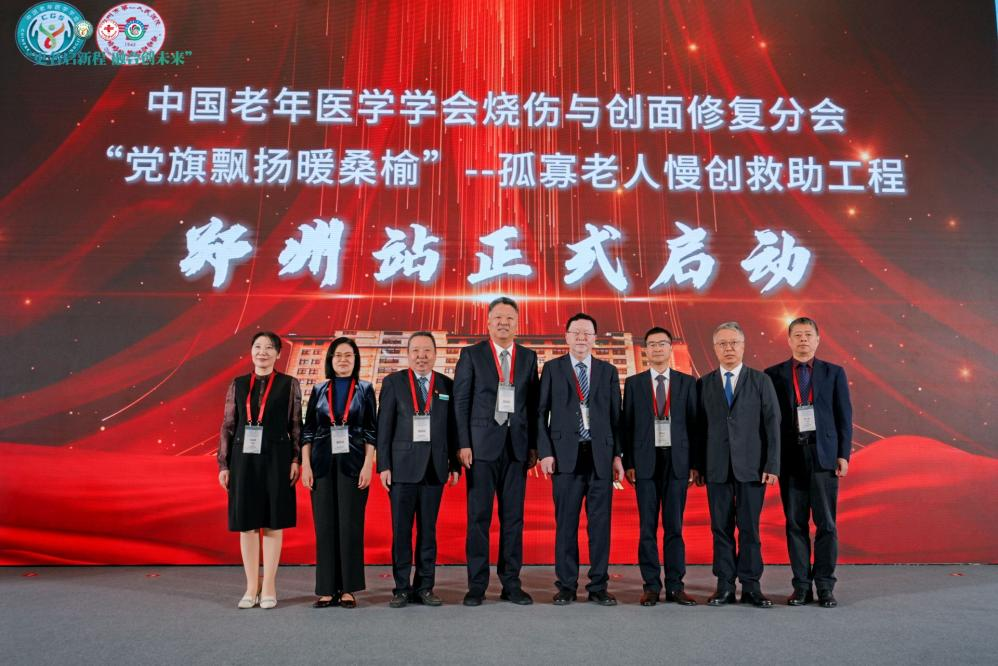
At the opening ceremony, Vice Mayor Li Fengzhi, Deputy Director Ding Li, Chairperson Guo Guanghua and Secretary Ma Chao delivered speeches respectively. The conference held the renaming ceremony of the Burn, Trauma and Wound Repair Branch of the Chinese Geriatrics Society. Zhao Jicheng, the deputy secretary-general of the Chinese Geriatrics Society, read out the "Approval on the Renaming of the Burn, Trauma and Wound Repair Branch of the Chinese Geriatrics Society" and announced the list of members of the new committee. At the same time, the 2026 Expert Consensus Release Conference of the Burn, Trauma and Wound Repair Branch of the Chinese Geriatrics Society was held. The "Party Flag Flutters, Warmth Spreads Over the Elm" - Chronic Wound Assistance Project for Elderly People Living Alone (Zhengzhou Station), a public welfare activity initiated by the Burn and Wound Repair Branch of the Chinese Geriatrics Society, was launched.
During the keynote report session of the conference, renowned experts in the field of burn trauma and wound repair in China, Professor Xia Zhaofan and Professor Fu Xiaobing, delivered keynote speeches titled "From Data Foundation to Clinical Norms" and "AI and Elderly Trauma Prevention and Control: The Future of Medicine". Professors Luo Gaoxing, Guo Guanghua, Lyu Guozhong, Hu Dahai, Cheng Biao and Di Haiping respectively presented on "The Construction of Wound Repair Discipline" and "Lung Injury Related to Burns in the Elderly: Keynote speeches were delivered on topics such as "Vulnerability, Mechanism and Prevention of Aging", "Characteristics and Key Points of Clinical Diagnosis and Treatment of Burns in the Elderly", "Potential Value and Scientific Significance of Mitochondrial Regulation in Wound Repair", "Cognition and Diagnosis and Treatment of Aging-Arteriosclis-Ulcers", and "Characteristics of Vascular Lesions in Diabetic Patients and Progress in Wound Repair after Precise Regulation". Focus on the cutting-edge hotspots and clinical difficulties in the field of elderly burn trauma and wound repair The application prospects of artificial intelligence in the early warning and prevention and control of elderly trauma, the integration and standardized construction of multi-source clinical data, the early identification and intervention strategies of lung injury in elderly burn patients, the construction of wound repair discipline and the talent cultivation path, the transformation direction of mitochondrial-targeted therapy in chronic wounds, and the comprehensive prevention and treatment of aging-related vascular lesions and ulcers And in-depth exchanges were held on topics such as precise regulation and repair of diabetic wounds. Experts unanimously agree that in the face of the new situation of burn and wound repair in the context of an aging population, it is necessary to further strengthen multi-disciplinary collaboration, promote the deep integration of basic research and clinical practice, accelerate the application and promotion of new technologies and new concepts, continuously improve the overall diagnosis and treatment level of burn and wound repair in the elderly, and inject new impetus into the high-quality development of the discipline.
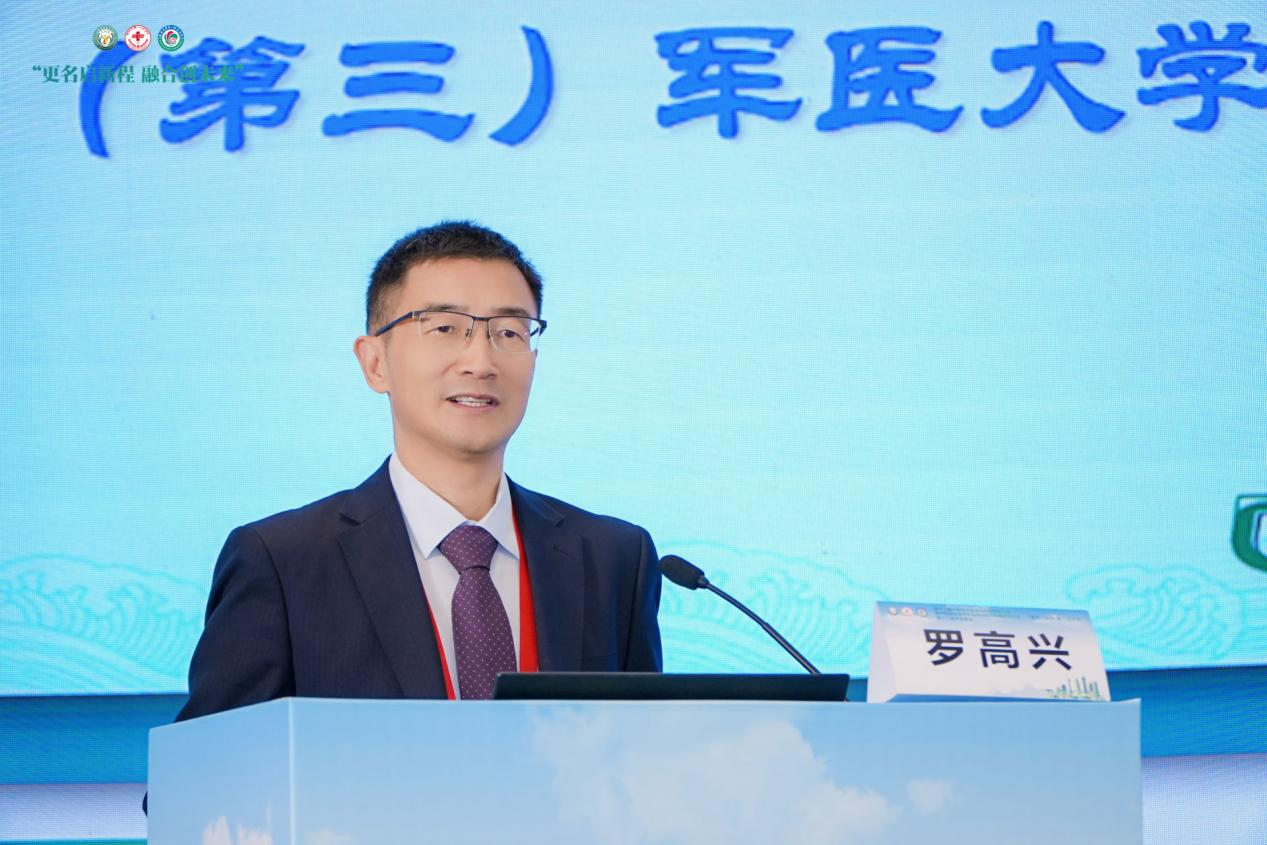
Professor Luo Gaoxing gave a report
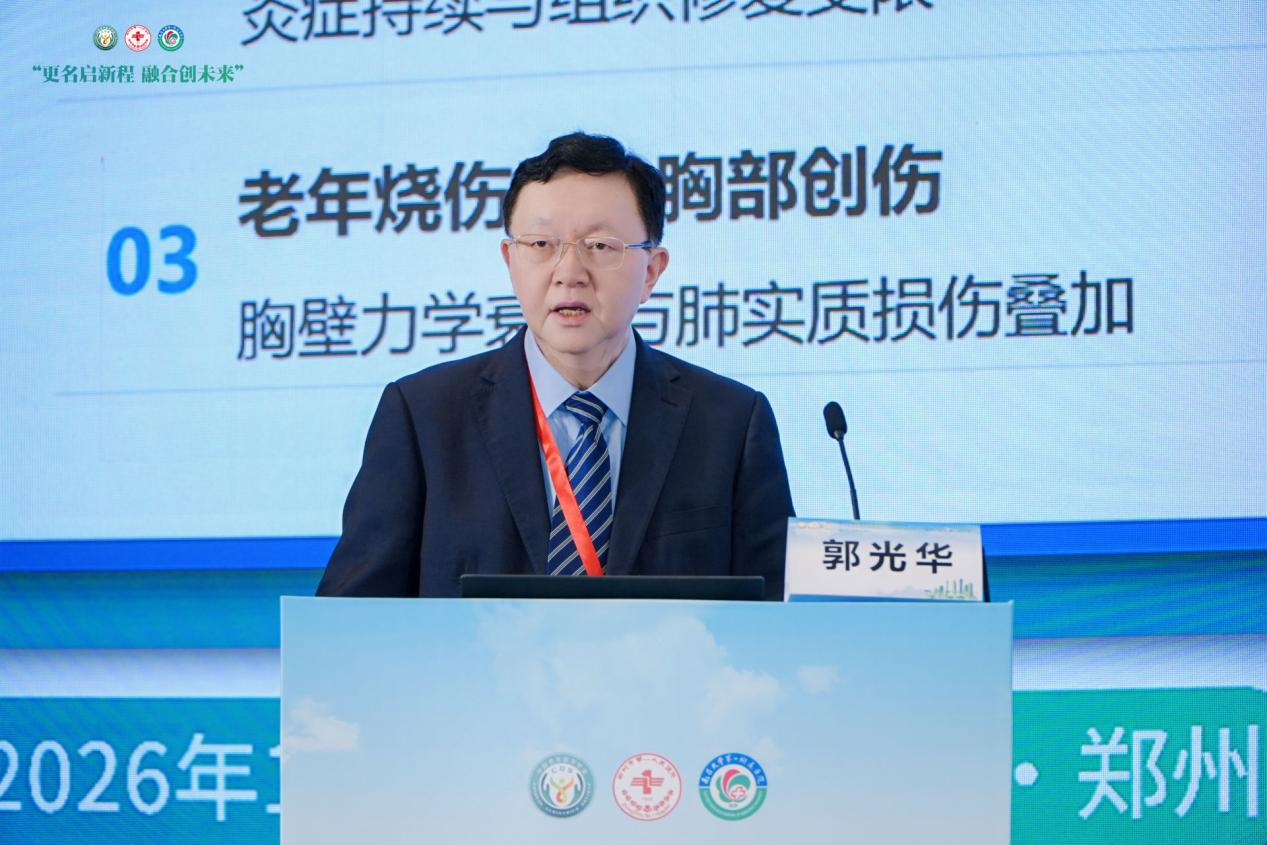
Professor Guo Guanghua gave a report
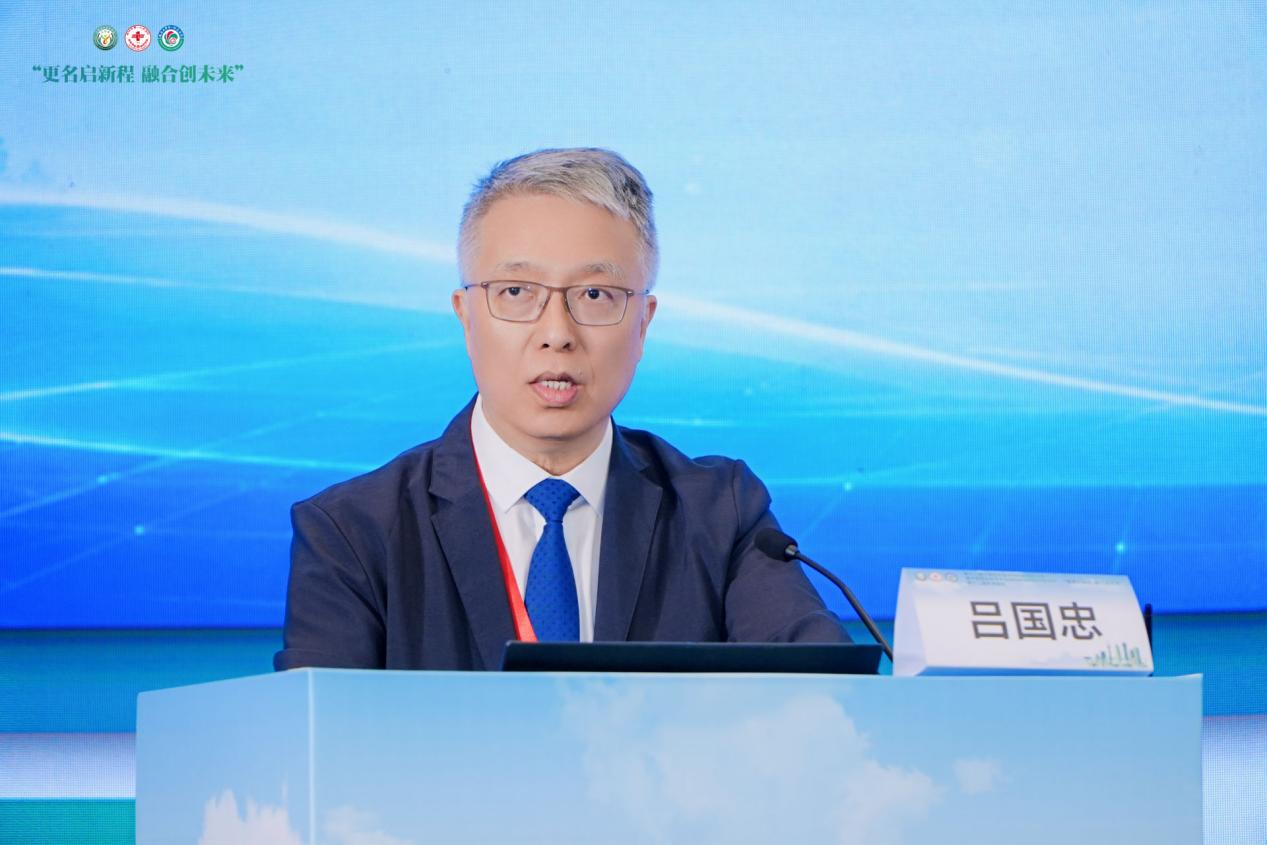
Professor Lyu Guozhong gave a report
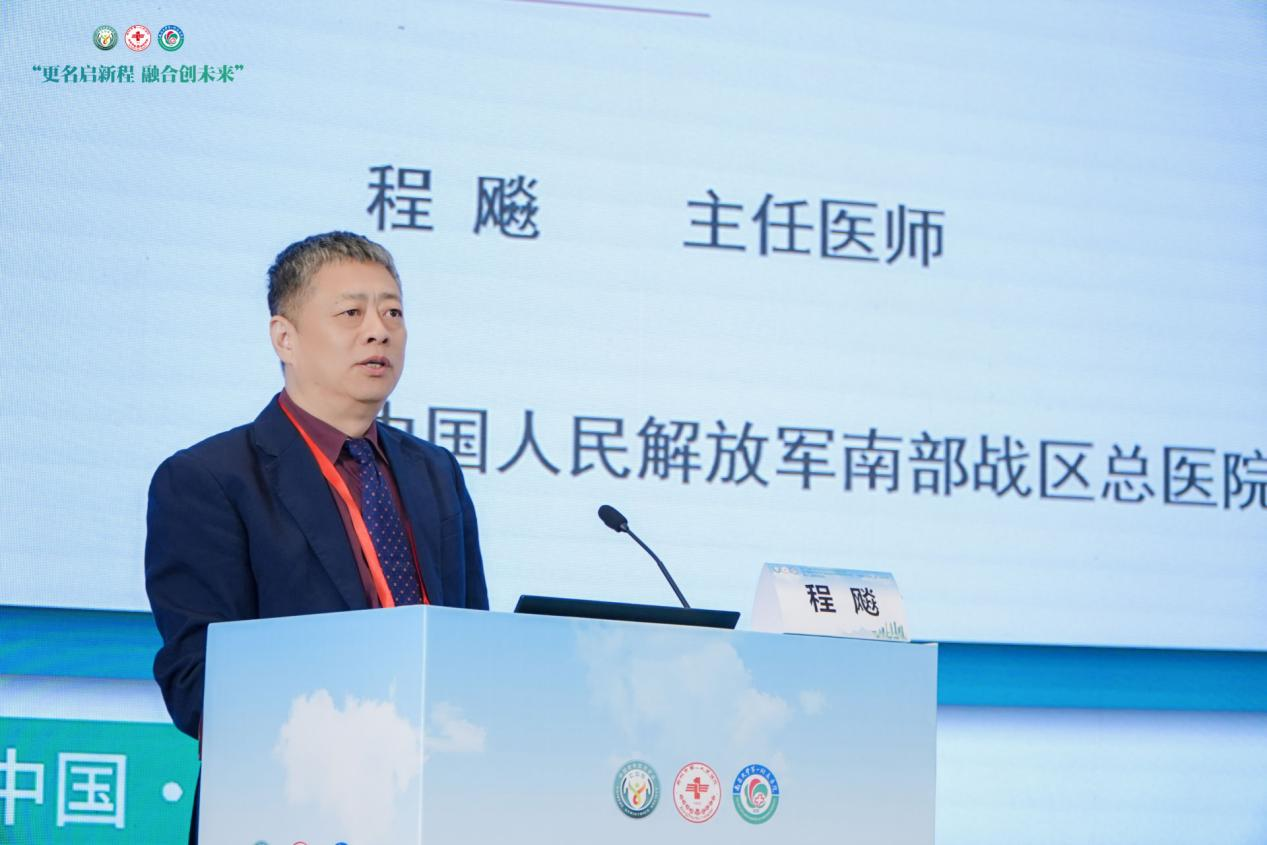
Professor Cheng Biao gave a report
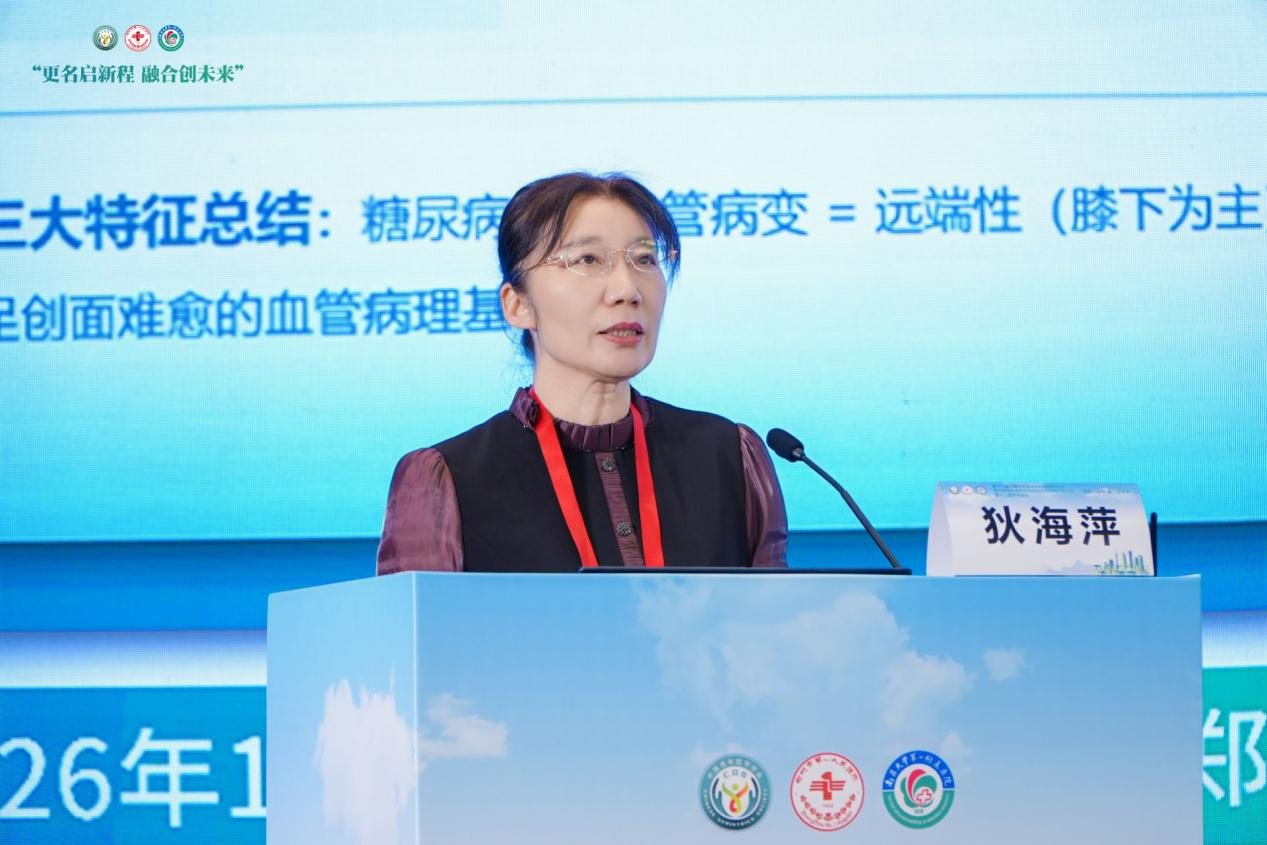
Professor Di Haiping gave a report
On the morning of October 11th, after successfully completing all the scheduled tasks, the conference held a brief closing ceremony. Professor Cheng Biao, the president-elect of the Burn, Trauma and Wound Repair Branch of the Chinese Geriatrics Society, delivered a summary of the conference and announced that the 2027 Academic Conference of the Burn, Trauma and Wound Repair Branch of the Chinese Geriatrics Society will be held in Wuhu, Anhui Province next autumn, hosted by the First Affiliated Hospital of Wannan Medical University.
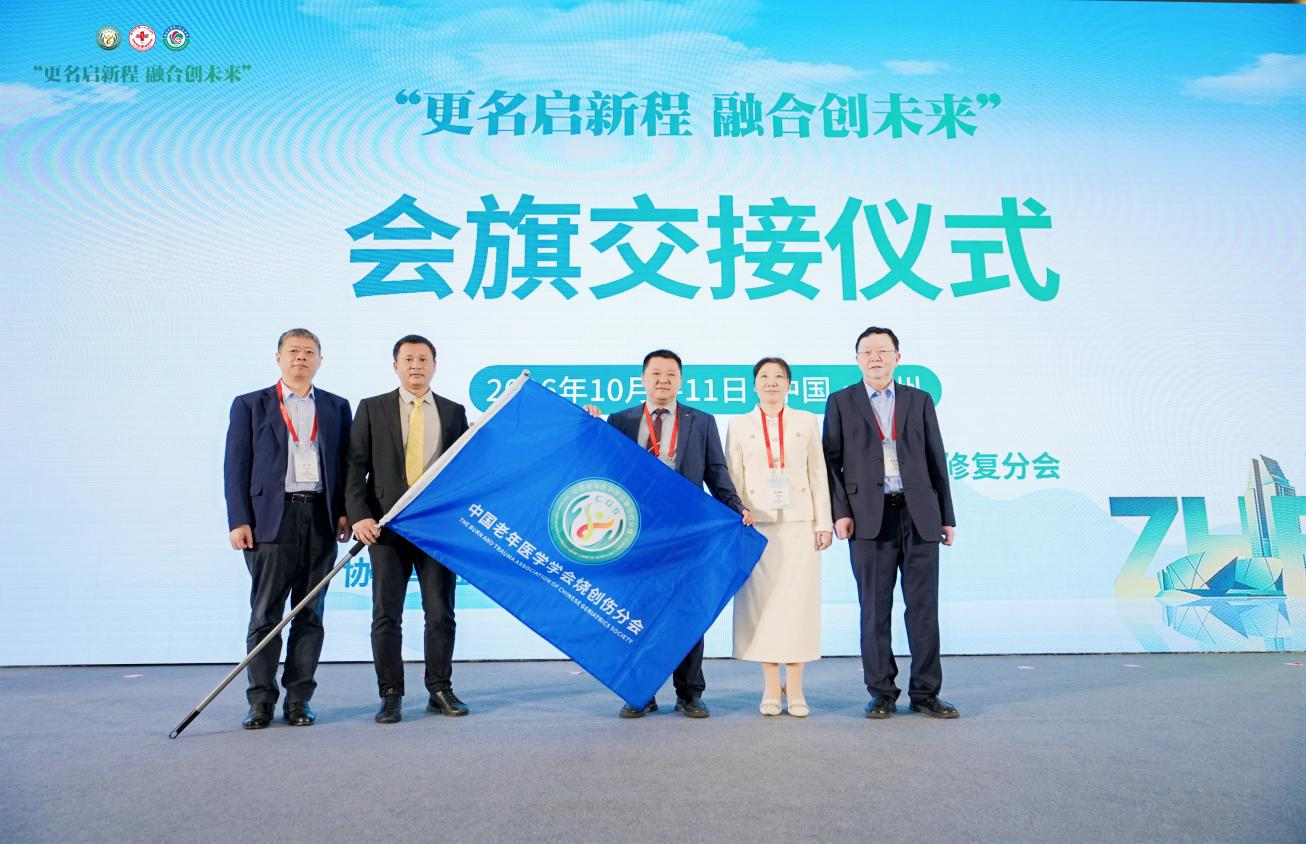
The year 2026 marks the beginning of the 15th Five-Year Plan. The branch will thoroughly implement the Healthy China strategy and the national strategy of actively responding to population aging, closely follow the deployment of the 15th Five-Year Plan, and take the opportunity of name change and integration to incorporate the entire chain of burn and trauma emergency rescue and wound repair work into the overall situation of Healthy China construction, and focus on promoting the following directions: First, strengthen the leading role of Party building, deepen the connotation of the name change, promote the full-chain integration of burn and trauma emergency care, wound repair, regenerative medicine and rehabilitation nursing, and build an integrated prevention and treatment system for the elderly. Second, strengthen the leading role of standards. On the basis of existing group standards and expert consensus, accelerate the formulation of clinical guidelines and quality control standards. Third, focus on the needs of an aging population, strengthen research on specialized diseases such as burn lung injury in the elderly, aging-related vascular lesions, and diabetic wounds, and promote the transformation and application of new technologies such as AI early warning and mitochondrial targeted therapy. Fourth, we will continue to provide public welfare assistance, further promote the chronic wound relief project for the elderly living alone, and rely on the "Three South" platform to facilitate the downward flow of high-quality resources. Fifth, improve the talent echelon, continue the platform for young physicians and nurses to showcase their skills, and guide more provinces to establish relevant professional academic organizations. Sixth, expand international exchanges and enhance China's international voice in the field of elderly burn and wound repair. Contribute to the construction of a Healthy China and the advancement of modernization with Chinese characteristics.
Prev
Notice of the 2026 Hematology Precision Medicine Conference and Transplantation Infection Conference of the Hematology Branch of the Chinese Geriatrics Society
Next
Letter of Discussion on Supporting the "2026 Academic Conference and Re-election Conference of the Anesthesiology Branch of the Chinese Geriatrics Society