
The Fifth Academic Conference of the Sports Health Branch of the Chinese Geriatrics Society, focusing on proactive health and promoting the integration of medical care and sports, was successfully held, gathering new impetus for the healthy development of elderly sports
To thoroughly implement the Healthy China strategy and the national strategy of actively responding to population aging, and to promote the in-depth integration of geriatrics, sports science, rehabilitation medicine and digital technology, from August 7th to 9th, 2026, The Fifth Academic Conference of the Sports Health Branch of the Chinese Geriatrics Society and the 2026 Third Academic Conference on Wearable Technology and Artificial Intelligence Promoting the Sports Health of the Elderly and the Second Training Course for Elderly Sports Prescription Physicians were held in Hohhot, Inner Mongolia. The conference features multiple units including a keynote forum, five sub-forums, specialized training courses, discussions on standards and consensus, paper presentations and popular science exhibitions, as well as construction workshops. It conducts in-depth exchanges on hot topics such as active health for the elderly, scientific exercise prescriptions, muscle health, exercise intervention for cardiovascular and cerebrovascular diseases, and the application of artificial intelligence and wearable technology Build a high-level exchange platform for academic innovation, talent cultivation, standard construction and technology transfer in the field of elderly sports and health. The conference attracted nearly 300 participants and experts from all over the country to attend in person, and more than 3,200 people watched it online.
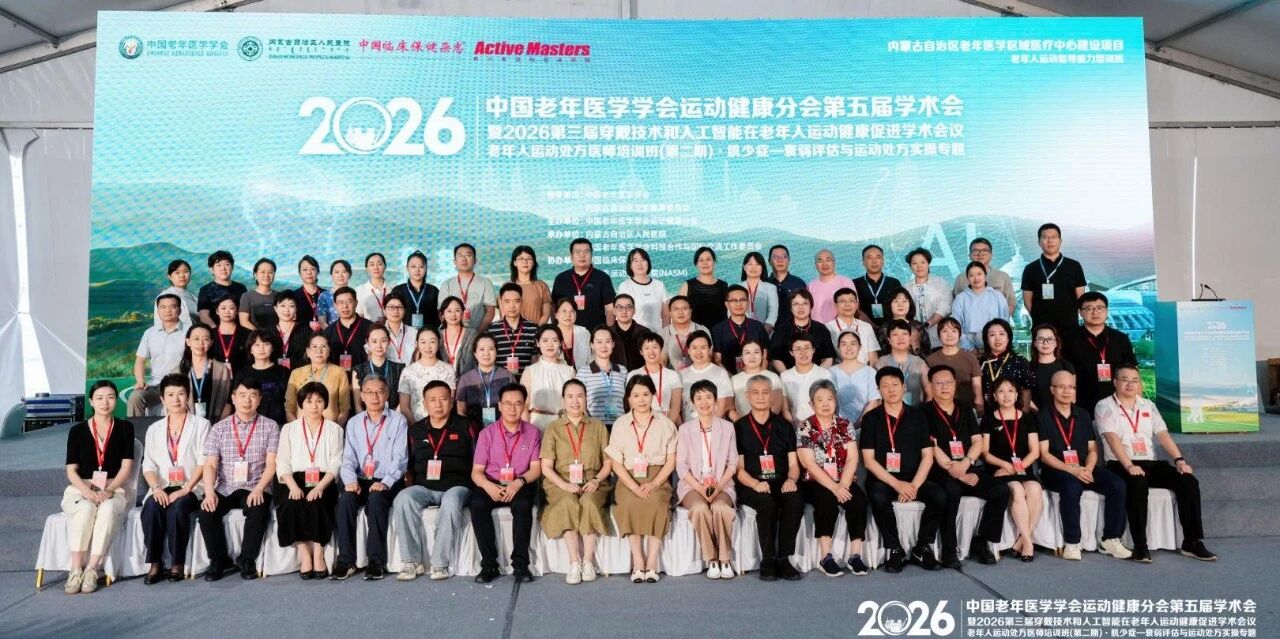
The keynote forum focused on national strategies and discussed the empowerment of science and technology and the transformation of achievements
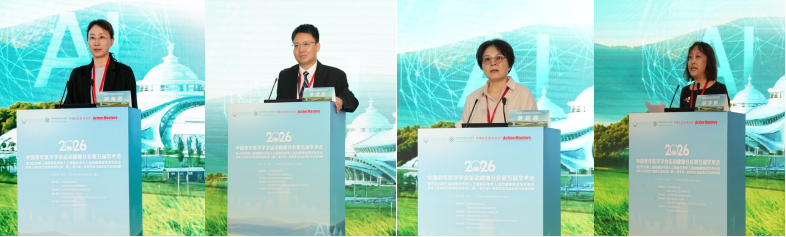
On the morning of August 8th, the opening ceremony of the conference was held at the Qingchuan Grassland venue. Director Hao Haiyan of the Aging Health Department of the Health Commission of Inner Mongolia Autonomous Region, Vice President Li Haojie of Inner Mongolia Autonomous Region People's Hospital, and Dong Birong, the chairperson of the Sports Health Branch of the Chinese Geriatrics Society, delivered speeches. Professor Hu Yixin, the executive vice chairperson of the Sports Health Branch of the Chinese Geriatrics Society, presided over the event.
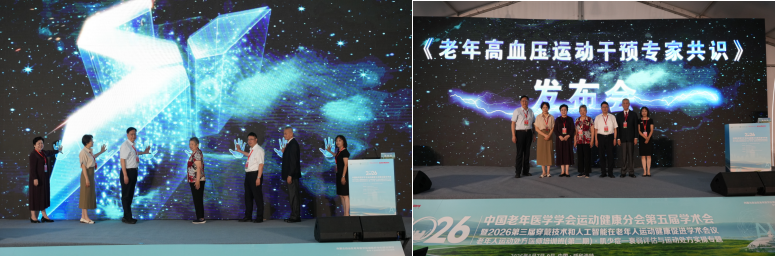
At the opening ceremony, the "Expert Consensus on Exercise Intervention for Elderly Hypertension" was grandly released. Professor Dong Birong, the chairperson of the Sports Health Branch of the Chinese Society of Geriatrics, Professor Chen Luyuan from Guangdong Provincial People's Hospital, Professor Hua Qi from Xuanwu Hospital, Capital Medical University, Professor Yuan Hong from the Third Xiangya Hospital of Central South University, Professor Xie Minhao from the Institute of Sports Medicine of the General Administration of Sport of China, and Professor Hu Yixin, the executive vice chairperson of the Sports Health Branch, among other experts, jointly participated in the release. This marks a new step forward in the exercise intervention for elderly hypertension towards standardization, scientification and operability.
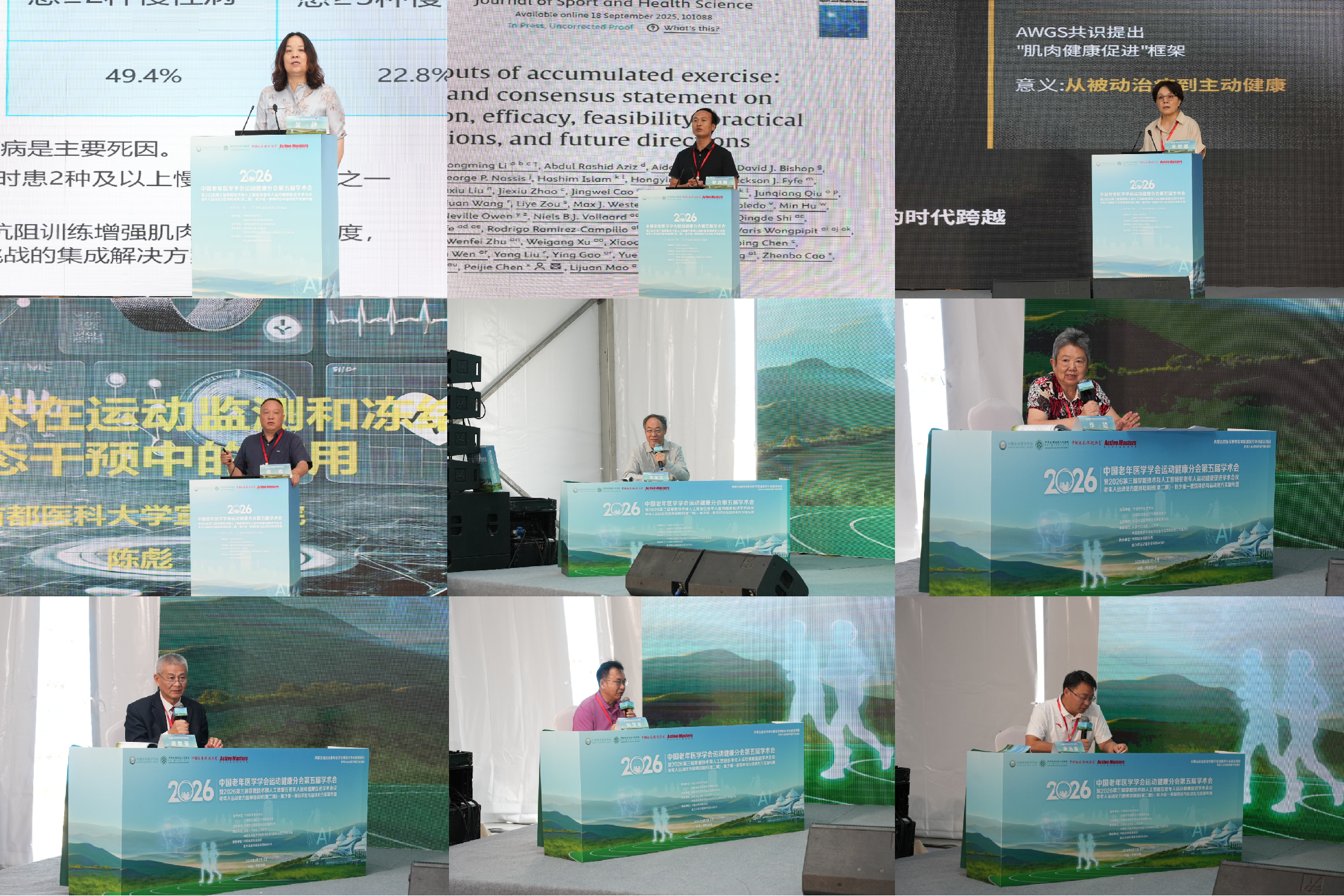
The keynote forum closely focuses on the contemporary issues of healthy aging and sports health for the elderly. Director Wu Jing of the Chronic Disease Center of the Chinese Center for Disease Control and Prevention expounded on the development direction of healthy aging and elderly sports health from the perspective of national strategy. Professor Li Yongming from the Institute of Sports Science of the General Administration of Sport of China, under the title of "Fragmented Sports: New Strategies for Health Promotion", explored accessible paths to integrate sports into daily life. Professor Dong Birong, combining the update of the Asian consensus with China's practice, systematically analyzed the new trends from sarcopenia prevention and treatment to muscle health management. Professor Chen Biao from Xuanwu Hospital, Capital Medical University, introduced the application of wearable technology in motion monitoring and frozen gait intervention, providing technological support for precise assessment and individualized intervention. The multi-dimensional cutting-edge reports further highlight the development direction of elderly sports health, which is accelerating its transformation from disease management to functional maintenance, from experience-based intervention to digital intelligence-driven, and from a single discipline to multi-disciplinary collaboration. The session was hosted by Professor Xie Liangdi from the First Affiliated Hospital of Fujian Medical University, President Gao Xuewen from Inner Mongolia Autonomous Region People's Hospital, Professor Xie Minhao from the Institute of Sports Medicine of the General Administration of Sport of China, Professor Liu Xuejun from the First Hospital of Shanxi Medical University, and Professor Liao Yuanpeng from Chengdu Sport University.
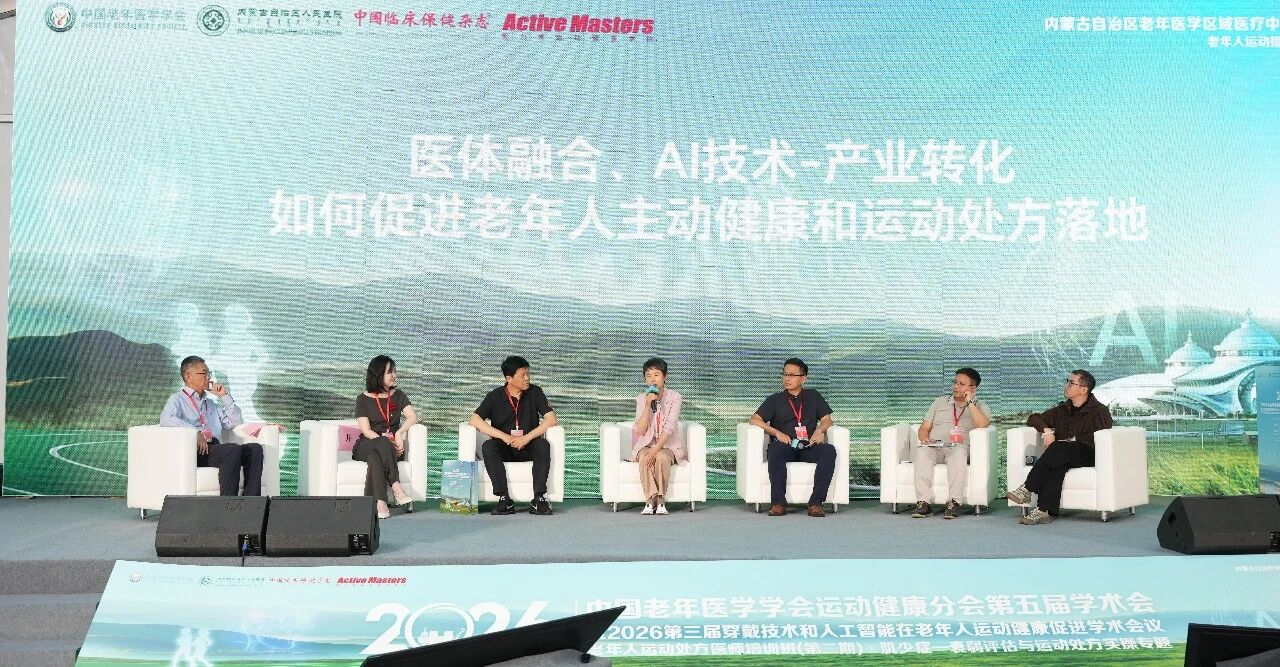
The roundtable forum, themed "How can the Integration of Medicine and Sports, AI Technology - Industrial Transformation Promote Active Health for the Elderly and the Implementation of Exercise Prescriptions?", was hosted by Professor Bao Jimin from Liaoning Golden Autumn Hospital. Professor Wang Jingtong from Peking University People's Hospital, Professor Sun Liang from Beijing Hospital, Professor Guo Jianjun from Capital University of Physical Education and Sports, Teacher Jing Chao from People's Daily Health Client, Director Ru Zhitao from the Bureau of International Cooperation of the Chinese Academy of Sciences, Professor Wang Yan 'an from the Chinese Academy of Management Sciences, and Professor Yang Yifan from Southwest Jiaotong University focused on the construction of the exercise prescription service system, the empowerment of artificial intelligence technology, and the transformation of scientific research achievements. Exchanges were held on topics such as grassroots application scenarios and sports safety for the elderly. Experts attending the meeting believe that to truly implement scientific exercise prescriptions, it is necessary to further integrate the entire chain from assessment, prescription, implementation, monitoring to feedback, and strengthen the collaboration among medical institutions, sports institutions, research institutes, communities and industrial platforms, so that safe, precise and sustainable exercise and health services can benefit more elderly people.
The five major sub-forums work in concert to expand the academic landscape of elderly sports and health
The conference has set up five sub-forums, covering topics such as exercise assessment, prescription formulation, injury prevention, digital technology, nutritional frailty and cardiovascular and cerebrovascular health.
Sub-forum One, "Progress in Scientific Exercise Prescriptions, Exercise Rehabilitation and Injury Prevention", focused on discussions about intelligent exercise prescription systems, running-related injury mechanisms, the design of exercise prescriptions for chronic diseases in the elderly, and incremental load exercise tests, highlighting assessment first and safe intervention.
Sub-forum Two, "Progress in Wearable Technology and Artificial Intelligence Empowering Elderly Sports and Health Technology", focuses on digital healthy aging, wearable motion capture technology, and multi-modal large models for human sports rehabilitation, showcasing the new space of the integration of artificial intelligence and sports rehabilitation.
Sub-forum Three, "Muscle Health, Nutrition and Frailty", explores comprehensive strategies for preventing disability in the elderly from the perspectives of prevention and control of musculoskeletal diseases, sports nutrition, the aging map of skeletal muscles, and the application of intestinal flora transplantation.
Sub-forum Four, "Progress in Exercise Prescriptions for Cardiovascular Health in the Elderly", focuses on topics such as high-intensity endurance exercise and atherosclerosis, exercise cardiology, cardiovascular exercise safety assessment, and diagnosis and treatment of abnormal blood pressure fluctuations, further strengthening the risk stratification and standardized implementation of exercise intervention.
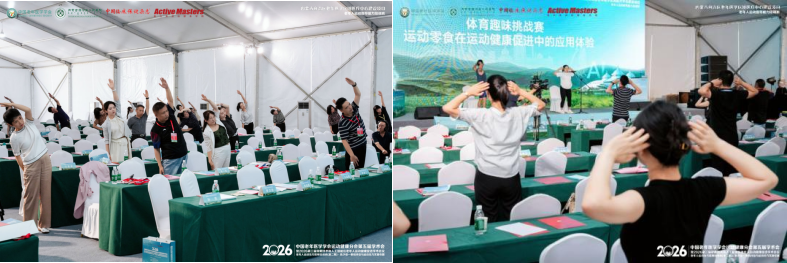
Sub-forum Five, "Progress in Exercise Prescriptions for Elderly Heart and Brain Health", focuses on gamified digital intervention, the neural mechanisms of cognitive frailty and cognitive aging, and the practical application of brain-computer technology, exploring new paths for artificial intelligence to empower the active health and brain health maintenance of the elderly. During the conference, a "sports snack" sports fun challenge experience was also set up, promoting the scientific sports concept to be put into practice in a lightweight, flexible and easy-to-stick way.
Training and special activities focus on practical operation to promote the coordinated construction of talents, standards and networks
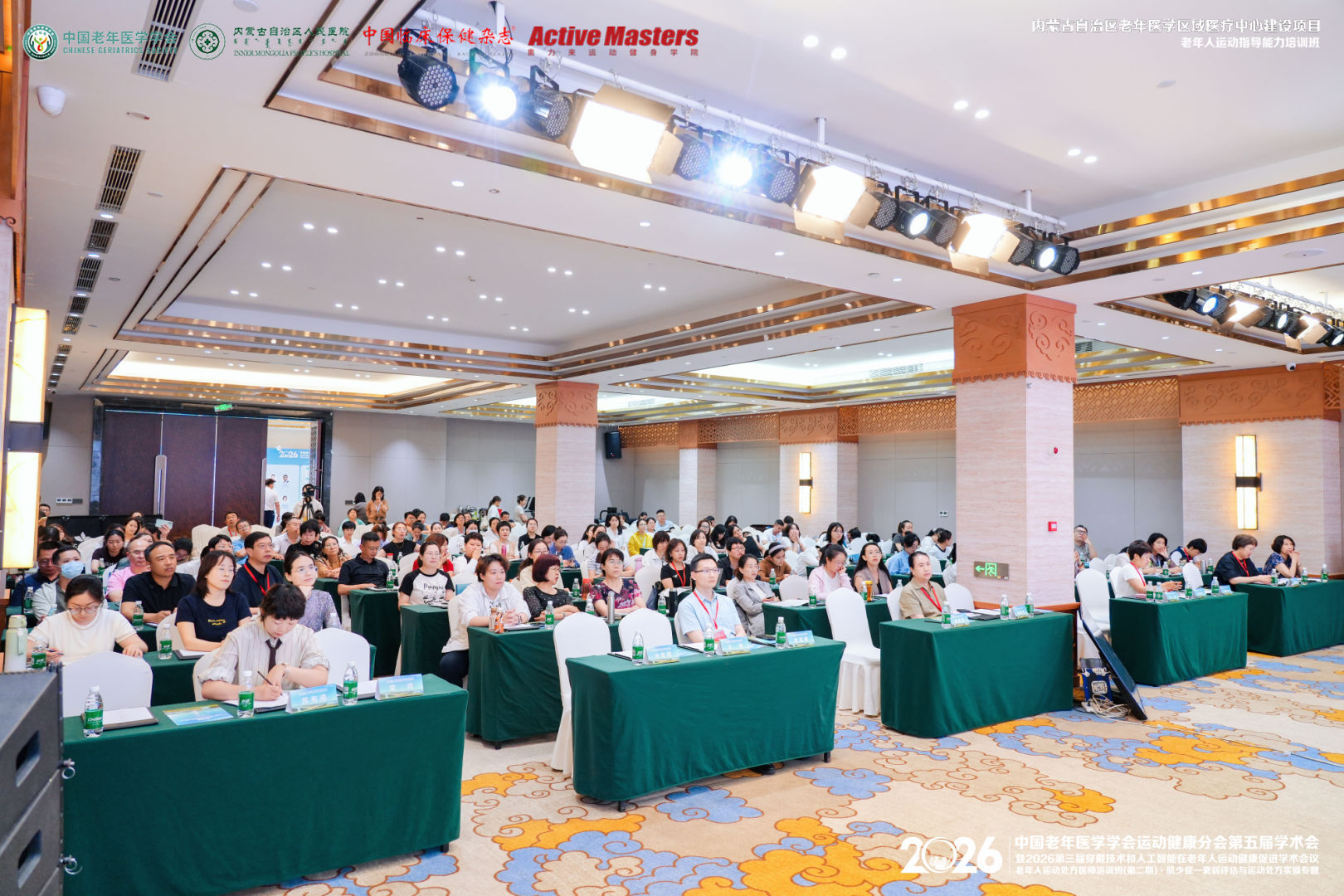
The "Elderly Exercise Prescription Physician Training Course (Phase II) - Sarcopenia - Frailty Assessment and Exercise Prescription Practical Topic" was held from August 7th to 9th. The training is set up with nine modules, covering chronic diseases in the elderly and sports health management, geriatrics and the fundamentals of muscle health, sarcopenia-frailty integrated management, core assessment and risk stratification, FITTVP prescription principles, corrective training, age-friendly resistance and functional training, cardiopulmonary endurance and fall prevention training, as well as 12-week integrated training prescription design, etc. Through theoretical explanations, assessment demonstrations, action demonstrations, case studies, group practical operations and assessment comments, efforts are made to enhance the full-process service capabilities of trainees from assessment to prescription, from implementation to follow-up.
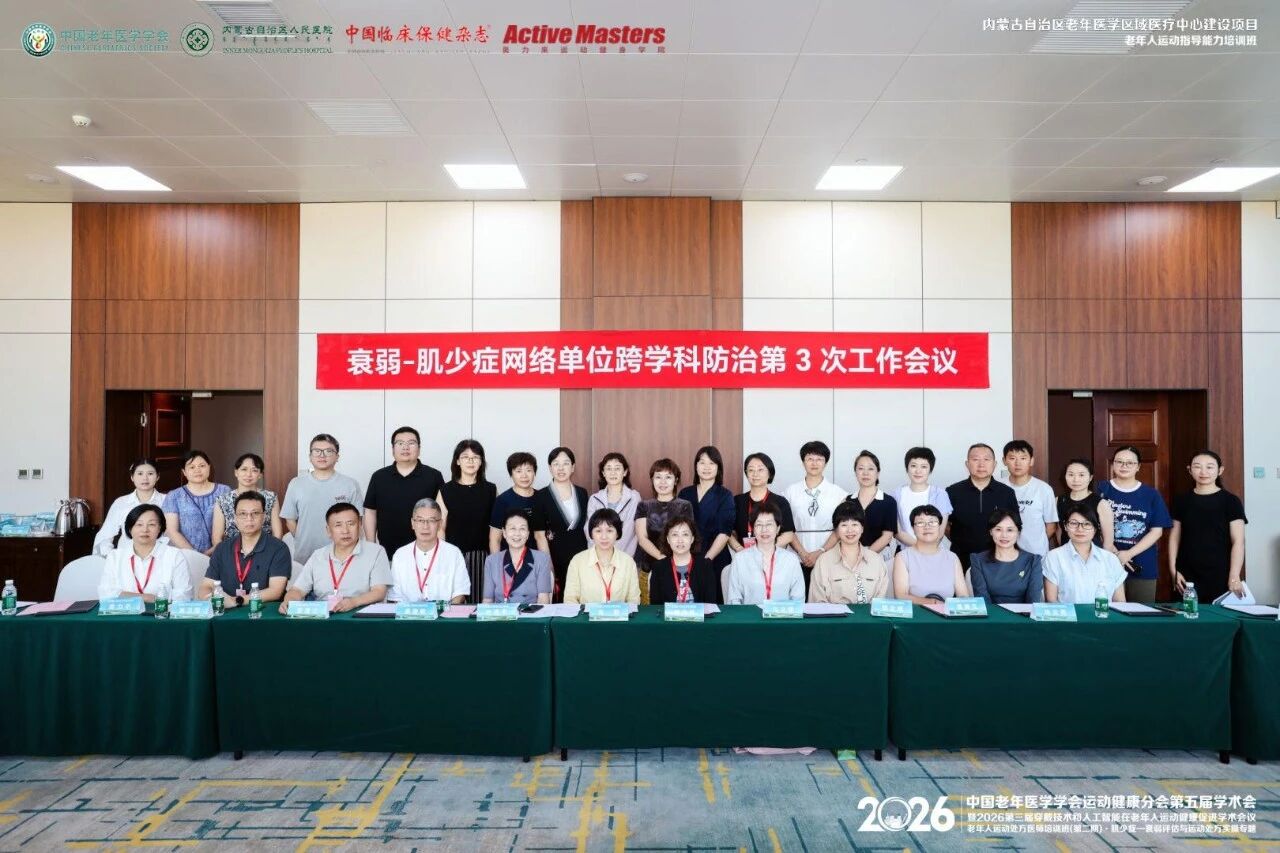
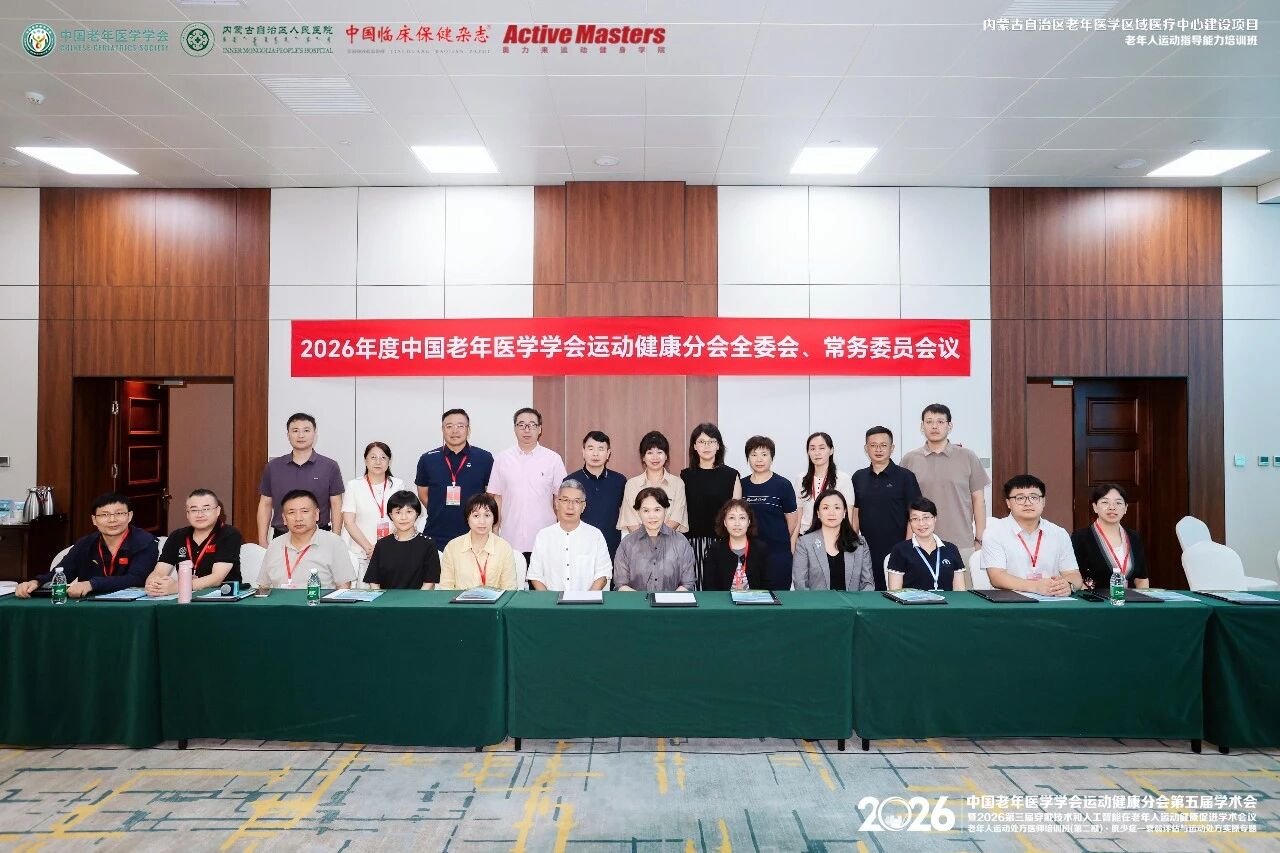
The third cross-disciplinary prevention and treatment meeting of the sarcopenia network units held concurrently summarized the progress of network construction and the experiences of outstanding units, and held a special discussion on the draft of the "Group Standard for the Construction of Sarcopenia Network Units" for public comment. And the "Chinese Expert Consensus on the Application of Digital Technology in Screening, Evaluation, Exercise Intervention and Management of Sarcopenia and Osteoporosis in the Elderly (2026 Edition)" was initiated, further consolidating the synergy for the construction of an interdisciplinary prevention and treatment network. The plenary and standing committee meetings of the branch focused on studying and arranging the annual work summary, the addition of committee members, key work reports and the preparations for the change of term, laying a solid organizational foundation for the continuous and standardized development of the branch.
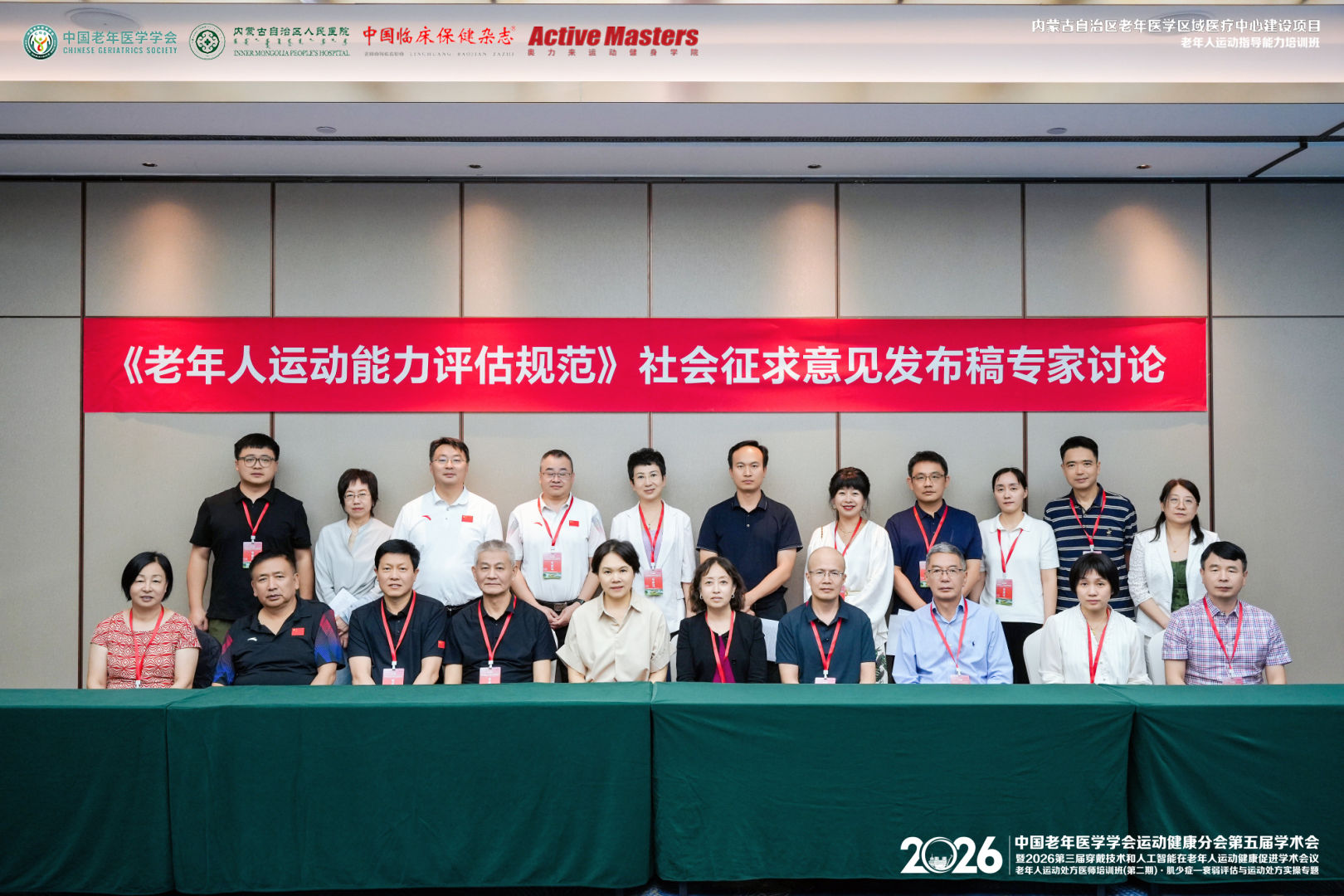
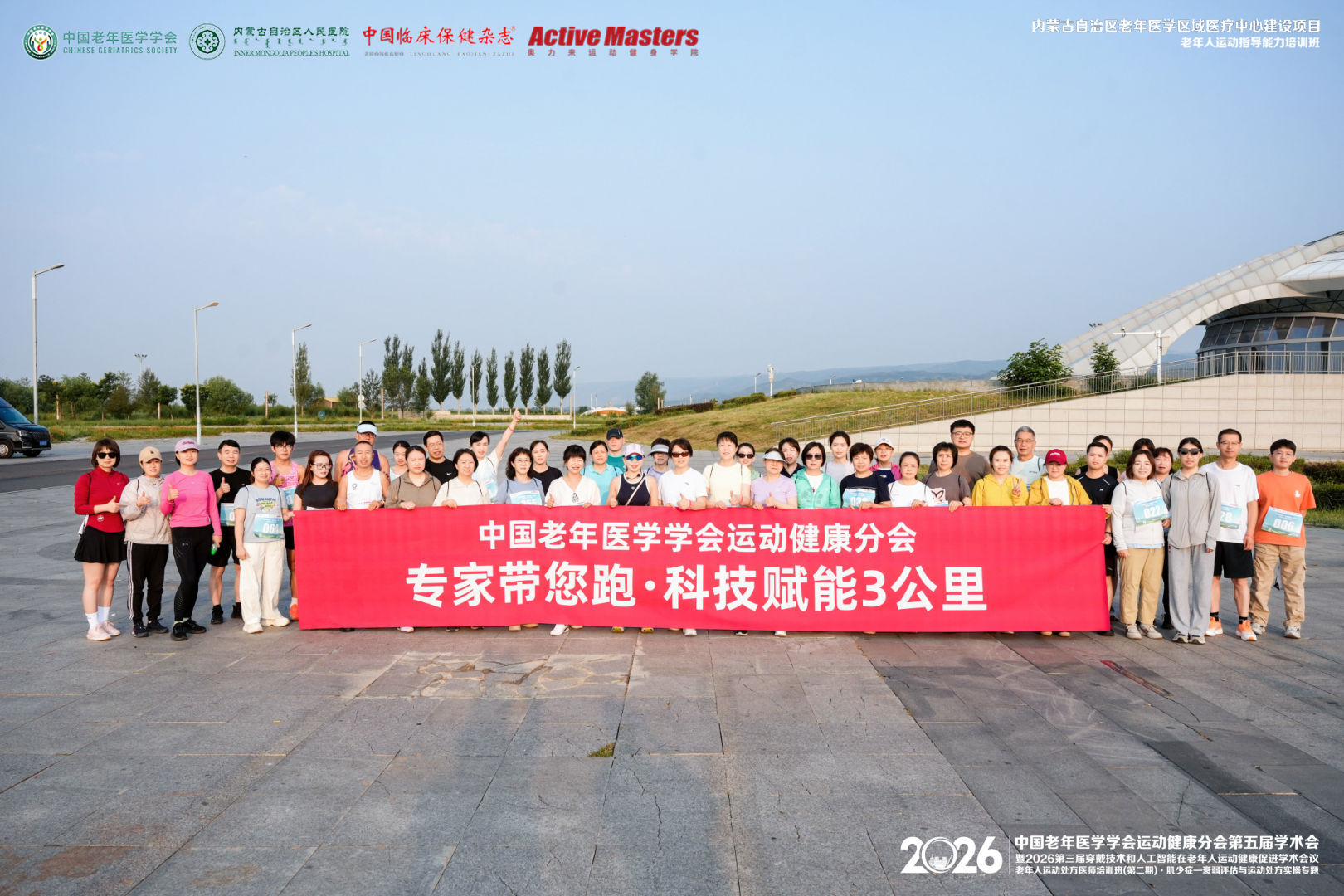
The conference also held an expert discussion meeting on the release draft of the "Group Standard for Assessing the Physical Fitness of the Elderly" for public comment, fully deliberating on the assessment indicators, implementation procedures and application scenarios. Organize paper performances and popular science broadcasts to provide a platform for young scholars and popular science creators to showcase and exchange ideas. A workshop on the construction of a health service center for the elderly through sports was held, focusing on the monitoring of functions and cardiovascular risks before, during and after community sports, rehabilitation assessment of sports injuries, comprehensive assessment of the elderly and the formulation of exercise prescriptions, as well as policy implementation, to promote the transformation and application of digital and intelligent sports and health technologies in grassroots service scenarios. The "Experts Take You to Fitness Run" event held on August 9th vividly disseminated the concept of proactive health through on-site warm-up, scientific explanations and digital technology guidance.
Build consensus and set out again to jointly create a new ecosystem for elderly sports and health services
This conference, with its main theme guiding the direction, deepened academic exchanges through sub-forums, strengthened practical abilities through training and workshops, and consolidated the industry foundation through consensus, standards and network construction, fully demonstrated the vigorous vitality of multi-disciplinary integration, digital intelligence technology empowerment and service model innovation in China's elderly sports and health field. Looking to the future, the Sports Health Branch of the Chinese Geriatrics Society will continue to gather forces from multiple sectors including medicine, sports, health care, elderly care, research, and production. It will persistently promote scientific research, standard setting, talent cultivation, technology transfer, and health popularization, and improve the elderly sports health service chain covering assessment, prescription, intervention, monitoring, and management. To contribute more to improving the health and quality of life of the elderly and promoting high-quality development of healthy aging.
Professor Hu Yixin, the deputy director of the Sports Health Branch of the Chinese Geriatrics Society, pointed out in his summary that this conference is not only a concentrated exchange of cutting-edge achievements but also an important opportunity to promote the development of elderly sports health services from conceptual consensus to standardized practice. Next, the branch will take the maintenance of elderly functions and proactive health as its guiding principles, continuously enhance multi-disciplinary and multi-institutional collaboration, further promote the connection of key links such as exercise capacity assessment, risk stratification, individualized exercise prescriptions, digital monitoring and effect feedback, and facilitate the coordinated development of consensus, standards, talent training and grassroots service capacity building. We should strive to transform the academic achievements formed at the conference into replicable, scalable and sustainable practical paths, and contribute to the construction of a more scientific, precise and inclusive elderly sports and health service system.