
The "Party Flag Flutters, Warmth Reaches the Elderly - Chronic Wound Assistance Project for Elderly People Living Alone (Ganzhou Station)" of the Burn, Trauma and Wound Repair Branch of the Chinese Society of Geriatrics has been officially launched
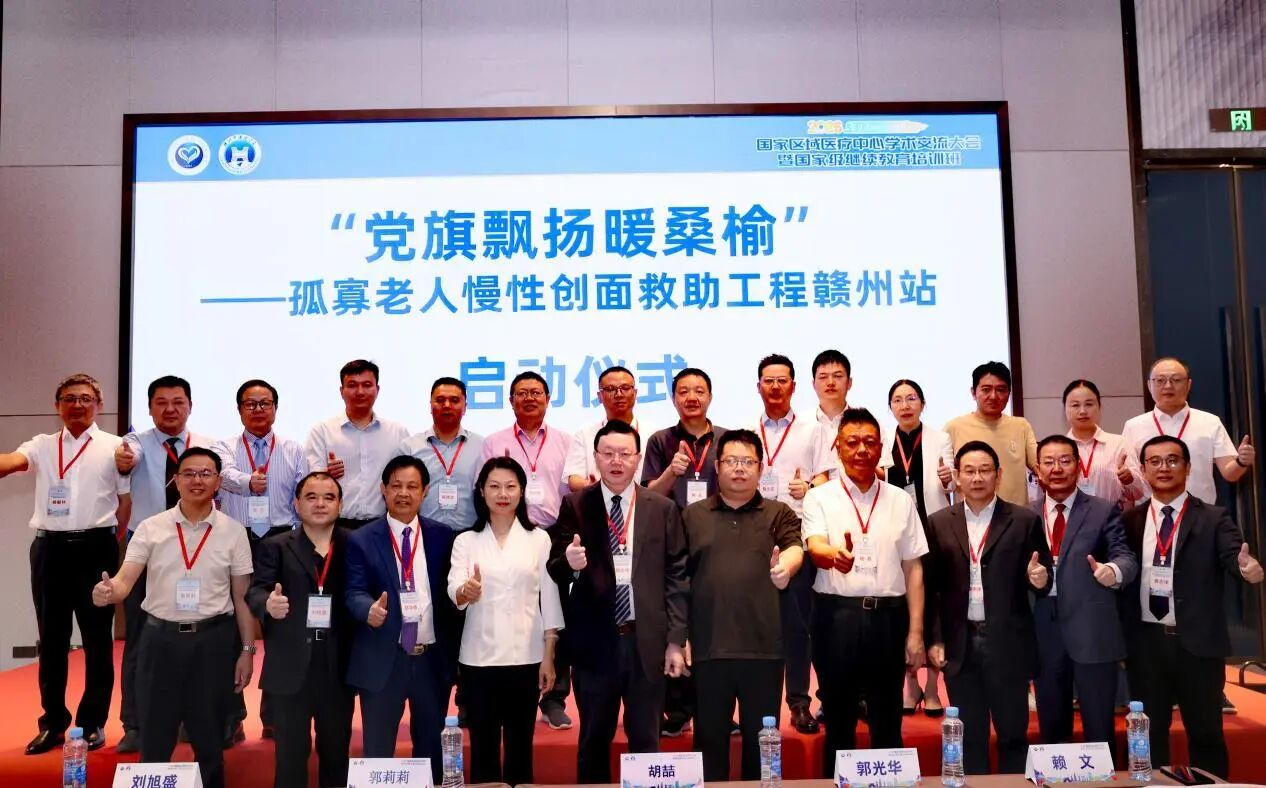
October 18th coincides with the traditional Chongyang Festival in our country. The launch ceremony of the "Party Flag Fluttering Warms the Elm" - Chronic Wound Rescue Project (Ganzhou Station), initiated by the Burn and Wound Repair Branch of the Chinese Society of Geriatrics, was held at Ganzhou Hospital of Guangdong Provincial People's Hospital (Ganzhou Municipal Hospital). Professor Guo Guanghua, Vice President of the Chinese Geriatrics Society and Director of the Burn and Wound Repair Branch, Professor Guo Lili, Party Secretary of Ganzhou Hospital of Guangdong Provincial People's Hospital, Professor Huang Zhifeng, Vice President of Ganzhou Hospital, Professor Hu Zhe, Second-level Director of Ganzhou Municipal Health Commission, and Professor Ding Wei, Member of the Standing Committee and Deputy Director of the Branch and Director of the Department of Wound Repair and Reconstruction Surgery of the First Affiliated Hospital of Wannan Medical University, Professor Cheng Shaowen, member of the Standing Committee and deputy director of the branch, and director of the Wound Repair Department of the First Affiliated Hospital of Hainan Medical University; Professor Lai Wen, member of the Standing Committee and Director of the Burn and Wound Repair Department of Guangdong Provincial People's Hospital; Professor Zhou Hua, member of the Standing Committee and Director of the Burn, Plastic Surgery and Wound Repair Department of Ganzhou Hospital of Guangdong Provincial People's Hospital, etc. More than 150 experts, scholars and medical staff engaged in the field of burn and wound repair from Guangdong, Anhui and Jiangxi provinces attended the launch ceremony.
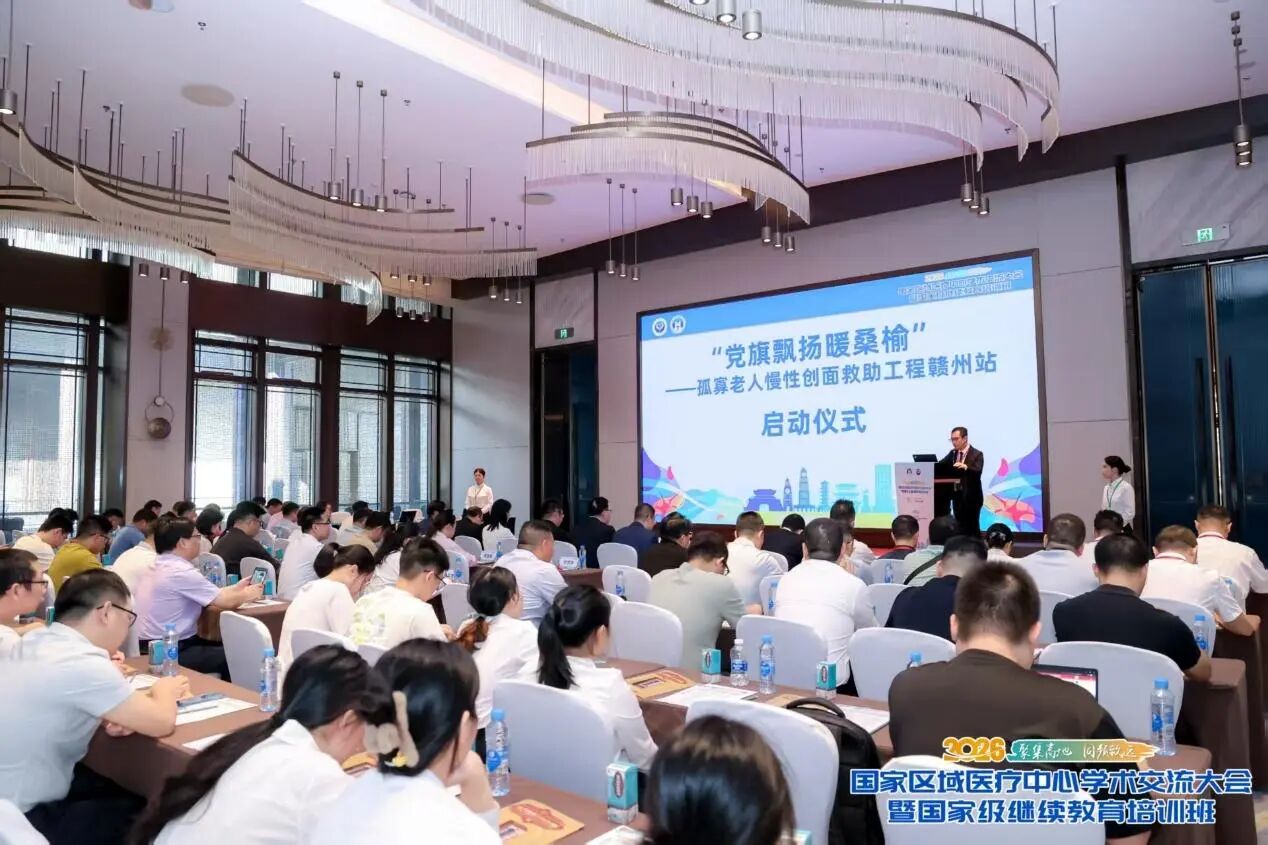
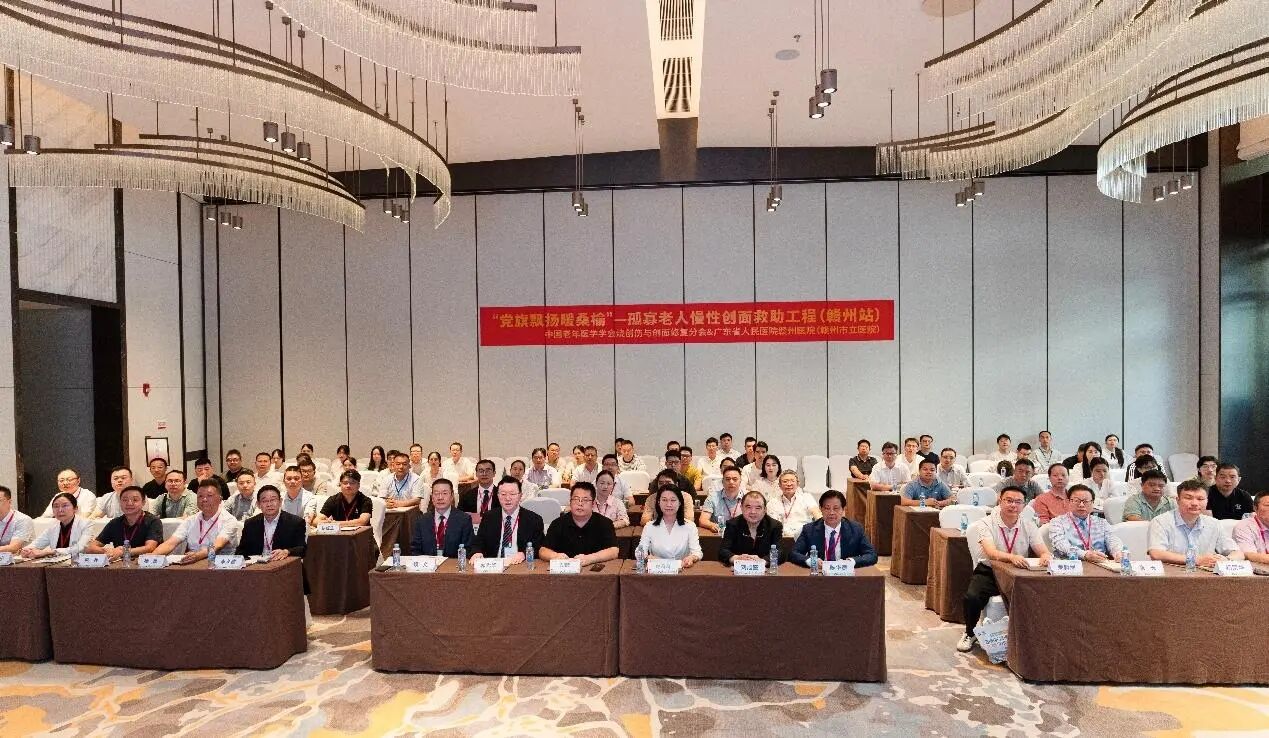
The opening ceremony was presided over by Huang Zhifeng. Secretary Guo Lili delivered the opening remarks first. She said that since the Guangdong Provincial People's Hospital took over and provided comprehensive assistance, the burn, Plastic surgery and wound repair discipline of Ganzhou Hospital, as a key characteristic specialty to be cultivated, is currently at a critical stage of quality improvement and capacity expansion. The establishment of the Gannan Railway Station Hospital is not only an affirmation of the discipline's capabilities but also implies a responsibility to fulfill the actual treatment results. The hospital will rely on the existing three-level linkage network to provide full-process local support for the screening, treatment and follow-up of the project.
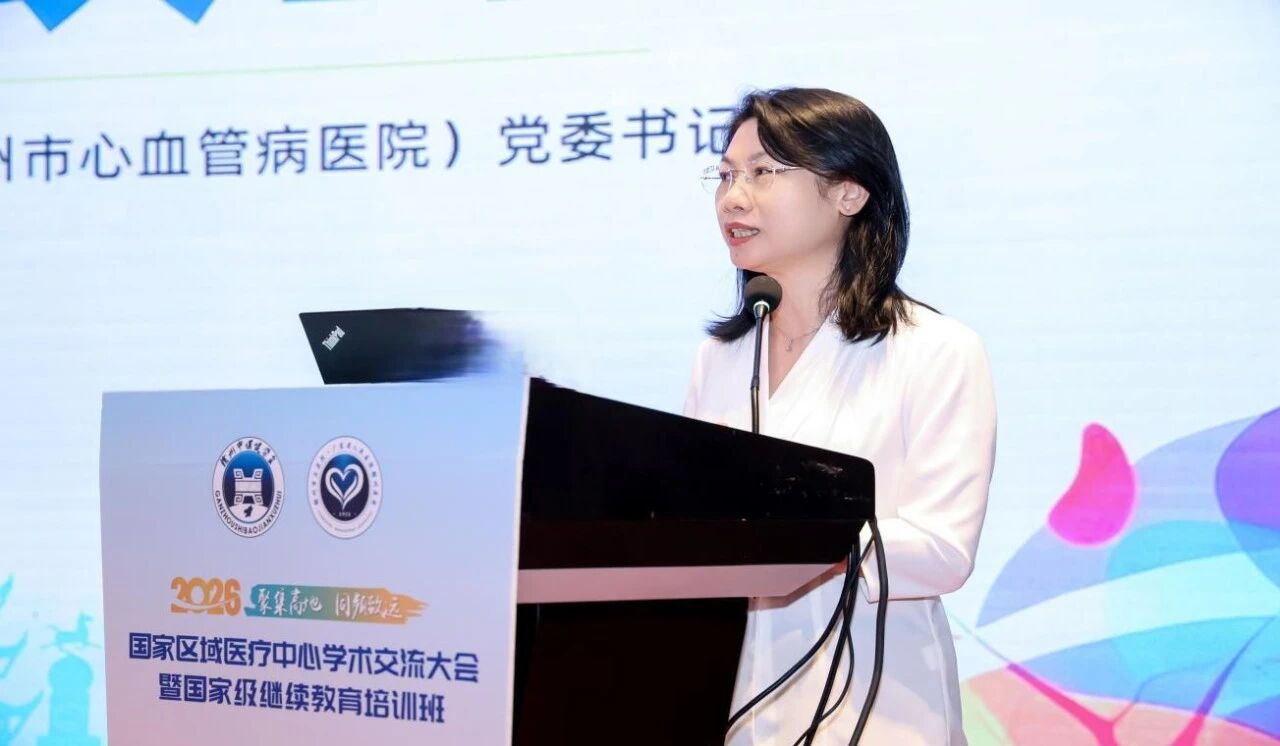
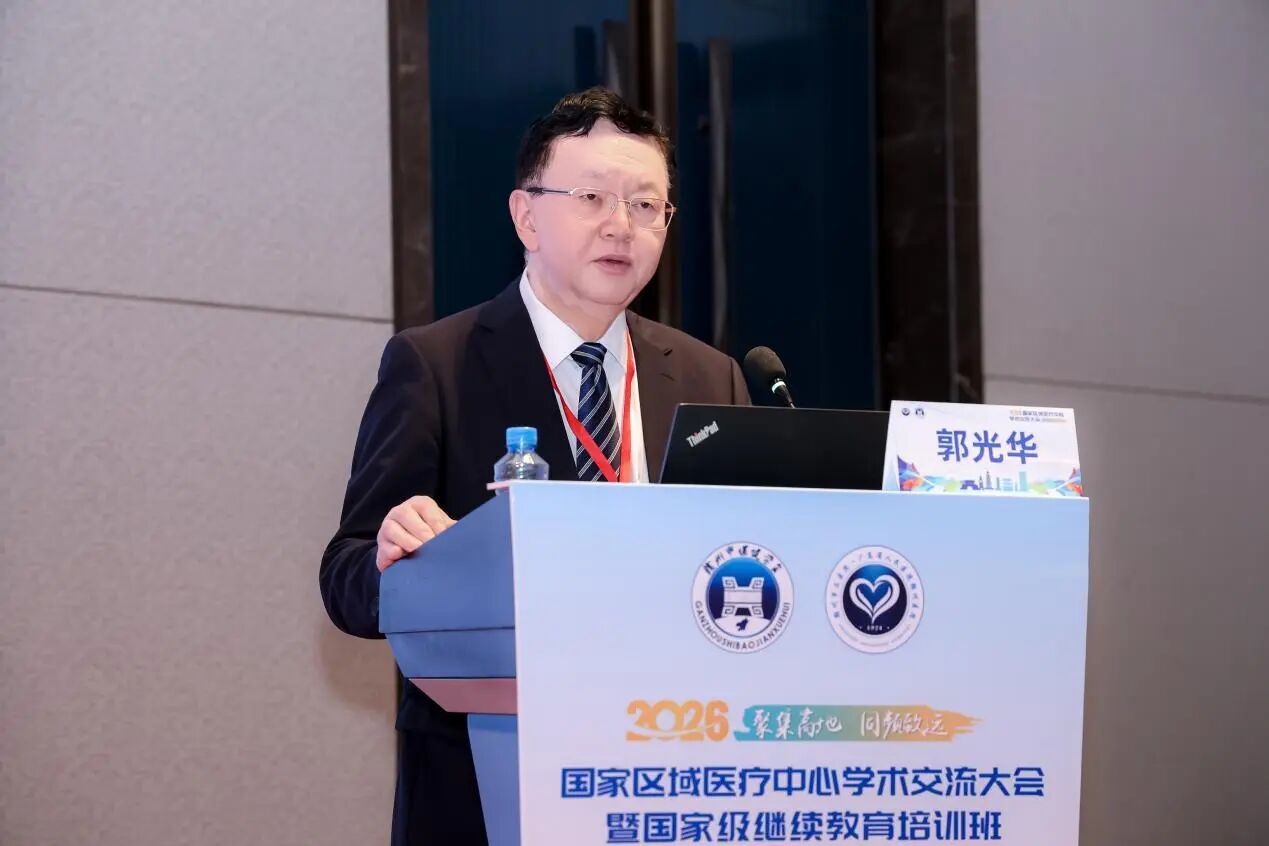
Professor Guo Guanghua gave a detailed account of the project's progress. Since its first launch in southern Anhui in February 2026, the project has been successively implemented in Hefei, Nanchang, Jinan, Guangzhou, Zhengzhou and other places. It is planned to be systematically promoted across the country within five years, building a diversified public welfare model of "Party building leadership - professional support - resource coordination - social mobilization". He pointed out that the incidence of chronic and refractory wounds among the elderly has been continuously rising, and the treatment of elderly people living alone is facing greater challenges due to the lack of care and economic difficulties. The project will not engage in perfunctory consolation or "bonsai projects", but will tackle and treat each case one by one. In Ganzhou, the project is to be connected to the local chronic wound prevention and treatment network that has been in operation for several years, rather than starting from scratch.
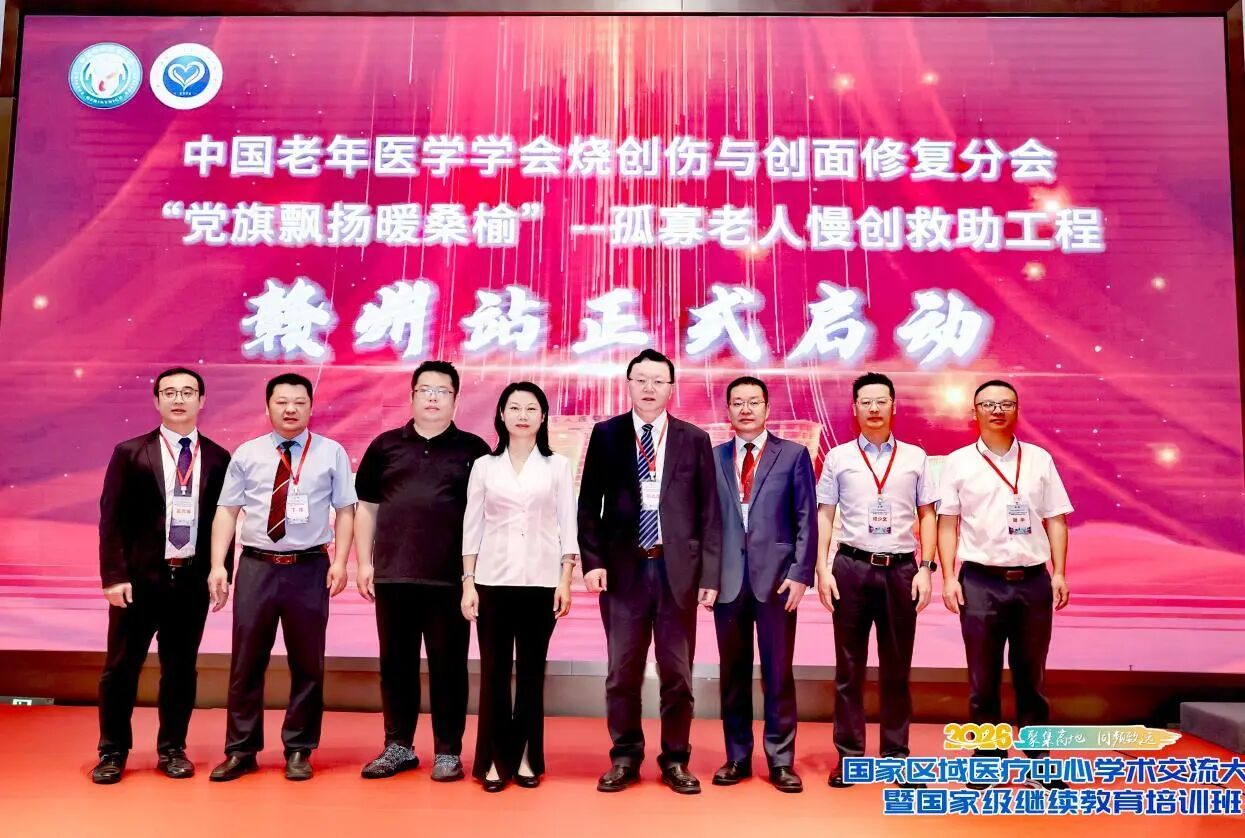
Subsequently, eight leaders and guests, namely Guo Guanghua, Guo Lili, Huang Zhifeng, Hu Zhe, Ding Wei, Cheng Shaowen, Lai Wen and Zhou Hua, jointly went on stage and pressed the start button, officially announcing the launch of the Gannan Station.
Professor Guo Guanghua stated that the launch of the Ganzhou station marks a substantive connection between this national public welfare project and the slow innovation prevention and control system in revolutionary old areas. In the southern part of Jiangxi Province, the proportion of empty-nest elders is high and the medical resources at the grassroots level are relatively weak. The phenomenon of delayed medical treatment for patients with chronic wounds was once quite common. Under the guidance of Professor Fu Xiaobing, the president of the Chinese Geriatrics Society, and other expert teams, the Department of Burn, Plastic Surgery and Wound Repair of Ganzhou Hospital of Guangdong Provincial People's Hospital (Ganzhou Municipal Hospital) has established a three-level linkage "hospital - community - family" "Gannan Model" : Hospitals are responsible for the treatment of difficult and severe cases and technical training. Community health service centers and elderly care institutions are in charge of screening and primary treatment. At the family level, teams composed of family doctors, specialized nurses, caregivers or volunteers conduct regular home visits for follow-up. The significance of the Gannan Station lies in precisely injecting national-level public welfare assistance resources into this existing network, transforming the wound treatment of the elderly living alone from "passive waiting for medical treatment" to "active screening and management", and forming a testable and sustainable assistance closed loop.
After the launch of Ganzhou Station, it will rely on the three-level network of the "Gannan Model" to carry out free screening and standardized treatment for chronic wounds of the elderly living alone, with a focus on high-incidence wound types among the elderly such as pressure sores, diabetic foot, and vascular ulcers. The patients screened out are referred to Ganzhou Hospital through the community hub for precise treatment. After discharge, they are managed by the family follow-up team, forming a full-cycle chain of "screening - treatment - rehabilitation - follow-up".