
The 12th China Geriatrics and Science and Technology Innovation Conference
With the approval of the superior administrative department, the "12th China Geriatrics and Science and Technology Innovation Conference" was held in Tianjin from October 30th to November 1st. The conference was hosted by the Chinese Geriatrics Society, organized by the Anesthesiology Branch of the Chinese Geriatrics Society and the General Hospital of Tianjin Medical University, and co-organized by the National Clinical Research Center for Geriatric Diseases and the Tianjin Medical Association. It has contributed academic wisdom and professional strength to the national strategy of actively responding to population aging. Professor Wang Yizheng from Fudan University, Professor Gu Ning from Nanjing University, and Professor Fu Xiaobing, the president of the Chinese Society of Geriatrics, attended the conference. Leaders from relevant units in Tianjin, vice presidents of the Chinese Society of Geriatrics, vice chairmen of the Supervisory Board, chairpersons and vice-chairpersons of the expert committee, and chairpersons of various branches of the society were also present. More than a thousand representatives from 81 training network units and sub-forum participants attended the event on site, while approximately 40,000 people watched the live broadcast of the conference online.
Facing the "15th Five-Year Plan", the Chinese Society of Geriatrics will focus on the strategic goal of building a Healthy China and better play its academic leading role.
Promoting the high-quality development of geriatric medicine through scientific and technological innovation is a major issue that every geriatric medicine worker must deeply consider and actively practice. The new council will strengthen the leading role of Party building, promote academic exchanges, enhance the brand of the society, and adhere to the return of academic exchanges to their essence.
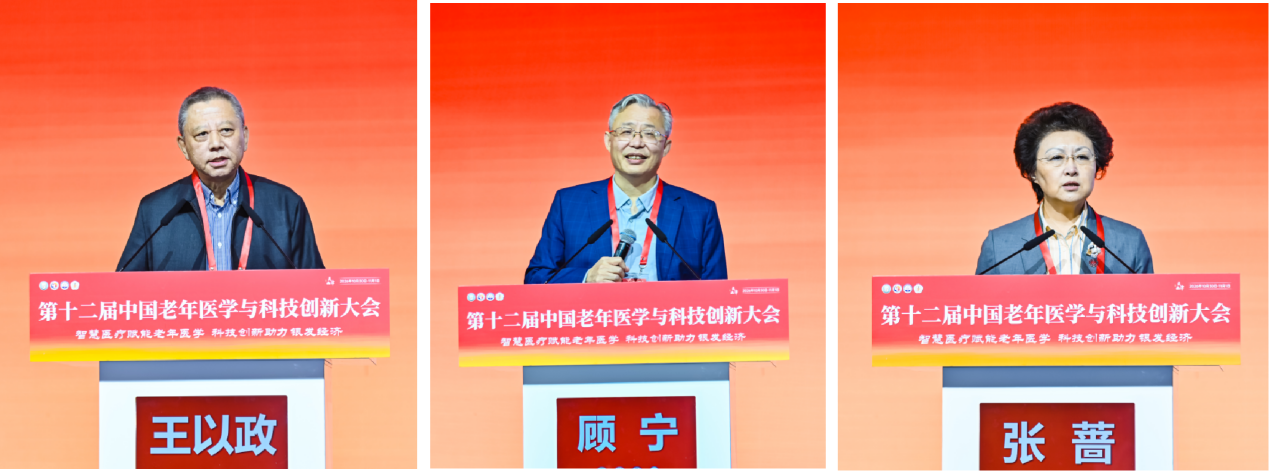
As the core academic section of the conference, the keynote forum focuses on the cutting-edge hotspots in geriatrics. Professor Wang Yizheng, Professor Gu Ning, Professor Zhang Qiang and others respectively delivered academic reports on major topics such as the diagnosis of Alzheimer's disease, vascular information and health engineering, and continuous medical care for the elderly. President Fu Xiaobing had an in-depth exchange with the participants on the prevention and treatment of elderly trauma in the aging era. The 18 sub-forums set up by the conference comprehensively cover multiple directions such as perioperative management of the elderly, comorbidities and care of chronic diseases, wound repair, disability reduction after cerebrovascular stroke, inheritance of traditional Chinese medicine, digestion, rheumatology and immunity, electrocardiogram and cardiac function, pharmaceutical affairs management, and health management, effectively breaking down the barriers between clinical practice, scientific research and industry. It fully demonstrated the academic leadership and the vitality of collaborative innovation among industry, academia and research of the conference.
At the opening ceremony of the conference, the 2026 Scientific and technological Achievements Release Ceremony was held, and the society released the latest scientific and technological achievements of this year in a concentrated manner. These achievements were formed through collaborative efforts by experts from multiple disciplines organized by the society, covering various types such as recommended health industry standards, expert consensuses, and group standards. The release of the achievements marks a solid step forward for the society in promoting the homogenization and standardization of geriatric medical services and facilitating the replication and promotion of high-quality experiences, aiming to provide strong standard support for enhancing the overall medical and service levels.
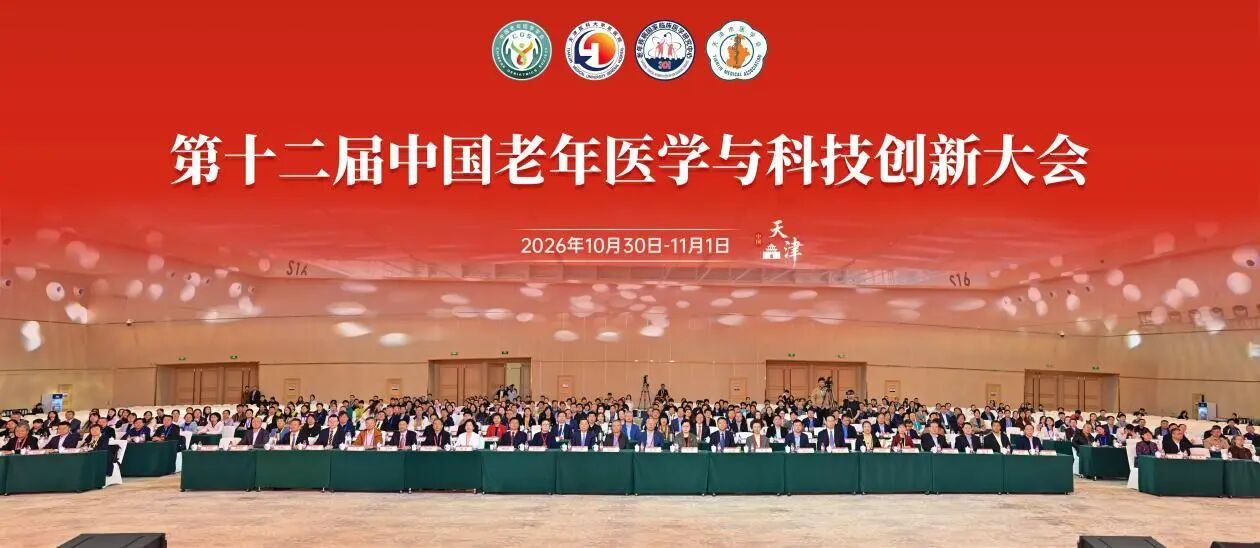
The experts attending the conference unanimously agreed that the successful holding of this conference has further consolidated the innovative synergy in geriatric medicine and promoted the deep integration of smart healthcare and the silver economy. The Chinese Society of Geriatrics will always adhere to the principle of academic research as the foundation and serve the national overall situation with the power of science and technology. It will shoulder the professional responsibility of an academic group in the national strategy of actively responding to population aging and continuously contribute the strength of geriatrics to the construction of a Healthy China.