
The "Integration and Innovation · Precise Infection Control: New Progress in Infection Prevention and Control for the Elderly in 2026" Theme Conference was successfully held
In the golden autumn of October, academic research resumes. On October 31st, at the 12th China Geriatrics and Science and Technology Innovation Conference, the 2026 New Progress in Infection Prevention and Control among the Elderly Theme Conference was successfully held. This conference, themed "Integration and Innovation · Precise Infection Control", brought together over 100 full-time and part-time hospital infection management personnel, hospital administrators, medical staff from key departments, and related professionals to conduct in-depth exchanges on the latest progress and clinical practice in infection prevention and control among the elderly.
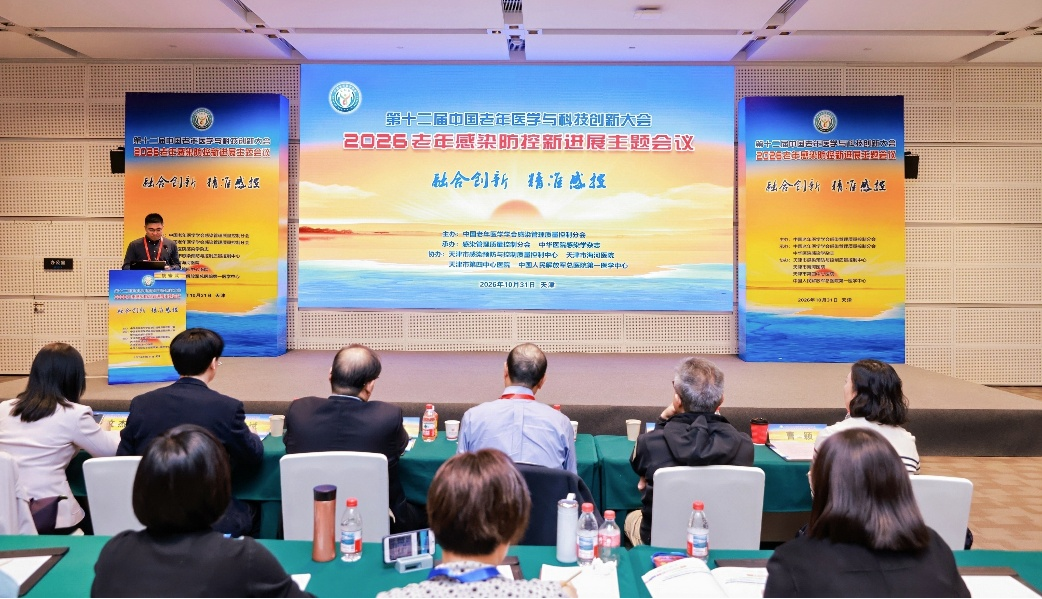
This conference is hosted by the Infection Management Quality Control Branch of the Chinese Geriatrics Society and jointly organized with the Chinese Journal of Nosocomial Infections. It is co-organized by the Tianjin Infection Prevention and Control Quality Control Center, Tianjin Haihe Hospital, Tianjin Fourth Central Hospital, the First Medical Center of the PLA General Hospital and other units. The conference featured six special reports and Q&A discussion sessions. The agenda was tight and the content was practical, creating a strong academic atmosphere on site.
Six reports directly address the hot topics in elderly infection control
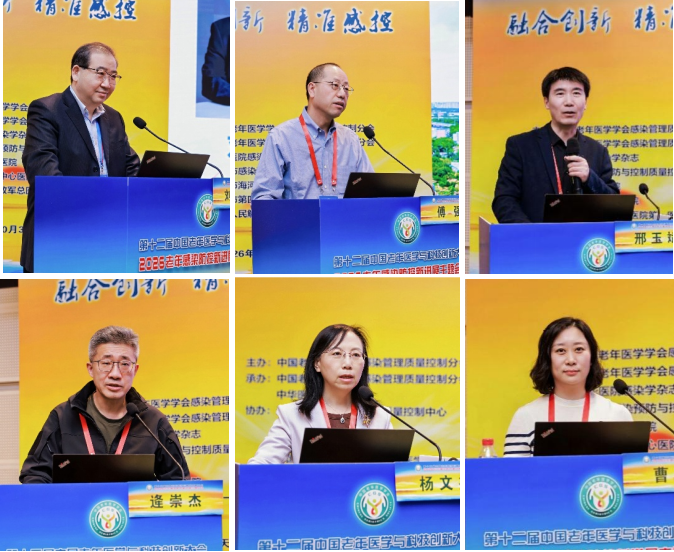
The meeting closely focused on key issues related to the prevention and control of infections among the elderly and hospital infection management, and invited six experts to give special reports. Professor Liu Yunxi, vice president of the Chinese Geriatrics Society and from the First Medical Center of the PLA General Hospital, shared his insights on "How Medical Institutions Should Respond to Candida auris Infections and Outbreaks", and based on infection prevention and control practices, he sorted out the key links in responding to and handling Candida auris infections and outbreaks. Professor Fu Qiang from Tianjin Haihe Hospital delivered a presentation titled "The Application of Artificial Intelligence in Hospital Infection Management", introducing the application prospects and practical exploration of artificial intelligence technology in hospital infection management. Professor Xing Yubin from the First Medical Center of the PLA General Hospital interpreted the key points of the revision of the "Technical Standard for Cleaning and Disinfection of Flexible Endoscopes", providing guidance for standardizing the cleaning and disinfection work of flexible endoscopes.
Subsequently, Professor Pang Chongjie from the General Hospital of Tianjin Medical University delivered a report titled "Advances in the Diagnosis and Treatment of Drug-Resistant Pseudomonas aeruginosa", focusing on the difficulties and latest progress in the diagnosis and treatment of drug-resistant bacteria. Professor Yang Wenjie from Tianjin First Central Hospital shared his insights on "Key Points for the Prevention and Treatment of Pneumonia in the Elderly", and proposed prevention and treatment ideas based on the characteristics of elderly patients. Professor Cao Ying from Tianjin Fourth Central Hospital delivered a presentation titled "48 Hours after Catheter Removal - Thoughts on Urinary Tract Infections after Catheter Removal", delving into clinical details to explore the prevention and management of catheter-related urinary tract infections. The report not only covers the cutting-edge technologies in infection prevention and control but also closely follows the key and difficult points in infection prevention and control among the elderly and clinical practice.
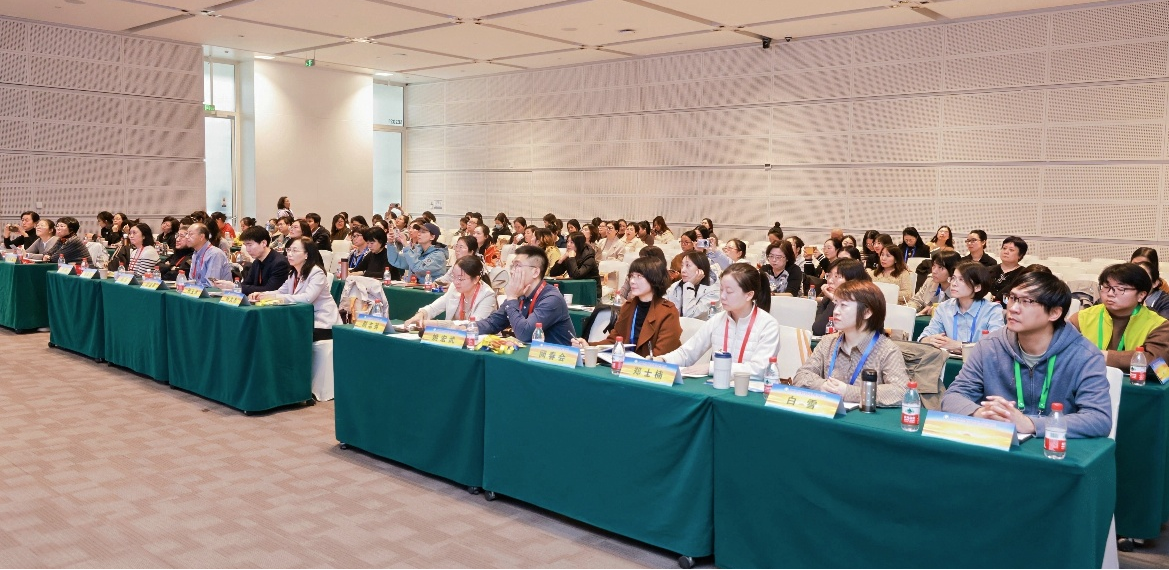
The discussion was lively, and a consensus on precise infection control was reached
During the Q&A and discussion session, the participants actively raised questions regarding the report content and practical clinical issues, and the experts responded and answered them one by one. Through special reports and discussion exchanges, the participants further deepened their understanding of the new progress, new standards and new technologies in the prevention and control of infections among the elderly, and also provided useful references for subsequent clinical practice and quality control work.
This conference has established a practical and efficient academic exchange platform for the field of infection prevention and control among the elderly, further promoting the sharing of experience in infection management quality control and multi-disciplinary communication. In the future, the Elderly Infection Control Branch will continue to focus on the precise, standardized and intelligent development of elderly infection prevention and control, promote the transformation of academic achievements into clinical practice results, and contribute infection control strength to improving the quality control level of elderly infection management and promoting the construction of a Healthy China.
Prev
Inheritance, Innovation and Development - Digestion Facilitates Healthy Aging: The 12th China Geriatrics and Science and Technology Innovation Conference Gastroenterology Branch Forum and the Third Committee Re-election Conference of the Gastroenterology Branch Concluded successfully
Next
Letter of Discussion on Supporting the "12th China Geriatrics and Science and Technology Innovation Conference" Organized by the Chinese Geriatrics Society