
Gathering the power of geriatrics to jointly create a healthy future for the Elderly - The 11th China Geriatrics and Science and Technology Innovation Conference was Successfully Held
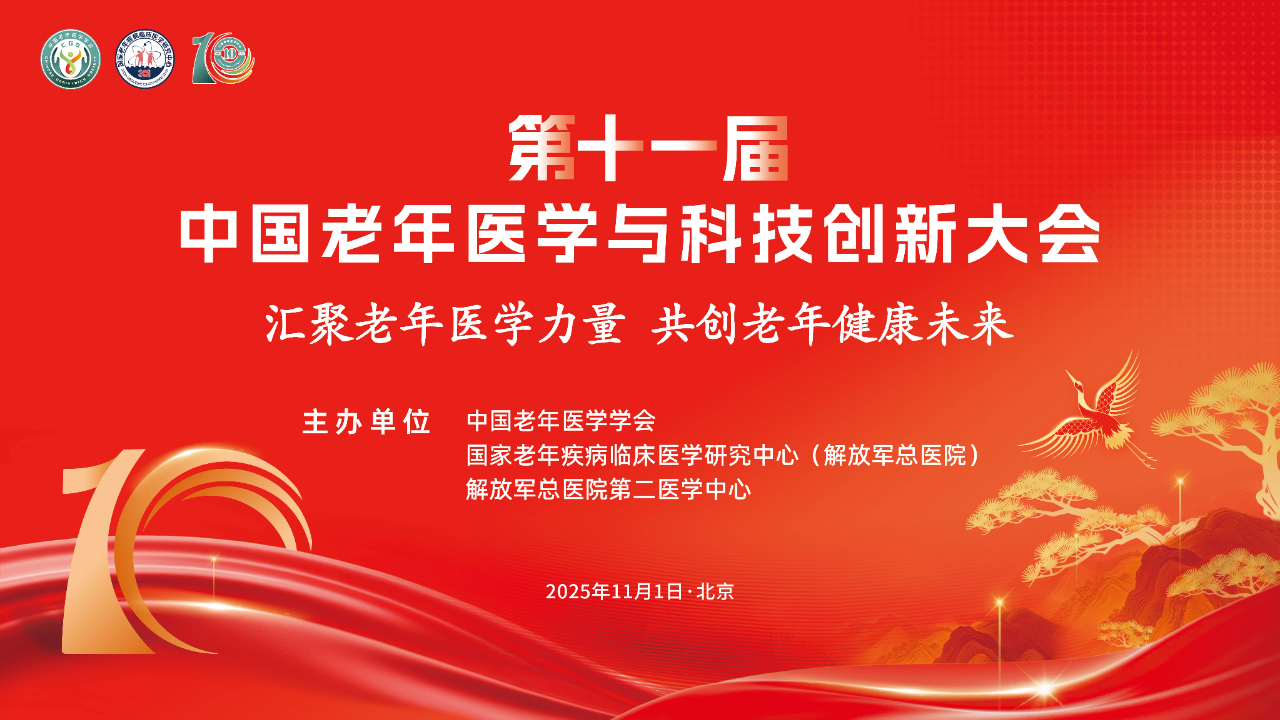
On November 1, 2025, the "11th China Geriatrics and Science and Technology Innovation Conference" was grandly held in Beijing, jointly organized by the Chinese Geriatrics Society and the National Clinical Medical Center for Geriatric Diseases (PLA General Hospital). This conference, with the theme of "Gathering the Power of Geriatric Medicine to Jointly Create a Healthy Future for the Elderly", adheres to the development concept of "clinical first", closely follows the national strategy of actively responding to population aging, focuses on the key issues of innovative development in geriatric medicine, and builds an efficient platform for academic exchanges, experience sharing and technological exploration within the field Contribute professional strength to the full implementation of the national strategy of positive aging and healthy aging. The conference invited government leaders, academicians of the Chinese Academy of Sciences and the Chinese Academy of Engineering, and authoritative experts to have in-depth exchanges. Over 1,200 industry scholars attended the conference, and tens of thousands of people participated online.
Warm-up Memories of the Past Decade: Light and Shadow Capture the resounding footprints of Discipline Development
At the beginning of the meeting, a carefully crafted warm-up video kicked off the conference. The video, titled "Benevolent Heart in Old Age, Gathering Memories Together", serves as a dynamic presentation of the society's ten-year anniversary album, systematically reviewing the society's development journey and rich achievements over the past ten years. From the foundation of discipline construction to the breakthroughs in clinical research, from the in-depth cultivation of talents to the extension of social services, the interplay of light and shadow vividly demonstrated the leapfrog development of geriatric medicine in China over the past decade, evoking deep resonance among all the guests present.
Guest Speech: High-level guidance for development direction
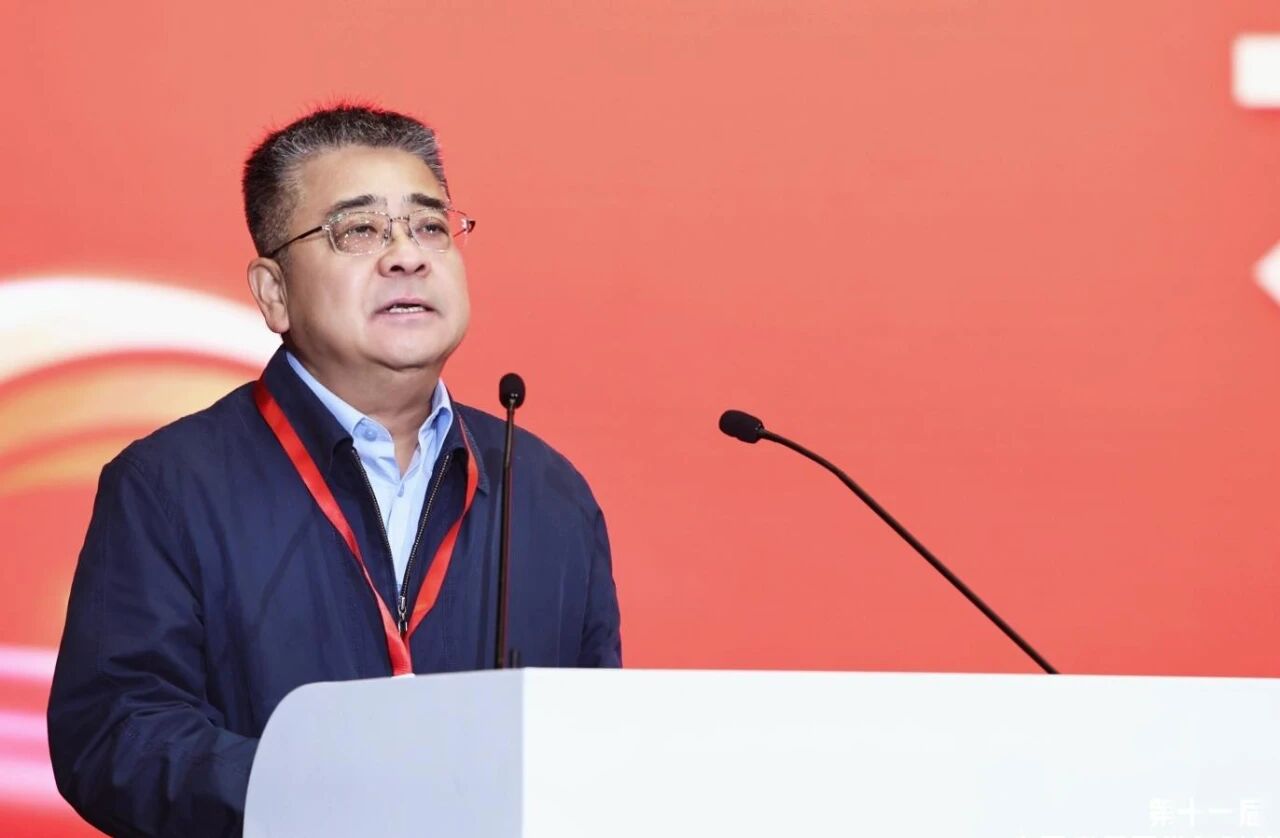
Director Qin Geng of the Department of Aging Health of the National Health Commission, based on the national health strategy, focused on the policies and implementation paths of aging health, and deeply interpreted the key tasks and support directions of the current aging health work in China, providing important policy guidance for academic societies and industry institutions to promote the development of geriatric medicine.
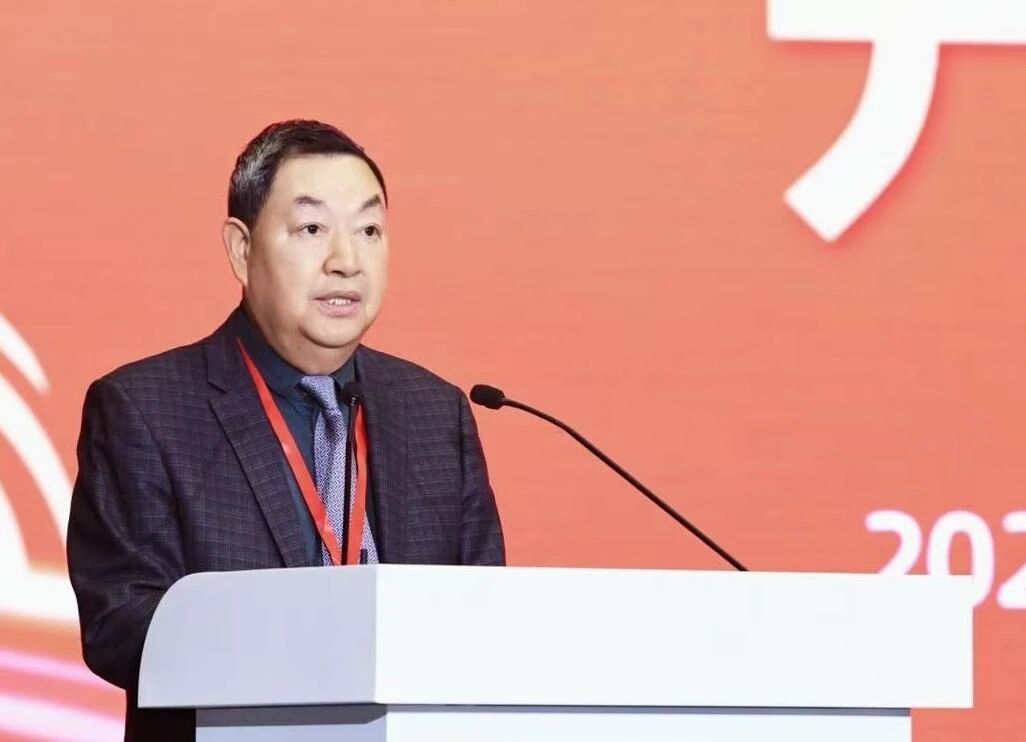
Professor Fu Xiaobing, the chairperson of the conference, an academician of the Chinese Academy of Engineering and honorary president of the Chinese Society of Geriatrics, delivered a welcoming speech. As a leading scholar in the field of geriatrics in China, Academician Fu reviewed the development process of the society and the discipline from a broad perspective. At the same time, he looked forward to the future and clearly put forward the core direction of promoting the "deep integration of disciplinary innovation and clinical practice", emphasizing the use of scientific and technological innovation to solve key problems in the field of elderly health.
Vice President Zhou Dengfeng of the General Hospital of the People's Liberation Army, from the perspectives of clinical frontline and hospital management, emphasized the concept of "equal emphasis on scientific research innovation and medical services", demonstrating the hospital's sense of responsibility and solid support in the field of geriatrics. He proposed to further transform the hospital's advantageous resources into the driving force for discipline development and health services.
Review and Report: Summarize the Past and Outline a New Chapter for the discipline
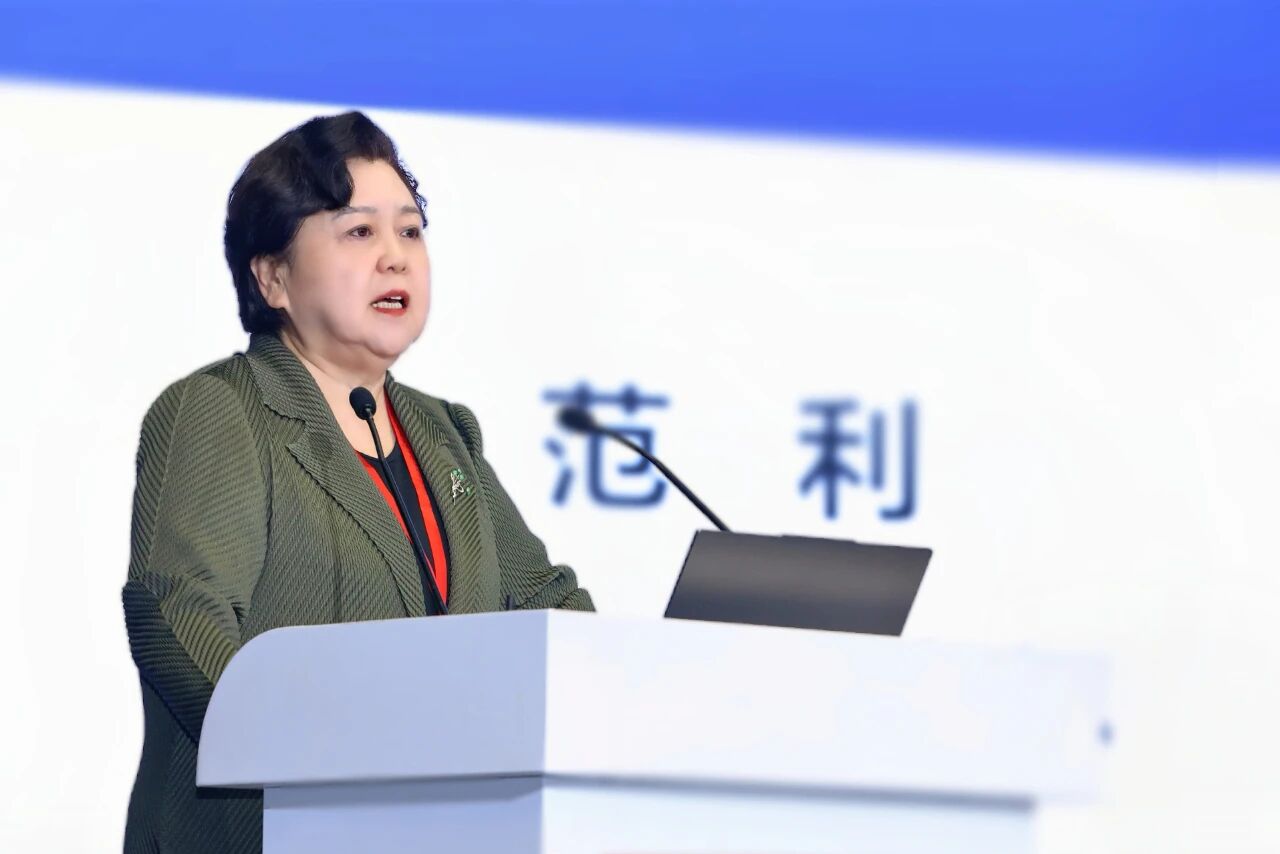
Professor Fan Li, the president of the Chinese Society of Geriatrics, systematically reviewed the development of China's aging cause and the society over the past decade in his report, and summarized the major innovative achievements carried out in cooperation between the society and the National Clinical Research Center for Geriatric Diseases. She pointed out that these ten years have been a period of continuous development and innovation for the society, as well as a decade that has laid a solid foundation for the construction of the geriatric medicine discipline. In the next step, the society will continue to closely follow the national strategy, actively fulfill its social responsibilities, and constantly promote the transformation of medical clinical technology and the application of appropriate technologies for elderly health, so as to better safeguard the health and well-being of hundreds of millions of elderly people.
In addition, the screening of the special video "Writing a New Chapter in Geriatrics - The Ten-Year Journey of the Chinese Geriatrics Society" led everyone to review every wonderful moment of the society's development, filling everyone with information and hope for the society's future development.
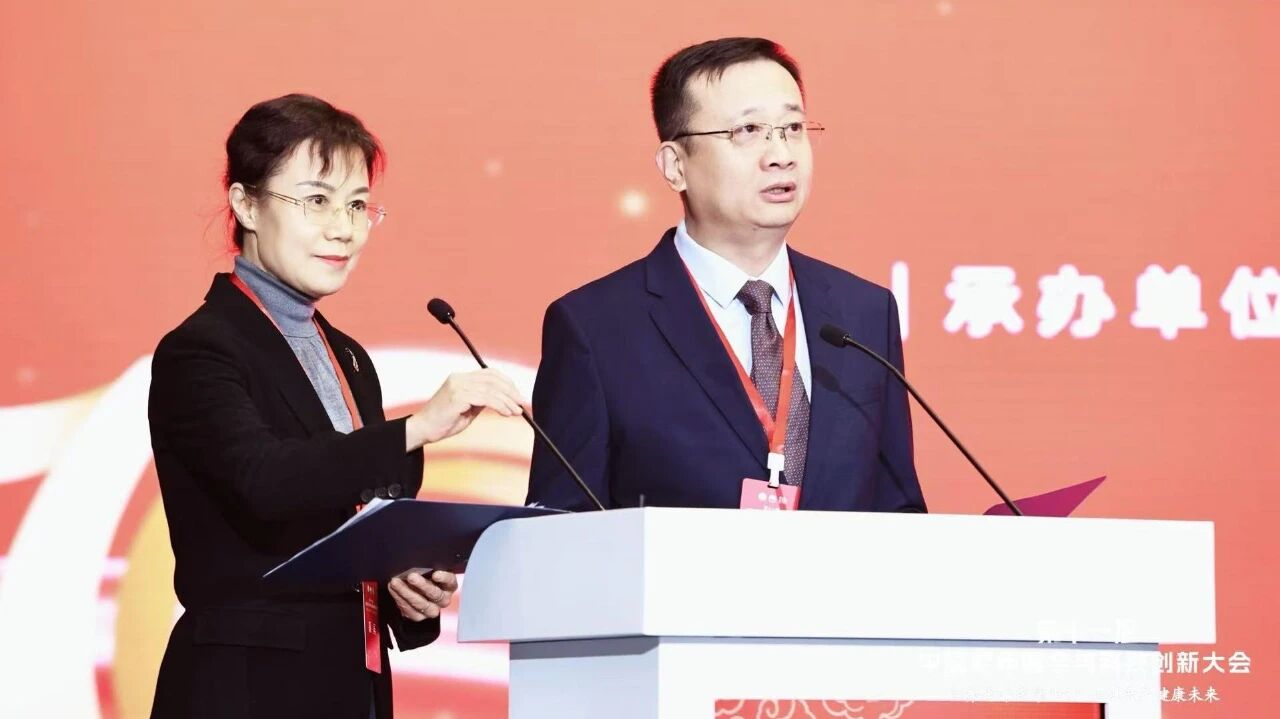
Xu Xiaodong, vice president and secretary-general of the Chinese Society of Geriatrics, and Liu Liang, director of the Second Medical Center of the PLA General Hospital, jointly presided over the opening ceremony.
Keynote Report: Led by Academicians and experts, Focusing on cutting-edge Innovation
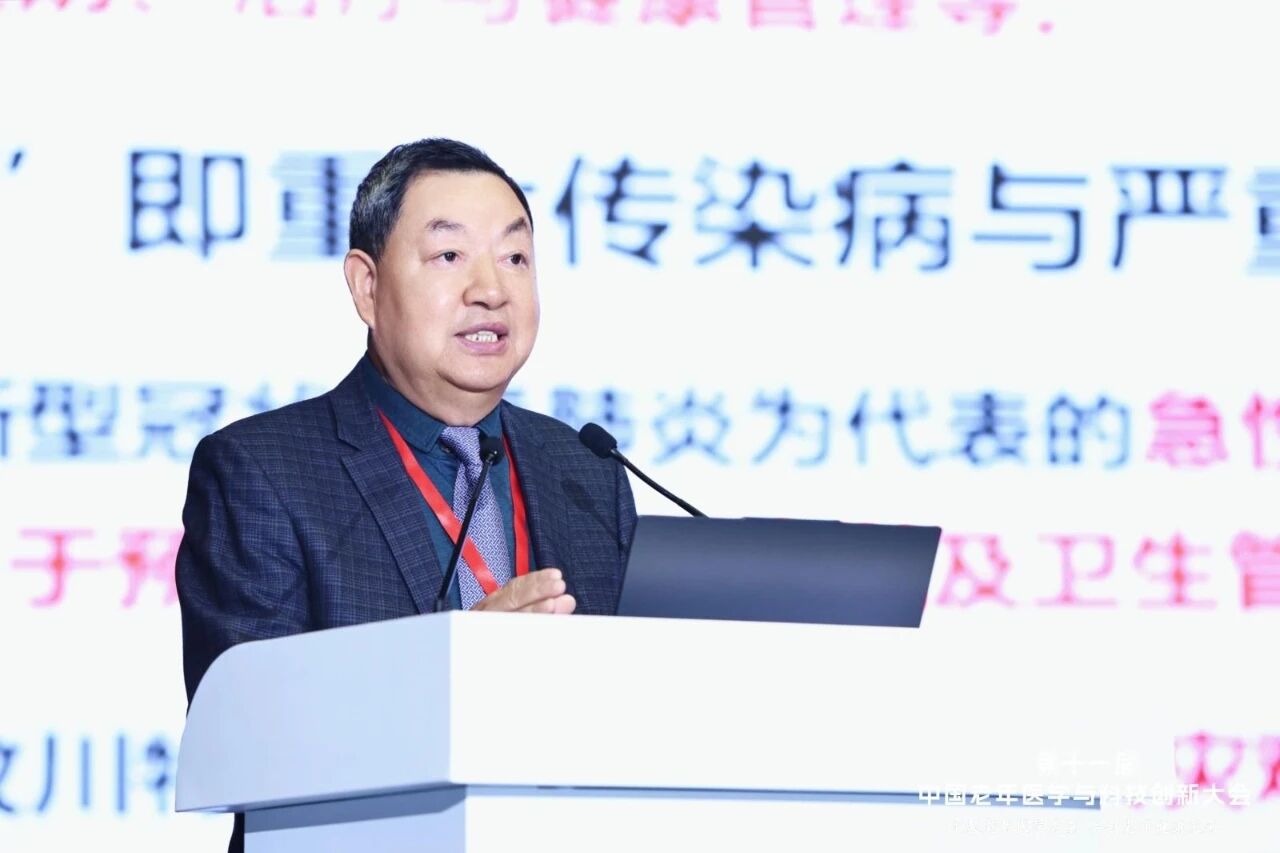
Academician Fu Xiaobing delivered a keynote speech
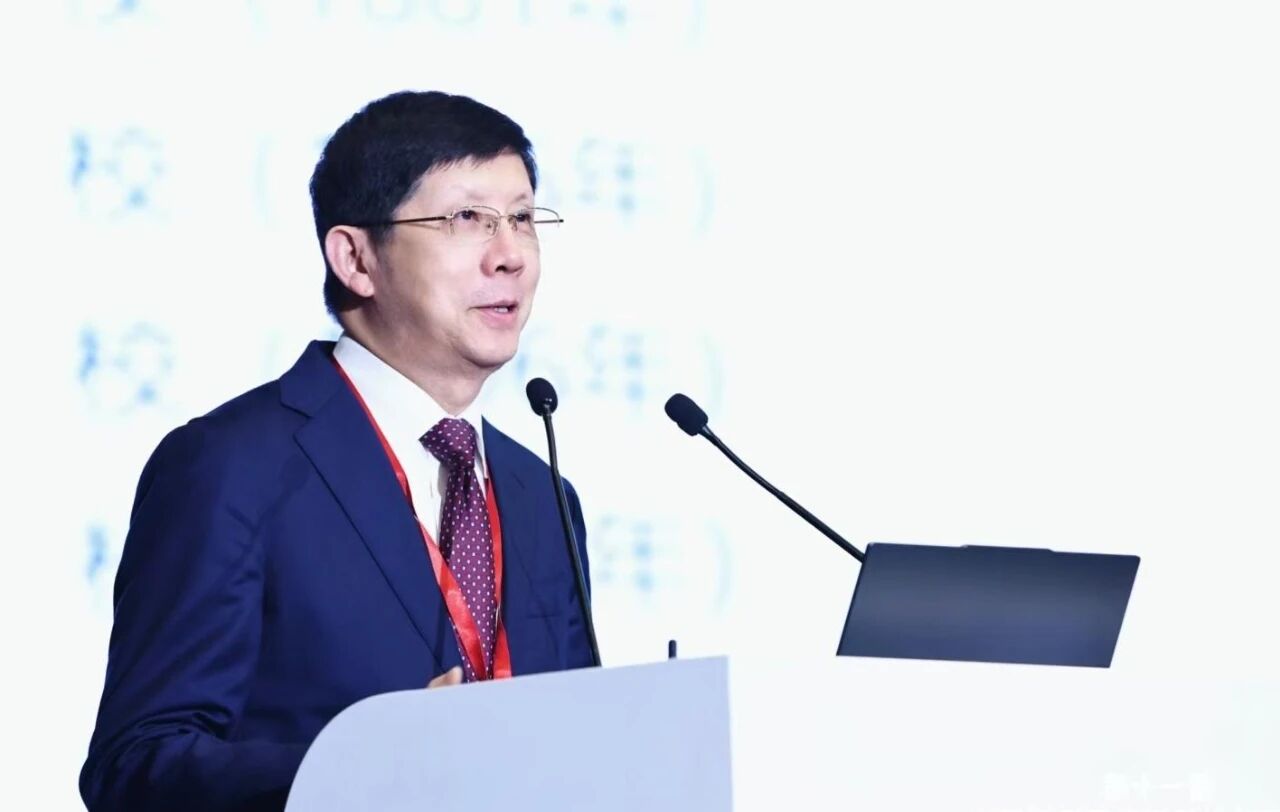
Academician Wang Jian 'an delivered a keynote speech
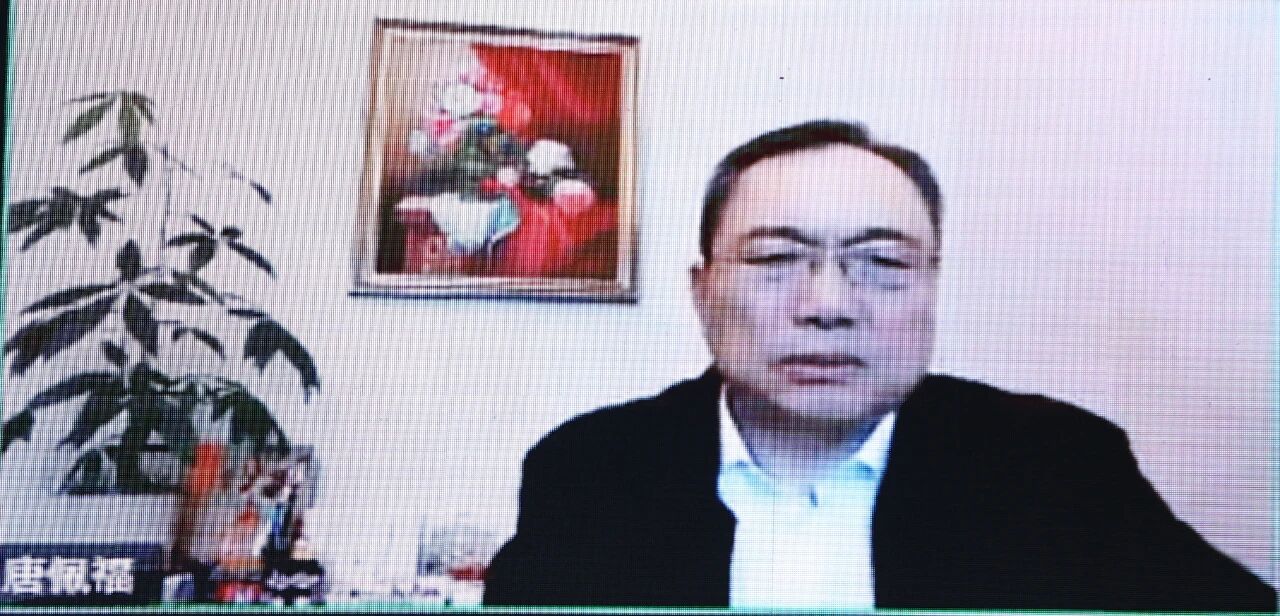
Academician Tang Peifu delivered a keynote speech
The keynote report session of the conference brought together top domestic experts to conduct in-depth sharing on the cutting-edge hotspots and key technologies in the field of geriatrics. Academician Fu Xiaobing, under the title of "Putting People at the Center: Establishing an Advantageous Discipline in Elderly Wound Repair and Treatment", discussed the discipline construction and clinical breakthroughs in the field of elderly wound repair. Professor Wang Jian 'an, an academician of the Chinese Academy of Sciences and from Zhejiang University, focused on "Advances in Interventional Therapy for Cardiovascular Diseases in the Elderly", sharing the latest technological achievements and clinical application experiences in this field. Professor Tang Peifu, an academician of the Chinese Academy of Engineering and from the General Hospital of the People's Liberation Army, delivered a speech under the theme of "Technology Leadership, Facilitating Silver Health - Innovative Exploration and Clinical Application in the Treatment of Fractures in the Elderly", demonstrating the practical value of technological innovation in the treatment of fractures in the elderly.
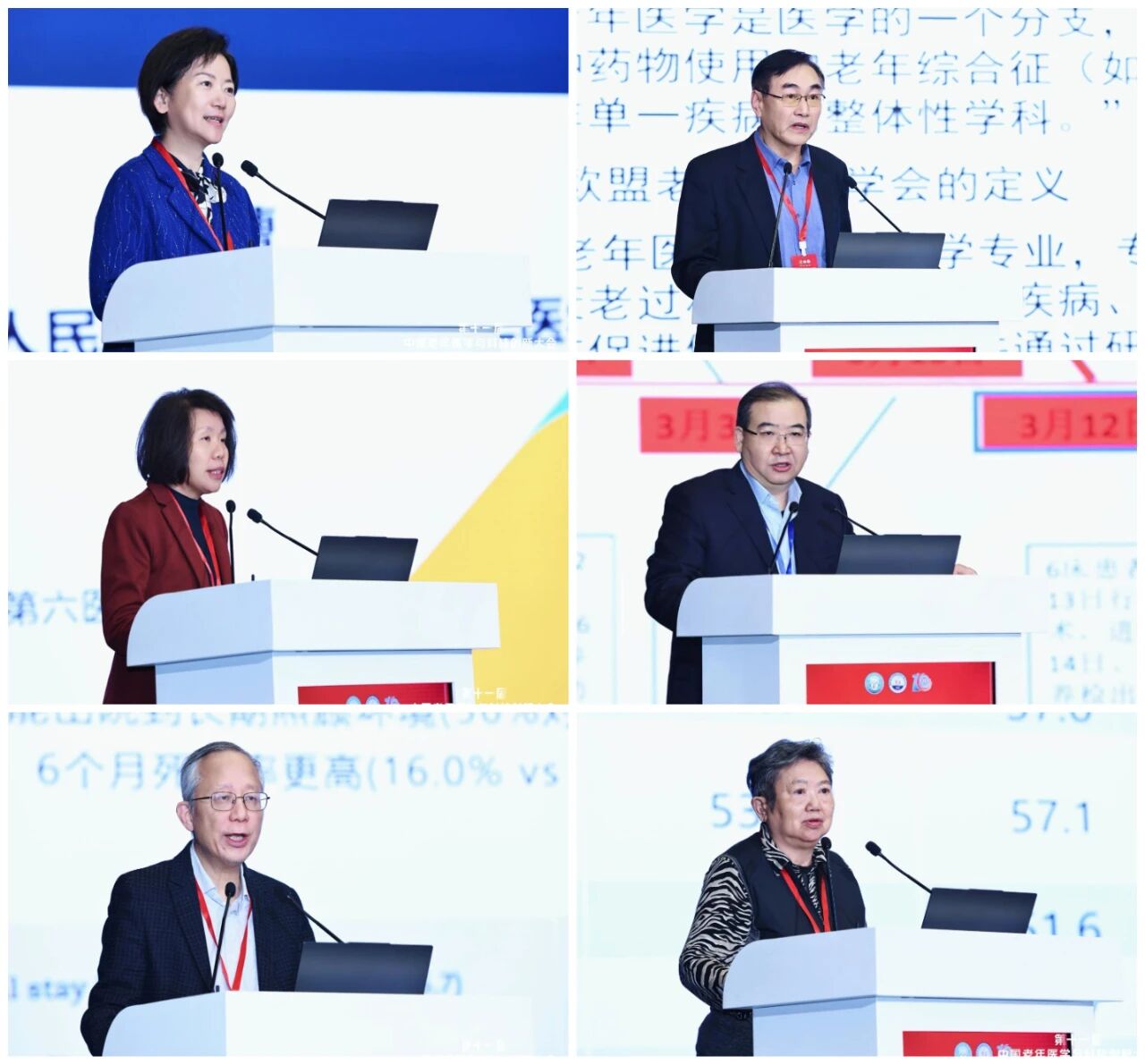
In addition, Professor Cao Feng, Vice President of the Chinese Geriatrics Society and Director of the National Clinical Research Center for Geriatric Diseases (PLA General Hospital), delivered a report on "Clinical Research on AI-Assisted High-Risk Screening for Cardiovascular and Cerebrovascular Diseases in the Elderly", and Professor Chen Zheng, Vice President of the Chinese Geriatrics Society, gave a report on "Current Situation and Development of Comprehensive Geriatric Assessment". Professor Wang Huali from Peking University Sixth Hospital delivered a report on "Research Progress in Mental Health Services for the Elderly", Professor Liu Yunxi from the General Hospital of the People's Liberation Army presented on "Key Technological Innovations and Applications of AI Early Warning for Infection Cluster Outbreak Risks in Medical Institutions", and Professor Yan Jing from Zhejiang Hospital gave a presentation on "Elderly Critical Care: Professor Hua Qi from Xuanwu Hospital in Beijing delivered a report titled "Challenges, Strategies and the Future" on "New Trends in Hypertension Prevention and Treatment as Seen from the Latest Domestic and International Guidelines", covering the innovative directions in multiple disciplines of geriatrics. This presented a high-level academic feast to the participants, highlighting the profound accumulation and innovative vitality of geriatrics in China in both clinical and research fields.
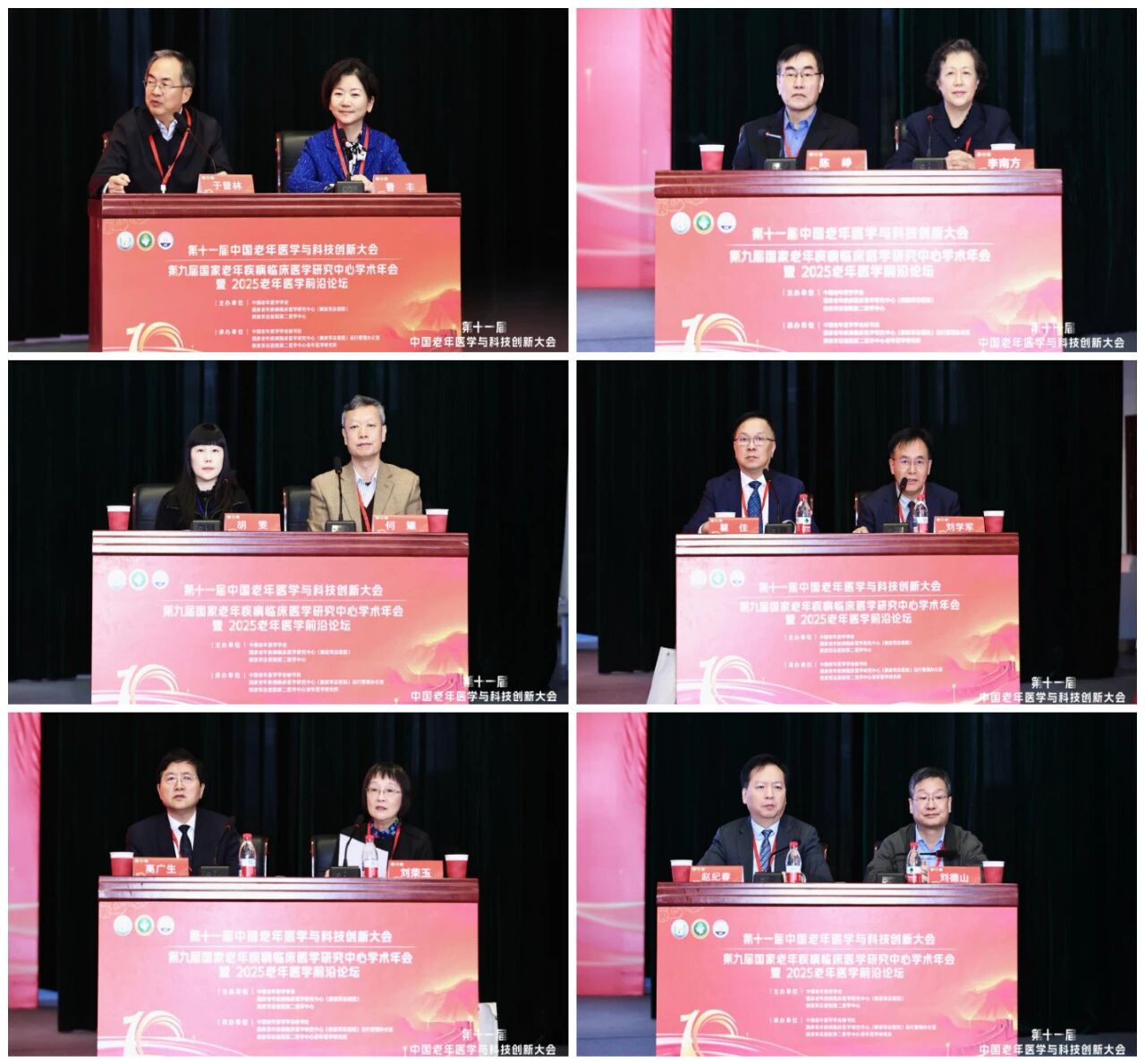
Professor Yu Pulin, Vice President of the Chinese Society of Geriatrics; Professor Li Nanfang, Vice President of Xinjiang Autonomous Region People's Hospital; Professor He Yao, Director of the Expert Committee and General Hospital of the People's Liberation Army; Professor Hu Wen, Vice President of West China Hospital of Sichuan University; Professor Liu Xuejun, Vice President of Shanxi Society of Geriatrics; Professor Qu Jia, Vice President of Wenzhou Medical University; Professor Liu Rongyu, Vice President of Anhui Medical University Professor Gao Guangsheng, Vice president of Heilongjiang Geriatrics Society, Professor Liu Deshan, Vice president of Shandong Geriatrics Society, and Professor Zhao Jichun, President of the Peripheral Vascular Disease Management Branch and from West China Hospital of Sichuan University, successively presided over the event.
Roundtable Forum: Unite and Move Forward Together to Explore New Paths for Development
The conference has set up two high-level roundtable forums, inviting academic leaders from well-known domestic hospitals to engage in dialogue on key topics.
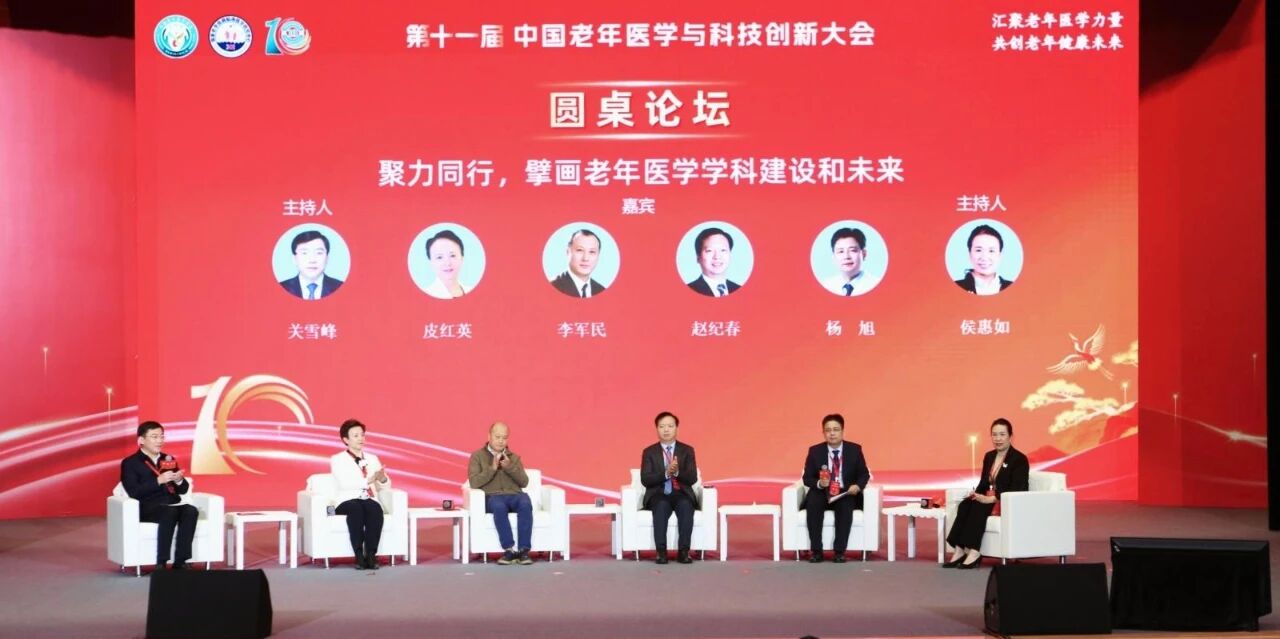
The forum "Unite and Move Forward Together, Envisioning the Construction and Future of Geriatric Medicine Discipline" was hosted by Professor Guan Xuefeng, Vice President of the Society and from Shenyang Pharmaceutical University, and Professor Hou Huiru, Vice President of the General Hospital of the People's Liberation Army. Professor PI Hongying, President of the Medical Care Branch and from the General Hospital of the People's Liberation Army, and Professor Li Junmin, President of the Hematology Branch and from Ruijin Hospital in Shanghai, were also present. Professor Zhao Jichun, the president of the Peripheral Vascular Disease Management Branch and from West China Hospital of Sichuan University, and Professor Yang Xu, the president of the Vertigo/Vestibular Medicine Branch and from Peking University First Hospital, had an in-depth discussion on issues such as the core elements of discipline construction, cross-institutional collaboration mechanisms, and talent team cultivation, offering suggestions for the high-quality development of the geriatric medicine discipline.
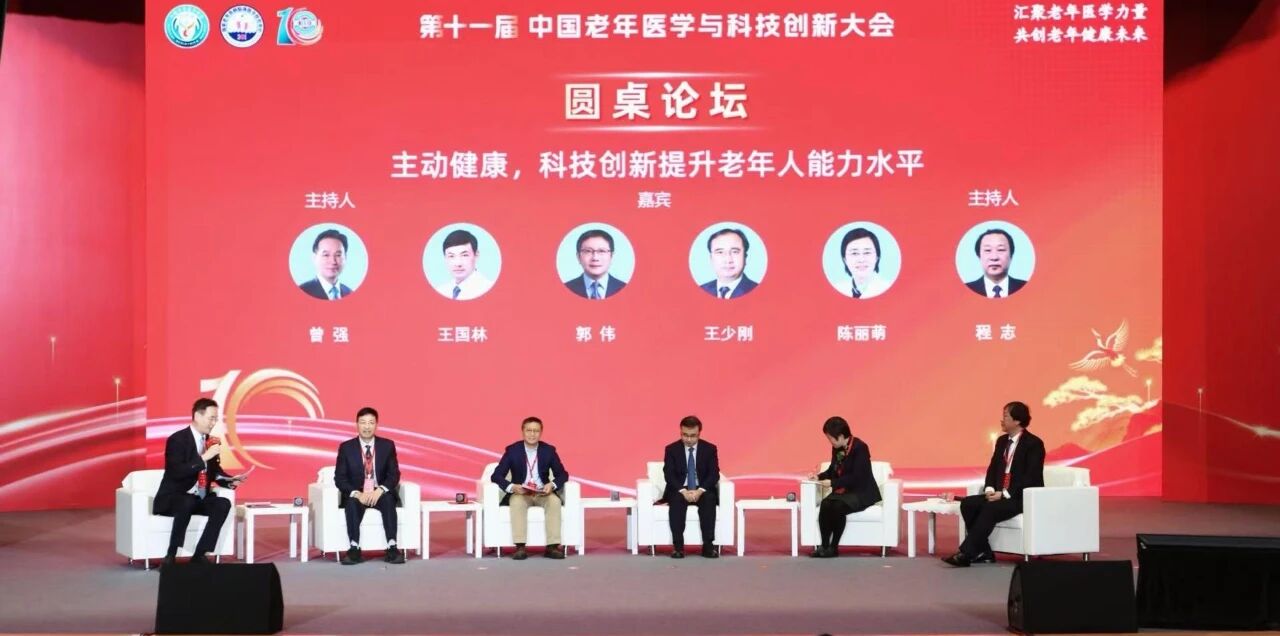
The forum on "Proactive Health: Technological Innovation to Enhance the Capacity of the Elderly" focused on the concept of proactive health. It was hosted by Professor Zeng Qiang, deputy director of the Expert Committee of the Society and from the General Hospital of the People's Liberation Army, and Cheng Zhi, vice president of the Society. Professor Wang Guolin, president of the Anesthesiology Branch and from the General Hospital of Tianjin Medical University, and Professor Guo Wei, president of the Emergency Medicine Branch and from Beijing Hospital of Traditional Chinese Medicine, were also present. Professor Wang Shaogang, the president of the Urology Branch and from Tongji Hospital in Wuhan, and Professor Chen Limeng, the president of the Nephrology Branch and from Peking Union Medical College Hospital, exchanged views on topics such as how scientific and technological innovation can empower the health management and disease prevention of the elderly and improve their quality of life, and put forward a series of practical ideas and methods.
Awarding ceremony: Expand the training network to strengthen talent support
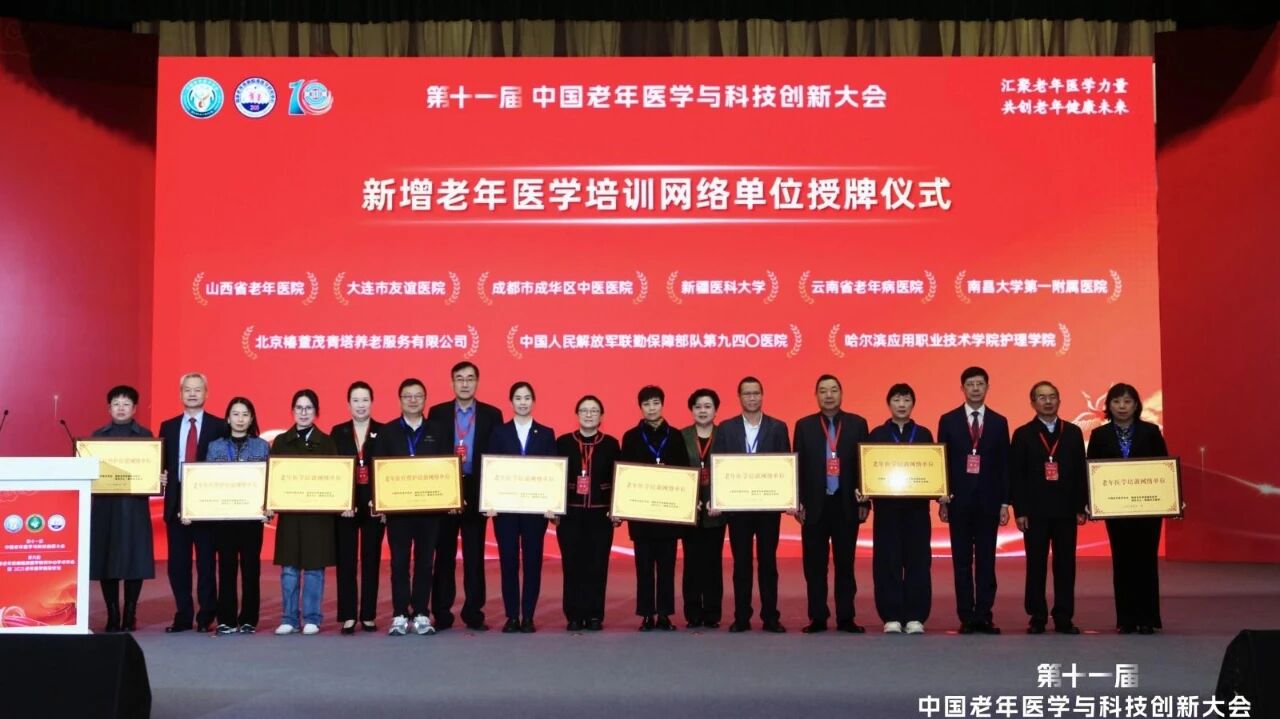
During the conference, the Chinese Society of Geriatrics awarded the title of "Geriatric Medicine Training Network Unit" to nine units including Shanxi Provincial Geriatric Hospital. The addition of the fourth batch of units this time will further optimize the national training network layout, strengthen the support of geriatric medical talents, and provide more professional forces for the grassroots level.
The conference concluded: Consensus was reached to embark on a new journey
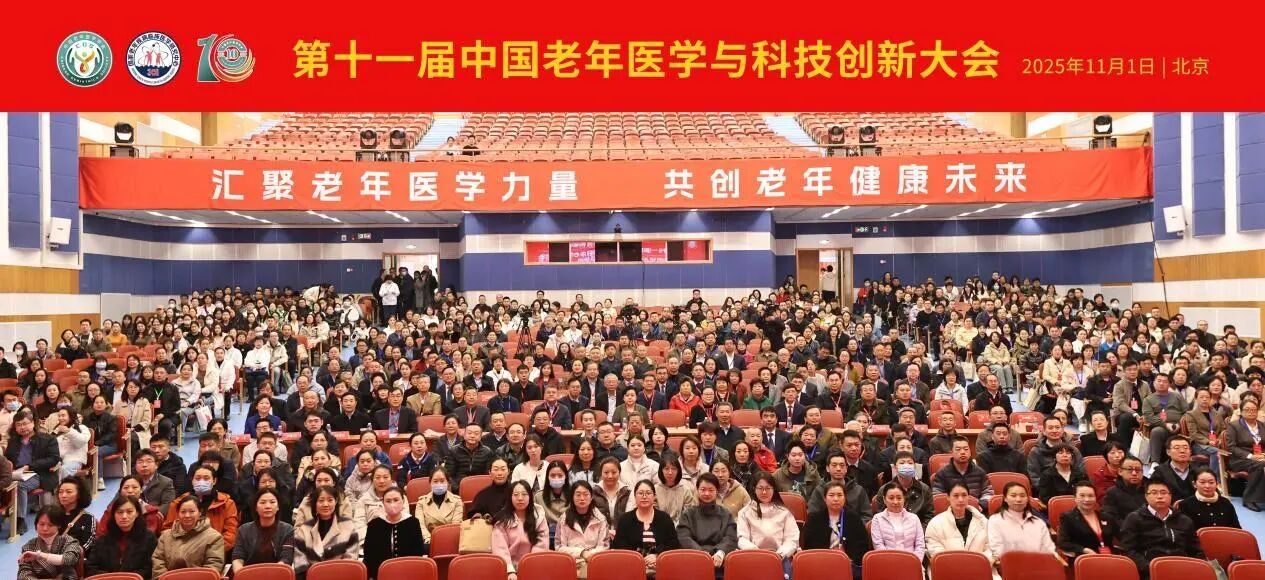
The 11th China Geriatrics and Science and Technology Innovation Conference, which lasted for one day, came to a successful conclusion in a warm academic atmosphere. This conference not only established a high-end platform for academic exchange and resource connection, but also reached broad consensus on the construction of geriatric medicine discipline and the application of scientific and technological innovation. The conference conveyed cutting-edge concepts through keynote speeches and sparked intellectual exchanges through roundtable forums, thus pointing out a clear path for the innovative development of geriatric medicine. The participants all expressed that the content of this conference was both profound and high-level. They not only appreciated the academic wisdom of top experts but also gained practical experience that could be put into practice. Taking this conference as an opportunity, the Chinese Society of Geriatrics will continue to promote scientific research innovation, clinical transformation and talent cultivation in geriatrics, strengthen cross-disciplinary cooperation and the implementation of grassroots services, and contribute more to achieving the goals of a positive view of aging and healthy aging. It is believed that with the concerted efforts of all parties, China's geriatric medicine industry will move towards a higher-quality development stage.