
Pooling wisdom to solve the problem of comorbidities in the elderly! The 10th multidisciplinary case discussion salon was successfully held
Recently, the 10th multidisciplinary case discussion salon on the diagnosis and treatment of comorbidities in the elderly of the National Clinical Research Center for Geriatric Diseases of the PLA General Hospital was successfully held. This conference focused on the difficulties in the diagnosis and treatment of comorbidities in the elderly, gathering top experts in the field of geriatrics across the country. Through a multi-disciplinary collaboration model, it aimed to solve clinical problems, injecting new impetus into the high-quality development of geriatrics. It attracted the participation of many experts in geriatrics and related fields from all over the country.
Experts gathered to pool their wisdom and discuss the path of diagnosing and treating comorbidities
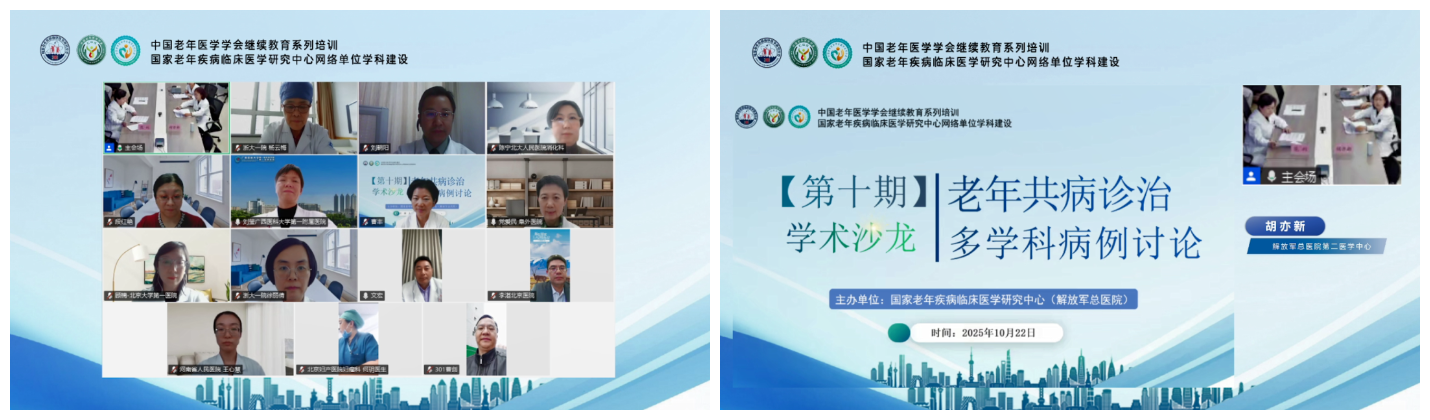
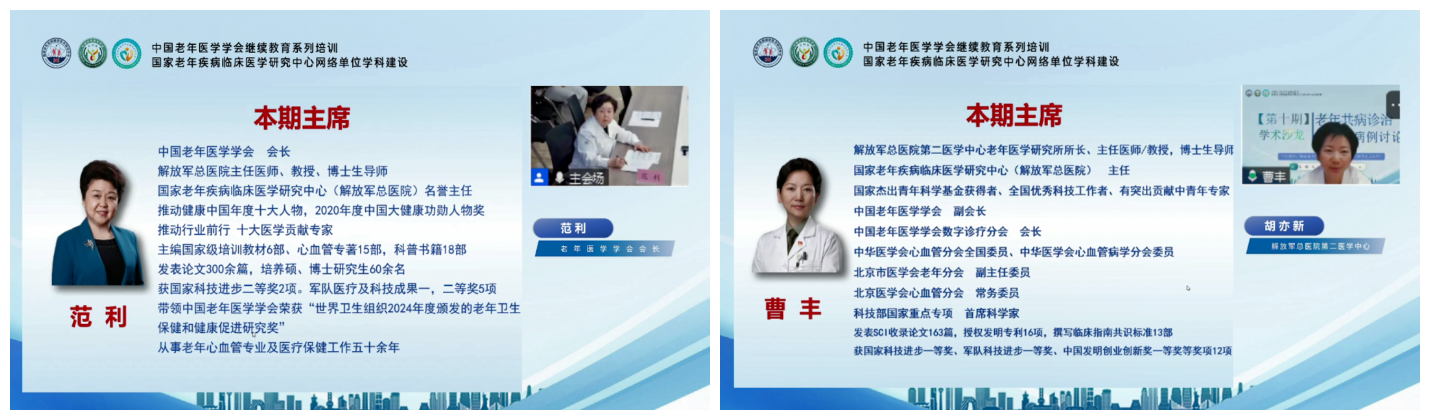
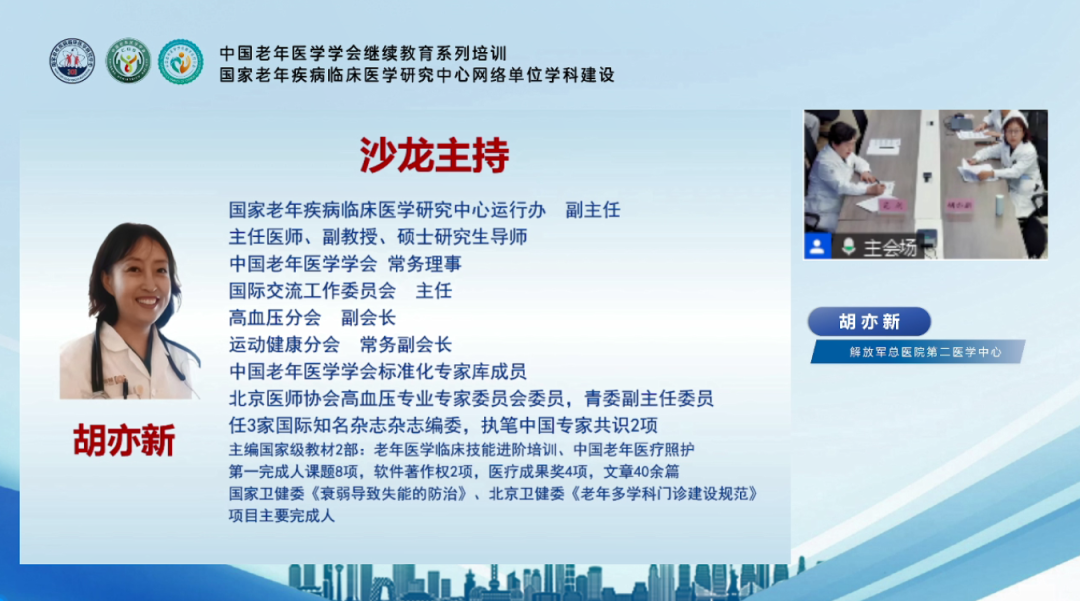
This salon specially invited President Fan Li of the Chinese Society of Geriatrics and Director Cao Feng of the National Clinical Research Center for Geriatric Diseases to serve as the chairpersons of this session. Professor Hu Yixin from the research center was the host of the salon, and more than 200 members of the collaborative network units participated in the live broadcast online.
President Fan Li first delivered the opening speech and pointed out that the case discussion salon provides a valuable communication platform for geriatric medicine workers. Through in-depth analysis of typical cases, it can effectively promote the implementation and practice of the concept of multi-disciplinary collaboration, which is of great significance for improving the comprehensive diagnosis and treatment level of comorbidities in the elderly in our country.
Three cases share experience, focusing on comorbidities to solve difficult problems
Through in-depth analysis of three typical cases and interdisciplinary discussions, the salon provided a precise and individualized practical model for the management of comorbidities in the elderly, effectively promoting the in-depth application of the multi-disciplinary collaborative diagnosis and treatment model in the field of geriatrics.
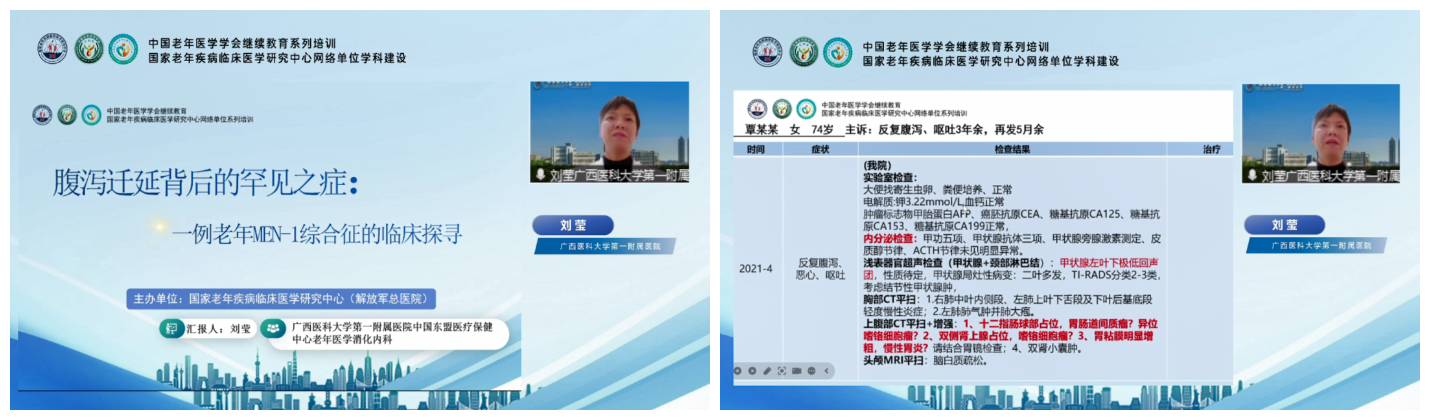
Doctor Liu Ying from the First Affiliated Hospital of Guangxi Medical University presented a case sharing titled "The Rare Syndrome Behind Persistent Diarrhea", focusing on a 74-year-old elderly patient who had experienced repeated diarrhea and vomiting for over three years. Through multiple rounds of differential diagnosis, the patient was ultimately diagnosed with multiple neurosecretory adenomatosis type 1 (MEN-1 syndrome). This case demonstrates the concealment and complexity of the clinical manifestations of MEN-1 syndrome in the elderly, emphasizes the importance of identifying hereditary rare diseases in elderly patients, and highlights the core role of multidisciplinary collaboration in making a clear diagnosis and formulating individualized treatment plans.
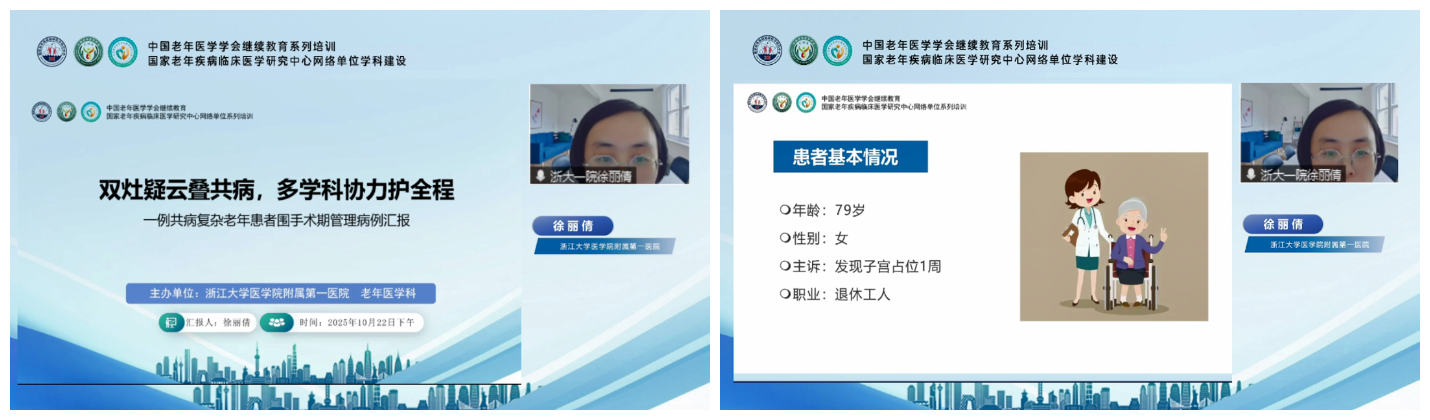
Doctor Xu Liqian from the First Affiliated Hospital of Zhejiang University presented a perioperative management case of a 79-year-old elderly patient with dual space-occupying lesions in the uterus and colon under the theme of "Double Foci Suspicion and Co-disease, Multidisciplinary Collaboration for Comprehensive Care". Facing complex situations such as advanced age, coexistence of multiple diseases, and high surgical risks, the multidisciplinary team worked closely together. Through precise assessment, thorough preoperative preparation, and meticulous postoperative management, they successfully carried out the combined surgery, demonstrating the core value and leading role of the MDT model in the perioperative management of elderly and complex patients.
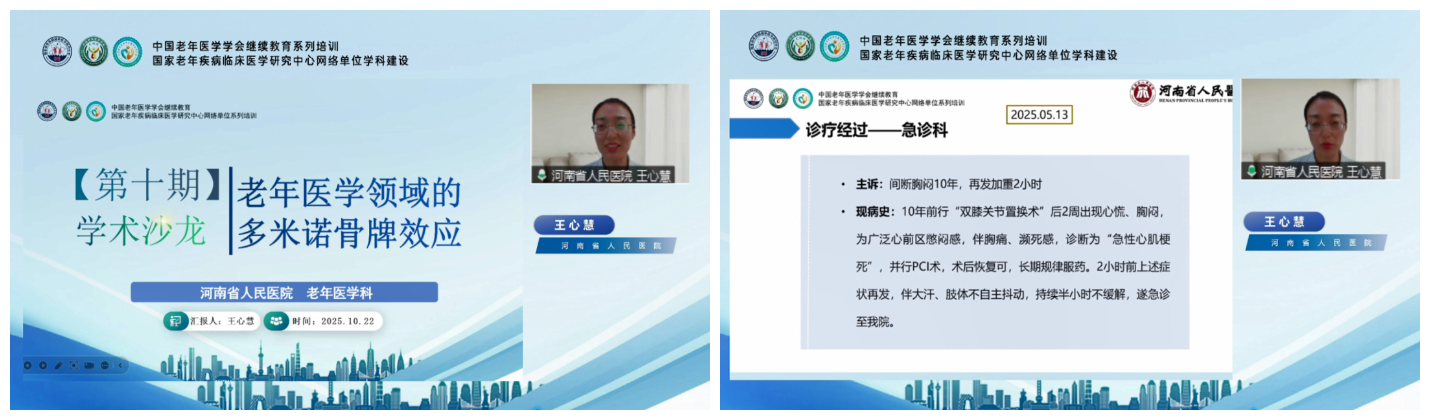
Doctor Wang Xinhui from Henan Provincial People's Hospital shared the diagnosis and treatment process of a 75-year-old elderly patient with recurrent and worsening chest tightness under the title of "The Domino Effect in Geriatrics". This case reveals a series of chain reactions such as acute myocardial infarction and contrast-induced nephropathy in elderly patients due to joint replacement surgery. Through comprehensive geriatric assessment and multidisciplinary intervention, the chain of disease deterioration was successfully blocked, demonstrating the key role of the patient-centered full-cycle management model in the prevention and management of geriatric syndromes.
At the meeting, under the guidance of senior experts such as Professor Cao Feng, Professor Wen Hong, Professor Chen Ning, Professor Gu Nan, Professor Yang Yunmei, Professor He Yue, Professor Liu Zhaoyang, Professor Duan Hongyan, Professor Li Zhan and Professor Cao Jian, scholars from multiple fields engaged in in-depth comments and lively discussions around the cases. Experts unanimously agree that in the face of elderly patients with complex comorbidities, it is necessary to break down disciplinary barriers, integrate medical resources, and based on comprehensive geriatric assessment, formulate individualized treatment plans that truly serve their interests in combination with the patients' wishes and overall conditions. This will effectively address the complex situation where "one disease affects multiple symptoms" in elderly patients and significantly enhance the level of diagnosis and treatment as well as the quality of life of patients.
The platform focuses on cloud collaboration to empower the wide coverage of academic research
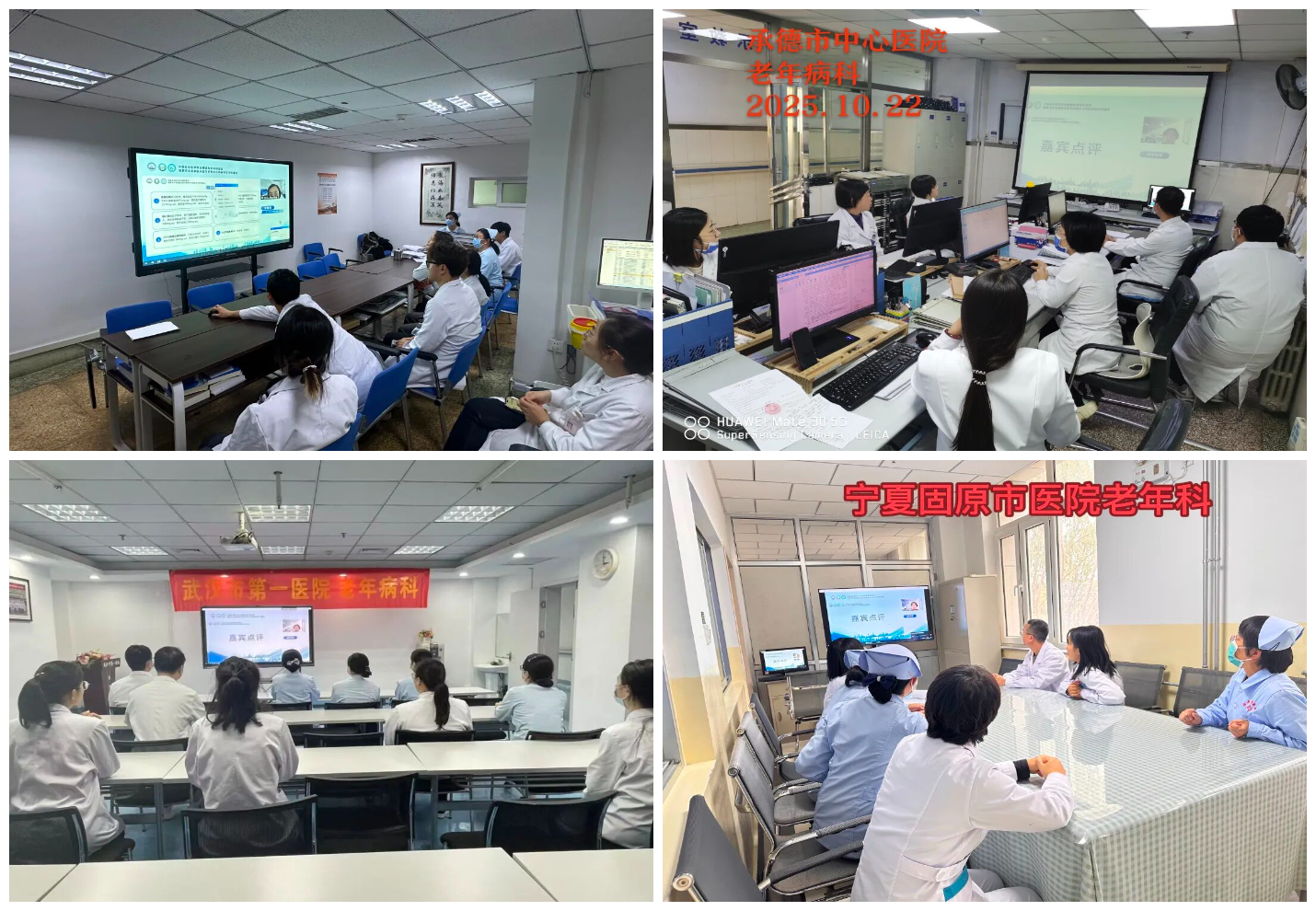
The platform unites its efforts to empower the universal sharing of medical resources for elderly comorbidities. This salon, relying on the platform advantages of the National Clinical Research Center for Geriatric Diseases of the General Hospital of the People's Liberation Army, achieved cloud-based collaboration among over 200 network units across the country. The number of online participants exceeded 1,000, covering practitioners in geriatric medicine and related fields from medical institutions at all levels, highlighting its extensive academic coverage and strong field cohesion.
We should effectively promote the diagnosis and treatment of comorbidities and focus on improving service levels
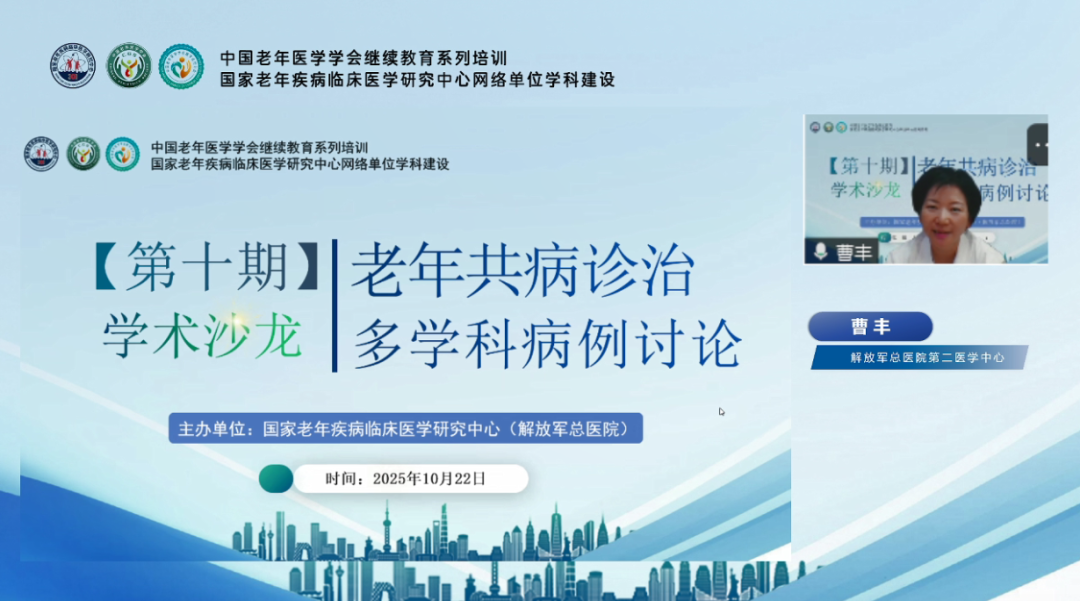
Director Cao Feng of the National Clinical Research Center for Geriatric Diseases, in his summary, sincerely thanked each sharing team for their meticulous preparations, the insightful comments of the experts, and the active participation of all the attendees.
Next, the center will continue to deepen the national network unit linkage mechanism, closely focus on the actual needs of elderly patients with comorbidities at the grassroots level, and emphasize strengthening case sharing, technical guidance and experience exchange between the academic center and grassroots hospitals. It will effectively promote the downward flow of high-quality medical resources to the grassroots level, benefiting more elderly patients in various regions. At the same time, we will actively explore practical paths to empower digital health, with the goal of enhancing the efficiency, accessibility and convenience of elderly comorbidity management. We will further promote the in-depth development of standardized diagnosis and treatment for elderly comorbidity and multi-disciplinary collaboration models, and contribute to the continuous improvement of the overall level of elderly health services in our country.
Prev
【 Meeting Notice 】 Lung Healing in Unison - Exchange Meeting on Full-Process Management, Diagnosis and Treatment of Lung Cancer
Next
The Geriatric Medical Institution Management Branch of the China Geriatrics Society successfully completed its term change election and the first standing committee meeting of the third committee was successfully held