
The "Clinical Laboratory Quality Management and Laboratory Technology Capacity Enhancement Training Course" organized by the Laboratory Medicine Branch of the Chinese Geriatrics Society was successfully held
To meet the actual needs of the grassroots level, enhance the quality management and technical level of laboratories, promote the downward flow of high-quality resources, improve the medical testing capabilities on islands, and ensure the healthy life of the elderly, the "Clinical Laboratory Quality Management and Testing Technology Capacity Enhancement Training" is hosted by the Laboratory Medicine Branch of the Chinese Geriatrics Society and organized by the Hainan Hospital of the PLA General Hospital. It was successfully held in Sanya on January 17, 2026.
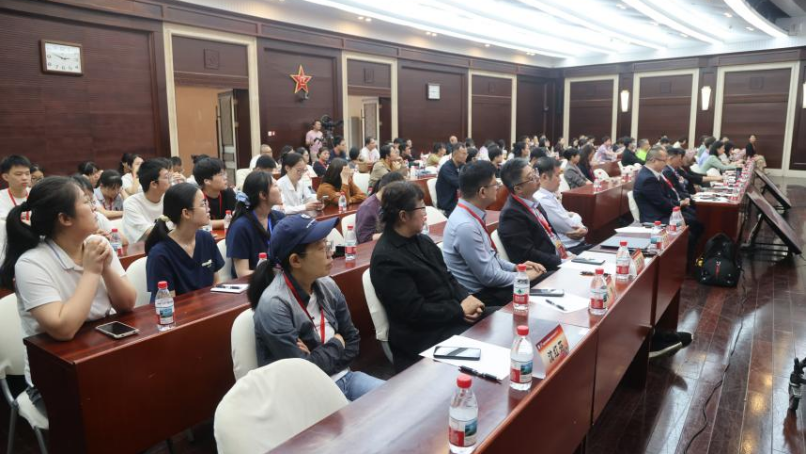
This training was conducted in a combination of offline participation and online live streaming. Over a hundred professionals from the laboratory departments and related fields of medical institutions at all levels in the province attended the event on-site, while more than 10,000 people watched the live stream online.
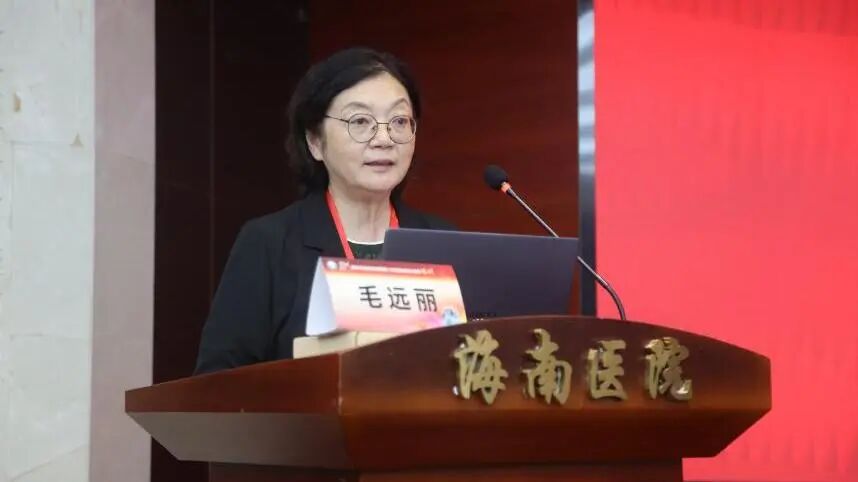
Professor MAO Yuanli, the president of the Laboratory Medicine Branch of the Chinese Geriatrics Society and the chief expert of the Hainan Hospital of the PLA General Hospital, delivered the opening remarks. She pointed out that the aging process in our country is accelerating continuously, and the high incidence of chronic diseases and comorbidities among the elderly is becoming increasingly prominent, which has become a key factor affecting the health of the elderly. Laboratory medicine plays a core supporting role in the early screening, therapeutic effect monitoring and prognosis assessment of chronic diseases and comorbidities in the elderly. This training focuses on the cutting-edge theories, thinking and new technological advancements in the elderly, and is dedicated to providing practical and applicable technical guidance for the clinical diagnosis and laboratory testing of chronic diseases in the elderly.
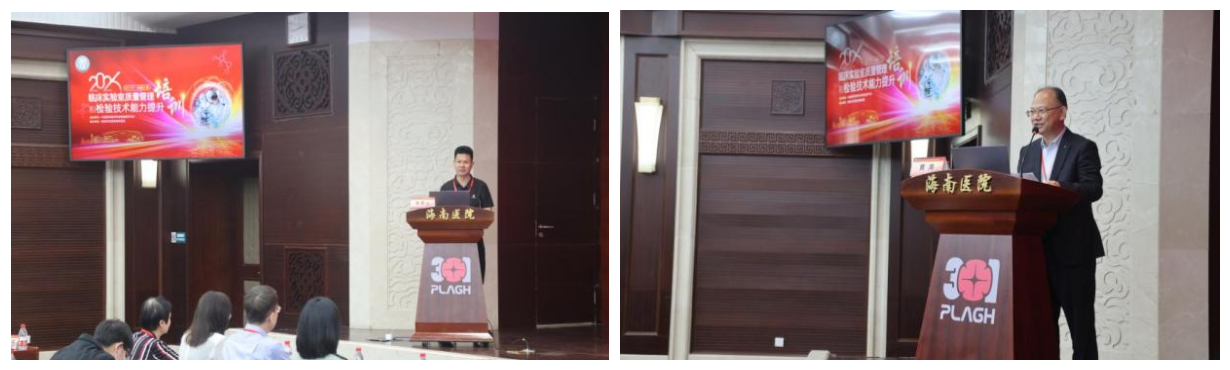
In their opening remarks, the relevant leaders of the Hainan Hospital of the PLA General Hospital stated that the hospital has been continuously delving into discipline construction. This not only affirms the hospital's rich achievements in the field of laboratory medicine but also clarifies its future development plans. At the same time, it is emphasized that high-level professional training is a key approach to enhancing regional medical standards and consolidating the foundation of health services. Professor Huang Tao, the director of the Laboratory Medicine Branch of Hainan Medical Association and from Hainan Provincial People's Hospital, pointed out in his opening speech that this training aims to enhance the quality management awareness and technical operation standardization of grassroots laboratory personnel through authoritative academic sharing and practical guidance, providing accurate basis for the early diagnosis and precise treatment of chronic diseases in the elderly.
Experts discuss support for the diagnosis and treatment of chronic diseases in the elderly
This conference has specially invited four authoritative experts in the industry to deliver excellent reports that are both professional and practical, focusing on the two core areas of clinical laboratory quality management and testing technology. The report content closely aligns with the actual needs of the grassroots level. It not only covers the update and iteration of cutting-edge theoretical knowledge but also provides detailed interpretations of specific quality control methods, laying a solid theoretical and practical foundation for enhancing the testing service capabilities at the grassroots level and facilitating precise diagnosis and treatment of chronic diseases among the elderly.
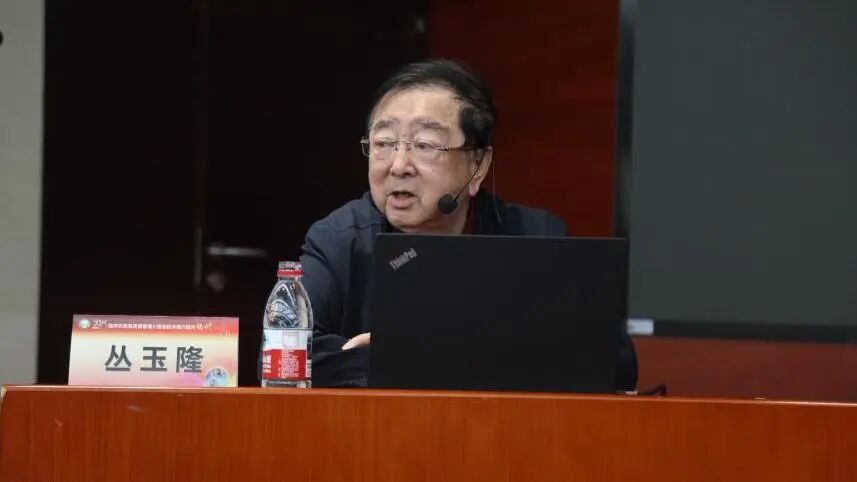
Professor Cong Yulong, honorary president of the Laboratory Medicine Branch of the Chinese Geriatrics Society and from the Second Medical Center of the PLA General Hospital, delivered a speech titled "Rational Selection and Accurate Application of Hemostasis and Thrombotic Disease Detection Items", introducing core detection items related to hemostasis and thrombotic disease detection, including platelet function detection, coagulation factor detection, anticoagulation factor detection, anticoagulation and fibrinolysis detection, etc. How to accurately select the test items, based on the patient-centered and clinical demand-oriented approach, scientifically, effectively and reasonably combine the items, and correctly interpret the reports, provides new ideas for the diagnosis and treatment monitoring of hemostasis and thrombose-related diseases.
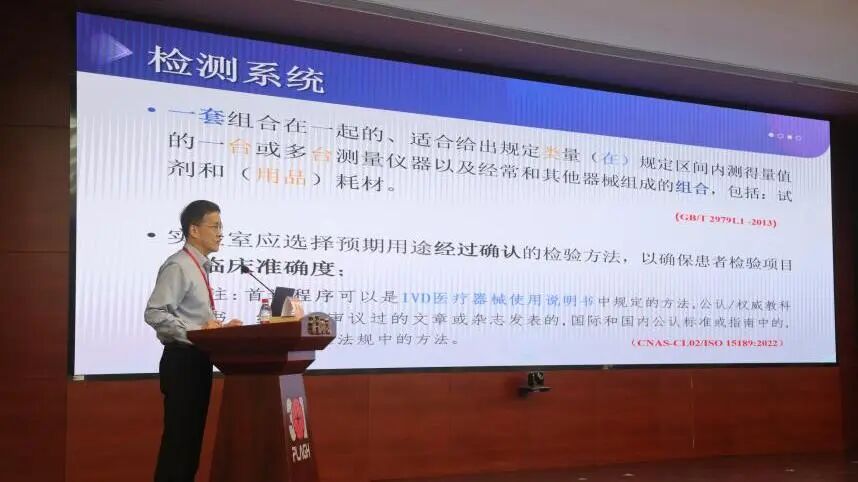
Researcher Guo Jian, the former director of the Laboratory Department of Beijing Hospital, gave a presentation titled "Key Points for Performance Verification and Quality Control of Detection Systems", introducing the concept and evaluation elements of clinical laboratory detection systems. The performance evaluation of detection systems includes measurement accuracy, correctness, precision, uncertainty/error, detection limit, critical value, and reportable range, etc. How to verify the performance of the detection system, and from the perspective of practical application, guide grassroots laboratories on how to do a good job in indoor quality control and inter-laboratory quality assessment, as well as how to require solutions when problems arise, etc.
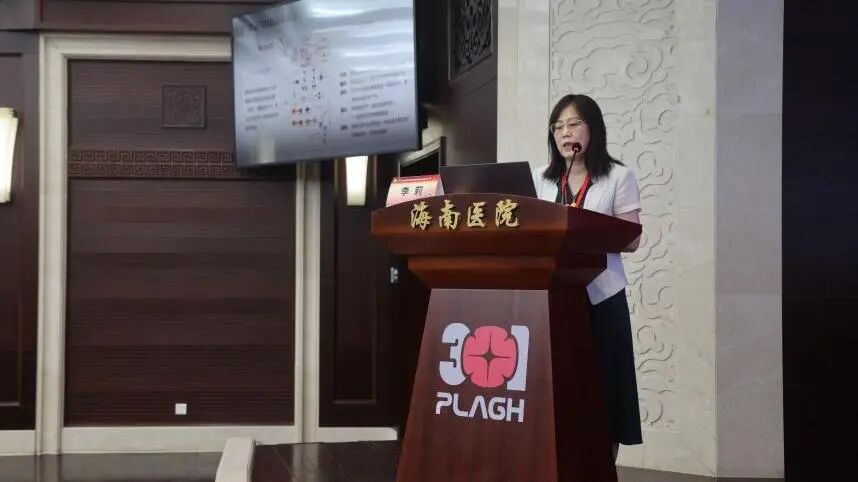
Professor Li Li from the Shanghai Clinical Research Center gave a lecture on "How to Do a Good Job in Quality Control of Autoantibody Detection". She introduced the basic concept, generation mechanism, application scope, clinical significance and progress of autoantibodies, as well as the commonly used detection methods for autoantibodies in clinical practice and the standardized procedures for autoantibody detection. Subsequently, the quality control of autoantibodies was elaborated in detail. Including quality assurance before, during and after inspection. The characteristics of autoantibody quality control, as well as how to select quality control products, quality control rules, and handling out-of-control situations; Finally, the factors influencing the detection of autoantibodies, including rheumatoid factor, heterophilic antibodies, hook effect, and hemolytic jaundice in samples, were analyzed. It was also suggested that during the detection process, the hospital and laboratory should select the items suitable for their own laboratory in combination with their own characteristics to provide services for clinical practice.
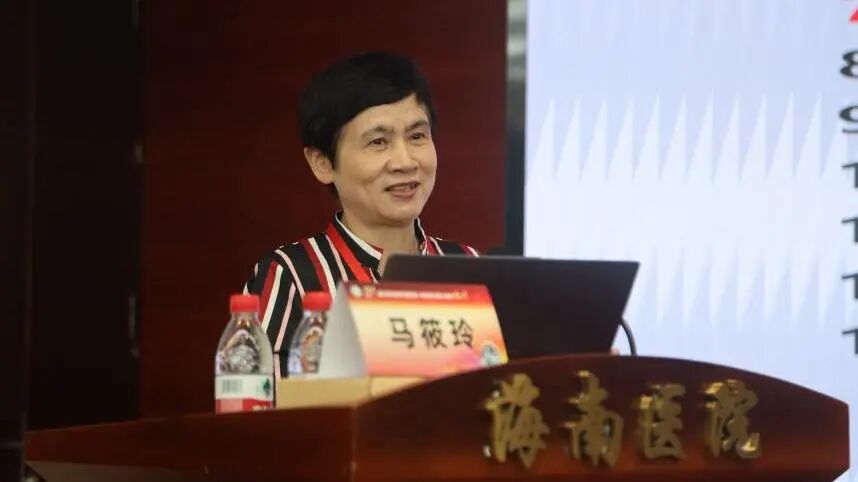
Professor Ma Xiaoling from the First Hospital of University of Science and Technology of China, under the title of "Capacity Building of Clinical Microbiology Laboratories", first interpreted the demands for capacity building of clinical microbiology laboratories in accordance with national and industry requirements. Then, she specifically elaborated on how to enhance the capacity building of clinical microbiology laboratories from four aspects: First, by increasing the rate of specimen submission for examination, improving the quality of specimens, and focusing on the simultaneous improvement of both the quantity and quality of specimens; Second, enhance the ability to diagnose difficult and complicated diseases and guide precise treatment. Thirdly, measures such as changing the inspection process through rapid detection technology and standardizing blood culture operations are adopted to enhance the timeliness of reports. Fourth, improve the accuracy of reports, such as the standardized reporting of smear results, the interpretation of mNGS test results for respiratory system infections, and the explanation of drug sensitivity results, etc.
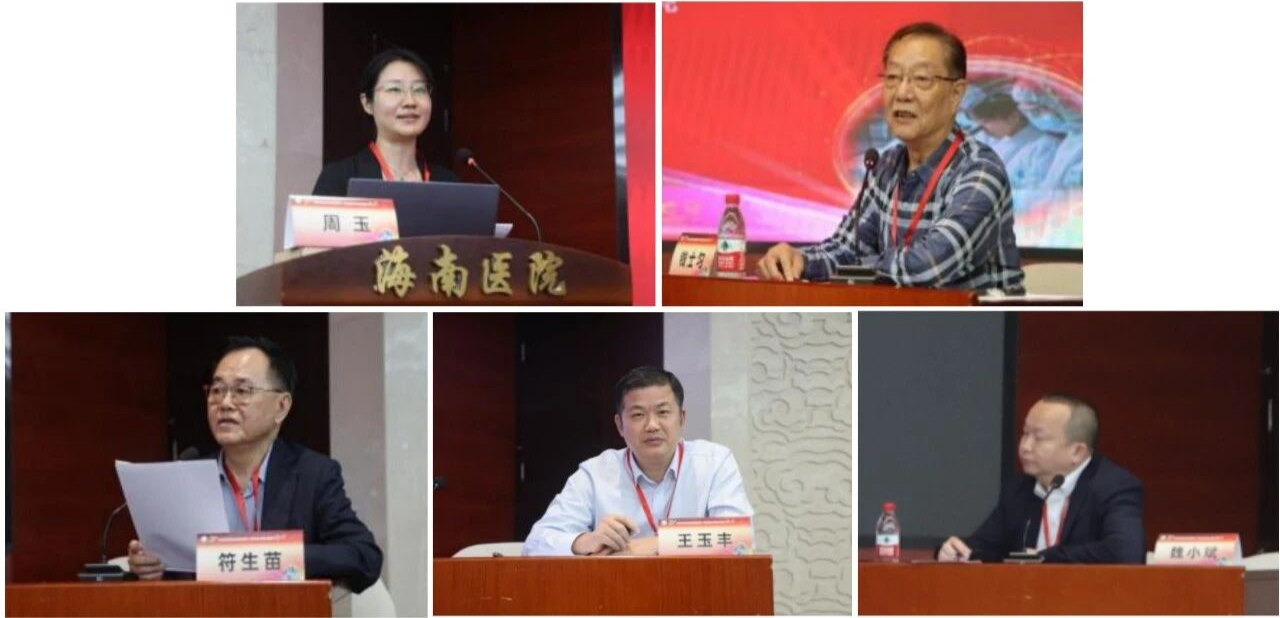
This meeting was co-chaired by Deputy Director Zhou Yu from the Laboratory Department of the Second Medical Center of the PLA General Hospital, Professor Qian Shiyun from Hainan Medical University, Professor Fu Shengmiao from the Medical Laboratory Center of Hainan Provincial People's Hospital, Professor Wang Yufeng from Sanya Central Hospital, and Professor Wei Xiaobin from Haikou People's Hospital.
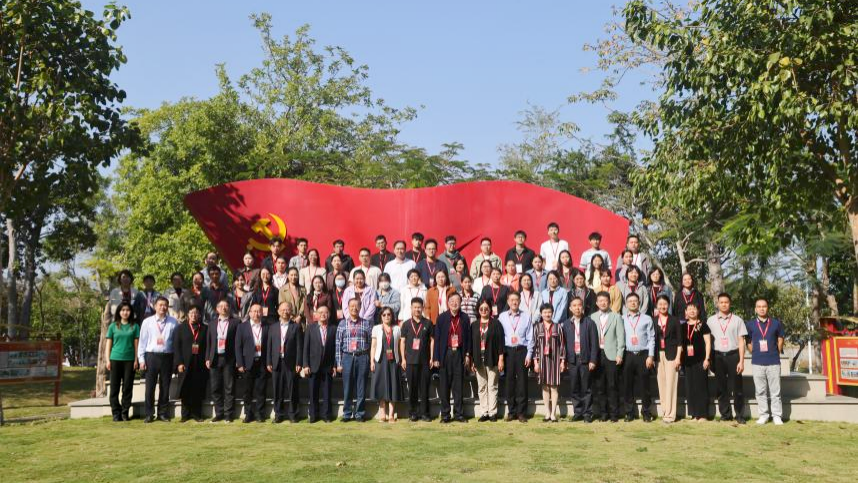
This training closely alignts with the actual needs of primary medical care and elderly health services. The content is both professional and practical, effectively addressing the difficulties in the daily work of grassroots testing, and providing strong guidance for standardizing operation procedures and improving the quality and efficiency of testing. In the future, the Laboratory Medicine Branch of the Chinese Geriatrics Society will actively collaborate with medical institutions at all levels, and through continuous professional training and academic support, continuously enhance the overall capabilities and levels of the grassroots laboratory medicine team. At the same time, we will continue to build an efficient communication platform based on our professional expertise and integrate high-quality industry resources. We will empower the early screening, diagnosis and precise treatment of chronic diseases in the elderly with precise testing, laying a solid professional technical foundation for the elderly health service system and better promoting the high-quality development of the elderly health cause.
Prev
Notice of the Academic Conference on New Advances in Precision Diagnosis and Treatment of Cognitive Impairment of the Chinese Society of Geriatrics and the Training Course for Neuro-Psychological Assessors and Cognitive Impairment Caregivers
Next
Notice of the Meeting on the Project for Enhancing the Capacity of Middle-aged and Young Talents in Geriatrics under the Health Promotion Project for Middle-aged and Elderly People