
Focusing on the clinical transformation of aging and drawing a blueprint for healthy aging - The "Aging Health and Basic Transformation Forum" of the 12th China Geriatrics and Science and Technology Innovation Conference was successfully held in Tianjin
In late autumn, the tide of the Haihe River rises. The 12th China Geriatrics and Science and Technology Innovation Conference was held in Tianjin from October 30th to November 1st, 2026. On the morning of November 1st, one of the important components of the conference, the "Forum on Aging Health and Basic Transformation", was held concurrently at the National Exhibition and Convention Center (Tianjin). Professor Sun Liang, the director of the Basic and Translational Medicine Branch of the Chinese Geriatrics Society and a professor at Beijing Hospital (National Center for Geriatrics), served as the chairperson of the forum.
This forum is academically supported by the Key Laboratory of Geriatrics of the National Health Commission, the Basic Research Group of the Geriatrics Branch of the Chinese Medical Association, and the Beijing Key Laboratory of Aging Mechanism and Intervention Research on Aging-related Diseases. Experts and scholars from Beijing Hospital (National Center for Geriatrics), Chinese Academy of Medical Sciences and Peking Union Medical College, Academy of Military Medical Sciences, Tsinghua University, Zhejiang University, China Medical University, Air Force Medical University, Beijing Geriatric Hospital, the First Affiliated Hospital of Nanjing Medical University and its Affiliated Yifu Hospital, among other institutions, attended the forum.
Standing at the new starting point of the 15th Five-Year Plan, aging health is a cutting-edge direction with great strategic value and development potential. Facing the realistic challenge of multiple diseases coexisting among the elderly, the traditional diagnosis and treatment model of "single disease and fragmented" has become unsustainable. This forum closely follows the main line of research on the fundamental mechanisms of aging and their clinical transformation and application. It conducts in-depth exchanges on cutting-edge topics such as the analysis of aging mechanisms, the discovery of aging biomarkers, the empowerment of active health by artificial intelligence, the integration of physical education and health for anti-frailty management, and the comprehensive prevention and control of geriatric diseases.
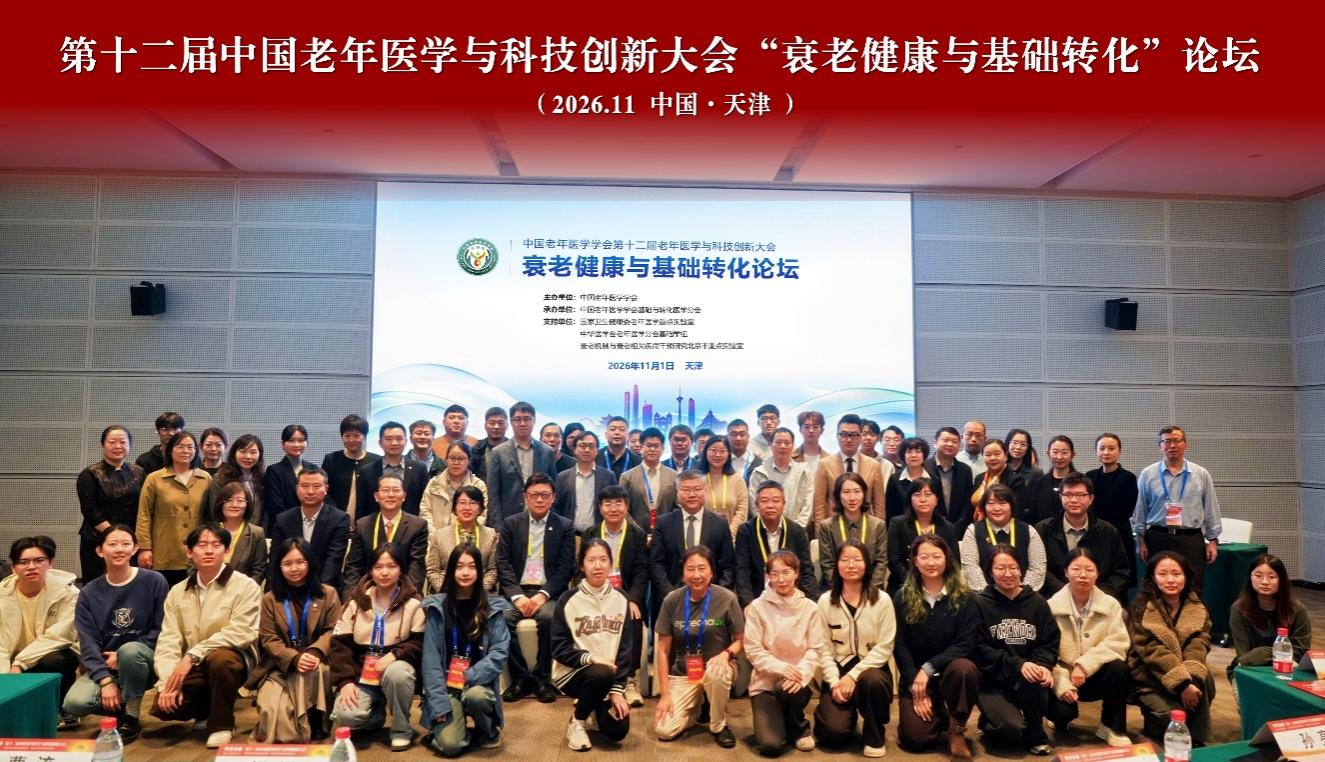
A group photo of the experts and representatives attending the meeting
The opening ceremony of the forum was presided over by Professor Yang Ruiyue, the general director of the Basic and Translational Medicine Branch of the Chinese Geriatrics Society and a professor at Beijing Hospital (National Center for Geriatrics). Professor Sun Liang, the chairperson of the forum, delivered a welcoming speech. Professor Cao Feng, the executive vice president of the Chinese Society of Geriatrics, attended and gave a speech. She stated that as the degree of population aging in our country continues to deepen, geriatric medical research needs to move the focus forward, revealing the underlying laws of aging at the cellular and molecular levels, solving the clinical pain points of elderly health, and opening up the transformation path from the laboratory to the clinical stage. She put forward three expectations: First, adhere to the clinical demand-oriented approach and deeply engage in original research; Second, we should break through the bottlenecks in the transformation of achievements, promote the application of technologies and benefit the elderly. Third, we should strengthen the cultivation of young talents and consolidate the scientific research team. She emphasized that the society will continue to support the construction and development of the branch, and expressed her best wishes for the forum to build consensus, facilitate cooperation, and contribute to healthy aging through scientific and technological innovation.
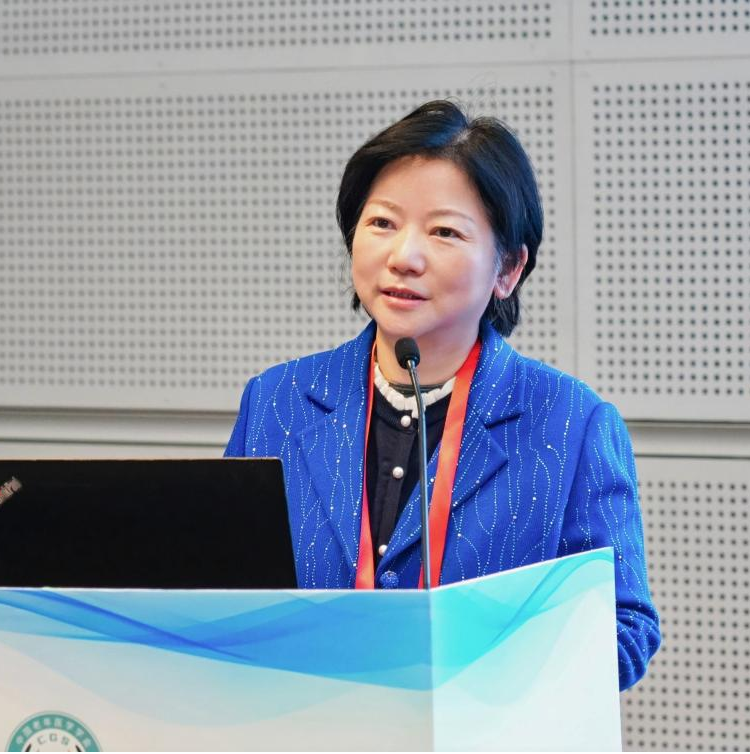
Cao Feng, executive vice president of the Chinese Society of Geriatrics, delivered a speech
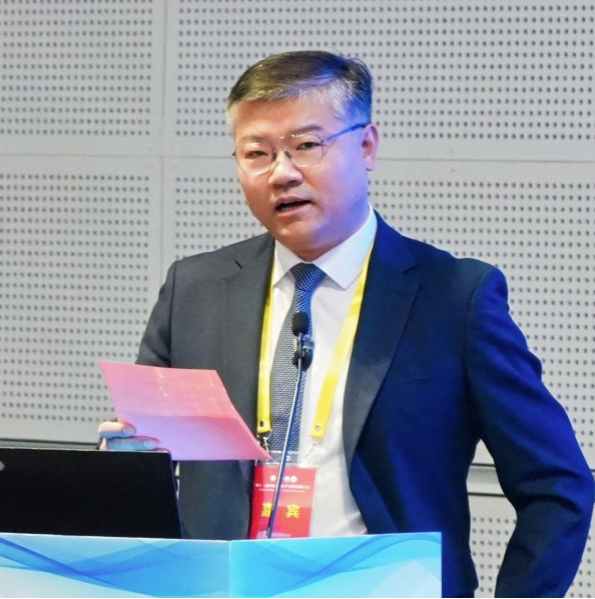
Professor Sun Liang, the director of the Basic and Translational Medicine Branch of the Chinese Society of Geriatrics, delivered a welcoming speech
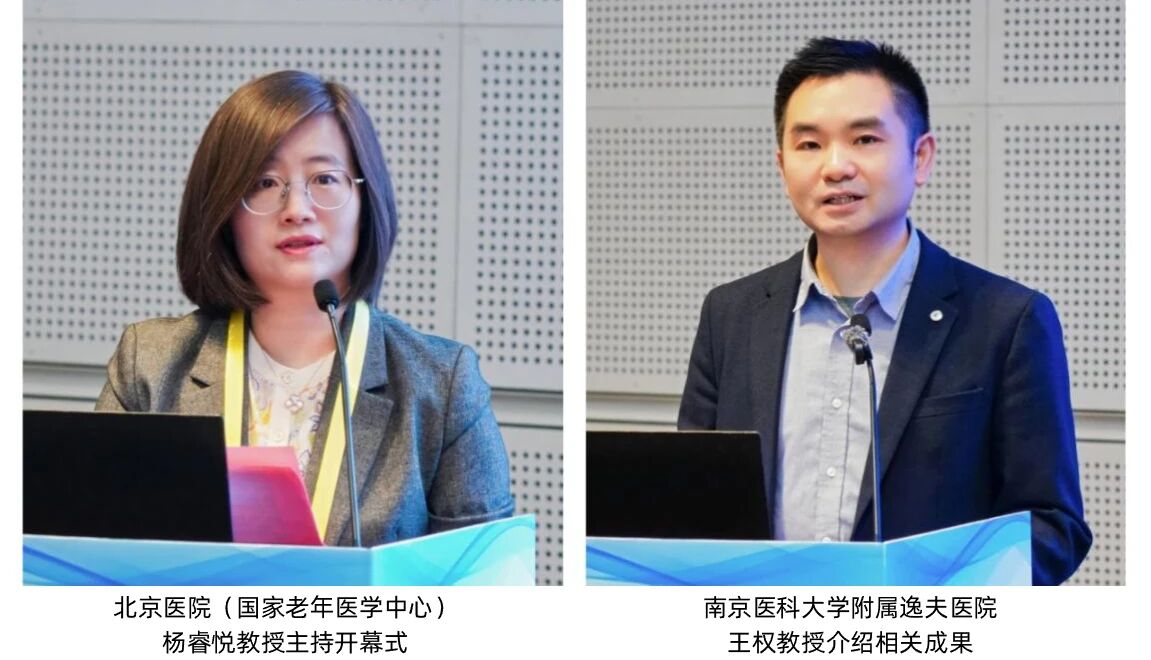
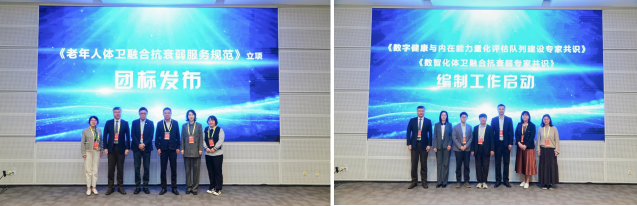
Subsequently, the forum released the "Group Standard for Elderly Human Health Integration Anti-Frailty Services". The release session was hosted by Professor Wang Quan from Yifu Hospital Affiliated to Nanjing Medical University, who also introduced the situation of standard formulation. Professors Guo Yan, Sun Liang, Gu Zhifeng, Cao Liu, Sun Yang and Yuan Huiping jointly released. The forum simultaneously initiated the compilation work of the "Expert Consensus on the Construction of a Quantitative Assessment Cohort for Digital Health and Intrinsic Capacity" and the "Expert Consensus on Anti-Frailty through the Integration of Digital and Intelligent Physical Health". Professor Sun Liang presided over the launch ceremony and introduced the compilation plan. Professors Yang Ze, Mu Hongna, Ma Lina, Zhang Tao, Liu Zuyun and Gao Chao jointly launched it.
From cellular senescence to metabolic Regulation: Exploring the Molecular Mechanisms of Aging Occurrence and Development
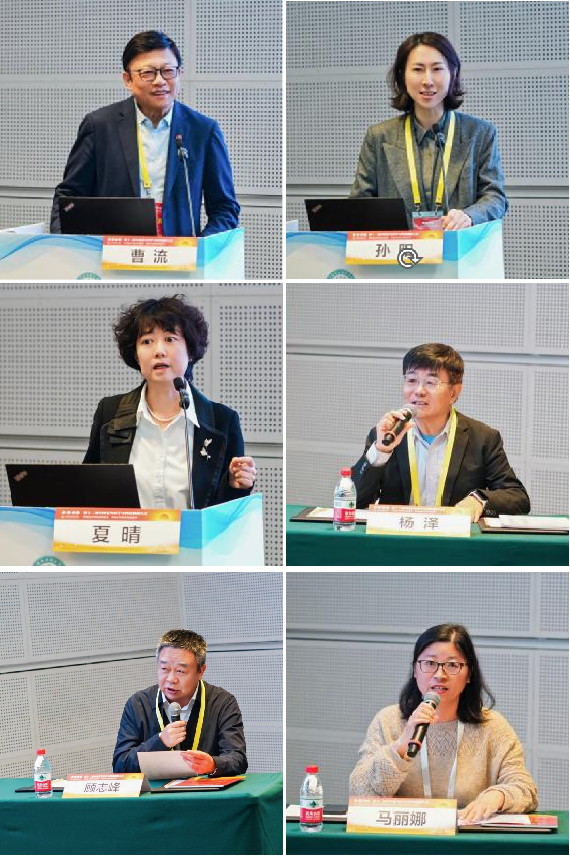
The first unit of the academic report at the forum focuses on "the Basic Frontiers of Aging", exploring the molecular laws and potential intervention paths of the occurrence and development of aging in areas such as the malignant evolution of cells, lipid metabolism regulation, and endogenous anti-aging metabolites. The sessions were respectively hosted by Professor Yang Ze from Beijing Hospital (National Center for Geriatrics), Professor Gu Zhifeng from the Affiliated Hospital of Nantong University, and Professor Ma Lina from Xuanwu Hospital, Capital Medical University.
The first report was presented by Professor Cao Liu from China Medical University, titled "The Homologous Laws of Malignant Cell Evolution and Aging Formation". Professor Cao Liu systematically expounded the intrinsic connection between the malignant evolution of cells and the formation of aging: abnormal development is the cause of tumor formation, and degenerative changes are the source of aging. It also proposed the "yin-yang balance" rule for maintaining homeostasis and the "double-edged sword" effect of cell damage repair responses, providing a new perspective for understanding the occurrence of aging and diseases from the perspective of common molecular mechanisms. Professor Sun Yang from the First Affiliated Hospital of Air Force Medical University delivered a report titled "Lipid Control of Aging: IL-38 Delays Metabolic Aging by Inhibiting Phosphatidic Acid Accumulation Driven by PLD1", focusing on the regulatory relationship between IL-38, phospholipase D1 (PLD1), and phosphatidic acid metabolism, and analyzing the role of lipid metabolism changes in metabolic aging. This study organically combines inflammatory regulation, lipid metabolism and aging mechanisms, providing new ideas for clarifying the molecular basis of metabolic aging and exploring potential anti-aging intervention targets. Professor Xia Qing from the Academy of Military Medical Sciences introduced the original discoveries of her team in the field of endogenous metabolites for anti-aging derived from umbilical cord blood, and systematically sorted out the cutting-edge progress in the regulation of aging by endogenous metabolites. Professor Xia Qing pointed out that endogenous metabolites have both prominent safety advantages and significant transformation potential, and are expected to be developed into ideal anti-aging drugs, opening up new paths for the intervention of aging-related diseases and healthy aging.
Artificial Intelligence Empowering proactive Health: Promoting the transformation of aging Research towards precise management
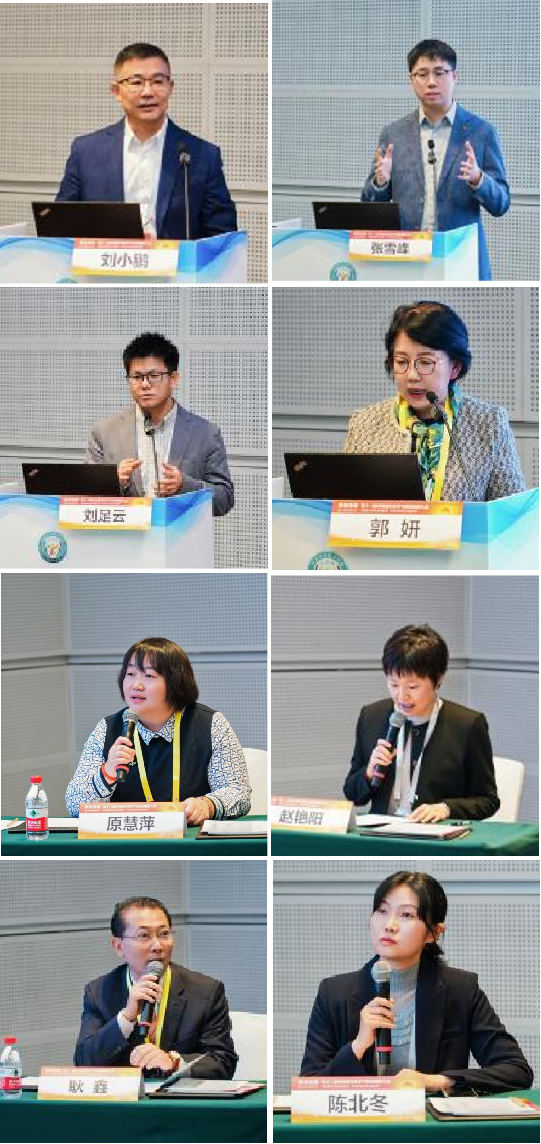
The second unit of the academic report at the forum focused on "practical transformation", and exchanges were held on topics such as the innovation of medical models driven by artificial intelligence, the application of elderly health technologies, the discovery of aging biomarkers, and digital anti-frailty management. The sessions were respectively hosted by Professor Geng Xin from Tianjin Medical University, Professor Chen Beidong, Professor Yuan Huiping and Professor Zhao Yanyang from Beijing Hospital (National Center for Geriatrics).
Professor Liu Xiaopeng from Beijing Geriatric Hospital first delivered a report titled "The Future Medical Revolution Driven by Artificial Intelligence - Exploration and Practical Path of the 'Active Health' Medical Paradigm". From the perspective of hospital operation and top-level design, he shared how digital technology can be integrated into health risk assessment, disease prevention and clinical health management Promote the shift of medical services from passive diagnosis and treatment to proactive prevention and continuous health management. Professor Liu Xiaopeng pointed out that active health is one of the main paths for future medicine and introduced the "Beijing Protocol" of the active health medical paradigm. Professor Zhang Xuefeng from the Tianjin Institute of Electronic Information of Tsinghua University subsequently delivered a keynote speech titled "Research Implementation and Transformation of New Generation Artificial Intelligence Technology in the Field of Elderly Health", focusing on the application and transformation of multimodal large models in the field of elderly health, and discussing how to promote the in-depth integration of algorithm research, technology development with real clinical and health management scenarios. Provide technical ideas for the innovation of smart elderly care and elderly health service models. Professor Liu Zuyun from Zhejiang University delivered a report titled "Data-driven Discovery of Aging Markers and Research on Aging Clocks", focusing on data-driven screening of aging markers and construction of aging clocks, and exploring the use of multi-dimensional biomedical data to identify aging-related molecular characteristics and establish evaluation tools that reflect an individual's biological aging status. This direction holds significant value for objectively quantifying the aging process, identifying high-risk groups, and evaluating the effectiveness of anti-aging interventions. Professor Guo Yan from the First Affiliated Hospital of Nanjing Medical University finally delivered a special report on "Digital Management of Anti-Frailty through the Integration of Sports and Health Services", focusing on the anti-frailty management model that combines exercise with medical and health services, and discussing the application of digital technology in the functional assessment, individualized intervention and health management of the elderly in the community. To provide practical ideas for promoting the standardization, intelligence and networking of anti-frailty services.
Focus on full-cycle health security: Promote the integrated development of clinical research and academic exchanges
The special report session was hosted by Professors Sun Liang and Zou Lihui from Beijing Hospital (National Center for Geriatrics). Professor Feng Luzhao from the Chinese Academy of Medical Sciences and Peking Union Medical College delivered a report titled "Infection and Chronic Disease Prevention in the Elderly", focusing on the joint prevention and control of infectious diseases and chronic diseases in the elderly, exploring the connection between infection and the onset of chronic diseases, as well as the role of infection prevention and control in the management of chronic disease comorbidities. Subsequently, Professor Gao Chao from Beijing Hospital (National Center for Geriatrics) introduced the construction of academic journals such as "Chinese Journal of Geriatrics" and Aging Medicine of the National Center for Geriatrics. High-quality academic exchange platforms are of great significance for promoting the standardized dissemination and clinical transformation of basic research achievements. This link also provides an opportunity for researchers to understand academic dissemination channels and strengthen academic cooperation.
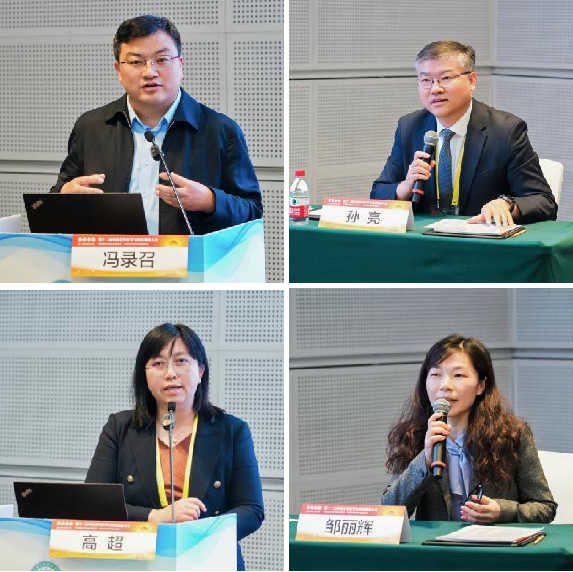
This forum also features a roundtable discussion with the common theme of "Innovative Research and Development and Clinical Transformation of Aging Biomarkers for Full-Cycle Health Security", hosted by Professor Sun Liang. We have invited Professor Cao Liu from China Medical University, Professor Tian Geng from Beijing Yuanma Medical, Professor Liu Xiaopeng from Beijing Geriatric Hospital, Professor Zhang Tao from Yifu Hospital Affiliated to Nanjing Medical University, Professor Xiang Yang from the Institute of Human Aging of Nanchang University, and Professor Gao Chao from Beijing Hospital (National Center for Geriatric Medicine), among others, from various institutions, spanning basic research and clinical medical care. Experts from multiple fields of digital technology and industrial transformation gathered on the same stage to discuss. The guests attending the conference offered suggestions and strategies from the perspectives of mechanism discovery, cohort construction and publication norms, digital technology, intervention evaluation, and industrial transformation. Professor Cao Liu proposed to systematically explore the aging process from three dimensions: molecular, organ, and individual health. Professor Xiang Yang proposed to evaluate the role of aging biomarkers in the Chinese population from three aspects: function, causality and dynamic reversibility. Professor Gao Chao, in response to the shortcomings of papers in the field of aging in domestic journals, proposed standardized and normalized requirements for the publication of biomarker-related papers. Professor Liu Xiaopeng proposed from the perspective of hospital operation to utilize artificial intelligence tools to promote the clinical application of aging marker detection and simplify the process. Professor Zhang Tao, based on the practice of integrating body and health, proposed that the markers reflecting the intervention effect should meet the requirements of multiple systems, low cost, non-invasiveness and sensitivity. Professor Tian Geng analyzed the four major pain points of marker stability, intervenability, payment mechanism and supervision from the perspective of industrial transformation, and called for guiding the healthy development of the industry with industry standards.
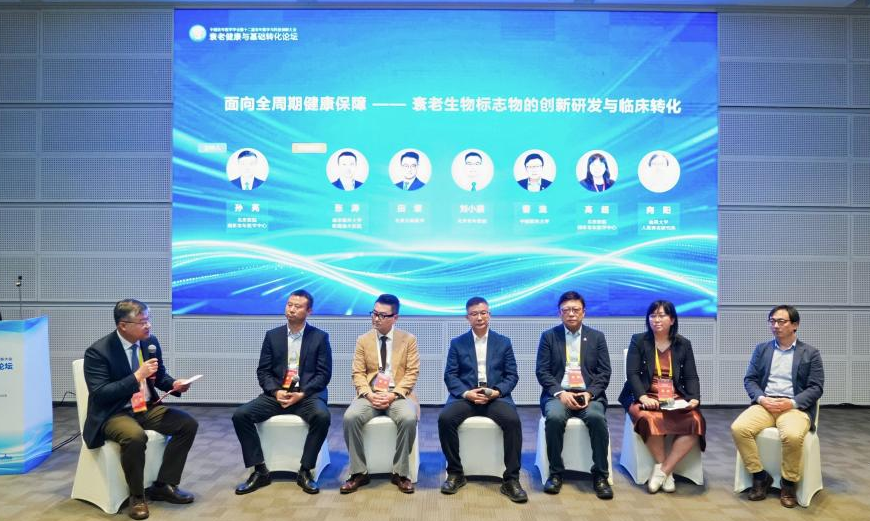
Roundtable Forum Session
Summary: Promote aging research and clinical transformation through technological innovation
At the closing ceremony, Professor Sun Liang, the chairperson of the forum, made a summary. He pointed out that healthy aging is the core essence of the national strategy for actively responding to population aging. Aging is a scientific proposition that can be measured and intervened. It requires not only breakthroughs in fundamental science, verification in clinical scenarios and support from big data, but also the coordination of industry and policy. Professor Yang Ze, the founding chairperson of the branch, commented on the meeting, advocating for accelerating the transformation and application of the entire chain from "basic - clinical - industry", and put forward suggestions for the future development of the forum. He sincerely invites all colleagues to take this forum as an opportunity to join hands and explore a path of aging assessment, intervention and health management with Chinese characteristics.
Extending healthy life expectancy and enabling the elderly to "live longer and better" is the main thread running through this forum. Whether it is the analysis of the mechanisms of cellular senescence and metabolic regulation, the discovery of aging markers and the research on aging clocks, or the translational applications such as artificial intelligence empowering active health management, the integration of physical and health care for anti-frailty and the prevention of multiple diseases in the elderly, all reflect the development trends of precision, digitalization and systematization in aging and translational medicine. The experts attending the meeting unanimously expressed that they will join hands to accelerate the transformation of aging research results out of the laboratory and into accessible and usable health services for the elderly, injecting new impetus into the construction of a Healthy China.
Prev
Inheritance, Innovation and Development - Digestion Facilitates Healthy Aging: The 12th China Geriatrics and Science and Technology Innovation Conference Gastroenterology Branch Forum and the Third Committee Re-election Conference of the Gastroenterology Branch Concluded successfully
Next
The "Integration and Innovation · Precise Infection Control: New Progress in Infection Prevention and Control for the Elderly in 2026" Theme Conference was successfully held