
The 2025 Academic Conference of the Laboratory Medicine Branch of the China Geriatrics Society, with the theme of "Jushi Inspection: Safeguarding the Health of the Elderly", was successfully held
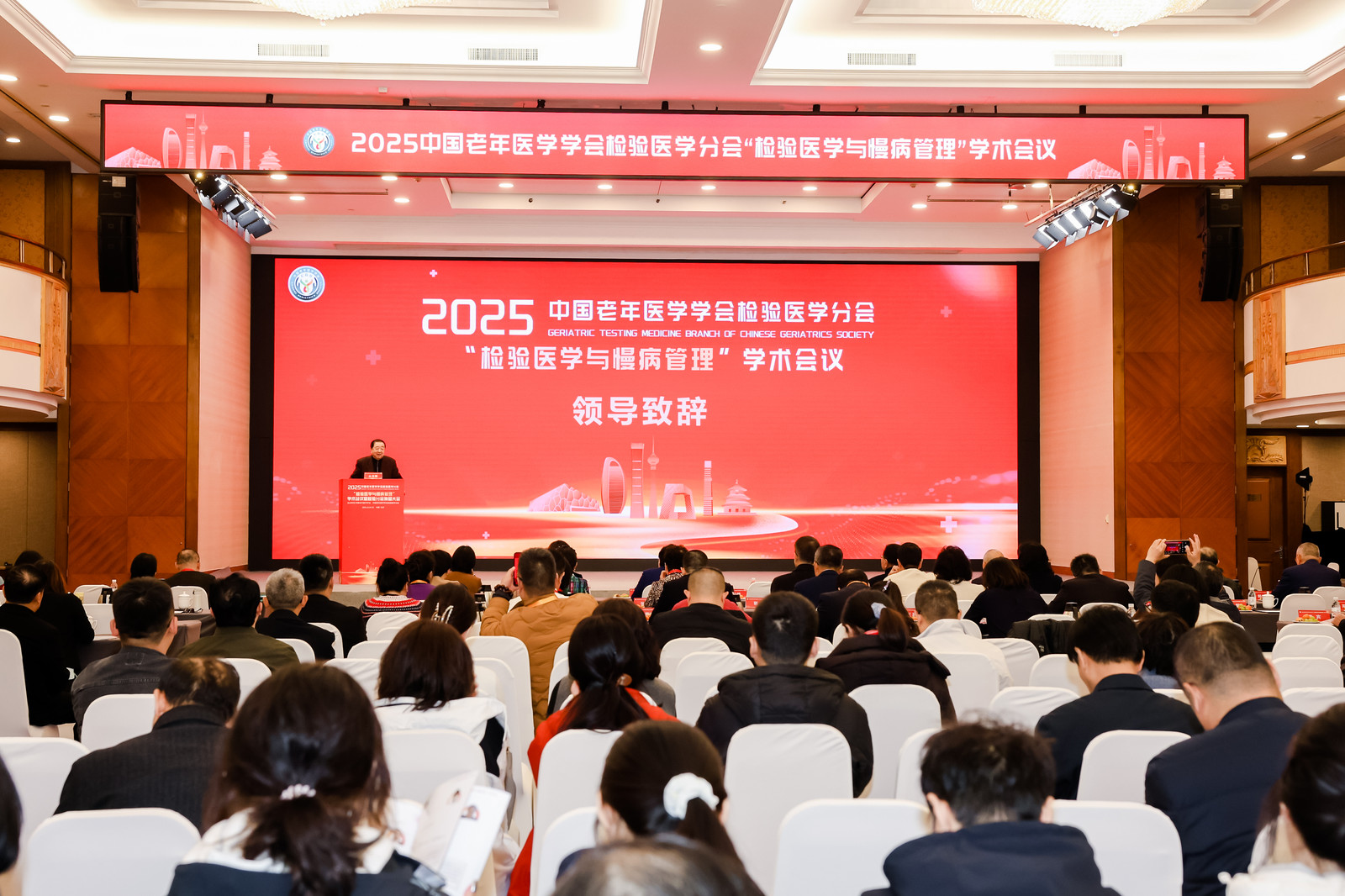
On October 25, 2025, the academic conference on "Laboratory Medicine and Chronic Disease Management" organized by the Laboratory Medicine Branch of the Chinese Geriatrics Society was successfully held in Beijing. This conference focused on the prevention and control of chronic diseases in the elderly and the cutting-edge of laboratory medicine. Centering on the "holistic" health of the elderly and the management of comorbidities, it closely integrated new diagnostic and therapeutic paradigms and the latest laboratory technologies. It conducted in-depth cross-disciplinary exchanges and academic discussions on core topics such as common thrombotic diseases, tumors, metabolic diseases, and comorbidities in the elderly.
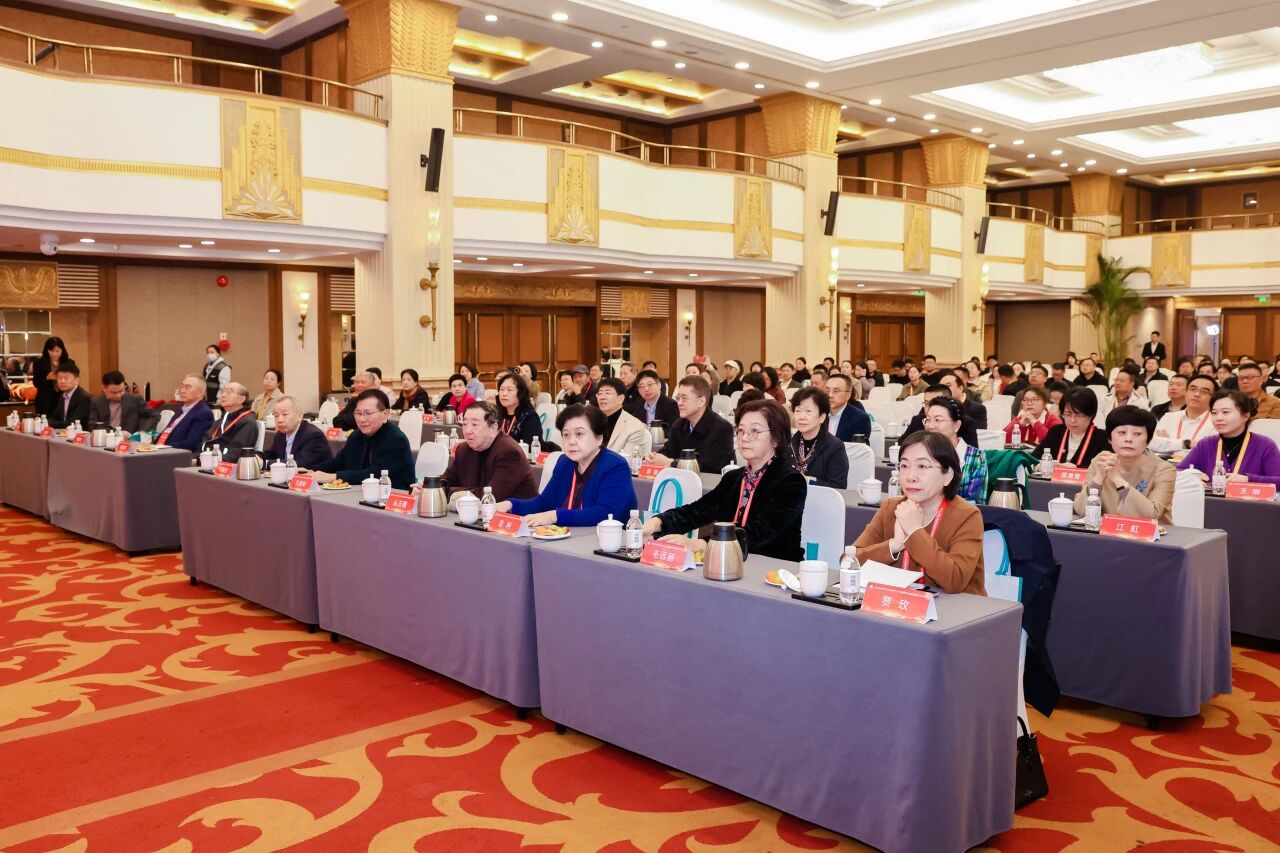
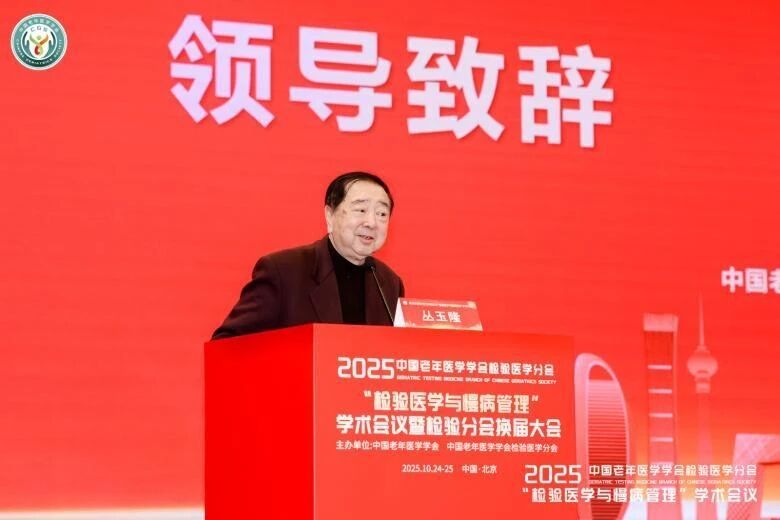
The leaders and guests attending this conference include: Professor Fan Li, the president of the Chinese Society of Geriatrics; Professor Cong Yulong, Honorary President of the Laboratory Medicine Branch of the Chinese Geriatrics Society, Professor MAO Yuanli, President of the Laboratory Medicine Branch of the Chinese Geriatrics Society, and Professor Wang Chengbin, Chairperson of the 10th Laboratory Medicine Branch of the Chinese Medical Association; Professor Guo Jian, Vice Chairperson of the 7th and 8th Sessions of the Chinese Medical Association Laboratory Medicine Branch, Professor Tong Mingqing, Vice Chairperson of the 7th session, Professor Zhong Renqian, Vice Chairperson of the 8th session, and Professor Hao Xiaoke, Vice Chairperson of the 9th session; Professor Jia Mei, Vice President of the Fifth Branch of Laboratory Physicians of the Chinese Medical Doctor Association Professor Deng Xinli, the chairperson of the Second Branch of Laboratory Medicine of the Chinese Society of Geriatric Health Care Medicine; Professor LAN Xiaopeng, the 8th, 9th and 10th vice chairperson of the Laboratory Medicine Specialized Committee of the Military Medical Science and Technology Committee, Professor Wang Beining, the 8th vice chairperson, and many military and civilian experts from all over the country.
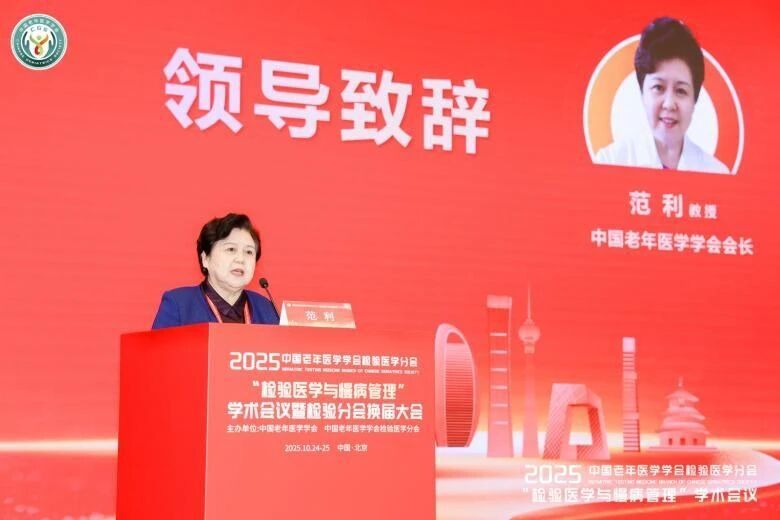
Professor Fan Li, the president of the Chinese Society of Geriatrics, pointed out in his speech that laboratory medicine is the "scout", "navigator" and "monitor" in the closed loop of diagnosis, treatment and rehabilitation of chronic diseases in the elderly, and its development and growth are of vital importance to geriatrics. She emphasized that the development of laboratory medicine needs to race against an aging society and against time. We call on colleagues in the industry to enhance collaboration and jointly address the challenges of chronic disease prevention and control among the elderly. Finally, President Fan looks forward to the Inspection Branch, under the leadership of the third president, honorary president and vice president, adhering to the mission of the society and steadily advancing all its work.
Professor Cong Yulong, the honorary chairperson of the conference and the founder and honorary president of the Laboratory Medicine Branch of the Chinese Geriatrics Society, reviewed the exploration process since the establishment of the branch. He pointed out that the new quality productivity has pointed out the direction for geriatrics. In the future, geriatric laboratory medicine will expand into the fields of big health and anti-aging and reach the grassroots level. He looks forward to the new committee seizing the opportunity and promoting development together.
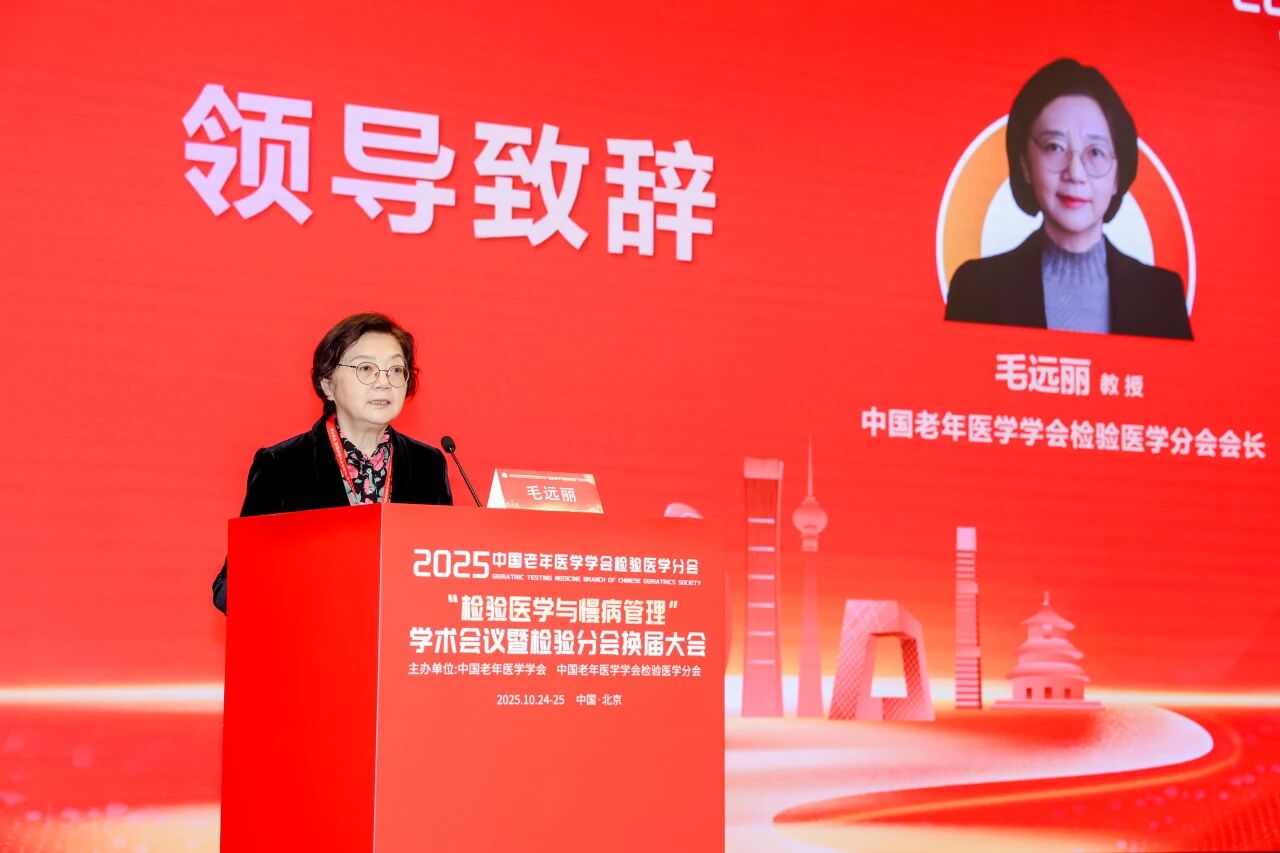
Professor MAO Yuanli, the chairperson of the conference and the president of the Laboratory Medicine Branch of the Chinese Geriatrics Society, expressed her gratitude to the General Association and other associations and societies for their long-term support in her opening remarks. She emphasized that the deep integration of laboratory medicine and multiple clinical disciplines is the key to the prevention, treatment and diagnosis of geriatric diseases. In the future, it is necessary to promote the extension of clinical medicine to the maintenance of elderly health. She looks forward to the experts attending the conference sharing cutting-edge concepts and practical experiences, and transforming professional content into practical impetus for safeguarding the health of the elderly population.
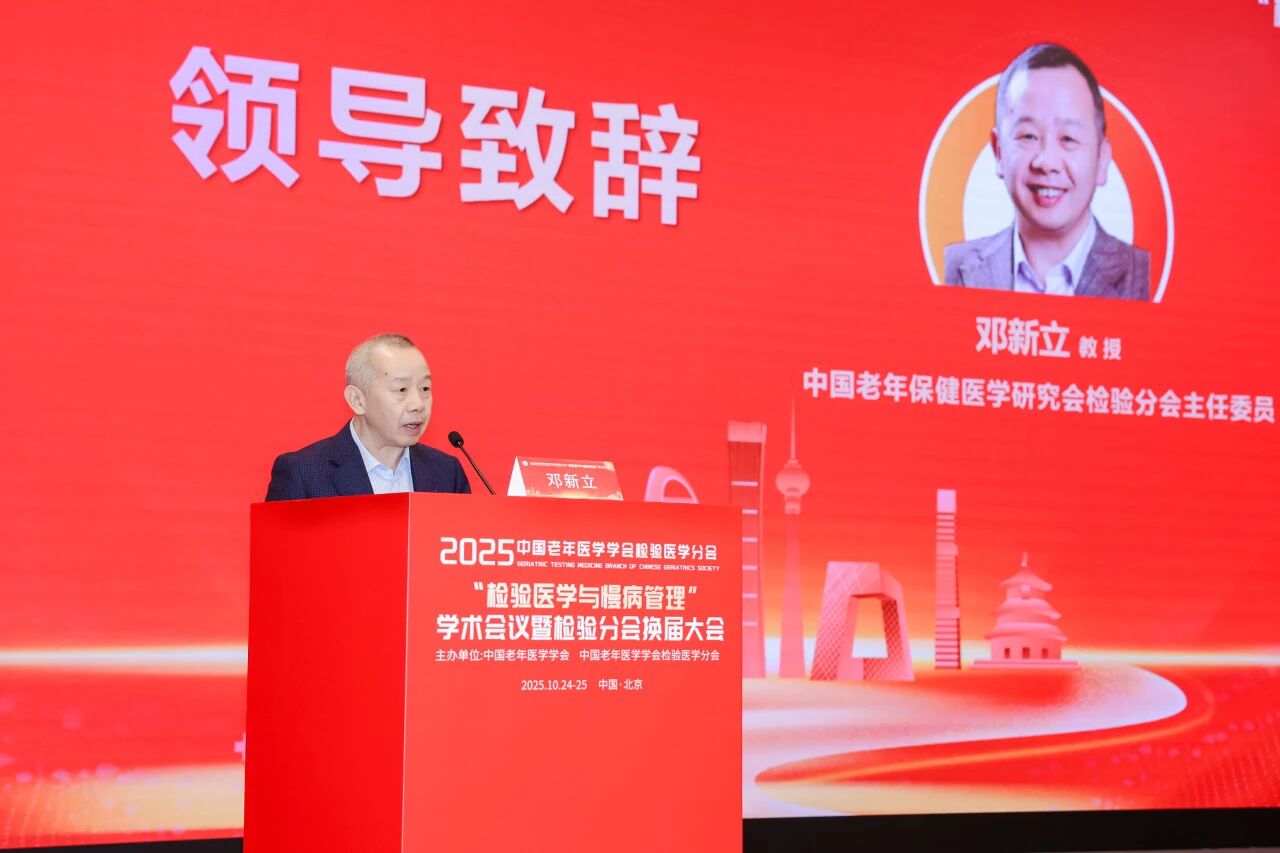
Professor Deng Xinli, the director of the Laboratory Medicine Branch of the Chinese Society of Geriatric Health Care Medicine, in his speech, affirmed the remarkable achievements made by the Laboratory Medicine Branch of the Chinese Society of Geriatrics through various academic activities and construction measures. These achievements have laid a foundational role in the development of geriatric laboratory medicine and filled the gap in the field. He expressed the hope that the society would develop steadily and continue to achieve excellent results.
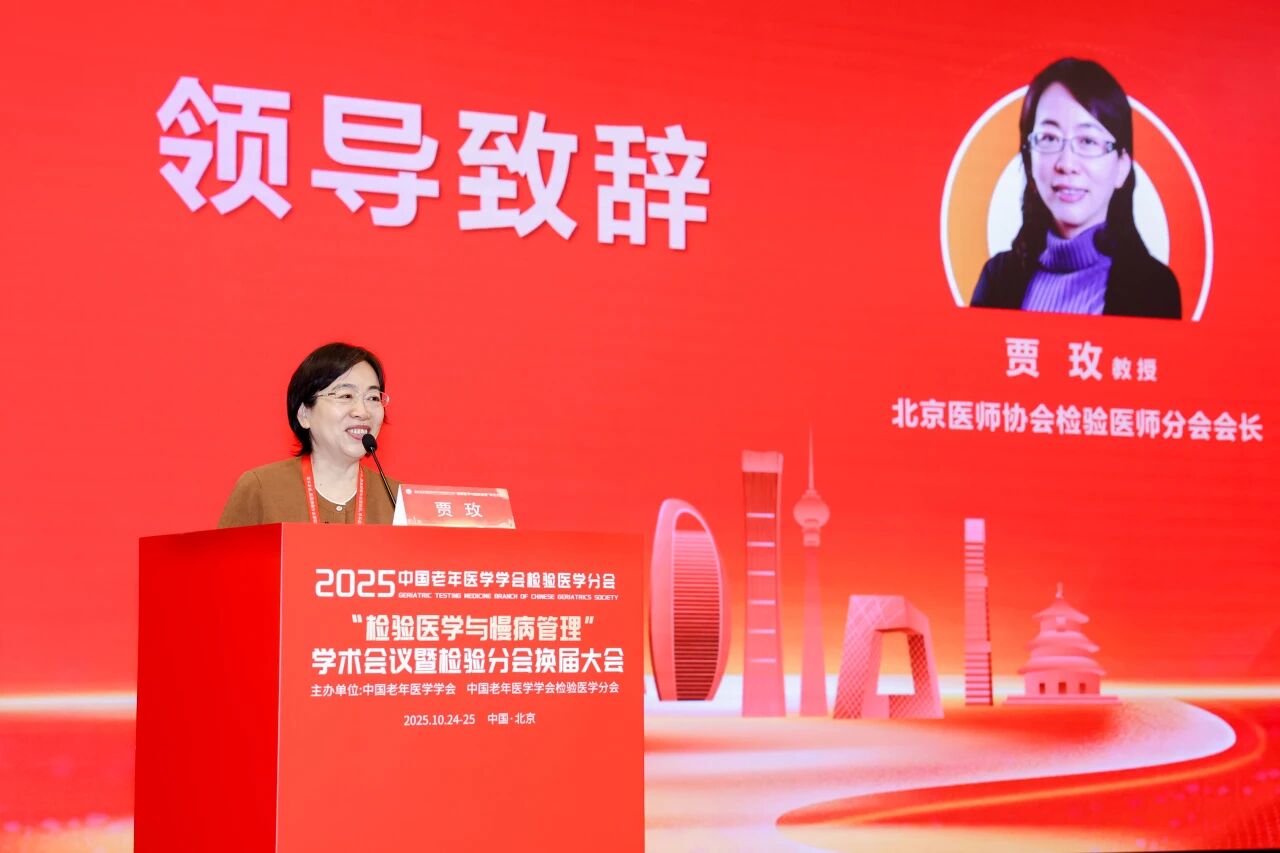
Professor Jia Mei, the president of the Laboratory Physicians Branch of the Beijing Medical Doctor Association, in her speech, expressed the hope that laboratory experts would explore new applications and strategies for elderly health management through this conference, and contribute to improving the prevention and treatment level of chronic diseases among the elderly in China and promoting the high-quality development of the elderly health cause.
The opening ceremony of the conference was presided over by Professor Zhou Yu, vice president of the branch and from the Second Medical Center of the PLA General Hospital.
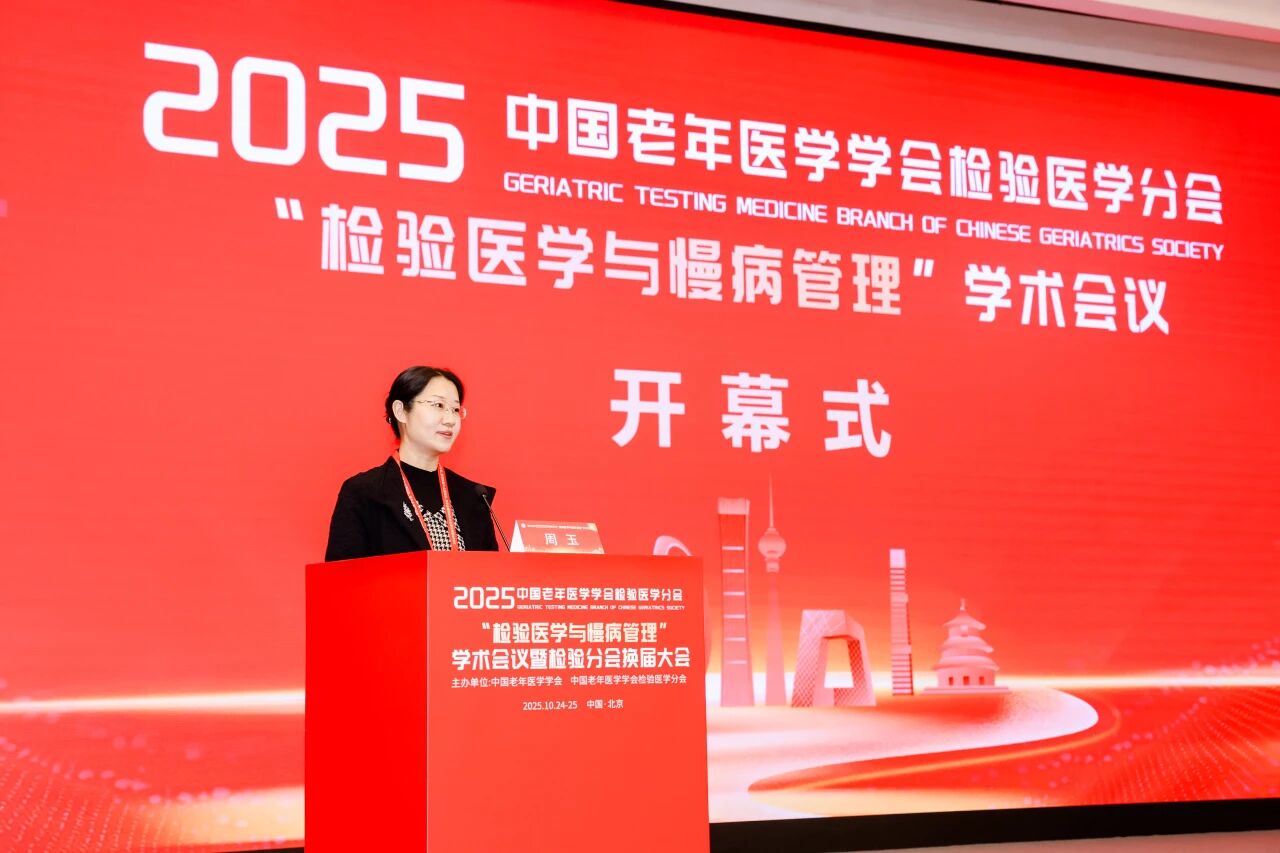
Both the conference reports and the special sessions of this event were conducted in a hybrid format of offline and online live streaming. Over 500 representatives attended the event on-site, including members of the third committee of the Inspection Branch and inspection colleagues from across the country. Nearly 60,000 people watched the event online, and all the meeting contents were retained for online replay.
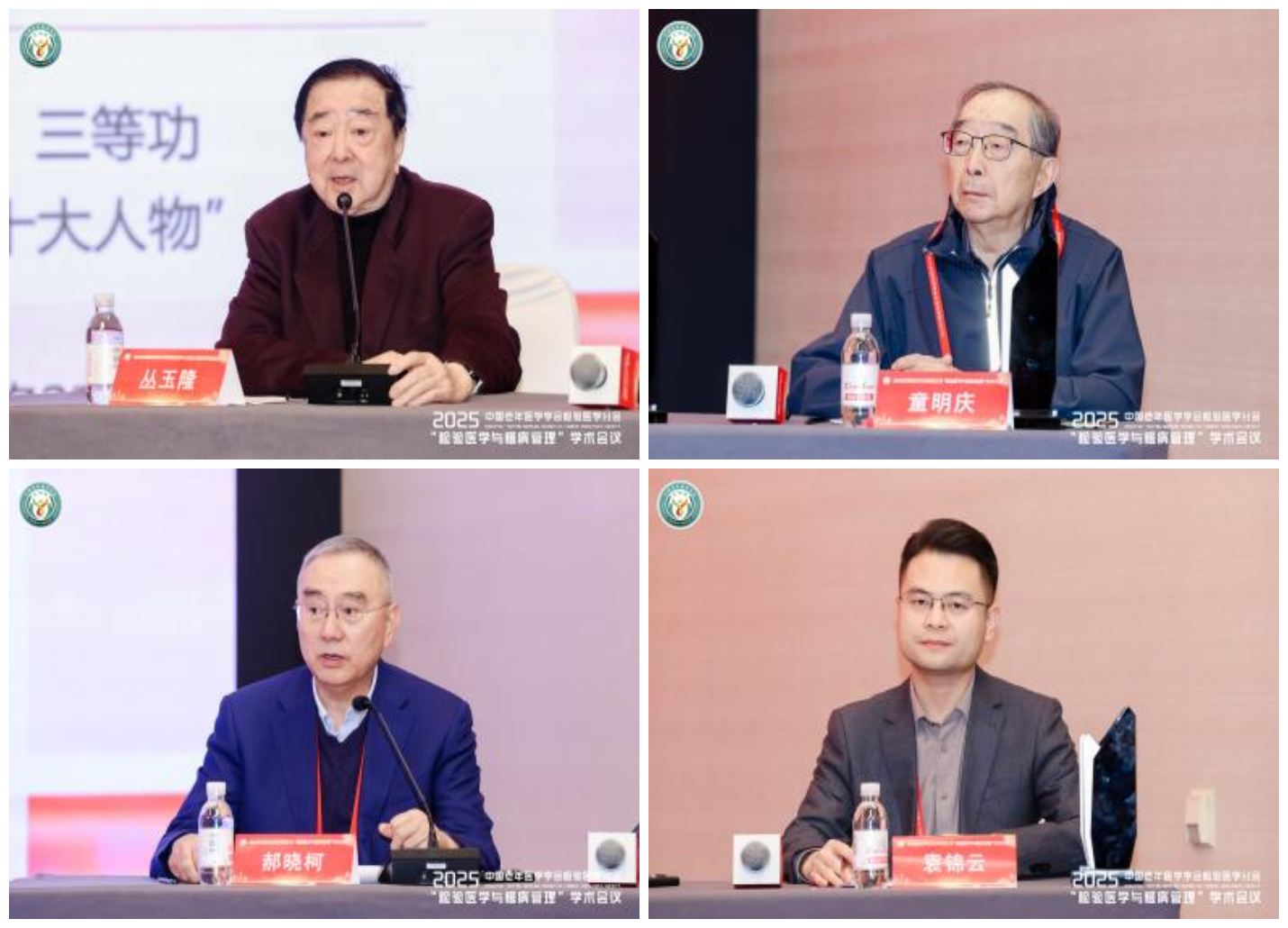
The conference report was themed "Cross-border Integration, Jointly Building the Health of the Elderly". Professor Cong Yulong, honorary president of the branch, Professor Tong Mingqing from the First Affiliated Hospital of Nanjing Medical University, Professor Hao Xiaoke, director of the Institute of Clinical Laboratory Medicine of the PLA, and Mr. Yuan Jinyun, Vice president of the third committee of the branch and from Shenzhen New Industry Biomedical Engineering Co., LTD., serve as academic hosts.
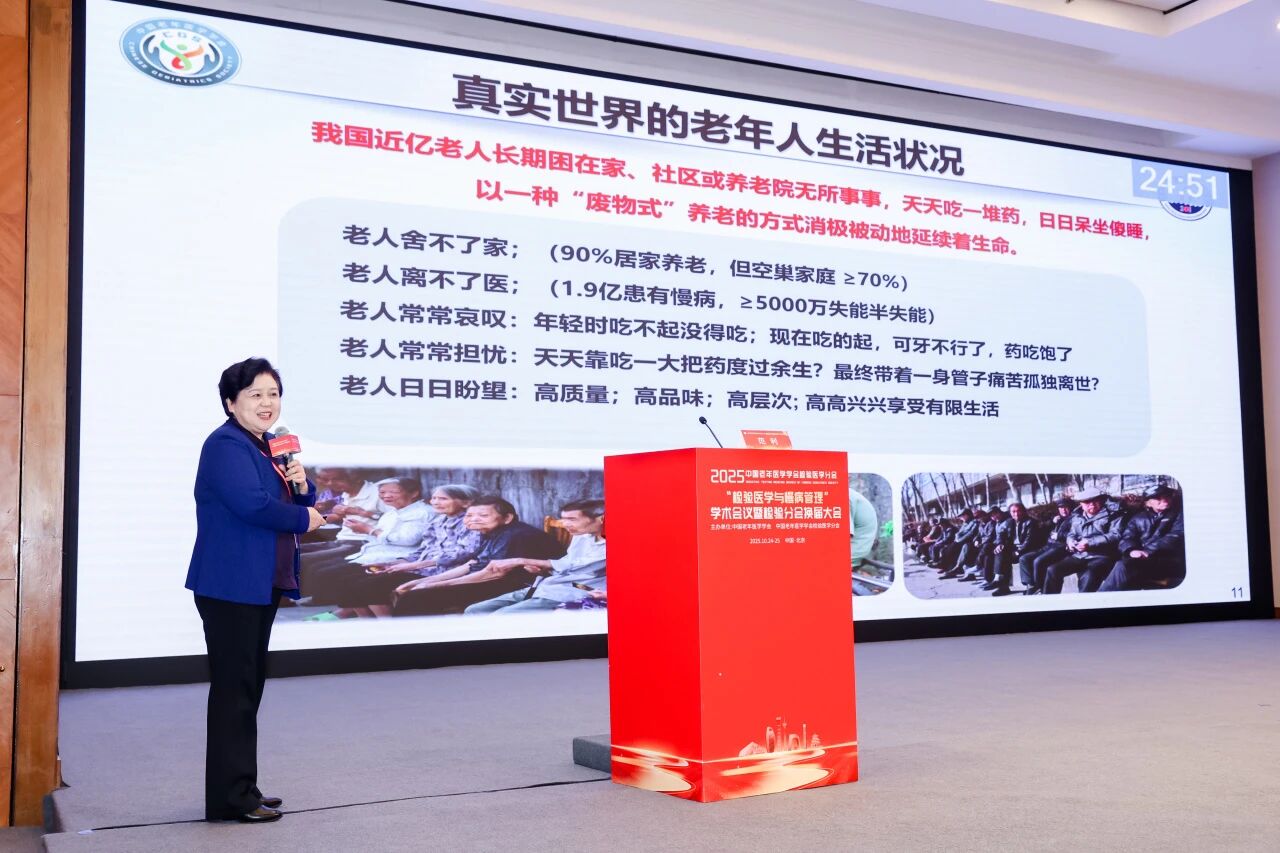
Professor Fan Li, the president of the Chinese Geriatrics Society and from the General Hospital of the People's Liberation Army, first delivered a keynote speech on "The Development of Geriatrics and the Management of Comorbidities", systematically sorting out the current situation of aging in China and the new directions of geriatrics development. The report indicates that by 2024, the population aged 60 and above in China will reach 310 million. The proportion of elderly inpatients with comorbidities will exceed 90%, with an average of 4.68 diseases. Moreover, multiple medications are widespread and there is a shortage of over 10 million care professionals. Healthy aging is facing severe challenges. In terms of technological innovation, the non-invasive multi-drug gene detection technology has achieved simultaneous detection of 101 drugs, 66 genes, and 140 loci. It has been clinically transformed in 4,379 elderly patients with comorbidiasis, effectively reducing the risk of drug-induced adverse reactions. In terms of disciplinary development and concept upgrading, geriatrics is shifting from single-disease treatment to "holistic" comprehensive management. It is necessary to promote a multi-disciplinary collaborative diagnosis and treatment model and strengthen integrated services such as nutritional support, psychological care, and rehabilitation intervention. The report also suggests that the core of geriatric medicine should focus on "functional maintenance". Through scientific exercise prescriptions, individualized nutritional intervention, palliative care and other means, combined with the training of professional talents such as elderly health care workers and psychological care workers, a modern health and elderly care system with warmth and standardization should be constructed to achieve the goal of healthy aging with "no decline in old age and no disability in illness".
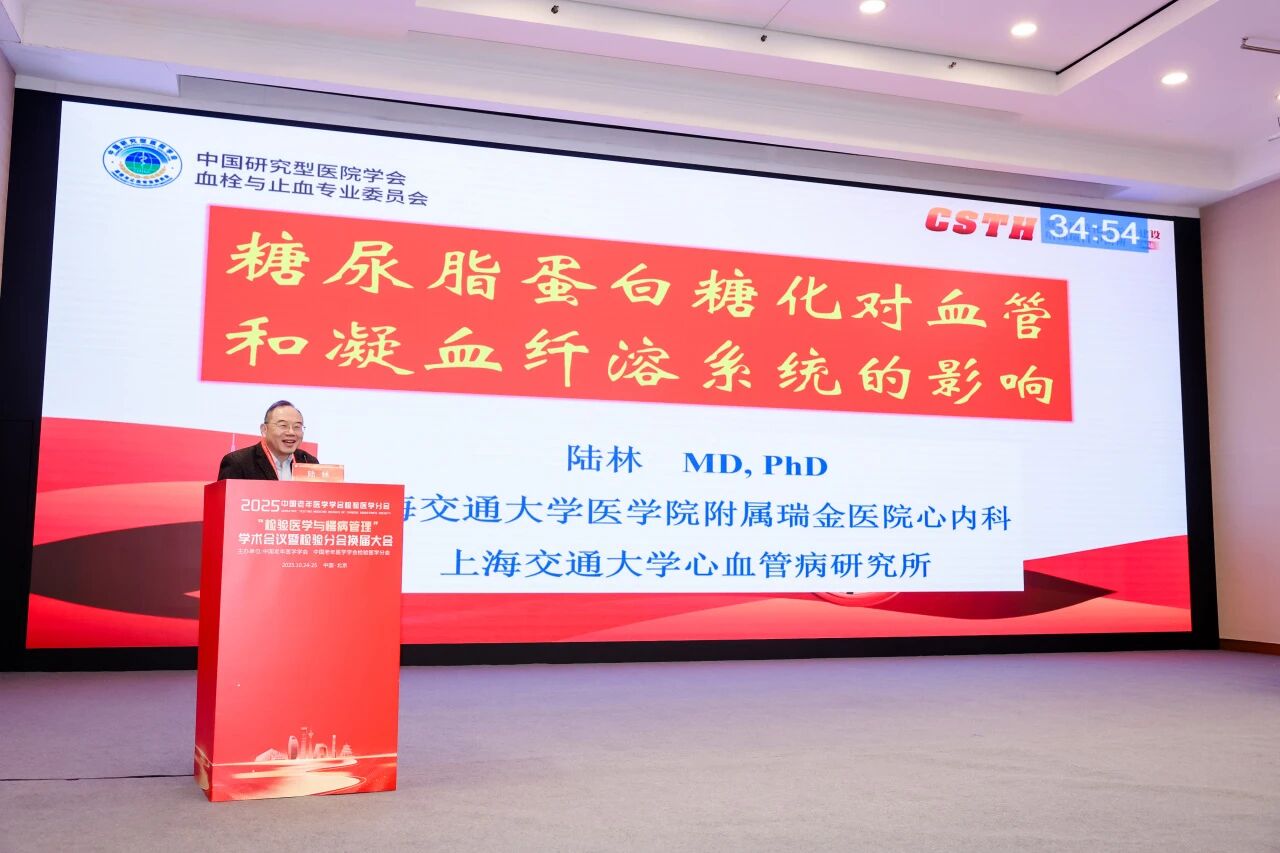
Subsequently, Professor Lu Lin from the Department of Cardiology at Ruijin Hospital, Shanghai Jiao Tong University School of Medicine, delivered a keynote report on "The Impact of Diabetic Lipoprotein Glycation on Blood Vessels and the Coagulation and Fibrinolysis System", bringing multi-dimensional breakthroughs in the prevention and treatment of diabetic vascular complications. The report indicates that patients with diabetes have a high risk of cardiovascular death, and their dyslipidemia shows "dual abnormalities in quality and quantity", making it difficult for traditional tests to fully reflect the risks. In terms of mechanism research, it is clear that hyperglycemia leads to non-enzymatic glycation of lipoproteins (LDL, HDL, apoA-I, etc.), inducing oxidative stress and inflammation, and nuclear receptor TR4 is a key mediating factor for abnormal lipid transport caused by glycated apoA-I. From a technical perspective, the team previously established a mass spectrography-based apoA-I glycation modification detection technology, verified that the apoA-I glycation index is an independent risk factor for diabetes mellitus complicated with coronary heart disease, and developed a CTO-Glycation scoring system for predicting the risk of poor angiogenesis after ischemia. Clinical studies have confirmed that hyperglycated albumin is an independent predictor of low response to clopidogrel in patients with ACS. Finally, Professor Lu proposed a new concept, that is, lipoprotein glycation modification is a key bridge connecting diabetic metabolic disorders and cardiovascular complications. In the future, clinical prevention and control should focus on the full-chain management of "precise screening of glycation modification - risk stratification - targeted intervention" to achieve the transformation from passive treatment to active prevention.
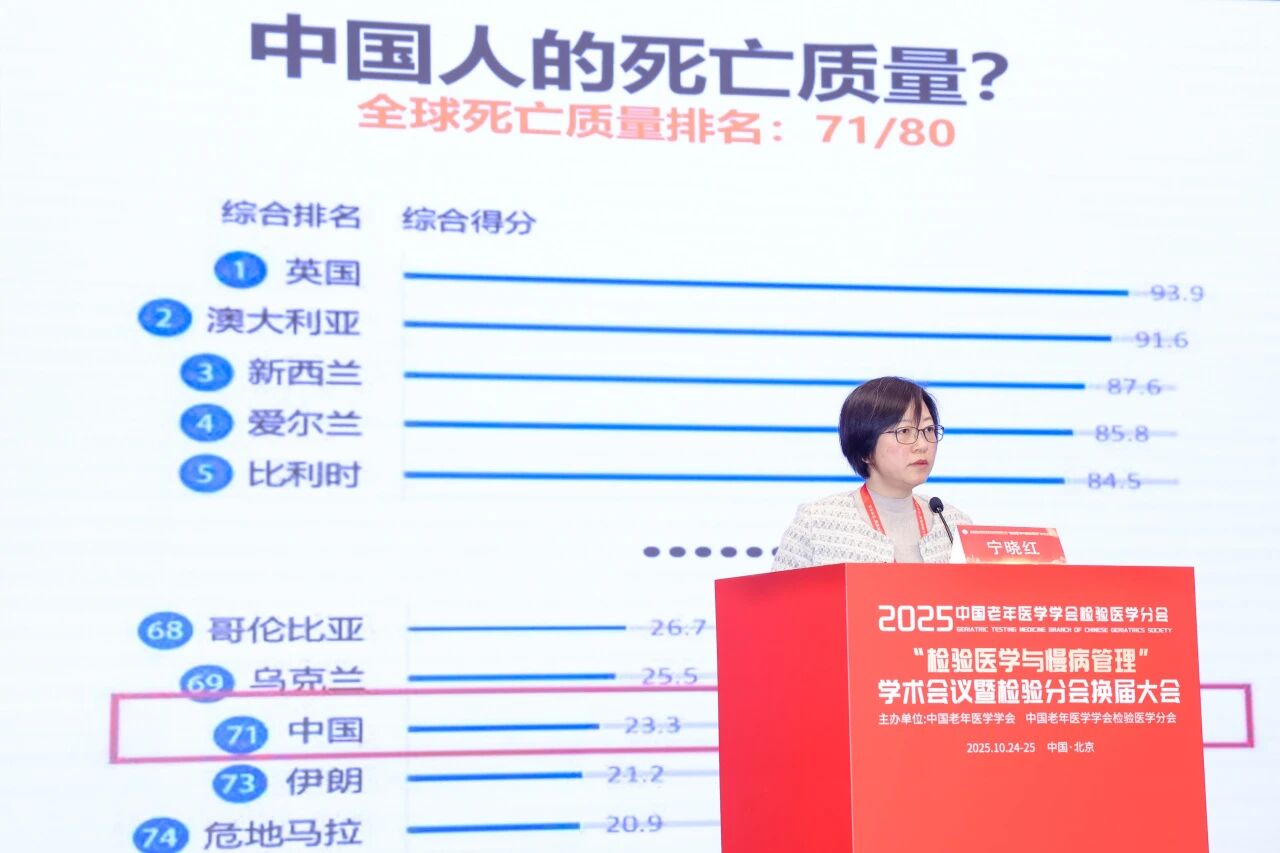
Professor Ning Xiaohong from the Palliative Care Center of Peking Union Medical College Hospital delivered a keynote speech titled "Palliative Care: Returning to the Essence of Medicine to Help Address Aging", systematically expounding on the core values and new development paths of palliative care. The report indicates that against the backdrop of an aging population in our country, elderly patients with comorbidities, frailty, and end-stage diseases have an urgent need for palliative care. However, currently, China ranks 71/80 globally in terms of mortality quality, with insufficient supply capacity. Moreover, medical staff often feel helpless and confused when dealing with end-stage patients, lacking professional support. The Palliative Medicine Center of Peking Union Medical College Hospital has been practicing the construction of a full-process service model that integrates "in-hospital + out-of-hospital, online + offline, and specialized + palliative care". It has innovated "flexible beds" and a "three-level linkage network", and has linked up with 7 medical alliance units and multiple community health service centers to achieve two-way referrals. At the teaching level, we have established a nationally leading "Palliative Medicine" curriculum system and carried out national teacher training through the "Dandelion Project", having cultivated over a thousand medical and social work talents. The report emphasizes that palliative care should focus on symptom control, communication support, and family care, enabling patients to suffer less and maintain their dignity in the final stage of life, while reducing the burden on their families, achieving a win-win situation for "patients, families, medical staff, and the country", and providing humanistic medical support for addressing aging.
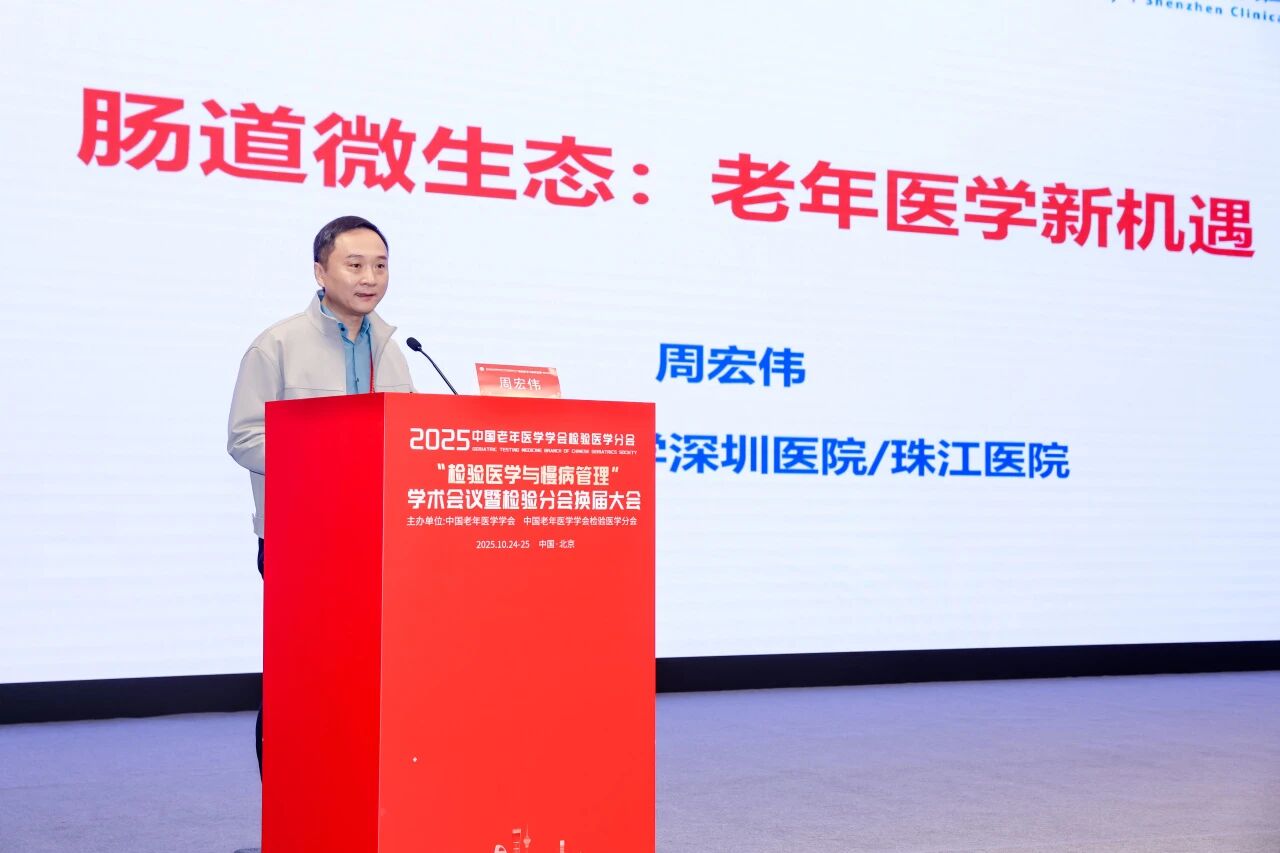
Professor Zhou Hongwei, the president of Shenzhen Hospital of Southern Medical University, delivered a keynote speech titled "Intestinal Microecology: New Opportunities for Geriatric Medicine", revealing the correlation mechanism between intestinal microecology and geriatric diseases as well as the innovative directions for diagnosis and treatment. The report indicates that the elderly population is confronted with multiple disease challenges such as cardiovascular and cerebrovascular diseases, neurodegenerative diseases, and metabolic diseases. Intestinal flora imbalance is a key indicator of human aging and participates in the occurrence and development of elderly diseases through multiple pathways including metabolism, immunity, and neurology. The team discovered that the gut microbiota has age characteristics, and the aging of the microbiota is closely related to geriatric diseases such as hypertension, diabetes, and obesity, and successfully identified key gut bacteria associated with multiple diseases. In terms of innovative diagnostic techniques, the construction of early warning models using intestinal flora and metabolites can predict the risks of post-stroke complications, heart failure, hepatic encephalopathy, etc. 3 to 6 months in advance. In terms of intervention strategies, a new targeted intervention approach of "food and medicine sharing the same origin + intestinal flora" has been proposed. The report proposes a new concept that intestinal microecology is the core target of precise diagnosis and treatment in geriatric medicine. In the future, it is necessary to combine multi-omics technology, causal mechanism research and personalized intervention to build a complete system of "association research - mechanism analysis - clinical transformation", providing a brand-new solution for the prevention and treatment of geriatric diseases.
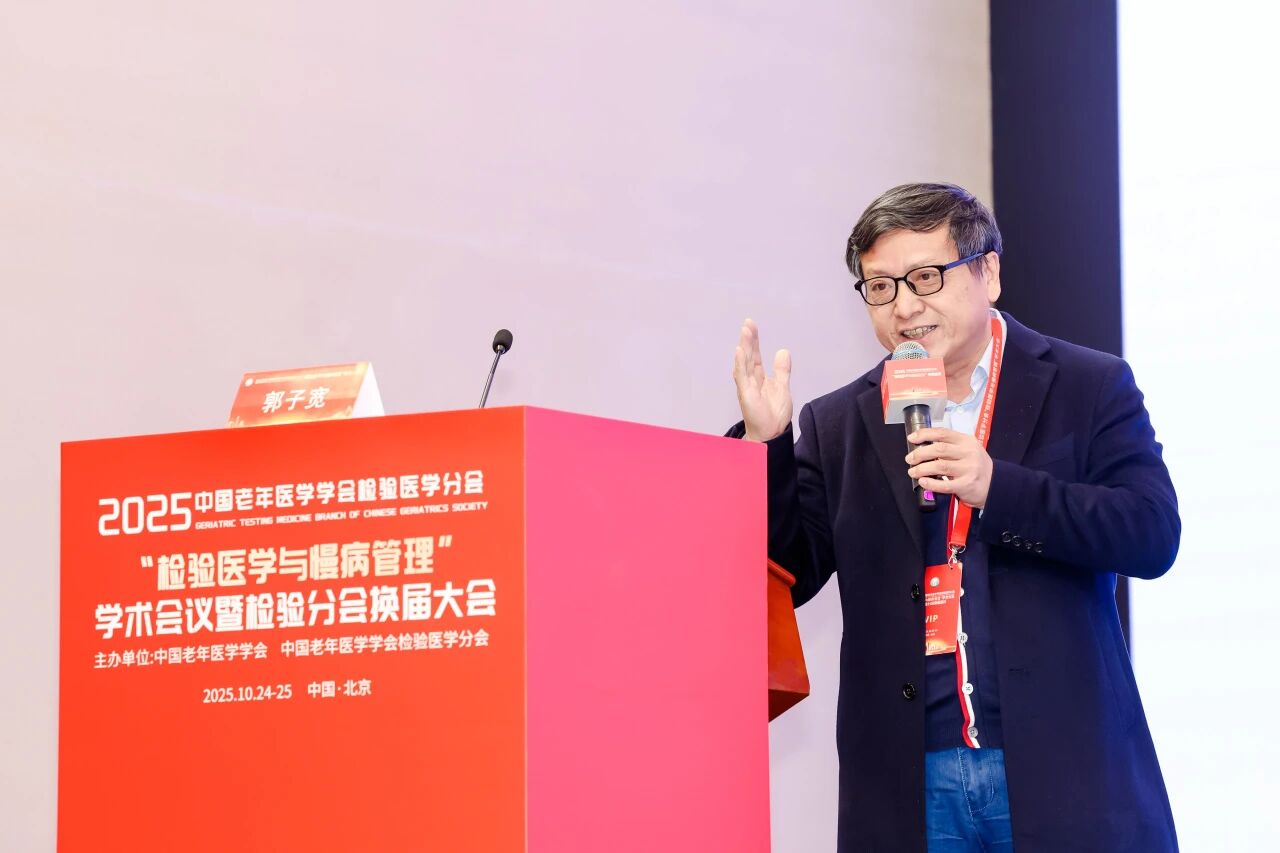
Professor Guo Zikuan from the Second Institute of the former Academy of Military Medical Sciences delivered a keynote speech on "Clinical Trial Research of Mesenchymal Stem Cells", deeply analyzing the research progress and clinical application directions of mesenchymal stem cells (MSCS) and related derivative technologies. The report indicates that there are already over 1,800 MSC-related trials worldwide covering diseases of multiple tissues and organs. The mechanism of action of MSC has been confirmed to mainly rely on extracellular vesicles (including exosomes, etc.), which have functions such as promoting angiogenesis, immunomodulation and anti-inflammation, and protecting neural tissues. Moreover, it has given rise to a variety of administration methods, and related clinical trials have been expanded to multiple scenarios such as hair loss treatment and post-stroke sequelae repair. The report emphasizes the need to break through the bottlenecks such as the heterogeneity and separation and purification of MSC exosomes. In the future, efforts should be focused on optimizing cell sources, upgrading culture techniques, and standardizing the preparation of exosomes, promoting the precise application of stem cell-derived technologies in chronic disease management, tissue repair, and other fields.
On the afternoon of October 25th, the conference also set up four sub-forums under four major topics: "Detection and Prevention of Thrombosis and Cardiovascular Risk in the Elderly", "Test-driven and Diagnosis and Treatment of Tumors and Leukemia in the Elderly", "Decoding and Prevention of Metabolic Diseases in the Elderly", and "Empowerment and Management of Chronic Diseases and Comorbidities in the Elderly", to simultaneously carry out special academic reports and exchange discussions. In-depth exchanges were held at each venue, achieving multi-dimensional and cross-disciplinary academic collisions, further expanding the breadth and depth of academic exchanges.
Against the backdrop of an increasingly aging population in our country, the health of the elderly has become a key focus of national strategy. The Outline of the "Healthy China 2030" Plan clearly requires strengthening health guidance and comprehensive intervention for common and chronic diseases among the elderly. This academic conference brought together top experts and colleagues from multiple disciplines across the country for exchange and discussion. It focused on the cutting-edge hotspots and clinical difficulties in geriatric laboratory medicine, and conducted in-depth discussions and exchanges on the latest progress from the basic to the clinical, from prevention to management, effectively promoting the construction of the entire chain of "prevention - diagnosis - management" for chronic diseases in the elderly. It has injected strong impetus into improving the diagnosis and treatment level of chronic diseases in the elderly and promoting the high-quality development of the modern geriatric medical system with Chinese characteristics.
Prev
【 Meeting Notice 】 Lung Healing in Unison - Exchange Meeting on Full-Process Management, Diagnosis and Treatment of Lung Cancer
Next
The "4th Academic Conference on the Development of Undergraduate Education in Health Service and Management and the 'Xunkang Cup' National College Students' Health Management Scenario Simulation Sand Table Competition" organized by the College Education Branch of the China Geriatrics Society was successfully held