
Special Report on the "2025 Laboratory Medicine and Chronic Disease Management" Academic Conference: Focusing on the Detection and Prevention of Thrombosis and Cardiovascular Risk in the Elderly, It explores core risks and Jointly examines precise prevention and Control strategies
I. Special Topic Launch: Focusing on Clinical Needs and Setting the academic Tone
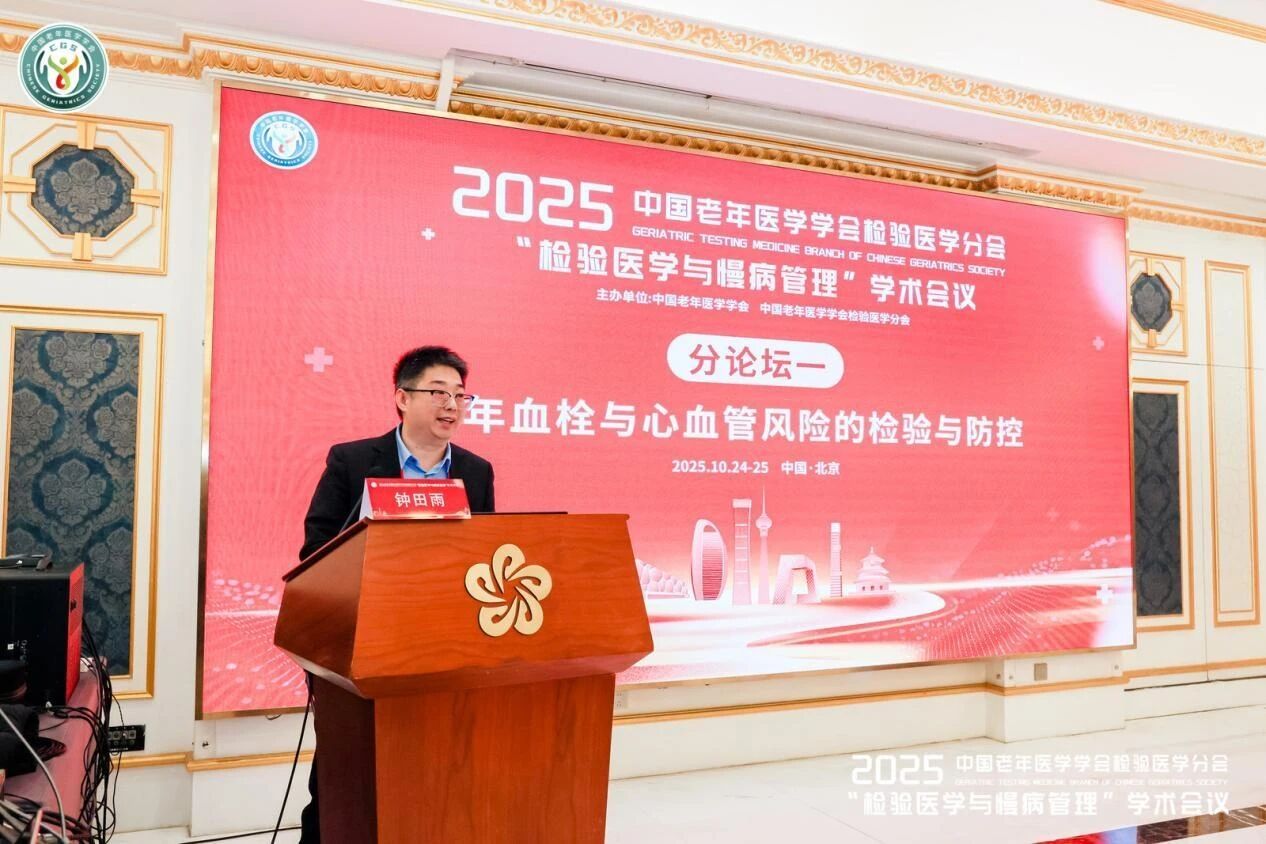
On the afternoon of October 25, 2025, a special meeting on "Detection and Prevention of Thrombosis and Cardiovascular Risk in the Elderly" was successfully held. The conference was co-chaired by Professor Jiang Hong, Deputy Director of the Department of Laboratory Medicine at West China Hospital of Sichuan University and Deputy Director of the Department of Laboratory Medicine at West China School of Clinical Medicine, and Professor Zhong Tianyu, Director of the Department of Laboratory Medicine/Blood Transfusion at East China Hospital Affiliated to Fudan University. At the beginning of the conference, Professor Zhong Tianyu emphasized in his speech that the prevention and control of thrombosis and cardiovascular diseases in the elderly is a core point of healthy aging. It is necessary to be guided by clinical needs and driven by academic innovation to set a practical and progressive tone for the entire conference.
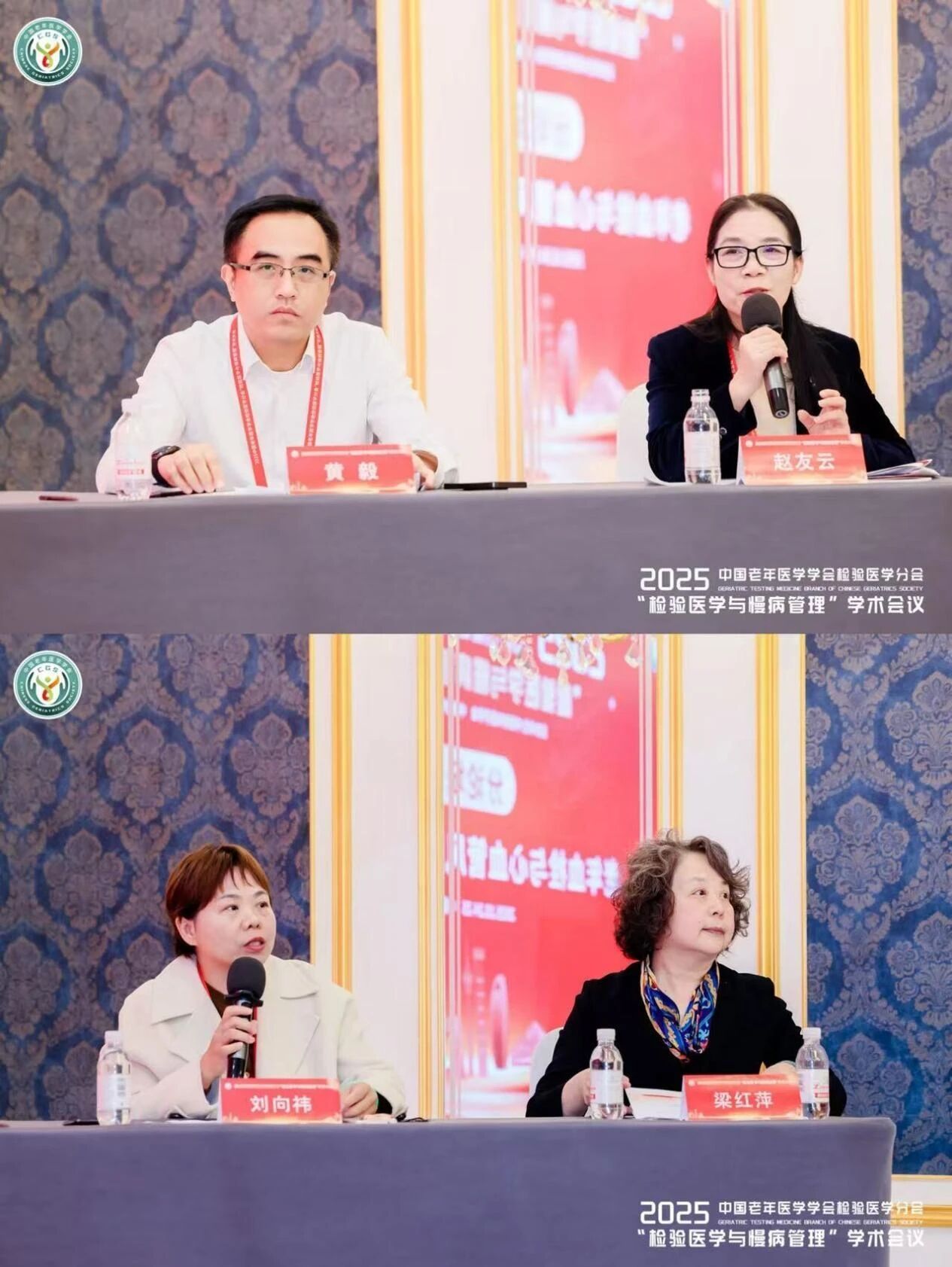
The meeting was co-chaired by Professor Huang Yi from the Department of Laboratory Medicine of Provincial Hospital Affiliated to Fuzhou University, Professor Zhao Youyun from the Department of Laboratory Medicine of Hubei Provincial Hospital of Traditional Chinese Medicine, Professor Liu Xiangyi from the Department of Laboratory Medicine of Beijing Tongren Hospital Affiliated to Capital Medical University, and Professor Liang Hongping from the Department of Laboratory Medicine of Shanxi Provincial People's Hospital.
Ii. Expert Lectures: Delving into cutting-edge fields, sharing new achievements in precise prevention and control
The conference has specially invited five senior experts in the field of cardiovascular medicine to give lectures and conduct in-depth sharing on the integration of laboratory techniques and clinical practice
Professor Chen Qian (Department of Cardiology, Second Medical Center of the PLA General Hospital) : With the title "Laboratory Perspective on Hypertension Diagnosis and Treatment", she comprehensively expounded on the value of laboratory tests as clinical "fluoroscopy". She pointed out that screening for primary aldosteronism (PA) has been expanded from high-risk groups to all newly diagnosed hypertensive patients. The aldosterone-renin ratio (ARR), as a key screening tool, its standardized sampling and reasonable interpretation have become a hot topic of discussion. Meanwhile, the role of indicators such as the urine microalbumin/creatinine ratio (UACR) and glycated hemoglobin (HbA1c) in the early assessment of renal injury and metabolic risks has become increasingly prominent, promoting the transformation of hypertension management from "achieving blood pressure targets" to "organ protection and risk early warning". The report advocates an individualized and full-process management strategy oriented towards testing. Improve the level of hypertension prevention and control in our country.
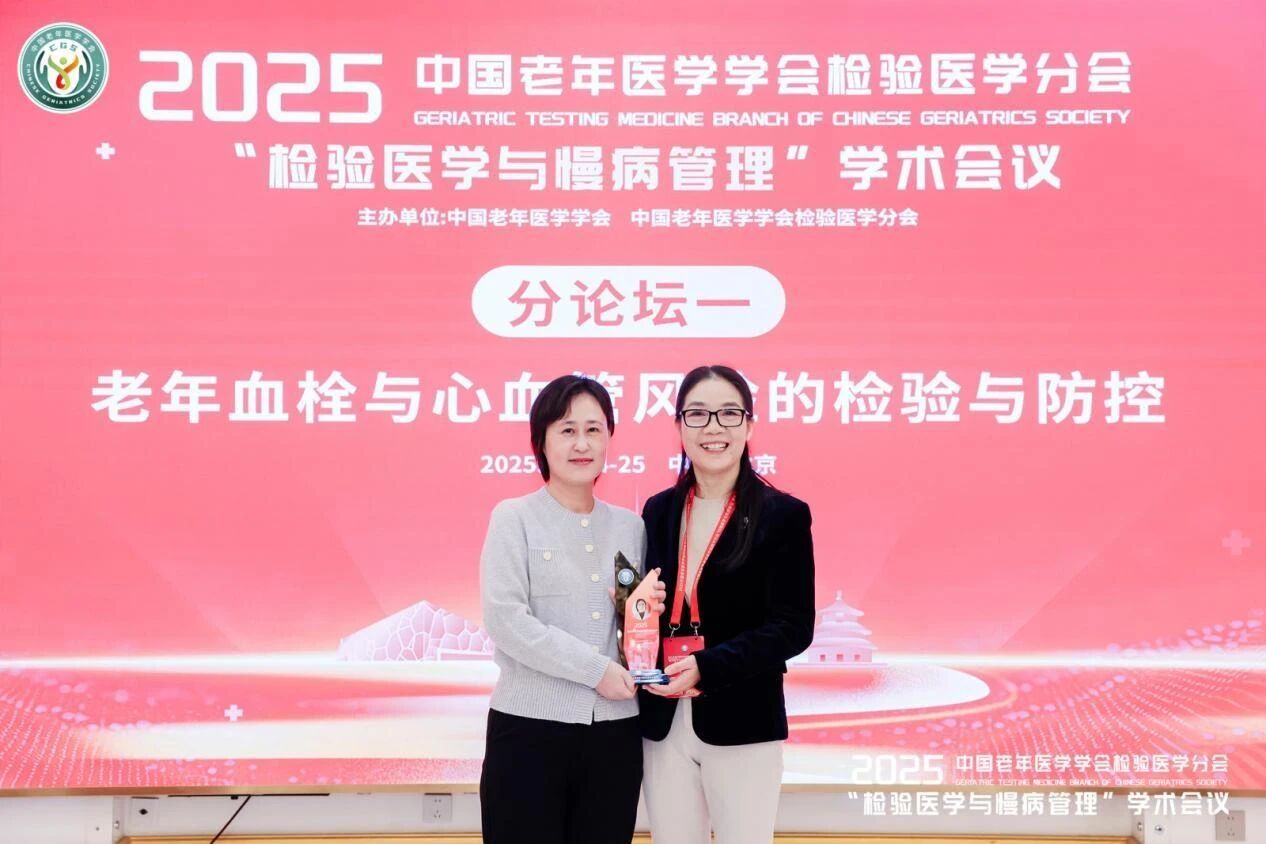
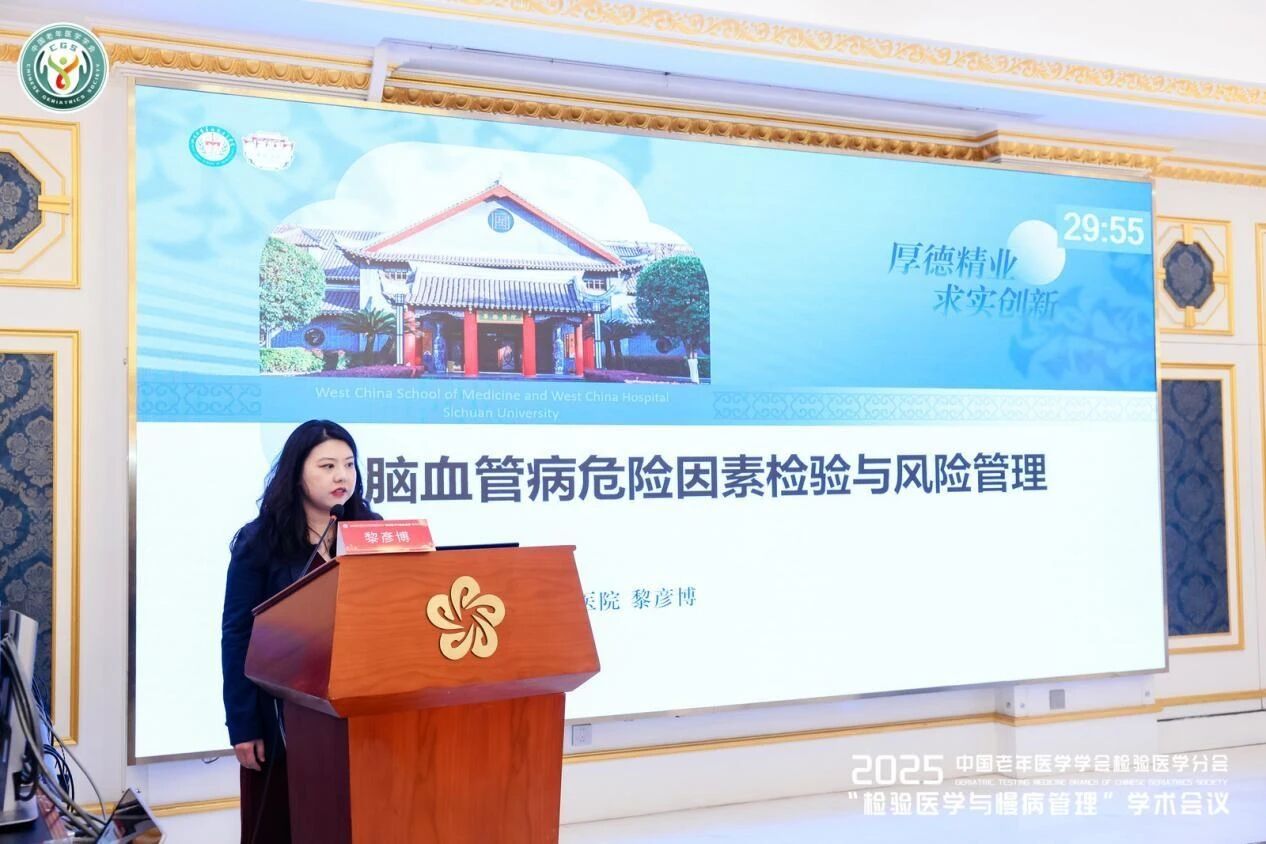
Dr. Li Yanbo (Department of Neurology, West China Hospital, Sichuan University) Centering on "Testing of Risk Factors for Cerebrovascular Diseases and Risk Management", it is pointed out that the early identification and intervention of risk factors for cerebrovascular diseases should be emphasized. The precise risk assessment strategy based on novel biomarkers is explored, highlighting the emerging value of Lp(a), hyperhomocysteine, hs-CRP, etc. in risk stratification. Meanwhile, individualized antiplatelet therapy guided by CYP2C19 gene testing has become a new standard for secondary prevention, and laboratory risk markers can assist in the construction of a full-chain risk management system covering "pre-hospital - in-hospital - post-hospital". In the acute treatment process, a multi-marker rapid detection combination (such as GFAP+MMP-9+S100B) and point-of-care testing (POCT) technology are recommended, aiming to enhance the identification efficiency of large vessel occlusion and significantly shorten the Door-to-Needle Time (DNT).
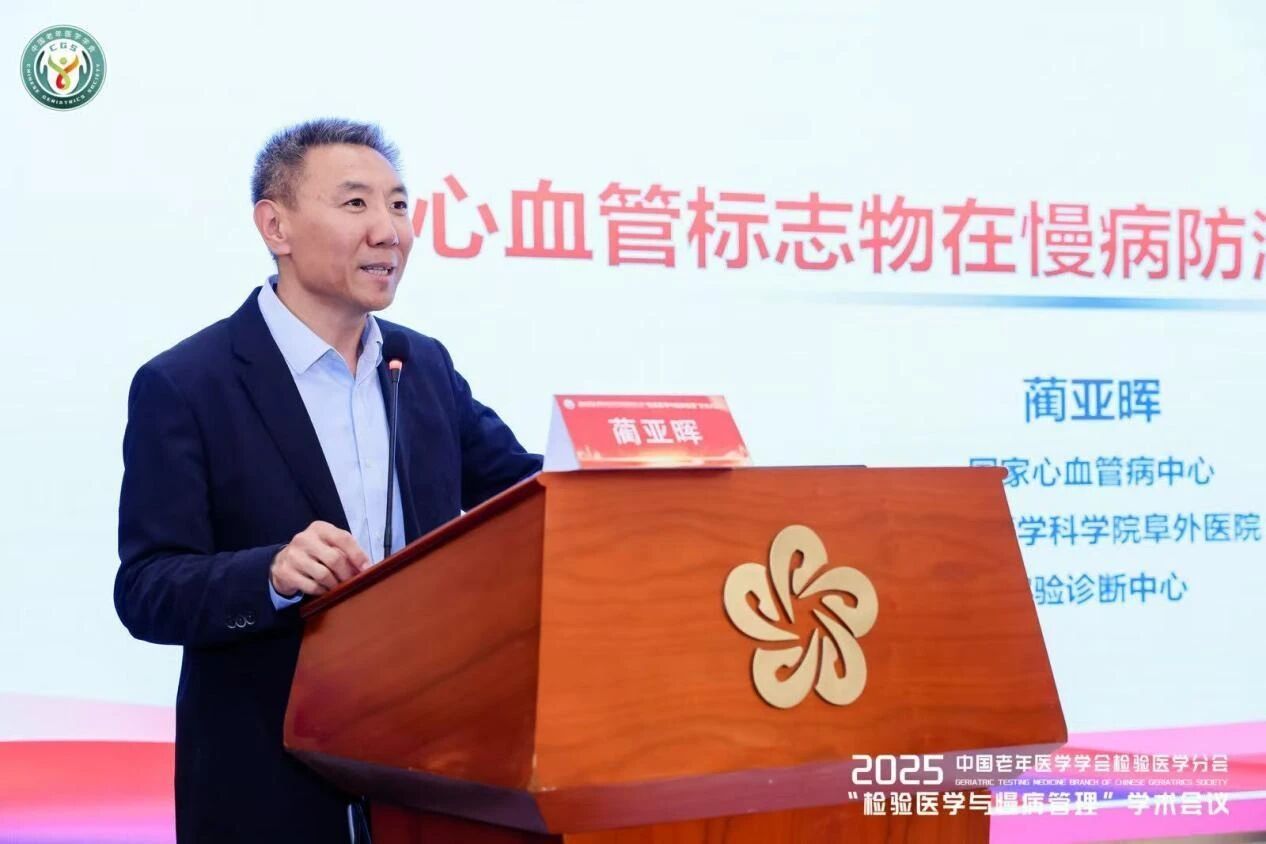
Researcher Lin Yahui (Fuwai Hospital, Chinese Academy of Medical Sciences) : Sharing "The Application of Cardiovascular Markers in the Prevention and Treatment of Chronic Diseases", by analyzing the biological associations between markers and atherosclerosis, myocardial stress, and inflammatory pathways, a theoretical framework of the "subclinical damage - risk progression - compensatory reserve" continuum was constructed. He emphasized that incorporating troponin into models such as China-PAR and ESC-SCORE can significantly enhance the ability of risk stratification and has definite health economic benefits. Multiple large-scale cohort studies have confirmed that the trajectory changes of hs-cTn are key indicators for evaluating long-term prognosis. Integrating hs-cTn with multiple markers such as BNP and Lp(a) to construct a "screening, early warning, and interventional" full-process management path provides key technical support for moving the prevention and treatment of cardiovascular diseases forward.
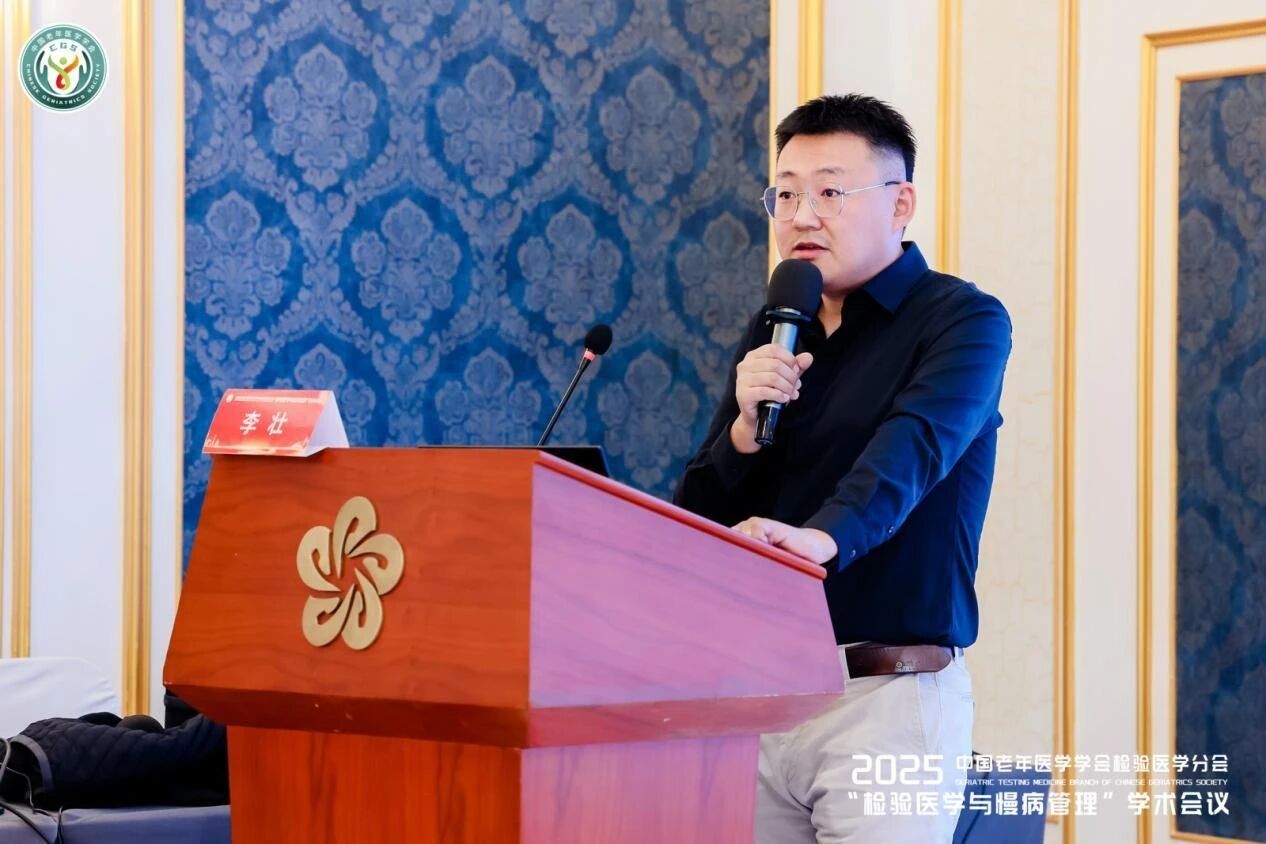
Associate Professor Li Zhuang (Zhujiang Hospital, Southern Medical University) With the theme of "Research on the Mechanism and Clinical Transformation of Gut Microbiota in the Precise Diagnosis and Treatment of Cardiovascular and Cerebrovascular Diseases", this paper systematically introduces the screening of bacterial source markers related to cardiovascular and cerebrovascular diseases, demonstrating the powerful ability of explainable machine learning (Catboost+SHAP) in mining bacterial source biomarkers. A new mechanism by which medicinal and edible components such as puerarin and puerarin polysaccharides improve arteriosclerosis and neurological function impairment after stroke by targeting and regulating the intestinal flora was revealed. For the first time, the core roles of the "gut-brain axis" and the "gut-heart-kidney axis" in the progression of the disease were clarified. The report advocates the construction of a new integrated clinical paradigm from "diagnosis and early warning" to "precise intervention" from the perspective of intestinal flora, highlighting the significant value of laboratory medicine in the prevention and control of cardiovascular and cerebrovascular diseases.
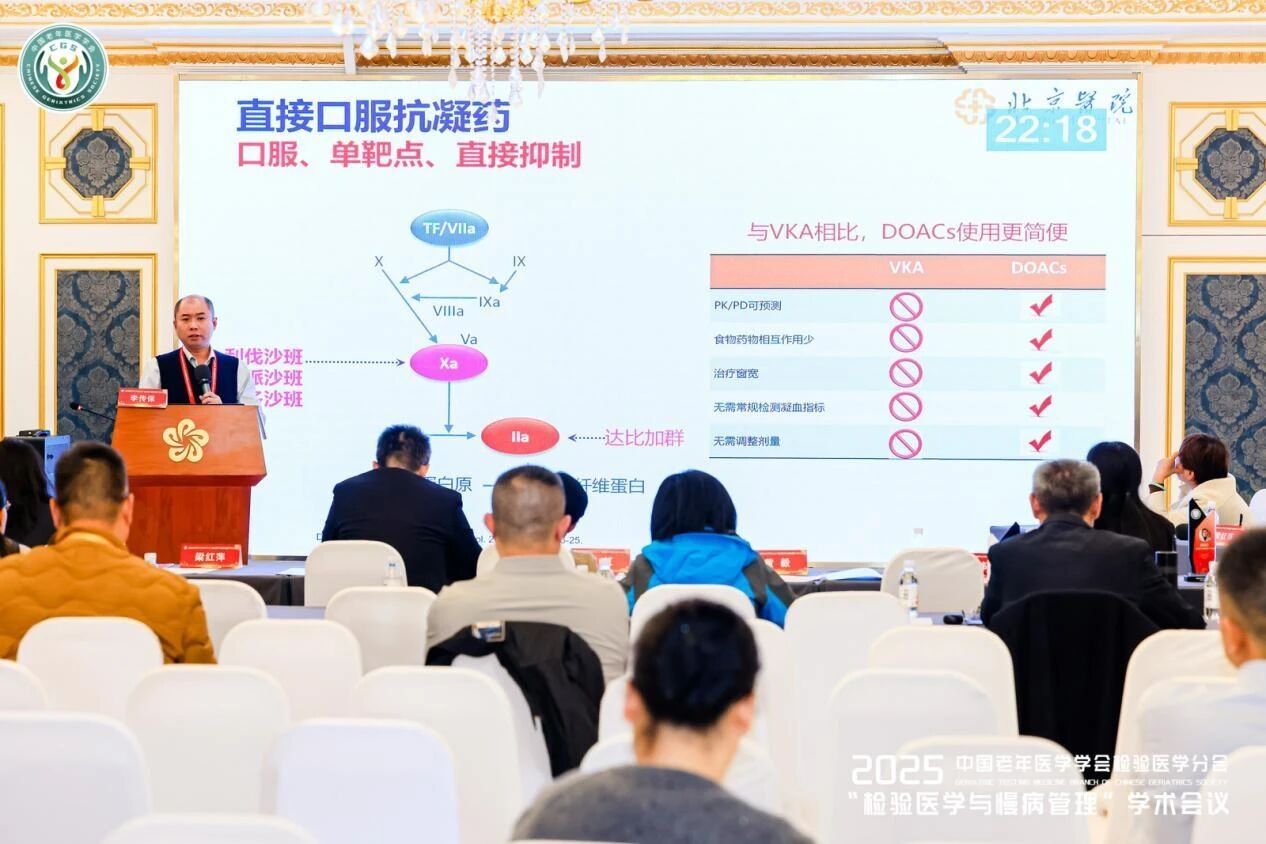
Researcher Li Chuanbao (Beijing Hospital) : Focusing on "The Application of Antiplate and Anticoagulation Monitoring in the Treatment of Coronary Heart Disease", he emphasized the crucial role of standardization and automation of optical turbidimetry (LTA) in enhancing the credibility of platelet function detection. By analyzing the advantages, disadvantages and application scenarios of different monitoring experiments through case studies, the "treatment response variability" of patients and their coping plans are emphasized. It is pointed out that treatment monitoring plays a key role in balancing the risks of thrombosis and bleeding, and individualized treatment requires precise detection. By integrating functional testing and genotyping, a new idea has been provided for the construction of an individualized treatment system featuring "precise antithrombotic, bleeding and thrombosis risk balance".
Iii. Interactive Discussion: Focusing on practical pain points and deepening academic consensus
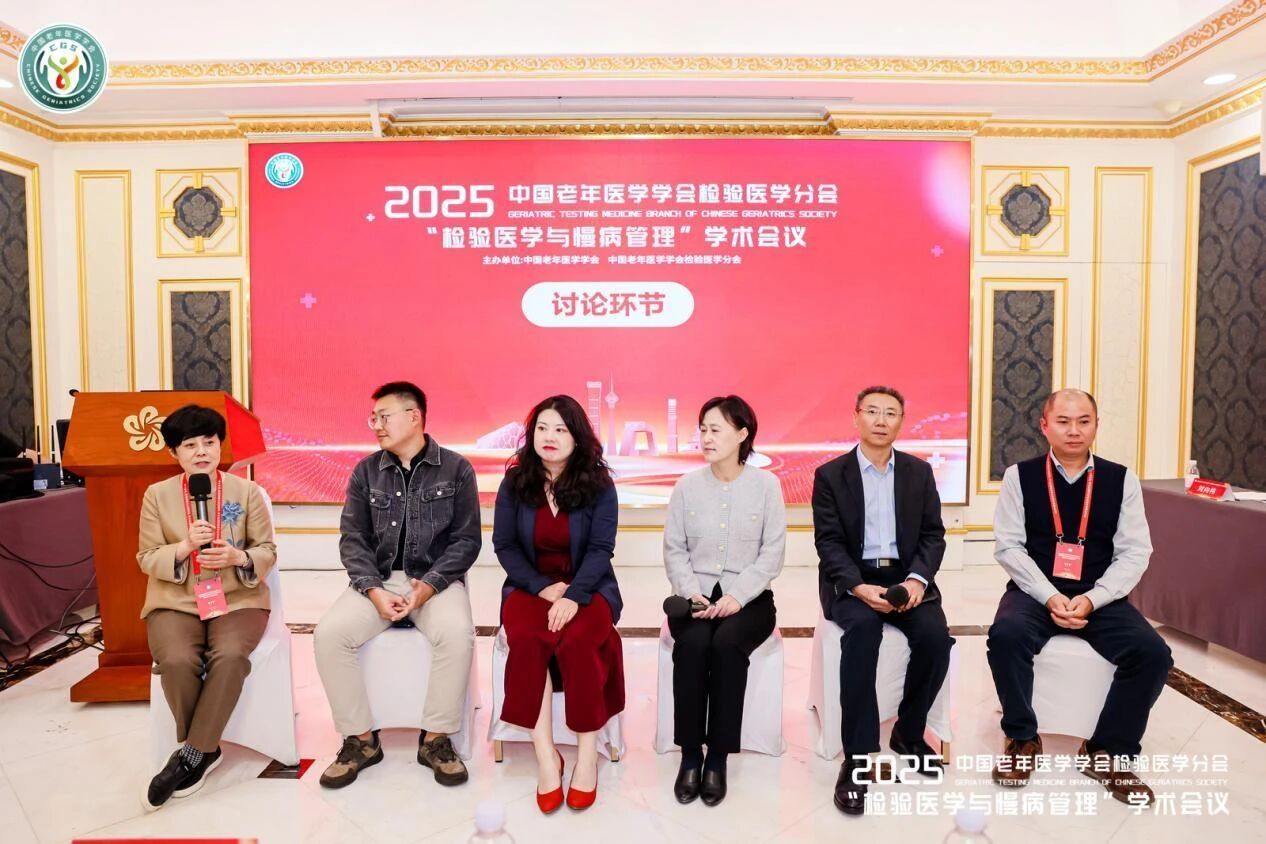
After the lecture session, five experts, Chen Qian, Li Yanbo, Lin Yahui, Li Zhuang and Li Chuanbao, jointly participated in an interactive discussion. They answered questions raised by the participants on the spot regarding clinical practice challenges and confusion in the application of laboratory techniques, achieving a deep connection between academic theory and clinical practice.
Iv. Meeting Summary: Consolidate Industry consensus and empower Elderly health
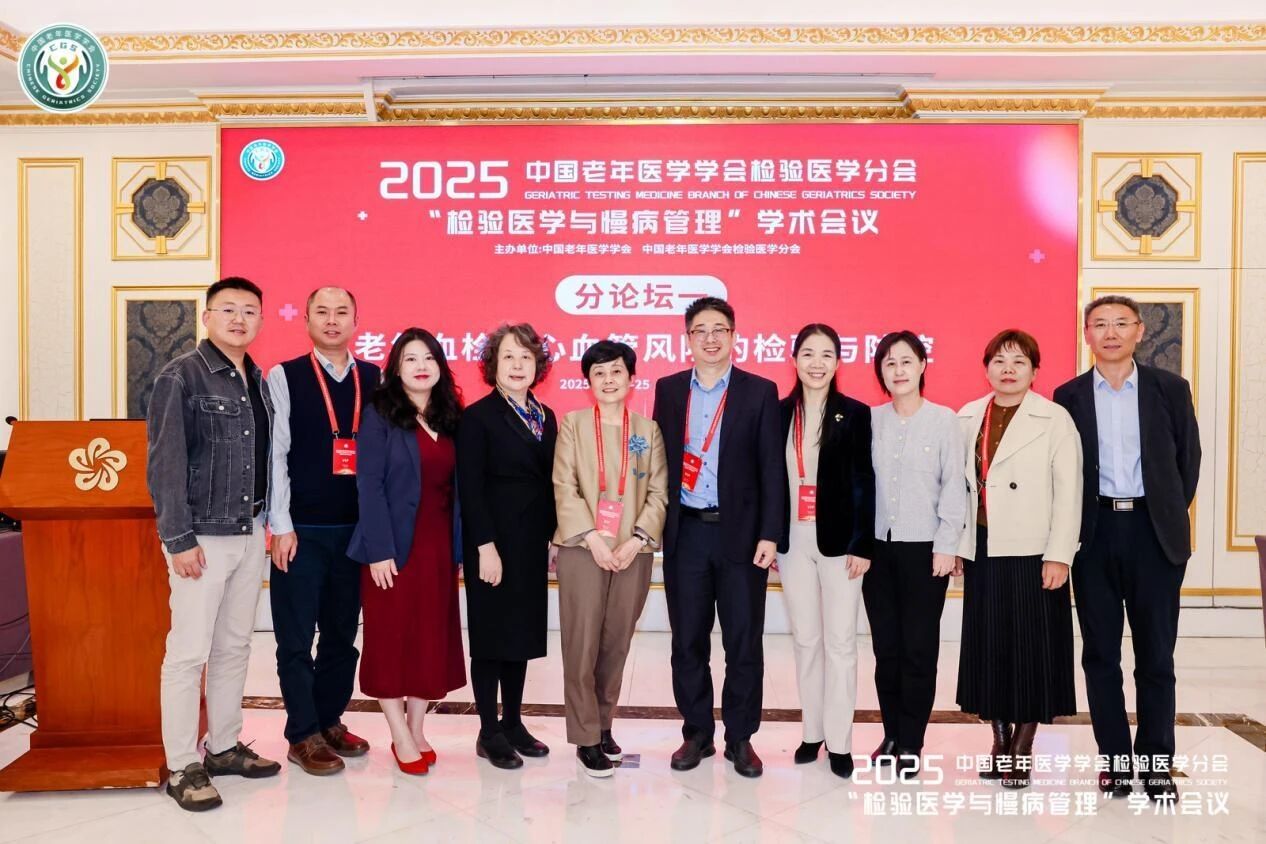
Finally, Professor Jiang Hong concluded that this forum, through multi-dimensional exchanges and in-depth discussions, provided new ideas and methods for the prevention and control of thrombosis and cardiovascular risks in the elderly. We look forward to continuously delving deeper into the future and injecting more practical impetus into the management of chronic diseases among the elderly.
Prev
【 Meeting Notice 】 Lung Healing in Unison - Exchange Meeting on Full-Process Management, Diagnosis and Treatment of Lung Cancer
Next
The 2025 Academic Conference of the Laboratory Medicine Branch of the China Geriatrics Society, with the theme of "Jushi Inspection: Safeguarding the Health of the Elderly", was successfully held