
Special Report on the "2025 Laboratory Medicine and Chronic Disease Management" Academic Conference: Laboratory Drive and Innovative Diagnosis and Treatment for Geriatric Tumors and Leukemia - Laboratory Technologies Empower Precise Diagnosis and Treatment of Tumors
I. Special Topic Launch: Anchoring the Precise Target, Consolidating the Foundation of Diagnosis and Treatment
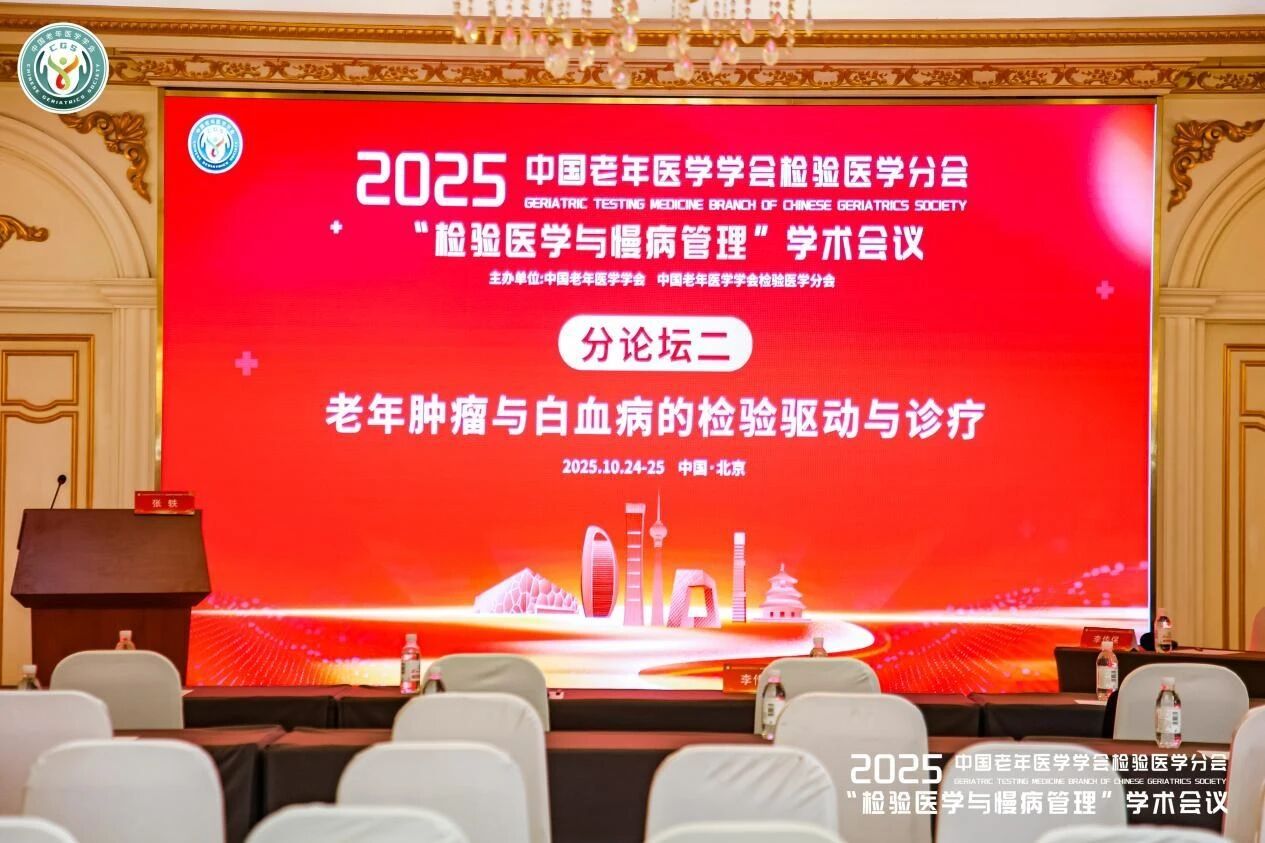
On the afternoon of October 25, 2025, the special conference on "Test-driven and Diagnosis and Treatment of Geriatric Tumors and Leukemia" was successfully held. The conference was co-chaired by Professor Zhao Hu, academic advisor of the Department of Laboratory Medicine of Huadong Hospital Affiliated to Fudan University, and Professor Cao Yingping, Director of the Department of Laboratory Medicine of Union Hospital Affiliated to Fujian Medical University. In his opening remarks, Professor Cao Yingping emphasized that laboratory medicine is the "outpost" and "cornerstone" of precise diagnosis and treatment. Its technological innovation and clinical application are directly related to the early screening, precise classification, therapeutic effect monitoring and prognosis assessment in the diagnosis and treatment of elderly tumors and leukemia. Combining the physiological characteristics and disease features of elderly patients to achieve "test-driven diagnosis and treatment decisions" is an important topic in the current medical field.
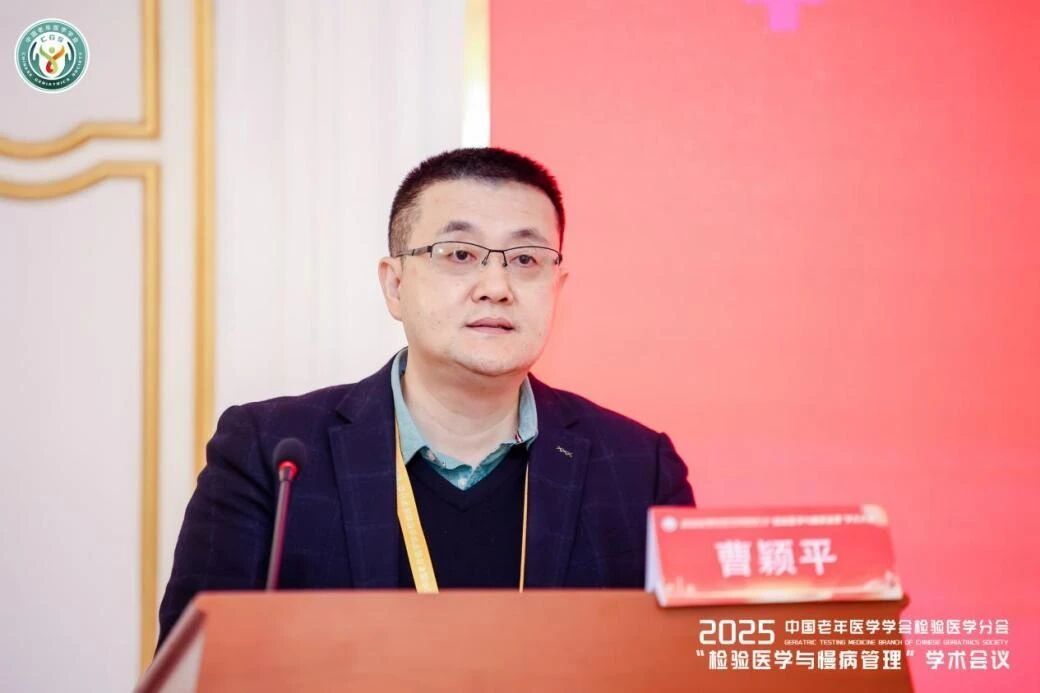
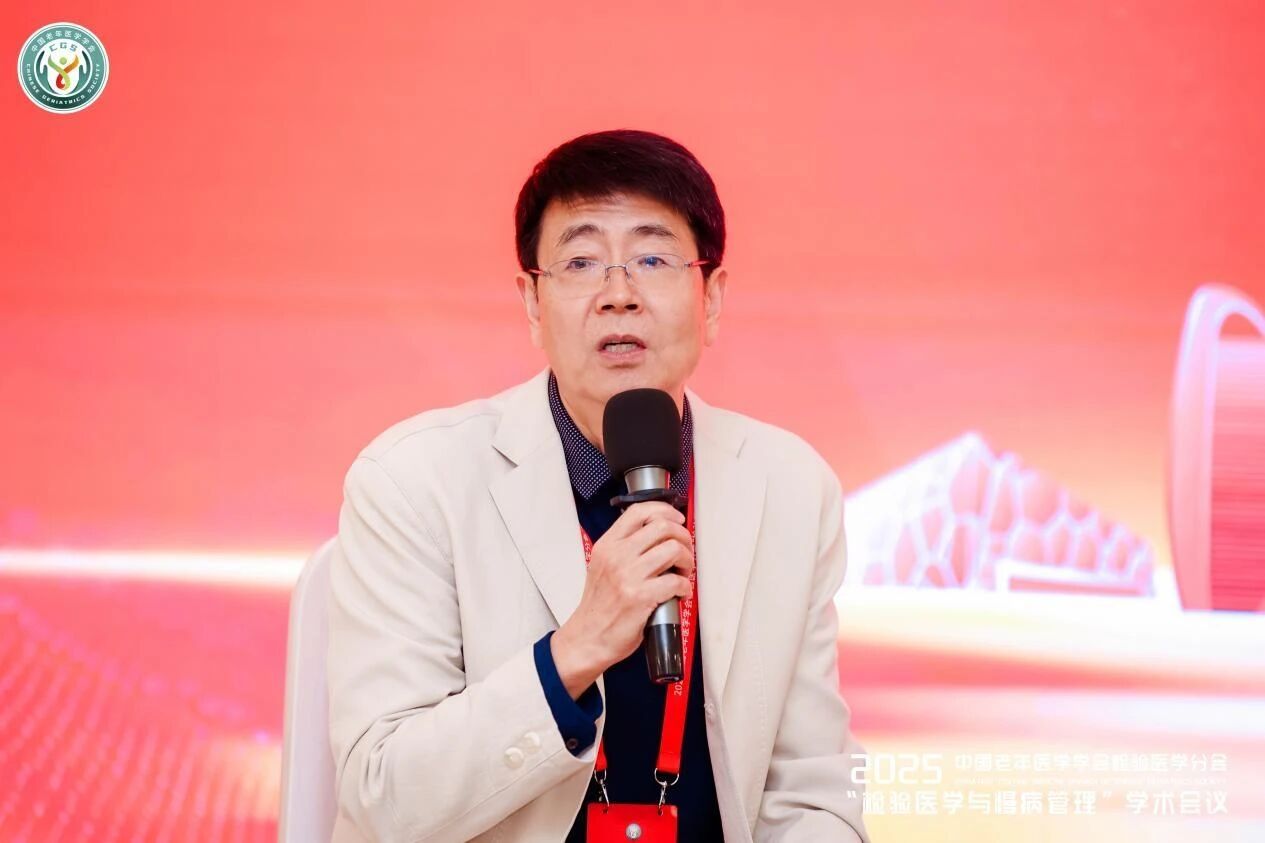
Professor Cao Yingping delivered a speech
Ii. Conference Coordination: Multi-disciplinary collaboration to safeguard academic exchanges
This special meeting was co-chaired by Professor Zhao Xiaotao from the Department of Laboratory Medicine of Beijing Friendship Hospital, Capital Medical University, General Manager Wang Peijin from the Marketing Department of Antu Biotech, Professor Zhang Yi from the Laboratory Medicine Center of Qilu Hospital, Shandong University, and Professor Wang Cuifeng from the Department of Laboratory Medicine of the First Affiliated Hospital of Baotou Medical University. The four experts collaborated across disciplines to ensure efficient and in-depth academic exchanges and smooth and orderly progress of the agenda.
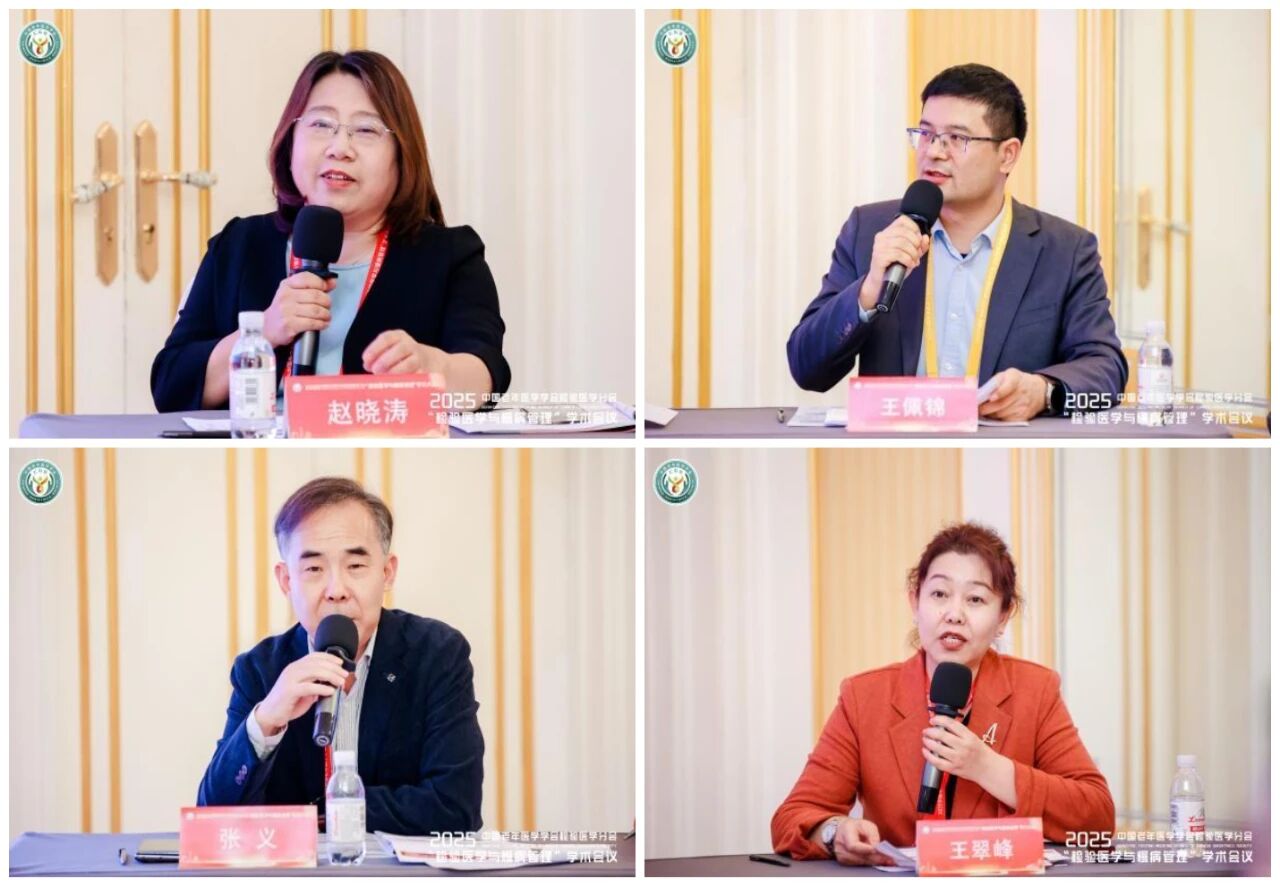
Host expert
Iii. Expert Lectures: Delving into the dimension of Innovation, Jointly Exploring New Paths for Diagnosis and Treatment
Five experts from the clinical and laboratory fields were specially invited to the conference to share their insights in depth around three dimensions: "Breakthroughs in laboratory technology", "Innovations in disease mechanisms", and "clinical transformation and application", presenting a feast of ideas that combines academic height and practical value.
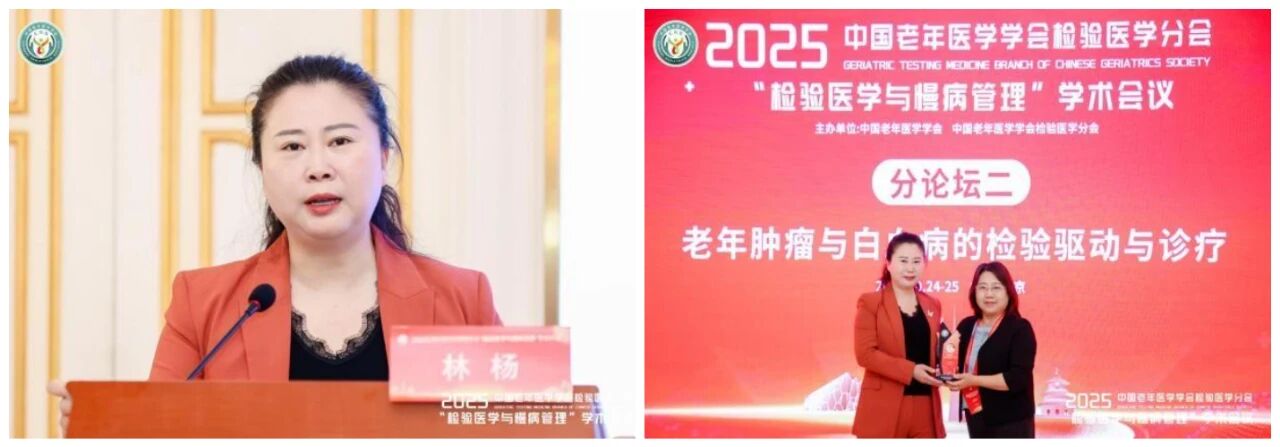
Professor Lin Yang (Deputy Secretary of the Party Committee and President of Jilin Hospital Affiliated to Zhejiang University School of Medicine/Changchun Obstetrics and Gynecology Hospital) : In his presentation titled "The Correlation between Vaginal Microecology and Cervical Lesions", he systematically revealed that the imbalance of vaginal microecology is a key driving factor for persistent HPV infection and the progression of cervical lesions. Based on the research results of his team, Professor Lin Yang proposed a new viewpoint that "maintaining microecological balance is the core link in the clinical prevention and treatment of cervical lesions", and innovatively constructed the "Microecological Intervention Program for the Reproductive System of Elderly Women", clarifying that maintaining the microecological balance of the reproductive system of the elderly can significantly increase the rate of HPV negative conversion. This research provides a brand-new strategy of "non-surgical and microecological regulation" for the prevention and treatment of cervical lesions.
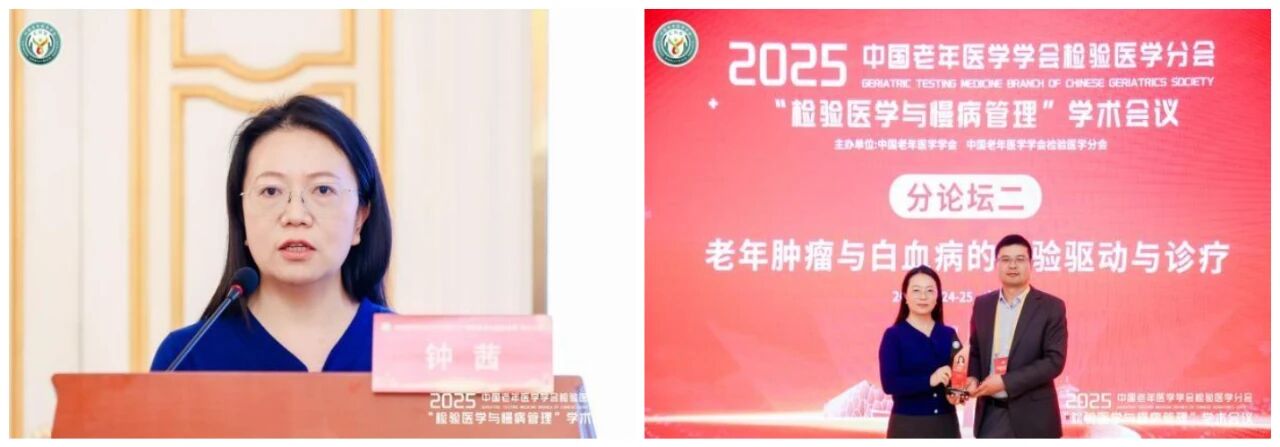
Professor Zhong Qian (Sun Yat-sen University Cancer Center) : Centering on "Molecular Basis and Strategy for the Development of Carcinogenic EBV Vaccines", she shared the breakthrough research achievements of her team in the fields of the molecular mechanism of Epstein-Barr virus infection of epithelial cells and the protective identification of key EBV receptors. His team, through CRISPR-Cas9 gene editing combined with single-cell sequencing technology, discovered for the first time and innovatively proposed a new theory of "multi-receptor synergistic mediation of EBV infection". Further, by using RT-qPCR to quantify the receptor expression profile, flow cytometry to screen high-affinity antibodies, and immunofluorescence technology to analyze the receptor-viral glycoprotein binding conformation, EBV chimeric nanoparticle vaccines targeting multiple glycoprotein targets were identified and developed. This vaccine not only provides a potential new target for the prevention of EBV-related tumors such as nasopharyngeal carcinoma and the development of targeted drugs, but also its "multi-receptor synergy" theory opens up a new direction for the study of viral infection mechanisms, and has important prospects for clinical transformation.
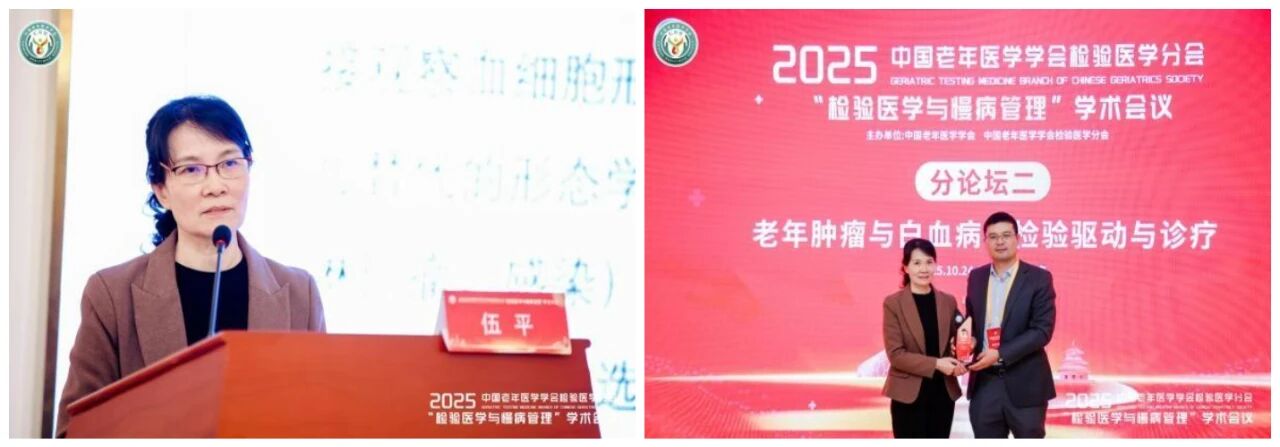
Professor Wu Ping (Director of the Laboratory at Lu Daopei Hospital) : In his presentation titled "Clinical Significance of Laboratory Tests for Lymphoma in the Elderly", he expounded on the clinical characteristics of lymphoma in the elderly, such as high incidence, multiple invasive subtypes, complex underlying diseases and complications, and poor treatment tolerance. He proposed that multi-dimensional laboratory tests are the "core tool" to break through this predicament. She particularly emphasized that morphological detection remains an "irreplaceable foundation" - elderly lymphoma cells often exhibit atypical morphology due to "degenerative changes", and it is necessary to combine cytochemical staining (such as PAS, POX) with immunohistochemistry (Ki-67 proliferation index) to avoid misdiagnosis. The core of treating lymphoma in the elderly lies in individualized treatment and safety optimization (reduced-dose chemotherapy/targeted regimens + intensive supportive therapy), striving to achieve the best balance between therapeutic effect and quality of life. Multi-dimensional laboratory tests are very important for formulating a comprehensive individualized treatment plan.
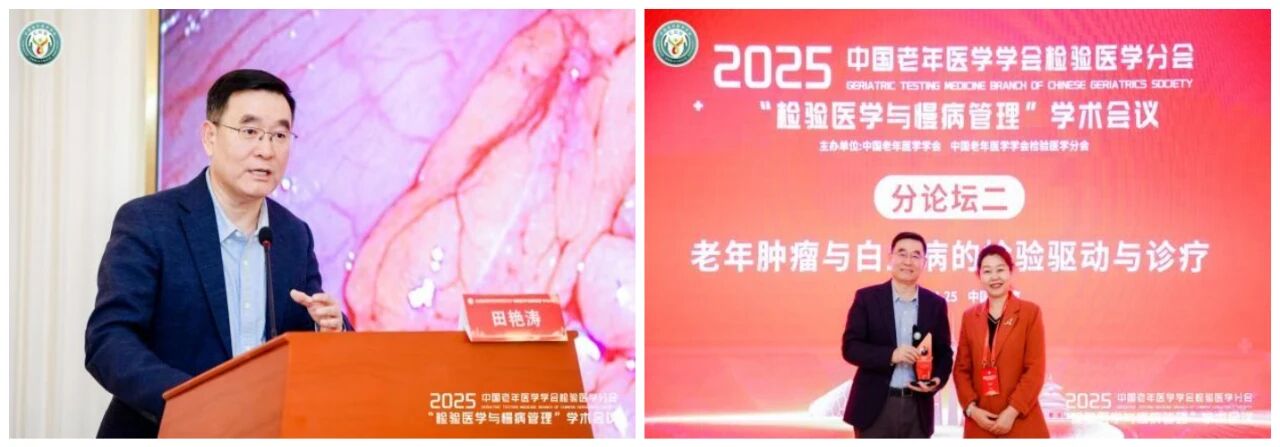
Professor Tian Yantao (Director of the Pancreatic and Gastric Surgery Ward, Cancer Hospital, Chinese Academy of Medical Sciences) : Focusing on "Precision Diagnosis and Treatment of Gastric Cancer Led by Surgery", he systematically expounded on how laboratory techniques can empower the innovation of gastric cancer surgical strategies. He pointed out that the diagnosis and treatment of gastric cancer has entered an era of "molecular typing guiding surgery", and laboratory medicine serves as a bridge connecting "molecular typing" and "surgical decision-making". In the early stage of gastric cancer, the radical nature of EMR/ESD and the functional preservation advantages of laparoscopic sentinel lymph node navigation surgery are emphasized. The comprehensive application of focused D2 dissection, ICG fluorescence navigation, combined organ resection and conversion therapy in the advanced stage of gastric cancer; He proposed a full-cycle precise diagnosis and treatment system for gastric cancer that combines molecular typing, imaging assessment and MDT cooperation to formulate individualized surgical plans and precise identification with staged policy implementation, which can achieve the dual goals of prolonging survival and improving quality of life.
Professor Li Shijun (Dean of the School of Laboratory Medicine, Dalian Medical University) : Delivered a report titled "New Ideas for Tumor Marker Screening Based on Mass Spectrometry Technology", systematically introducing the multi-scenario application breakthroughs of mass spectrometry technology in the field of laboratory medicine. He systematically introduced that MALDI-TOF mass spectrometry technology is not only used for microbial identification, but also can be applied to nucleic acid and polypeptide analysis, especially having an advantageous role in the screening of new tumor markers. The team screened out three characteristic polypeptide markers of lung cancer with high diagnostic sensitivity and specificity through serum polypeptidomics analysis. The developed nucleic acid mass spectrometry technology can achieve single-base resolution SNP detection (such as TP53 gene mutation) and methylation quantification (such as SEPT9 gene methylation), and only requires 10ng of DNA to complete the detection, providing a "fast and low-cost" solution for the early diagnosis and molecular typing of tumors. Professor Li Shijun looks forward to the future when mass spectrometry technology will be deeply integrated with AI algorithms, achieving full-process automation from "marker screening - clinical validation - diagnostic model construction", and promoting the entry of precision tumor diagnosis and treatment into the "multi-omics integration" era.
Iv. Interactive Discussion: Focusing on the difficulties in diagnosis and treatment, gathering disciplinary wisdom
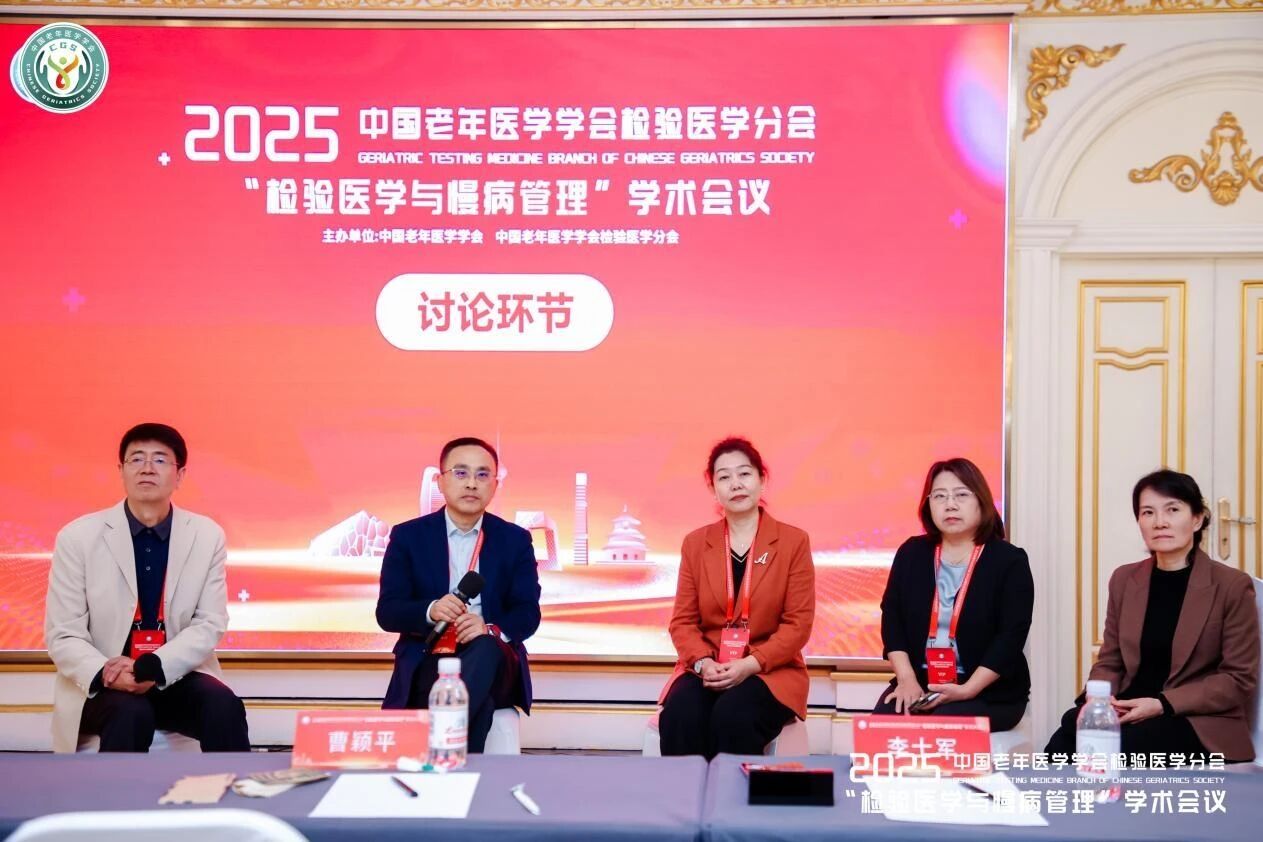
After the lecture, Professors Zhao Hu, Wu Ping, Li Shijun, Zhao Xiaotao and Wang Cuifeng jointly participated in an interactive discussion. They engaged in in-depth discussions and lively interactions with the on-site participants on hot and difficult issues such as "new testing technologies", "Optimization of multidisciplinary collaboration", "Individualized treatment strategies for elderly patients", and "The Importance of morphological testing" in the diagnosis and treatment of elderly tumors and leukemia. All the experts shared in depth their clinical practice experience, communication skills with clinical practice and research insights.
V. Meeting Summary: Consolidate Innovative consensus and Empower Elderly Diagnosis and Treatment
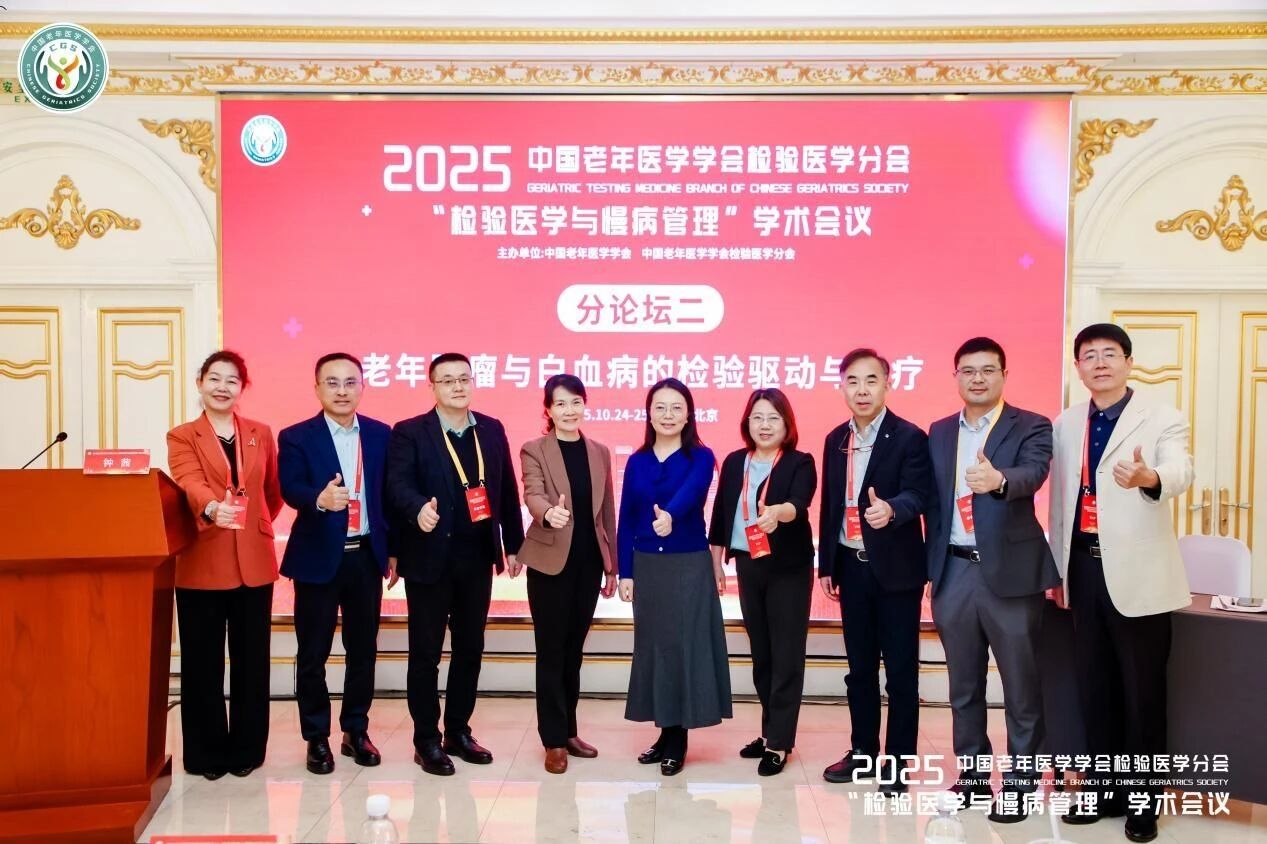
In his concluding remarks, Professor Zhao Hu pointed out that at this forum, experts focused on topics such as "Innovation in laboratory Technology", "Difficulties in the Diagnosis and Treatment of geriatric tumors", and "Precise Classification of Leukemia", presenting the most cutting-edge research progress, the most practical clinical experience, and the most profound industry insights. This demonstrated the logical closed loop of "innovation in laboratory technology - solving clinical problems - enhancing patient benefits". It has established a high-level academic exchange platform for the deep integration of laboratory medicine and the diagnosis and treatment of chronic diseases in the elderly. It is hoped that all participants will take this forum as an opportunity to move forward hand in hand, delve deeper into innovation, and better empower clinical decision-making with laboratory technology in their future work.
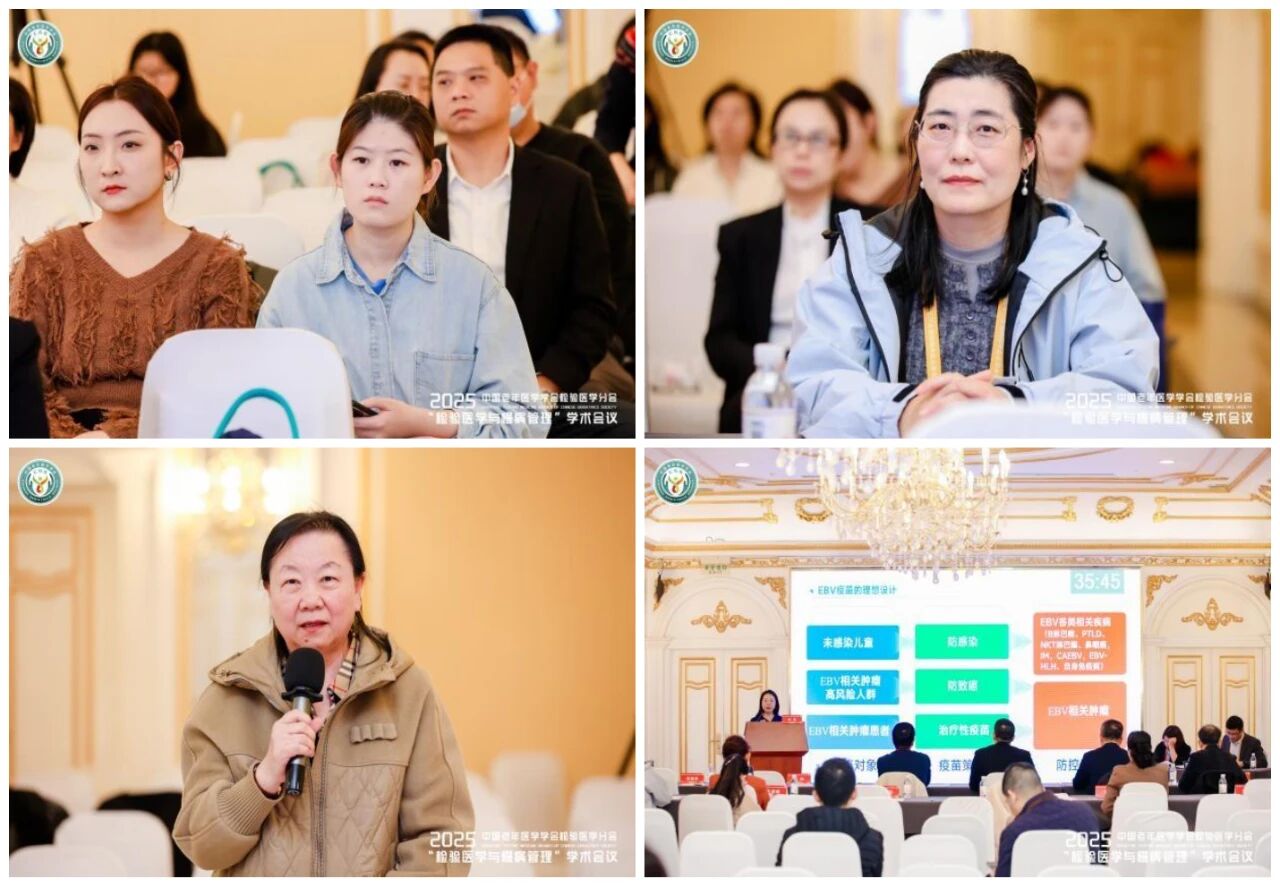
A glimpse of the venue
The successful holding of this sub-forum has injected new impetus into the deep integration of laboratory medicine and geriatric oncology diagnosis and treatment, highlighting the leading role of the society in promoting industry innovation and safeguarding the health of the elderly. In the future, we will continue to take technological innovation in inspection as the pen and multi-disciplinary collaboration as the ink, contributing more inspection power to the construction of a Healthy China.
Prev
【 Meeting Notice 】 Lung Healing in Unison - Exchange Meeting on Full-Process Management, Diagnosis and Treatment of Lung Cancer
Next
Special Report on the "2025 Laboratory Medicine and Chronic Disease Management" Academic Conference: Focusing on the Detection and Prevention of Thrombosis and Cardiovascular Risk in the Elderly, It explores core risks and Jointly examines precise prevention and Control strategies