
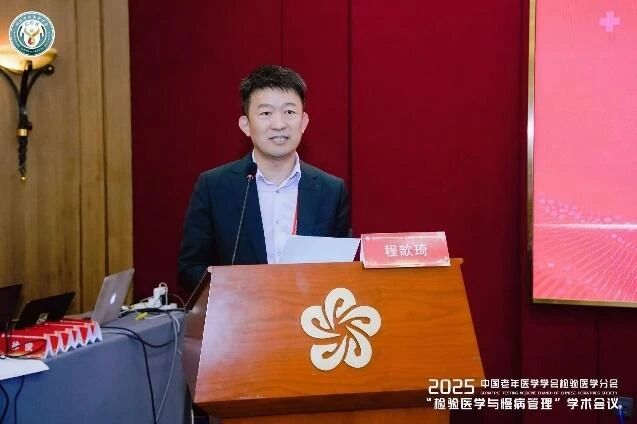
The "2025 Laboratory Medicine and Chronic Disease Management" academic conference features a special report on the decoding and prevention of metabolic diseases in the elderly. Decoding metabolic abnormalities and establishing a prevention and treatment system
On the afternoon of October 25, 2025, a special meeting on "Decoding and Prevention of Metabolic Diseases in the Elderly" was successfully held. The conference was co-chaired by Professor LAN Xiaopeng, the chief expert of the Laboratory Medicine Center of the First Affiliated Hospital of University of South China, and Professor Cheng Xinqi, the deputy director of the Laboratory Department of Peking Union Medical College Hospital. The content integrated multi-dimensional perspectives such as epidemiology, molecular biology, and clinical diagnosis and treatment, with laboratory medicine as the core decoding tool, focusing on the cutting-edge breakthroughs and clinical practices in the field of geriatric metabolic diseases. It demonstrates the advanced nature of interdisciplinary integration and its clinical guiding value.
I. Special Topic Launch: Focusing on Metabolic Challenges, Anchoring Precise Directions
At the beginning of the conference, Professor Cheng Xinqi, the chairperson of the forum, delivered a speech. He pointed out that from cognitive decline to endocrine disorders, from abnormal glucose metabolism to impaired bone health, the clinical manifestations of metabolic diseases in the elderly are complex and concealed, and they are more often accompanied by multi-organ comorbidiasis, which brings huge challenges to clinical diagnosis and treatment as well as health management. This forum brings together top experts from multiple disciplines, using laboratory medicine as a link to break down the barriers between basic research and clinical practice, promoting the prevention and treatment of metabolic diseases in the elderly from "experience-based" to "precise", and building a more solid defense line for safeguarding the health of the elderly.
Ii. Conference Coordination: Cross-domain collaboration to ensure academic depth
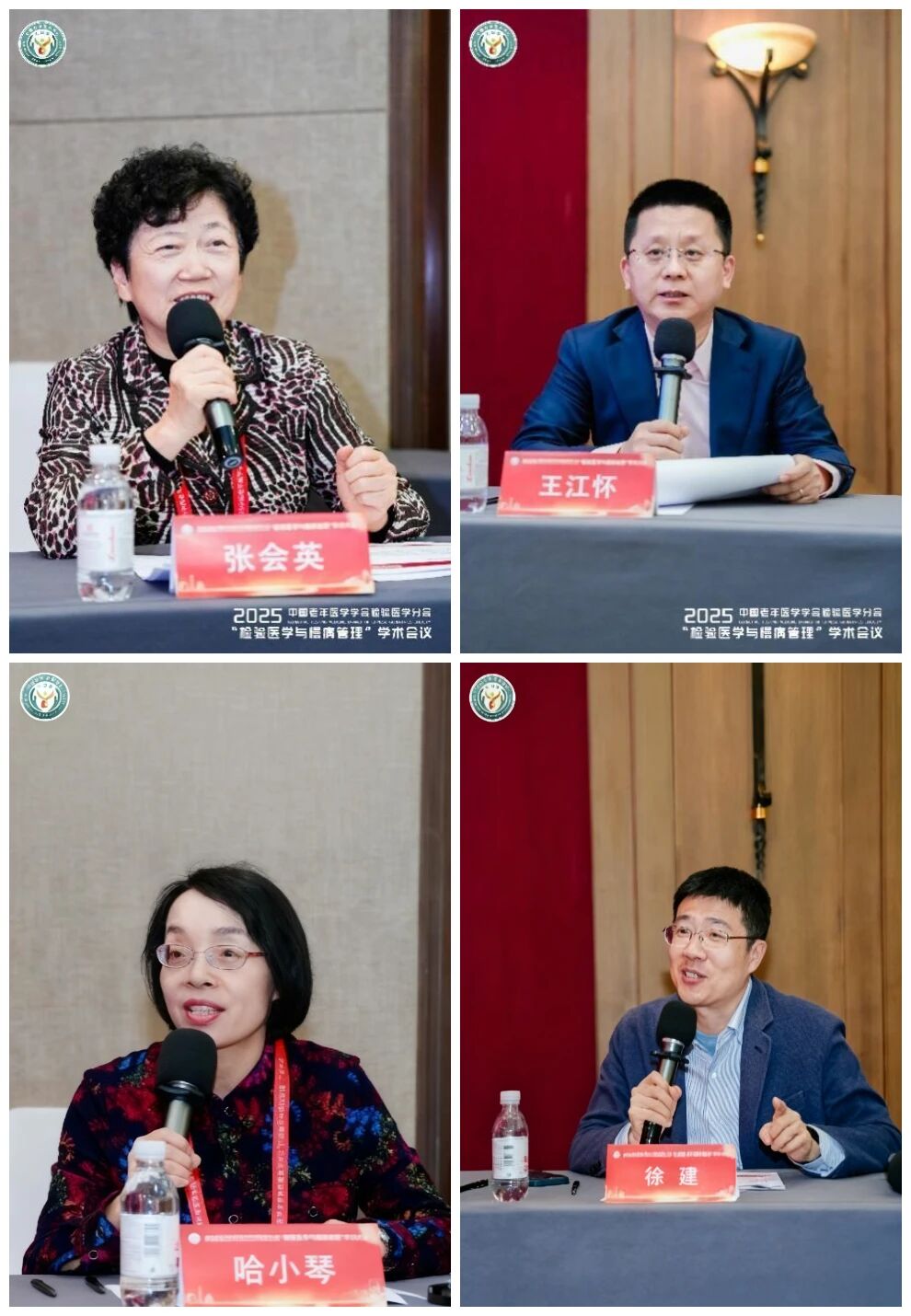
The academic report session was co-hosted by Professor Zhang Huiying, Director of the Medical Laboratory Center of Beijing Gaobo Hospital, Director Wang Jianghuai of the Medical Clinical Department of Mindray Medical Group, Professor Ha Xiaoqin, Director of the Laboratory Department of the 940th Hospital of the Joint Logistic Support Force, and Professor Xu Jian, Director of the Laboratory Department of the First Affiliated Hospital of Nanjing Medical University. The four experts worked in concert to ensure that the agenda was efficient and orderly, and that the exchanges were in-depth and practical.
Iii. Expert Lectures: Decoding Inspection Dimensions and Jointly Building a Prevention and Control System
The conference specially invited five experts in various fields to give lectures on the examination and prevention of metabolic diseases in the elderly, presenting cutting-edge achievements and practical strategies
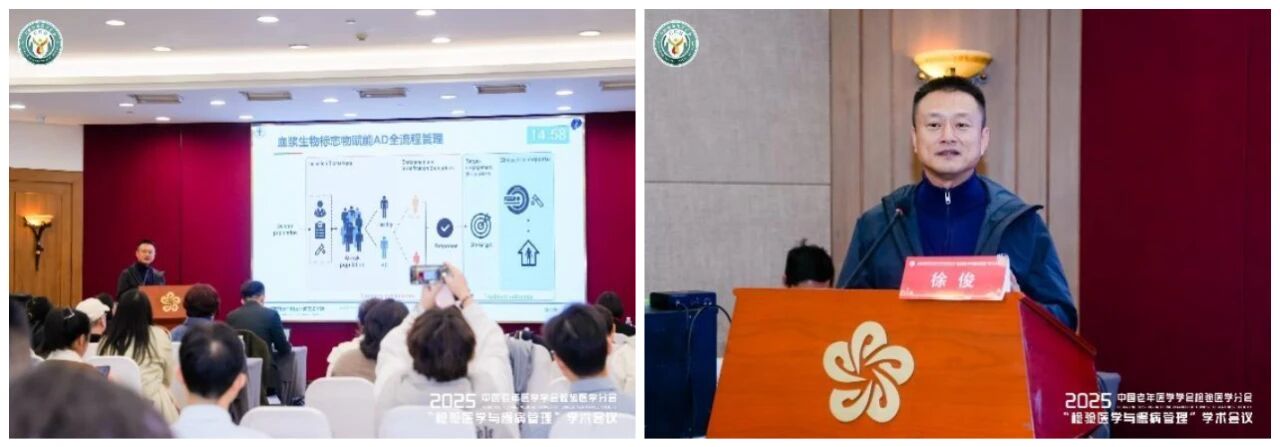
Professor Xu Jun (Beijing Tiantan Hospital, Capital Medical University) : Under the title of "Biomarkers Leading the Diagnosis and Treatment of Cognitive Impairment", he elaborated on the breakthroughs and concept updates in the diagnosis and treatment of cognitive impairment diseases such as Alzheimer's disease (AD). The current AD biomarker diagnosis and treatment system is becoming increasingly mature. The diagnostic accuracy of indicators such as plasma p-tau217 and Aβ42/40 is comparable to that of cerebrospinal fluid testing, and it can warn of diseases more than 10 years in advance. By integrating imaging techniques with deep learning assistance, the multimodal integration strategy further enhances the accuracy of early diagnosis. Significant progress has also been made in the therapeutic field. Anti-a β monoclonal antibodies can significantly delay the disease progression of patients with early AD. Nowadays, the diagnosis and treatment model for AD has shifted from passive diagnosis to active brain health management, establishing a full-process system of "precise stratification of biomarkers - targeted drug therapy - multi-dimensional comprehensive intervention", promoting the transformation of cognitive impairment prevention and treatment towards "early screening, early diagnosis, early treatment, and precision", and providing key support for addressing the health challenges related to population aging.
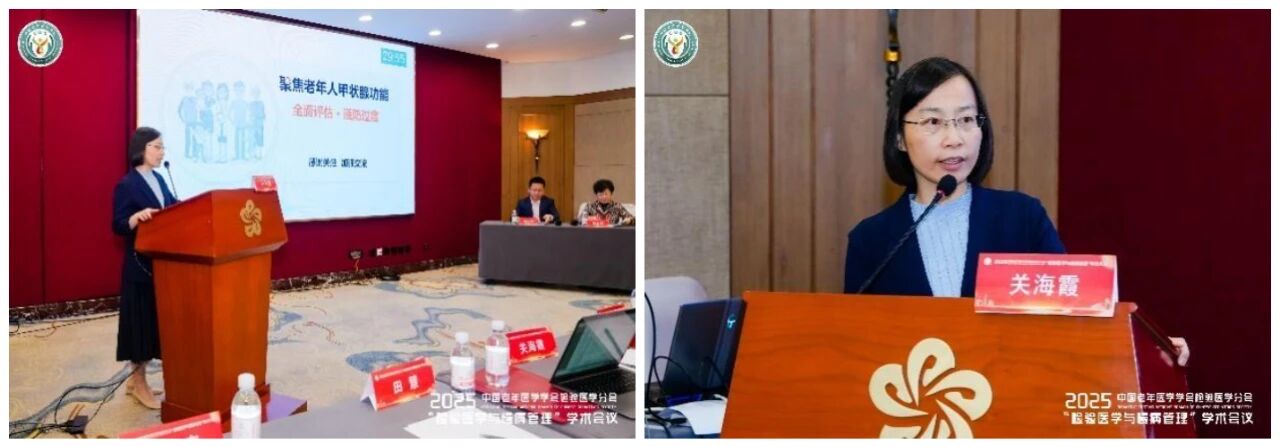
Professor Guan Haixia (Department of Endocrinology, Guangdong Provincial People's Hospital) : Focusing on "Characteristics and Diagnosis and Treatment of Thyroid Function in the Elderly", she interprets the progress and new concepts in the diagnosis and treatment of thyroid dysfunction in the elderly population. The thyroid gland of the elderly shows age-related changes. The level of TSH increases with age, while the level of circulating thyroid hormones gradually decreases. At the diagnostic level, there is controversy over the reference range of thyroid function in the elderly. Studies have shown that a moderate increase in TSH may be associated with longevity, and the age-specific reference range needs further exploration. Clinically, it is necessary to distinguish between diagnostic and treatment cut-off points. In treatment, the concept of "comprehensive assessment and caution against overuse" should be adhered to. Elderly patients with hypothyroidism need to undergo a comprehensive assessment first and adopt an individualized strategy of "low starting dose, slow adjustment rhythm, and broad control target". The spontaneous remission rate of subclinical hypothyroidism is high and the therapeutic benefits are unclear. Individualized decisions should be made in combination with the increase in TSH, age and other factors. At the same time, risks such as atrial fibrillation and osteoporosis caused by excessive treatment should be vigilant. The report promotes the transformation of diagnosis and treatment of thyroid diseases in the elderly towards precision, individualization and safety.
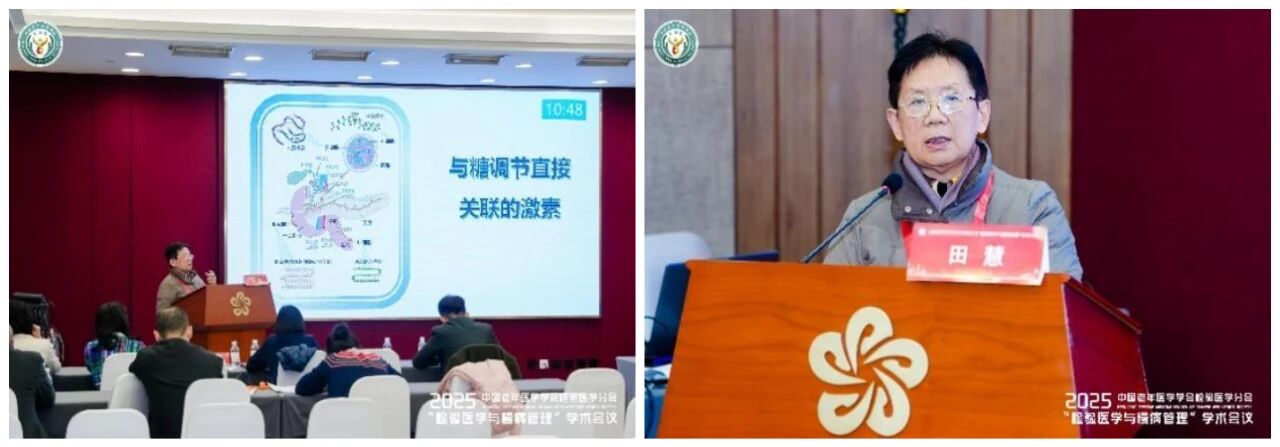
Professor Tian Hui (Department of Endocrinology, Second Medical Center of the PLA General Hospital) : In the report "Clinical Characteristics and Management Strategies of Diabetes in the Elderly", it was pointed out that the current diagnosis and treatment of diabetes have developed to a multi-dimensional indicator system. The blood glucose monitoring has established a "point-line-surface" full coverage system. The increasingly improved hormone detection system provides important support for the clinical application of new hypoglycemic drugs. Clinically, there is a greater inclination towards early screening and active intervention for prediabetes. Professor Tian Hui proposed that in the future, it is necessary to enhance the collaborative interpretation capacity of multiple test indicators, promote the coordinated development of detection technology and new hypoglycemic drugs, and provide patients with more accurate and comprehensive diagnosis and treatment support.
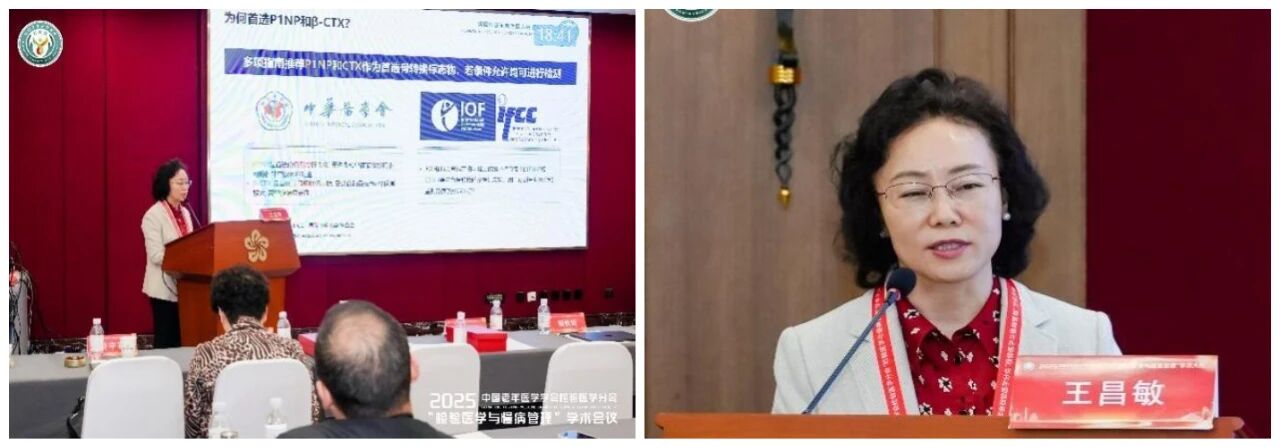
Professor Wang Changmin (Xinjiang Uygur Autonomous Region People's Hospital) : In his presentation titled "Osteoporosis and Elderly Health - Clinical Value and Application of Bone Metabolism Markers", he emphasized that the prevalence of osteoporosis among the elderly is high, and they face the severe challenges of "low awareness rate, low diagnosis rate, and low treatment rate". Bone turnover markers dynamically reflect the rate of bone metabolism, providing precise basis for risk prediction and making up for the lag in bone density testing. She emphasized that the laboratory department should act as a decision-making partner of the MDT, and through standardized testing, intelligent report interpretation and cross-disciplinary data sharing, assist in the precise stratification, therapeutic effect monitoring and full-process management of osteoporosis, promoting the transformation of the diagnosis and treatment model from "passive treatment" to "active prevention".
Professor Qiu Yurong (Director of Guangzhou Huayin Medical Laboratory Center) : Sharing on "Vitamin D and Osteoporosis", she pointed out that the problem of vitamin D deficiency among the elderly in China is prominent, with 72% of the elderly aged 60 and above having a serum 25 (OH)D level of less than 30ng/mL. There are differences in the detection results of different immunoassay methods. The accuracy of the LC-MS/MS detection method is more in line with international standards. Relevant guidelines clearly state that the vitamin D supplementation target for patients with osteoporosis is serum 25(OH)D≥30ng/mL, which can significantly reduce the risk of falls. The report also mentioned the controversy over the 2024 American Endocrine Society guidelines, stating that the general healthy population does not need regular vitamin D testing, but high-risk groups for osteoporosis still need to be guided by precise testing for individualized supplementation, providing a scientific basis for the early prevention and treatment of osteoporosis in the elderly.
Iv. Interactive Discussion: Gathering disciplinary wisdom and deepening academic resonance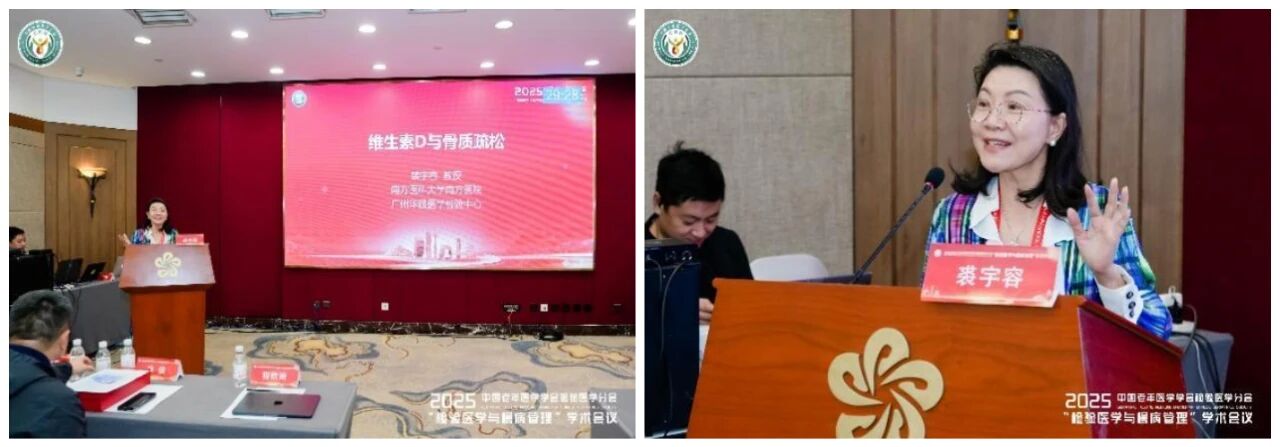
Iv. Interactive Discussion: Gathering disciplinary wisdom and deepening academic resonance
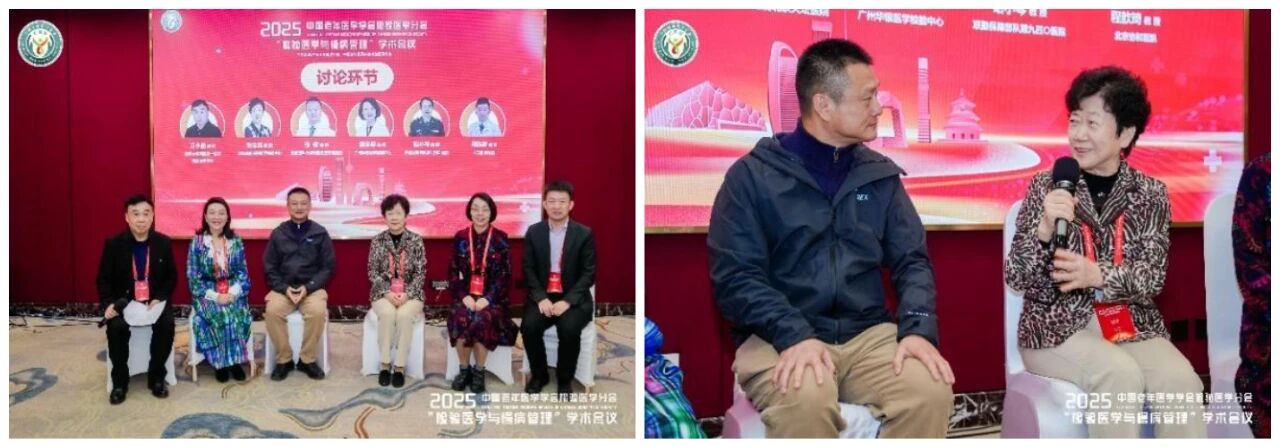
After the lecture session, under the chairing of Professor LAN Xiaopeng, five experts, Xu Jun, Qiu Yurong, Zhang Huiying, Ha Xiaoqin and Cheng Xinqi, engaged in in-depth exchanges on the clinical and laboratory hotspots of metabolic diseases in the elderly. They focused on the core role of biomarkers in the early diagnosis of AD and the association mechanism between metabolic diseases such as hypertension and AD. And the specific practical strategies for healthy lifestyle intervention have aroused widespread resonance and reflection among the participants.
V. Meeting Summary: Consolidate Collaborative consensus and empower Precise Prevention and Control
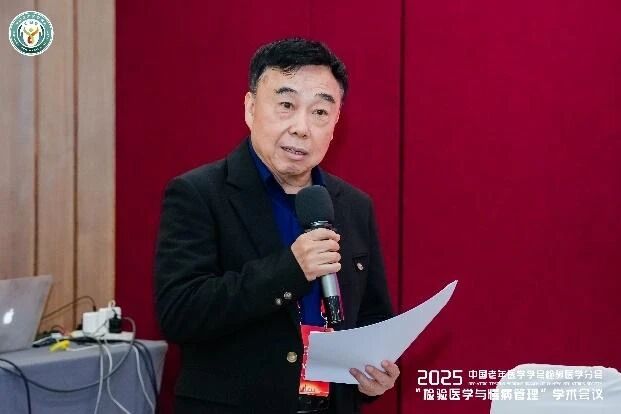
Finally, Professor LAN Xiaopeng made a summary. He pointed out that this special conference brought together the top wisdom in the clinical and laboratory fields and built an important platform for cross-disciplinary communication and collaboration. The wonderful sharing of the experts not only delved deeply into the breakthroughs in testing technologies and clinical diagnosis and treatment innovations for metabolic diseases in the elderly, but also focused on the core of individualized and precise prevention and treatment, presenting an academic feast that is both cutting-edge and practical to the industry.
Prev
【 Meeting Notice 】 Lung Healing in Unison - Exchange Meeting on Full-Process Management, Diagnosis and Treatment of Lung Cancer
Next
Special Report on the "2025 Laboratory Medicine and Chronic Disease Management" Academic Conference: Laboratory Drive and Innovative Diagnosis and Treatment for Geriatric Tumors and Leukemia - Laboratory Technologies Empower Precise Diagnosis and Treatment of Tumors