
Special Report on "2025 Laboratory Medicine and Chronic Disease Management" Academic Conference Four: Laboratory Empowerment and Management Update for Chronic Diseases and Comorbidities in the Elderly Empowering chronic Disease Management and exploring updated paths
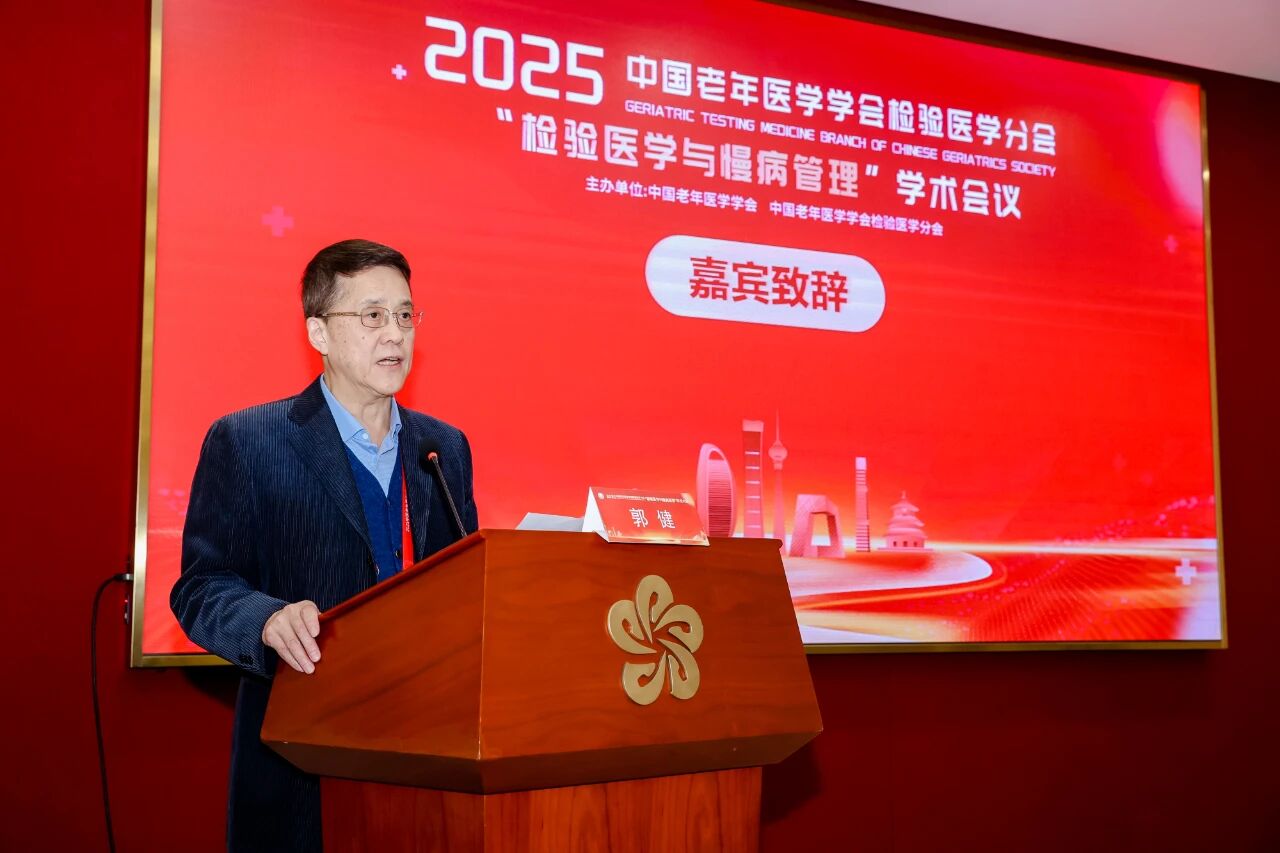
On the afternoon of October 25, 2025, the special conference on "Laboratory Empowerment and Management Update for Chronic Diseases and Comorbidiasis in the Elderly" was successfully held. The conference was co-chaired by Researcher Guo Jian, the former deputy director of the Clinical Laboratory Center of the Ministry of Health and the director of the Laboratory Department of Beijing Hospital of the Ministry of Health, and Professor Wang Lin, the director of the Laboratory Department of Tongji Medical College of Huazhong University of Science and Technology and the director of the Laboratory Department of Union Hospital.
I. Special Topic Launch: Focusing on comorbidity Challenges, Anchoring the Direction of Empowerment
Professor Guo Jian, the chairperson of the forum, delivered the opening remarks, pointing out that the aging process in China is accelerating, and the high incidence of chronic diseases and comorbidiasis among the elderly has become a key factor affecting the health of the elderly. Laboratory medicine provides core support in the early screening, therapeutic effect monitoring, and prognosis assessment of chronic diseases and comorbidiasis in the elderly. The enabling role of exploring new markers, precise detection, and cohort study data in solving the diagnosis and treatment problems of chronic diseases in the elderly is of great significance. It is hoped that various viewpoints can be fully exchanged and collided.
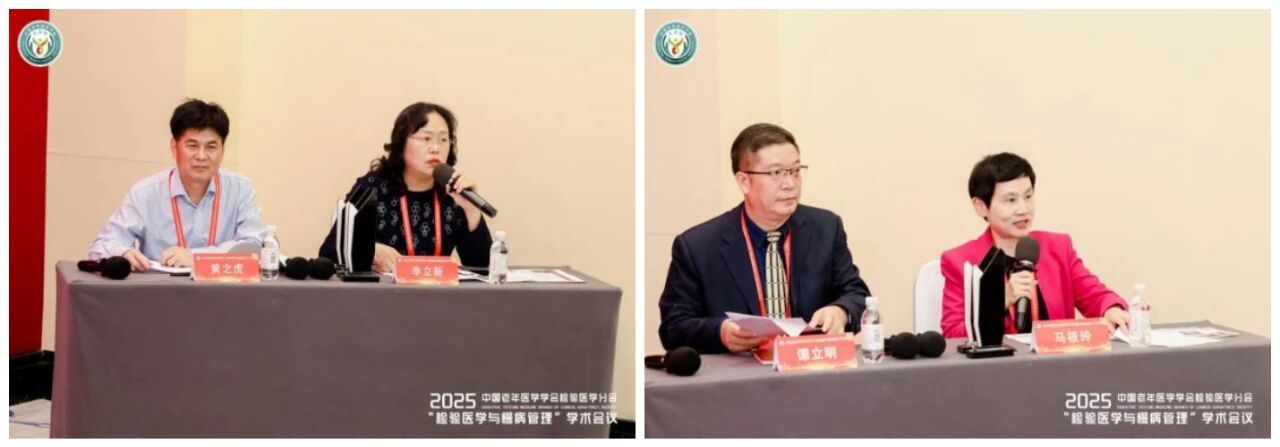
The meeting was presided over by Professor Huang Zhihu, former assistant to the president and director of the Laboratory Department of Guangxi Zhuang Autonomous Region Ethnic Hospital, Professor Li Lixin, former vice president of Shijiazhuang People's Hospital, Professor Tan Liming from the Second Affiliated Hospital of Nanchang University, and Professor Ma Xiaoling, director of the Infectious Disease Laboratory and Diagnosis Center of the First Affiliated Hospital of University of Science and Technology of China.
Ii. Expert Lectures: Deepening Inspection Empowerment, Jointly Exploring New Management Paths
The forum invited five experts to share their insights on the detection and management of chronic diseases and comorbidities in the elderly.
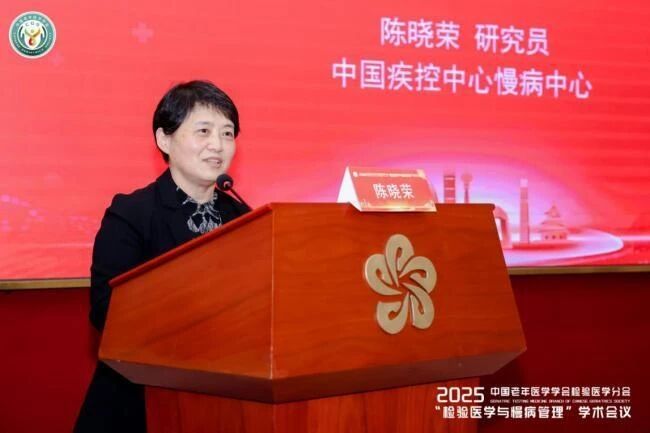
Researcher Chen Xiaorong (Head of the Cardiovascular and Cerebrovascular Laboratory, Chronic Disease Center, Chinese Center for Disease Control and Prevention) : Under the title of "Investigation on the Prevalence of Chronic Diseases in the Elderly", this paper focuses on the main concerns and technological changes in the epidemiological research of chronic diseases in the elderly. It sorts out and compares the important public health monitoring data and hotspots of concern in large-scale cohort studies, cross-sectional surveys, and chronic disease registrations on the prevalence of chronic diseases in the elderly at home and abroad, and expounds on the concept of great health The development trends and characteristics of epidemiological investigation content and techniques aimed at healthy aging provide significant reference for future elderly health surveys that are centered on individuals, health, and healthy aging.
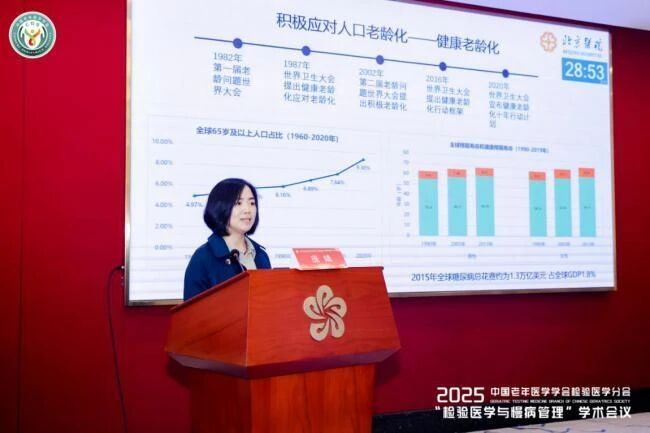
Associate Researcher Pang Jing (Beijing Hospital/National Center for Geriatrics) : She will give a presentation on "Healthy Aging of the Chinese Population as Seen from the Pengzu Cohort". She introduced that the establishment of the Peng Zu Aging cohort covered a total of 26,000 people in 7 major geographical regions and 9 research sites, including samples of people aged 25 to 89. The coverage was extensive, and continuous dynamic tracking and multi-dimensional data collection were carried out. A comprehensive analysis standardized platform and a standardized aging health database have been established to identify health promotion factors. The ten-year action plan for promoting healthy aging provides an important data foundation for enhancing human body functions, improving the quality of life and increasing healthy lifespan.
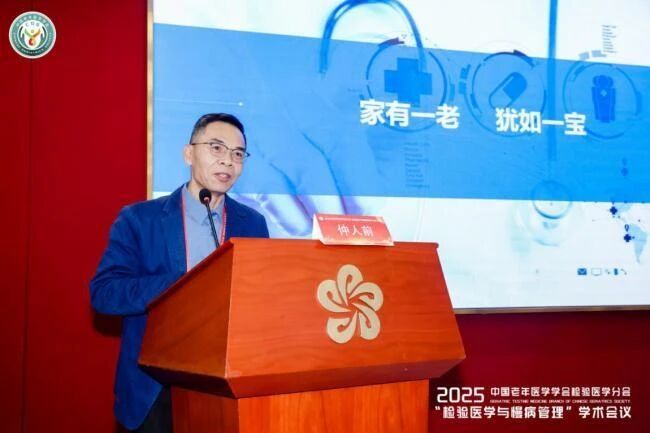
Researcher Zhong Renqian (Department of Laboratory Diagnosis, Second Affiliated Hospital of Naval Medical University) : Focusing on "Immunosenescence and Its Markers", he expounded on adaptive immunosenescence and innate immunosenescence related to immunosenescence. Immunosenescence markers include immune cell surface markers, related gene expressions, and various aging-related secretory phenotypes, etc. Immunosenescence is characterized by six major features: weakened infection defense, weakened vaccine response, weakened tumor supervision, susceptibility to tissue inflammation, susceptibility to autoantibodies, and difficulty in wound repair. These characteristics provide a comprehensive basis for the diagnosis and intervention of immune-related diseases in the elderly.
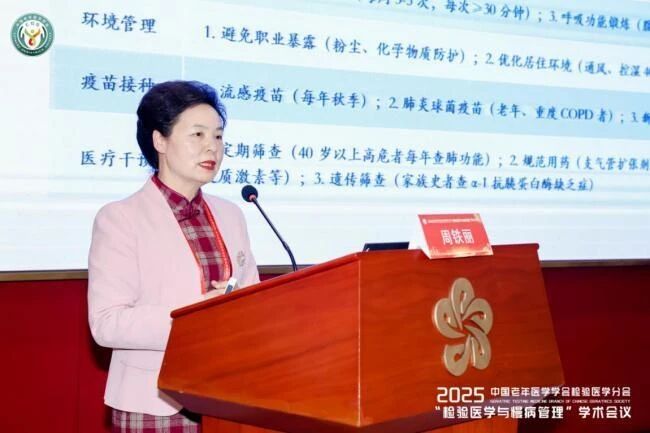
Professor Zhou Tieli (Medical Laboratory Center, the First Affiliated Hospital of Wenzhou Medical University) The lecture on "Chronic Obstructive Pulmonary Disease and Related Infections" was held. Chronic obstructive pulmonary disease (COPD) is a chronic disease with a high incidence among the elderly worldwide and a common cause of chronic respiratory failure and pulmonary heart disease. The lecture mainly expounded on the pathogenesis of COPD, its close relationship with infections, and the etiological characteristics of co-infections. At the same time, it introduced the prevention and treatment of COPD. The report introduces through a wealth of clinical cases the types of pathogens causing COPD infections (bacteria, fungi, viruses, etc.), infection characteristics, and the role of laboratory diagnostic techniques in the rapid and accurate diagnosis of COPD-related infections.
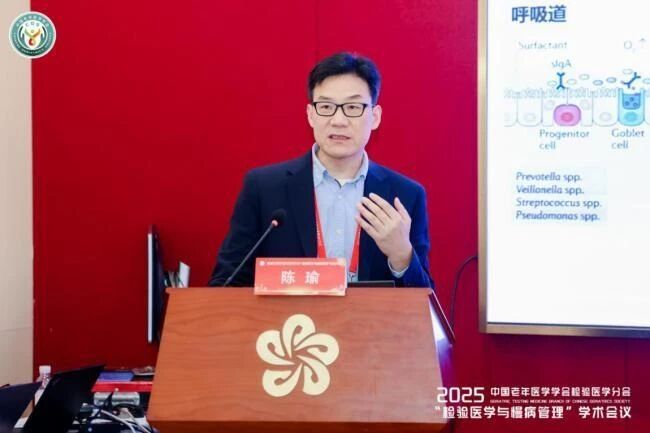
Professor Chen Yu (Director of the Institute of Laboratory Medicine, Zhejiang University) : Under the title of "Gut Microbiota and Pulmonary Infection", taking the respiratory tract microbiota as the research starting point, focusing on the association between the pulmonary microecology and diseases, exploring the connection between the pulmonary microecology and the intestinal microecology, and proposing the concept of the "lung-gut axis", the research results of the team on the structural changes of the respiratory tract and intestinal microecological microbiota in patients with pulmonary infection caused by influenza A virus H7N9 and the novel coronavirus were shared. The relationship between the gut-lung axis and pulmonary infectious diseases was explored, providing new ideas for the diagnosis and treatment of pulmonary infections.
Iii. Interactive Discussion: Spark intellectual Collisions and Deepen Academic consensus
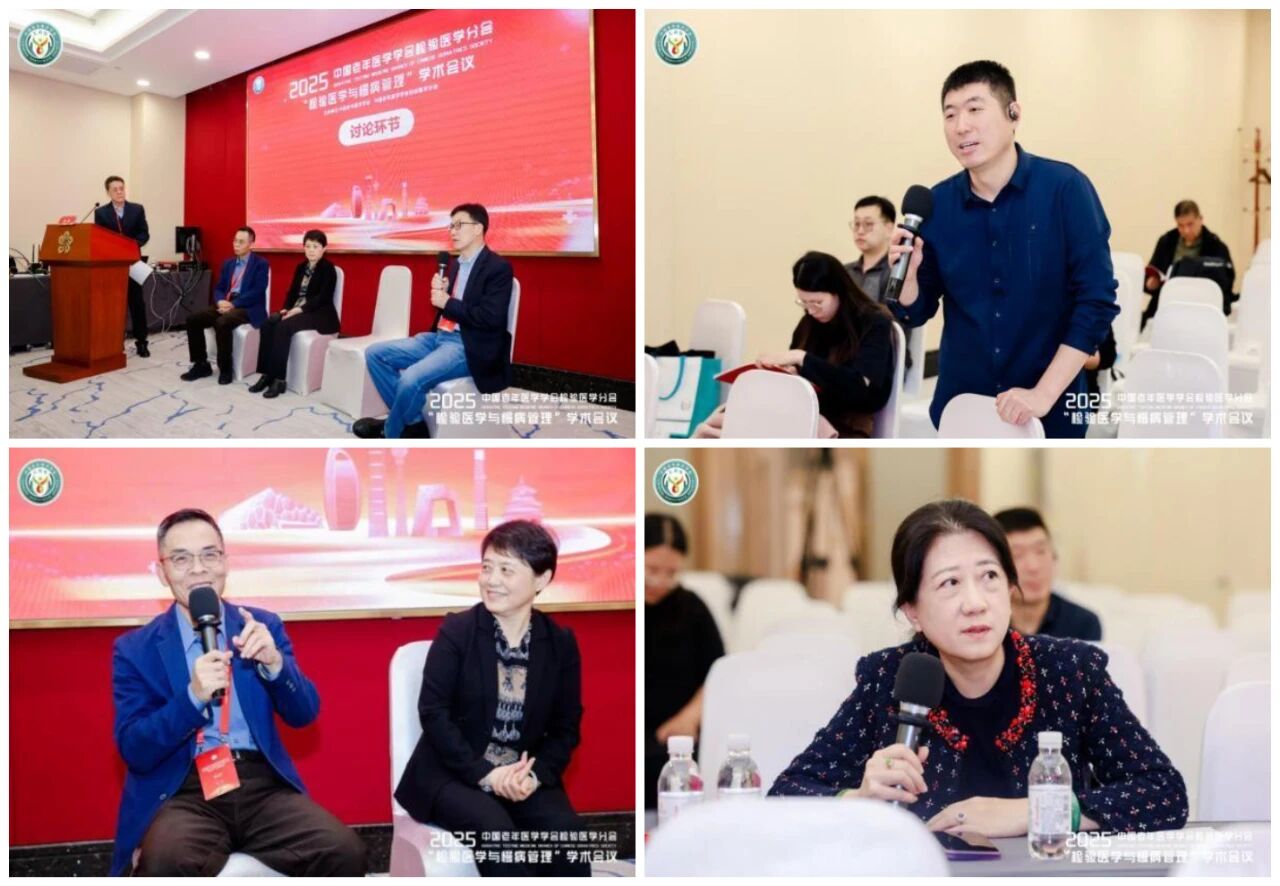
During the discussion and interaction session, experts such as Chen Xiaorong, Zhong Renqian, and Chen Yu had in-depth exchanges with the on-site participants on hot issues such as "Application of Testing Techniques in the Management of Chronic Diseases and comorbidities in the Elderly", "Application Prospects of Intestinal Microecological Detection in Geriatric Medicine", "Application of Immune Aging Detection Indicators", "Strategies for Elderly Nutrition Management", and "immune aging", generating many intellectual sparks. The on-site discussion was lively and wonderful.
Iv. Meeting Summary: Consolidate the consensus on empowerment and promote Management upgrade
Finally, Researcher Guo Jian summarized the forum, pointing out that this forum provided a valuable academic exchange platform for the empowerment and management update of chronic diseases and comorbidities in the elderly, which is of great significance for promoting the improvement of the management level of chronic diseases and comorbidities in the elderly.
Prev
【 Meeting Notice 】 Lung Healing in Unison - Exchange Meeting on Full-Process Management, Diagnosis and Treatment of Lung Cancer
Next
The "2025 Laboratory Medicine and Chronic Disease Management" academic conference features a special report on the decoding and prevention of metabolic diseases in the elderly. Decoding metabolic abnormalities and establishing a prevention and treatment system