
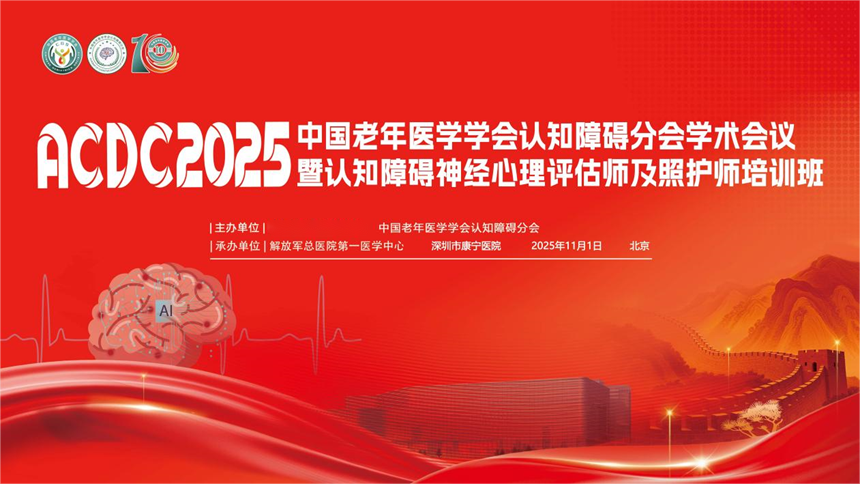
The 2025 Academic Conference of the Cognitive Impairment Branch of the Chinese Geriatrics Society (ACDC) and the Training Course for Neuro-psychological Assessors and Caregivers of Cognitive impairment were successfully held in Beijing
In the golden autumn of October, all the virtuous people gather. The "ACDC2025 Academic Conference and Training Course for Neuropsychological Assessors and Caregivers of Cognitive Impairment", hosted by the Cognitive Impairment Branch of the Chinese Geriatrics Society and co-organized by the First Medical Center of the PLA General Hospital and Shenzhen Kangning Hospital, was successfully held in Beijing from October 31 to November 1, 2025. This conference, with the core theme of "Focusing on the Frontier and Safeguarding Memory", closely revolved around the strategic goal of "Promoting precise diagnosis and treatment of cognitive impairment". Through a combination of "offline and online" models, it successfully created a high-level, broad-based, and deeply integrated academic event, demonstrating the society's strong appeal and outstanding organizational capabilities in leading the development of disciplines and consolidating industry consensus.
I. Forward-looking Planning, Consensus First: Establishing the "Chinese Standard" for Care Practices
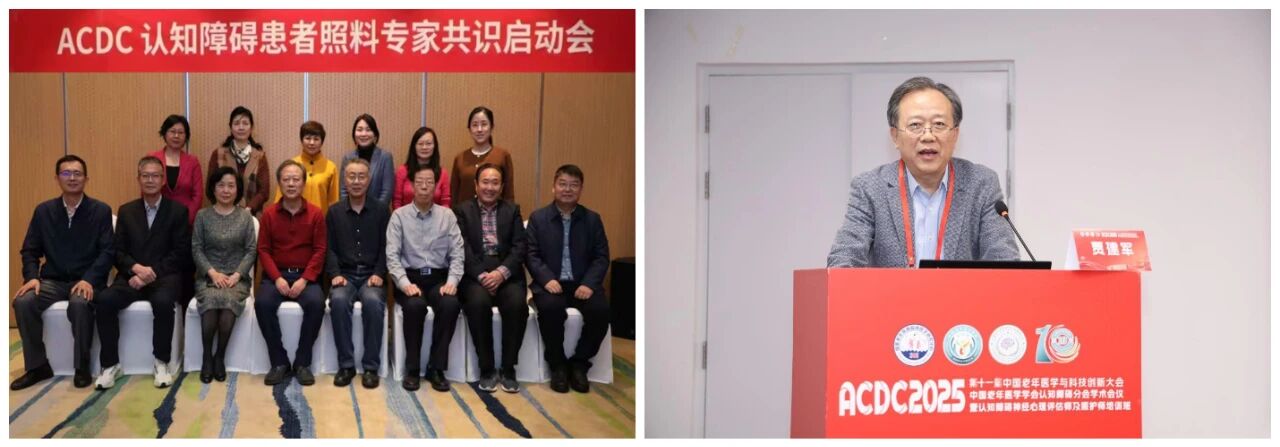
On the evening of October 31st, the conference kicked off with the launch of the "Expert Consensus on the Care of Dementia Patients". The meeting was presided over by Professor Wang Yongjun. President Jia Jianjun, in collaboration with 16 top domestic experts including Wei Wenshi and Zhang Junjian, focused on the integrated model of "mechanism - diagnosis - treatment - nursing and rehabilitation", engaging in in-depth speculation and forward-looking discussions. This launch meeting not only gathered the core wisdom of leading figures in national care, but also marked a solid step forward for the society in building a dementia care standard system that suits China's national conditions, has evidence-based basis, and can be widely promoted at the grassroots level. It demonstrated the society's leading role in taking the initiative to shoulder responsibilities and responding to social concerns.
Second, a gathering of renowned experts and a collision of wisdom: Leading the cutting-edge direction of precision diagnosis and treatment
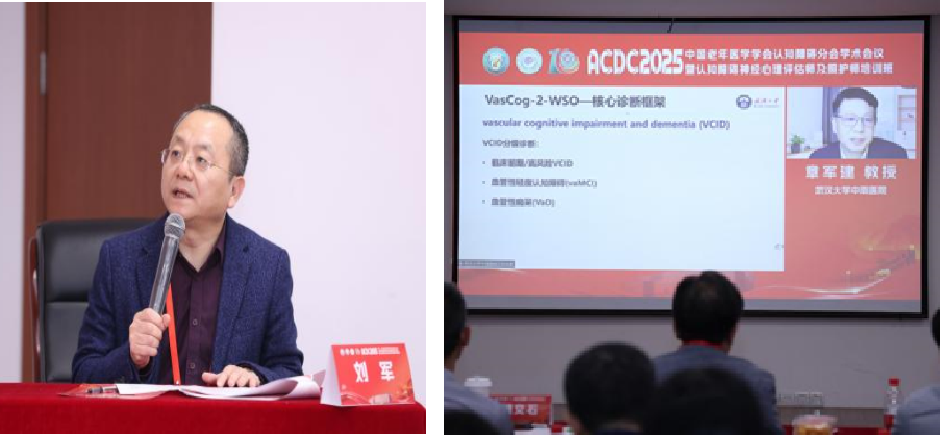
The main venue on November 1st was star-studded and filled with one exciting moment after another. At the opening ceremony of the conference, Professor Jia Jianjun, the president of the branch and from the General Hospital of the People's Liberation Army, delivered a resolute speech, stating: "Cognitive impairment is not an accessory of natural aging, but a major chronic disease that can be prevented, diagnosed and treated." He emphasized that the society will take "early prevention, early diagnosis and early treatment" as the key points in the future, and spare no effort to build a nationwide cognitive impairment prevention network, demonstrating the society's firm determination to move the prevention and control checkpoint forward.
The subsequent academic report session was even more spectacular:
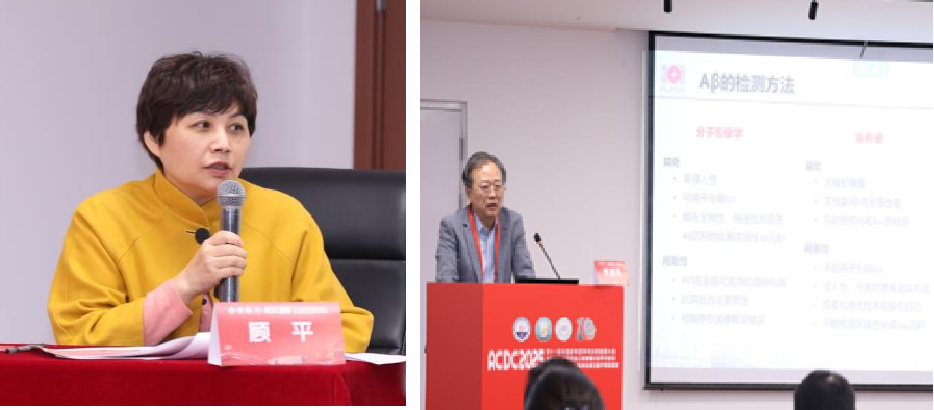
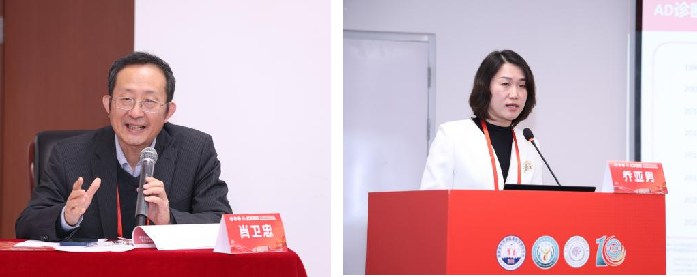
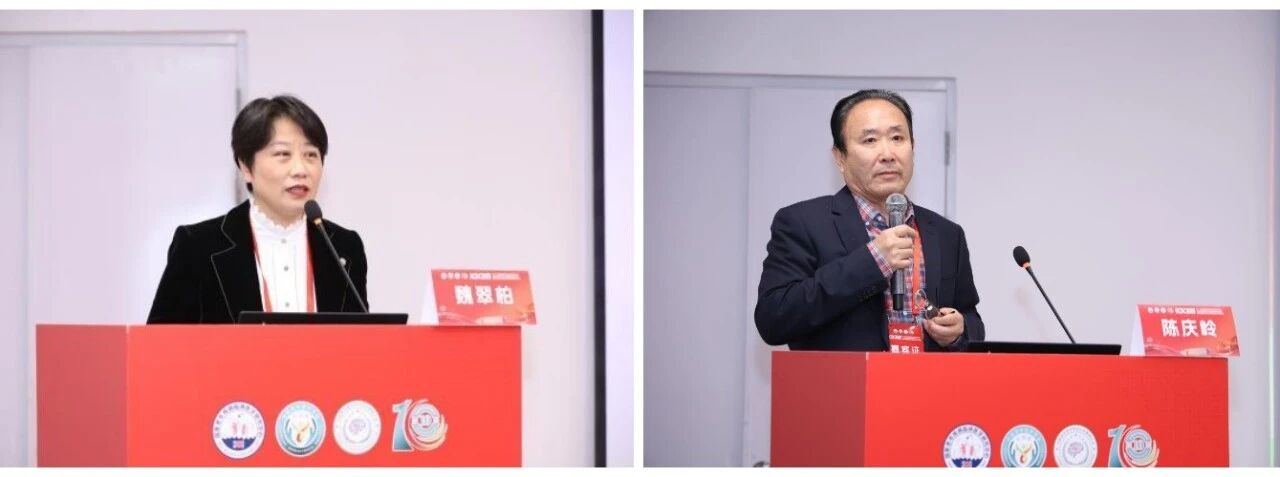
Professor Wei Cuibai from Xuanwu Hospital, Capital Medical University, systematically interpreted the latest breakthroughs in biomarkers of Alzheimer's disease (AD), revealing a new era of precision medicine where "asymptomatic diagnosis" has become possible.
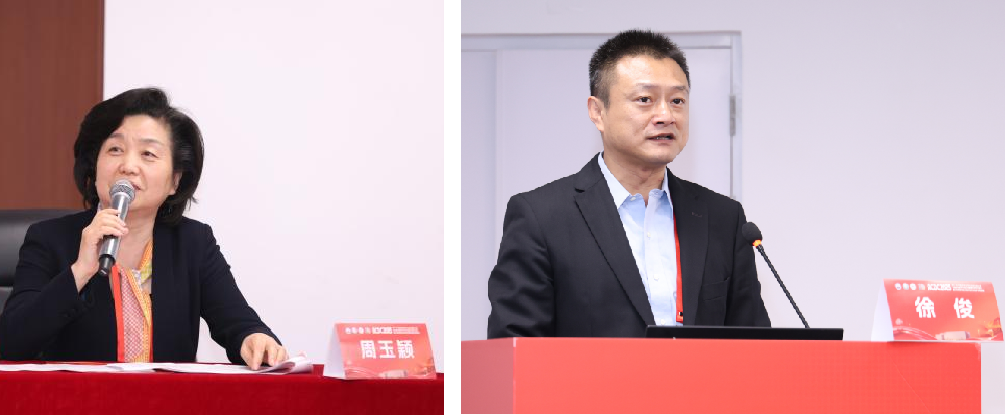
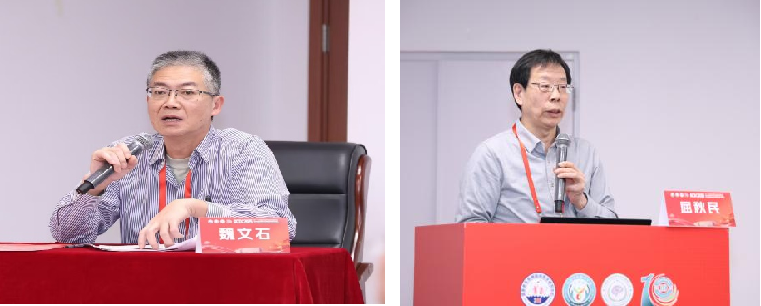
Professor Xu Jun from Tiantan Hospital, Capital Medical University, elaborated in depth on the new strategy of tau protein-targeted therapy, bringing new hope to etiological treatment.
Professor Zhang Junjian from Zhongnan Hospital of Wuhan University, based on the latest evidence from AAIC, innovatively proposed the concept of "vascular risk factor control window" for vascular cognitive impairment (VCI), providing a new approach for early intervention.
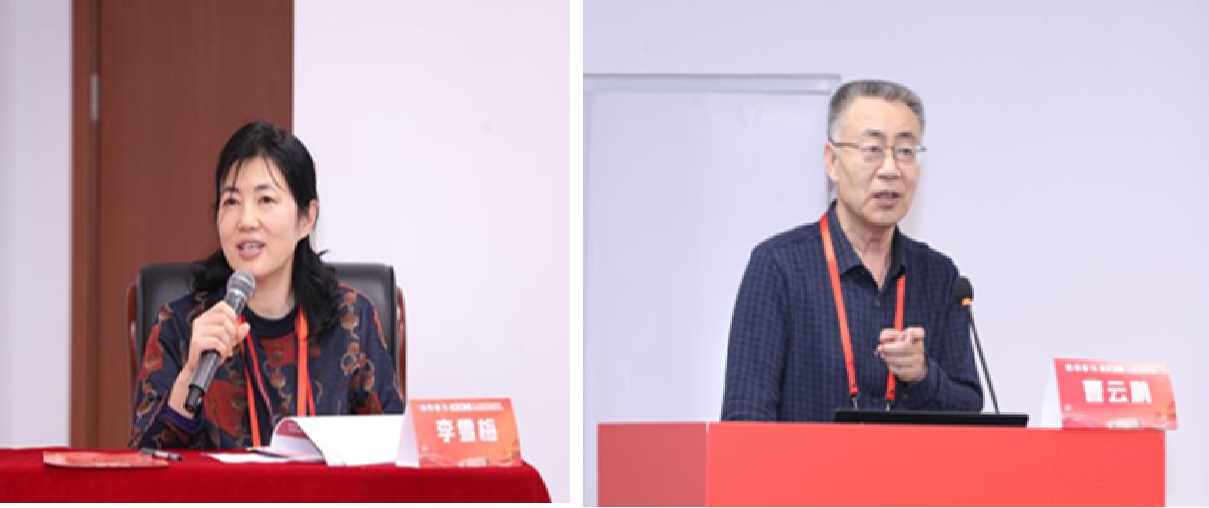
In addition, Professor Jia Jianjun's practical sharing on Aβ molecular imaging, Professor Qu Qiumin from the First Affiliated Hospital of Xi 'an Jiaotong University's analysis of the mechanism between ApoE4 and ARIA, and Professor Cao Yunpeng from the First Affiliated Hospital of China Medical University's authoritative interpretation of the consensus on the diagnosis and treatment of Lewy body dementia Together with Professor Qiao Yanan from China-Japan Friendship Hospital's declaration on blood markers leading the early and precise diagnosis of AD, they jointly outline a clear panorama of the field of cognitive impairment from basic research to clinical application, fully demonstrating the powerful platform role of the society in integrating top resources and promoting the progress of the discipline.
Iii. Seamless integration of online and offline: Highlighting the ability to organize events efficiently and collaboratively
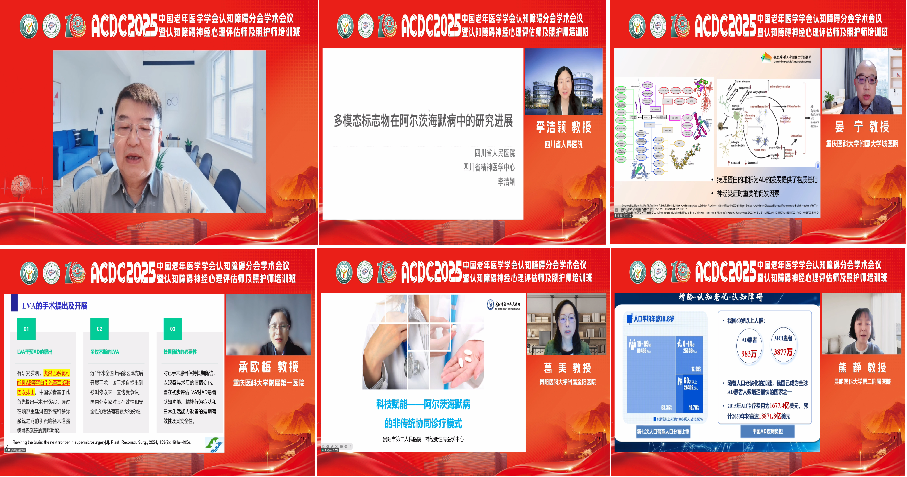
The success of this conference is attributed to meticulous planning and efficient execution. The learning team demonstrated outstanding organizational and coordination skills, ensuring the high-quality conduct of offline meetings and the smooth and stable live streaming online. The "Early Prevention and Treatment Alliance" meeting held that afternoon The online special session on "Secondary Prevention of AD and Intervention for High-risk Populations" attracted over ten thousand professional viewers simultaneously. Five speakers, including Professor Li Jieying from Sichuan Provincial People's Hospital and Professor Yan Ning from the University Town Hospital Affiliated to Chongqing Medical University, along with the host experts, engaged in in-depth exchanges on topics such as multimodal screening and precise treatment of mental symptoms, spreading academic enthusiasm across the country through the cloud. It has further expanded the academic influence and coverage of the society.
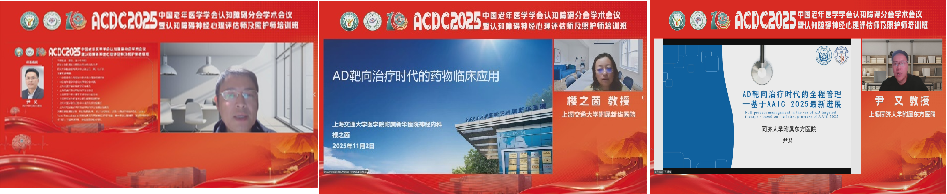
The academic enthusiasm of the conference continued to burn in the following days. On the evening of November 2nd, the online meeting focused on "Clinical Application and Full-Process Management in the Era of AD Targeted Therapy", hosted by Professor Wei Wenshi. Professor Lou Zhiyin from Xinhua Hospital Affiliated to Shanghai Jiao Tong University and Professor Yin You from Dongfang Hospital Affiliated to Tongji University in Shanghai respectively delved into the opportunities, challenges and solutions brought about by the introduction of targeted drugs into clinical practice from the perspectives of practical drug application and long-term patient management, providing valuable "practical manuals" for front-line doctors.
On the evening of November 3rd, the topic moved further into the future, with the theme set as "Beyond Aβ : Emerging Targets and Combination Therapy Strategies", hosted by Professor Ye Qinyong. Professor Yu Jintai from Huashan Hospital Affiliated to Fudan University and Professor Wang Yanjiang from Daping Hospital of Army Medical University systematically reviewed the research and development trends targeting emerging targets such as tau protein and neuroinflammation, and forward-looking discussed the future inevitable trend of combined therapy, opening up new ideas for scientific research and clinical practice for the participants.
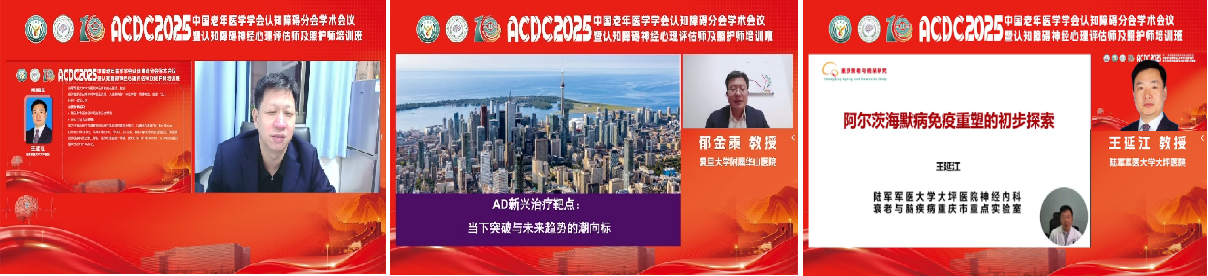
The closing online meeting on the evening of November 4th closely revolved around the core of the year's implementation - "Clinical application and Standardization of Biomarkers". Under the leadership of Professor Ning Yuping, Professor Liu Haiying from the Affiliated Brain Hospital of Guangzhou Medical University and Professor Ji Yong from the Affiliated Huanhu Hospital of Tianjin Medical University focused on key issues such as how cutting-edge technologies like plasma markers can move from research to clinical practice and how to establish standardized procedures, and engaged in a highly practical and guiding discussion, removing obstacles for the popularization of precision diagnosis and treatment.
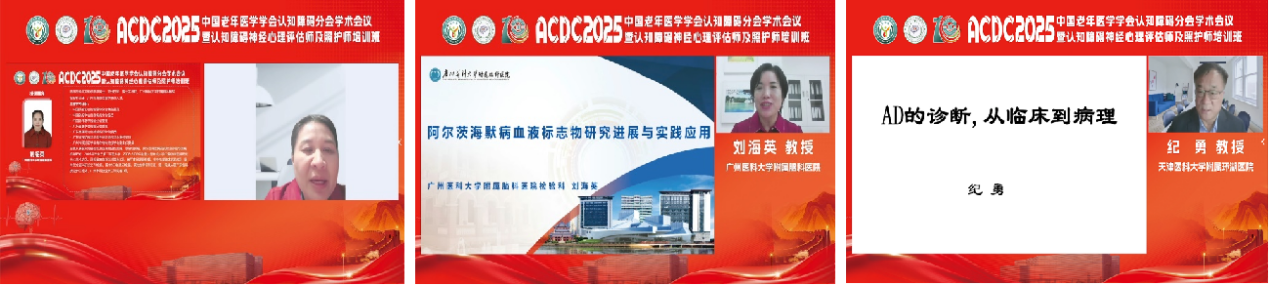
This series of closely connected and in-depth online special topics not only extended the academic influence of the conference to four days, creating a powerful situation of "igniting offline and spreading online", but also comprehensively demonstrated the strong appeal and organizational ability of the society in leading the frontiers of disciplines, promoting full-process management, and facilitating the transformation of achievements. It has further consolidated its academic core position in the field of cognitive impairment across the country.
Fourth, Build consensus and embark on a New Chapter: Strengthen internal unity and mission Responsibility
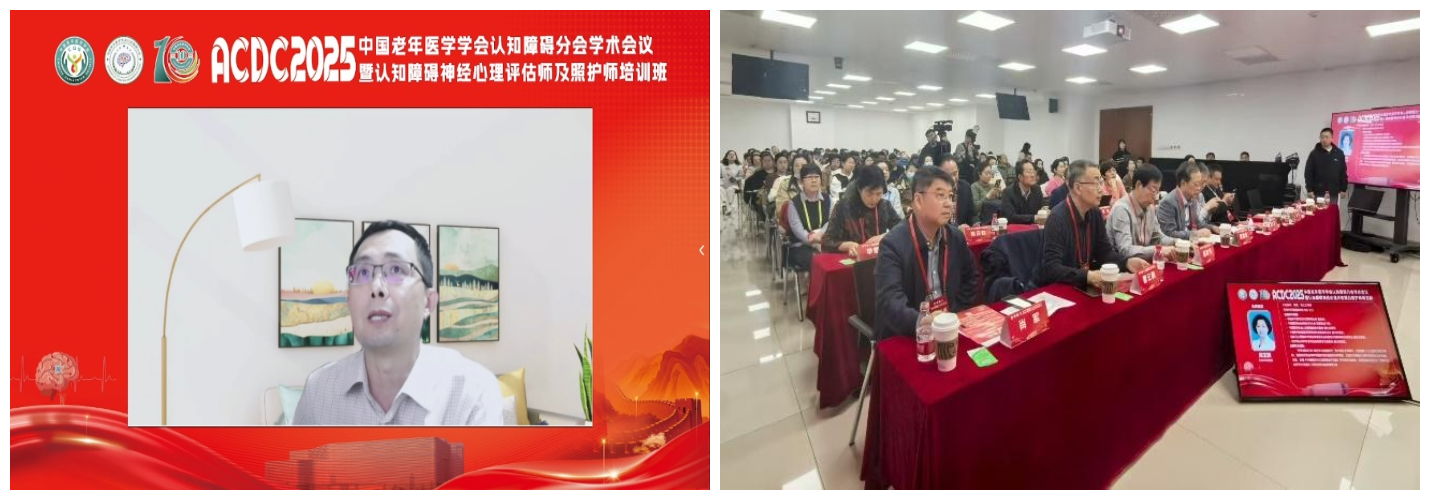
The meeting came to a successful conclusion with Professor Wang Yongjun's summary of "Precision Diagnosis and Treatment, Moving Forward Hand in Hand". This conference is not only a concentrated display of academic achievements, but also a deep consolidation of industry forces. From the consensus launch to the cutting-edge discussions, from offline interaction to online linkage, the entire conference process was smooth, the content was rich, and the results were abundant. It fully demonstrated the unprecedented unity, efficient execution ability, and common sense of mission to serve the industry and benefit patients within the Cognitive Impairment Branch of the Chinese Geriatrics Society.
The closing ceremony does not mean the end; it's time to forge ahead. The Cognitive Impairment Branch of the Chinese Geriatrics Society will continue to uphold its original aspiration of "focusing on the cutting-edge and safeguarding memory", join hands with colleagues across the country, take scientific and technological innovation as the engine and humanistic care as the background color, and continuously promote the high-quality development of cognitive impairment prevention and treatment in China, contributing inexhaustible strength to the construction of a healthy China and the improvement of the well-being of hundreds of millions of elderly people.
Prev
【 Meeting Notice 】 Lung Healing in Unison - Exchange Meeting on Full-Process Management, Diagnosis and Treatment of Lung Cancer
Next
Special Report on "2025 Laboratory Medicine and Chronic Disease Management" Academic Conference Four: Laboratory Empowerment and Management Update for Chronic Diseases and Comorbidities in the Elderly Empowering chronic Disease Management and exploring updated paths