
The Public Health Service Branch of the Chinese Geriatrics Society held a training course on the construction of the elderly Health service system at the grassroots level in China in 2025, focusing on the training of sub-specialty general practitioners and the management of adult immunity
2025-12-05 15:59:00 Source: 中国老年医学学会
"Comprehensive and specialized integration" empowers and optimizes elderly health services at the grassroots level
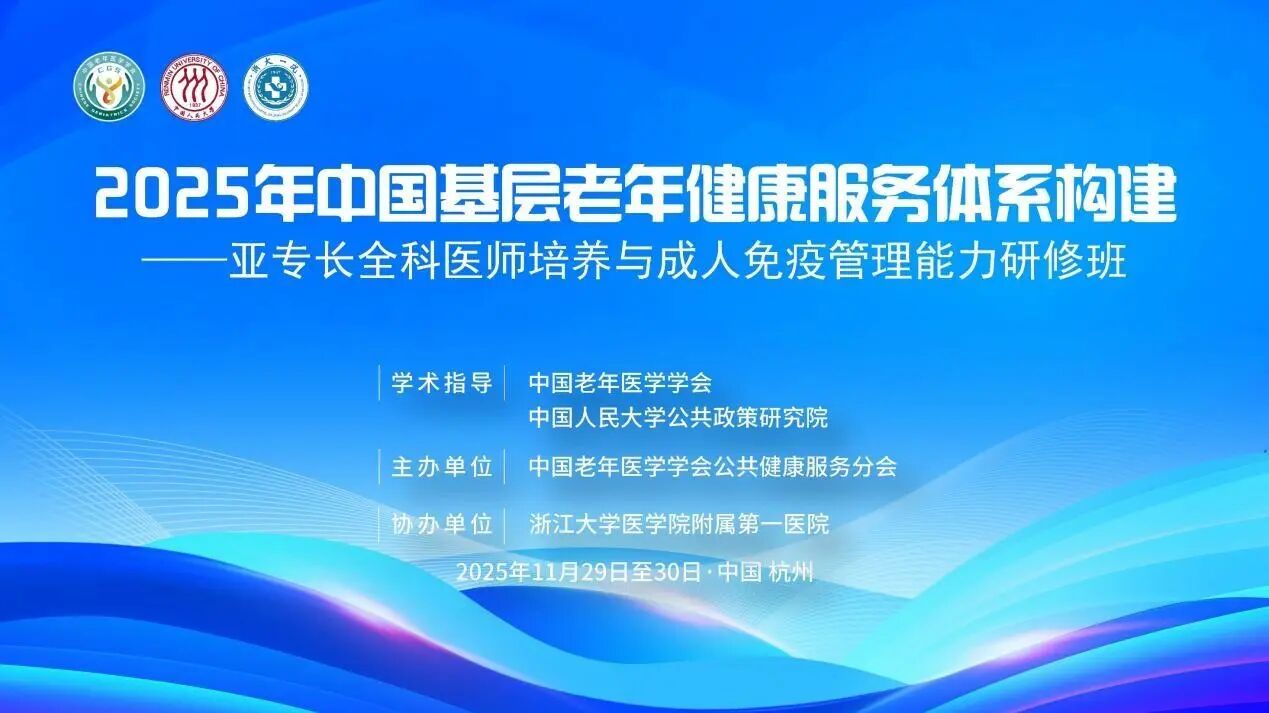
To thoroughly implement the spirit of the Fourth Plenary Session of the 20th Central Committee of the Communist Party of China and promote the improvement and perfection of the elderly health service system, on November 29, 2025, the Public Health Service Branch of the Chinese Geriatrics Society, in collaboration with the First Affiliated Hospital of Zhejiang University School of Medicine, organized The "2025 Construction of China's Grassroots Elderly Health Service System - Training of Sub-Specialty General Practitioners and Adult Immune Management Capacity Training Course" jointly guided by the Chinese Society of Geriatrics and the Institute of Public Policy of Renmin University of China was successfully held in Hangzhou. This event focused on the challenges and opportunities in the development of grassroots elderly health services in the context of an aging society. With the core topics being the training of sub-specialty general practitioners and the improvement of adult immune management capabilities, it brought together top experts, scholars, and front-line clinical workers in the field of geriatric public health services across the country, creating a cutting-edge, practical, and richly diverse academic event.
Opening remarks: Clarifying the Future Direction and Outlining the development blueprint for elderly health services at the grassroots level
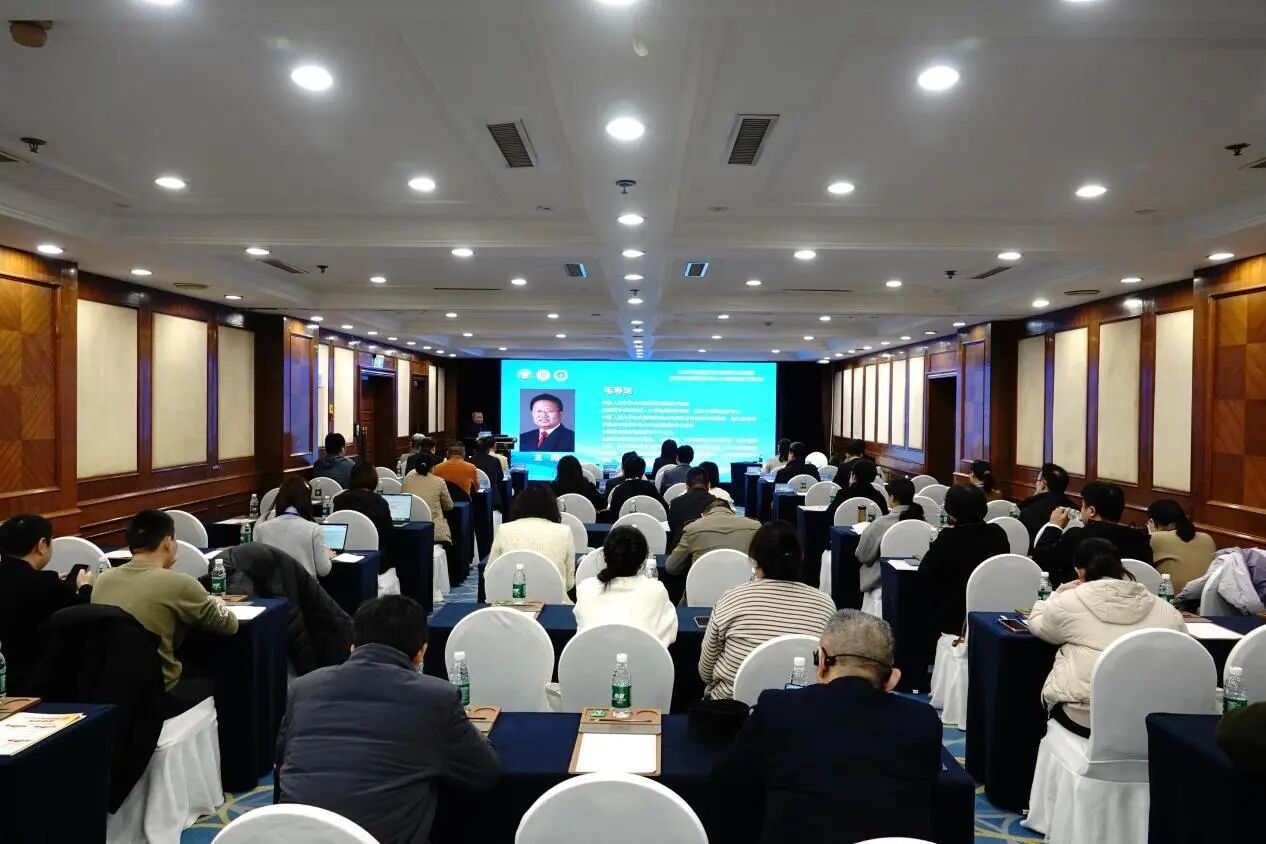
At the opening ceremony, Professor MAO Shoulong, the president of the Public Health Service Branch of the Chinese Society of Geriatrics, delivered a speech. He pointed out that as the scale of the elderly population continues to expand and the number of newborns decreases year by year, the aging trend of our society is becoming increasingly prominent. It is of great significance and imperative to accelerate the construction of a grassroots elderly health service system.
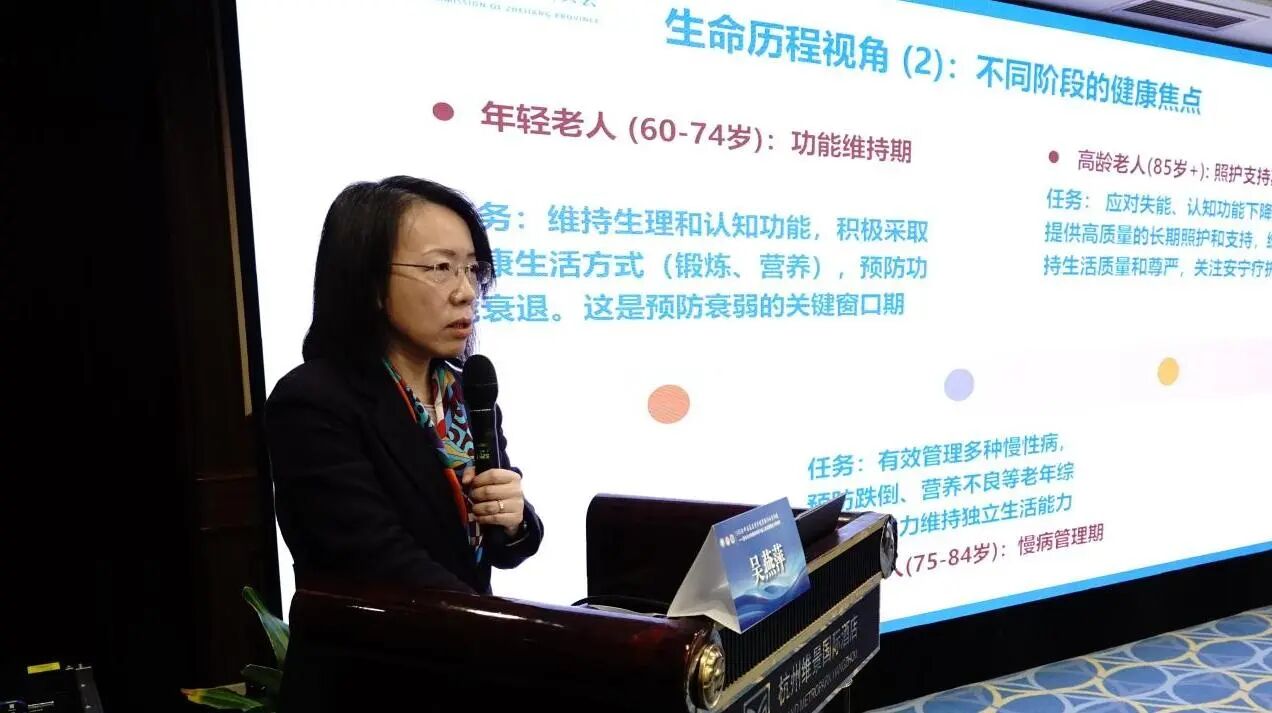
Wu Yanping, director of the Aging Department of the Health Commission of Zhejiang Province, based on the actual aging work in Zhejiang Province, deeply analyzed the aging situation of the elderly population, which is characterized by an expansion in scale, an increase in growth rate, and a rapid transformation in structure, as well as the progress of healthy aging work during the "14th Five-Year Plan" period. She systematically expounded on the development ideas for healthy aging in Zhejiang Province, focusing on six key areas: deepening the promotion of elderly health and disease prevention, enhancing the level of elderly medical services, standardizing the development of palliative care services, further advancing the integration of medical care and elderly care, strengthening care services for disabled elderly people, and strengthening the construction of elderly health talent teams. It has provided vivid cases for the implementation of healthy aging work across the country with practical experience.
Keynote Report: Focusing on Order Norms to Explore the Training Model Path for General Practitioners with Sub-specialties
During the keynote report session, MAO Shoulong, the president of the branch, and Ren Jingjing, the vice president, respectively delivered keynote speeches on "Order and Standards".
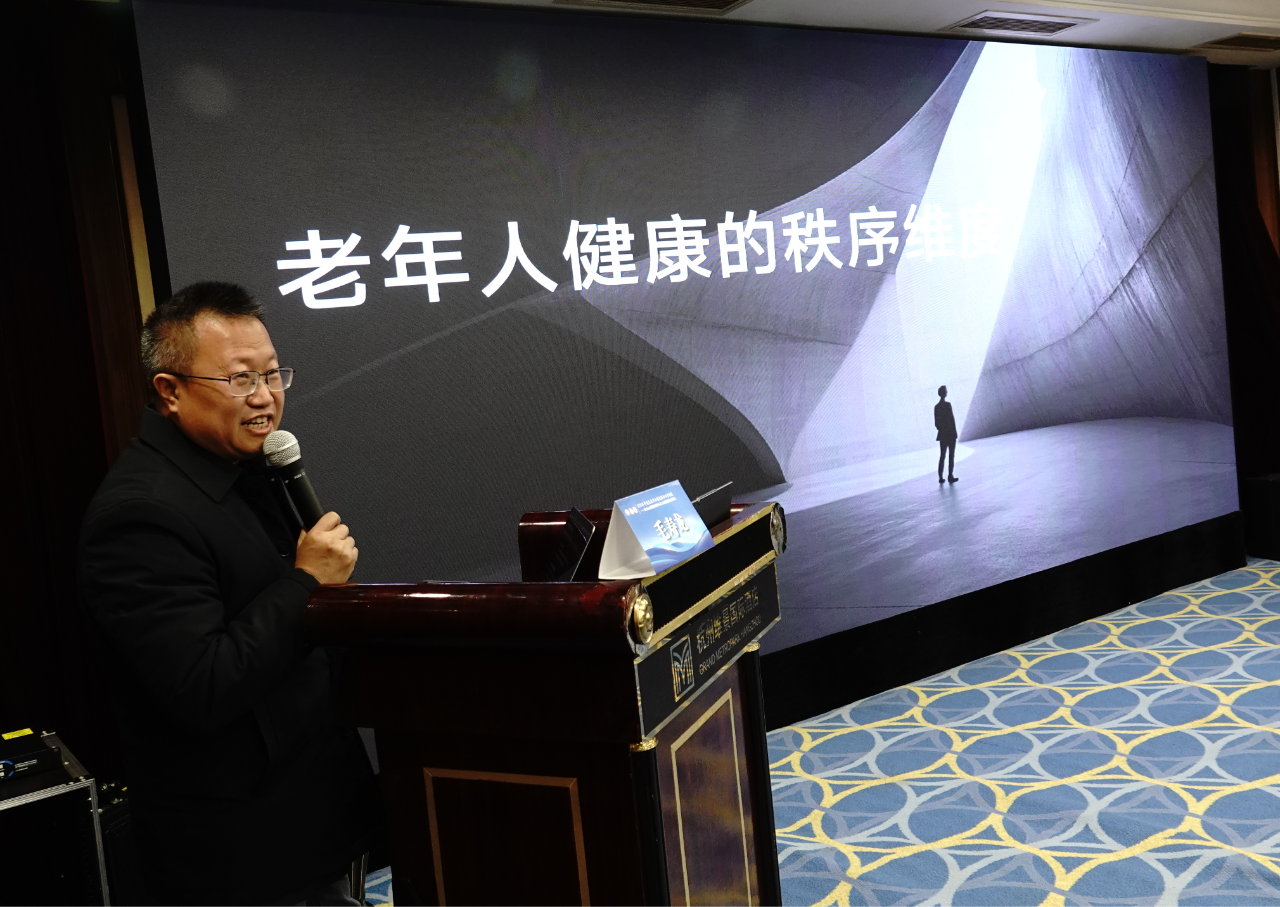
President MAO Shoulong, in his speech, constructed a functional model of health and order, and deeply interpreted it from five major order dimensions: time, space, knowledge, medicine, and immunity. He put forward the view that aging is both a "shock" and a "dividend", as well as both a "crisis" and an "opportunity". He emphasized that it is necessary to achieve short-cycle discounting of long-term health benefits and enhance the enthusiasm of the elderly to participate in health interventions. Increase spatial redundancy to ensure that the elderly receive emergency services within 15 minutes; Through sub-specialty general practitioners and digital twin technology, the elderly can visualize their health consequences and enhance their understanding and execution abilities. Reduce the complexity of drug coordination to ensure that both drug safety and efficacy are given equal weight. Upgrade vaccination, intensify health intervention and disease prevention.
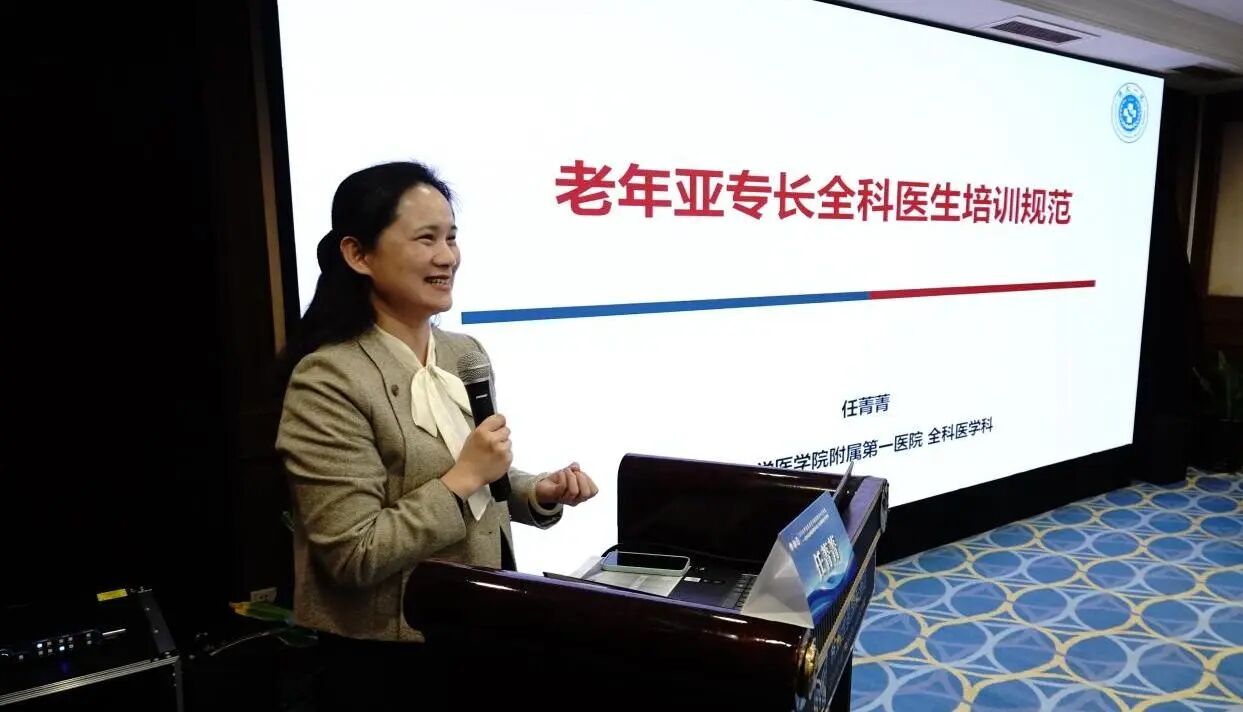
Vice President Ren Jingjing interpreted the key academic and research achievement of the branch in 2025, the "Training Specifications for Elderly Sub-Specialties of General Practitioners" (draft for comments), and focused on explaining the current situation, exploration practices and future development of the training and motivation of sub-specialty general practitioners at home and abroad. She emphasized that the elderly, as a key service group for general practitioners, have unique characteristics in terms of physiology, psychology and social behavior patterns. General practitioners need to master professional skills such as the diagnosis and treatment of undifferentiated diseases, chronic diseases and comorbidiasis in the elderly, geriatric functional assessment and rehabilitation. It is very necessary to standardize the ability training of sub-specialties of geriatric general practitioners. She pointed out that the development of general practitioners with sub-specialties in our country has lagged behind that of countries such as the UK, the US, Australia and Canada by more than ten years. It is necessary to actively learn from advanced experiences and pay close attention to and conduct research on the training and incentives of general practitioners with sub-specialties, especially in terms of policy dividends such as qualification access and exit, doctor development space and promotion channels, so as to provide methods and paths for promoting the cultivation and development of general practitioners with sub-specialties.
Special Report: Segmenting Service Areas to Break the Gap in Prevention and Treatment of Elderly Health Services
During the special report session, renowned experts and scholars from the medical and health fields in Shanghai, Zhejiang, Beijing and other places, based on their respective specialized service areas, delivered special reports one by one on the theme of elderly health services.
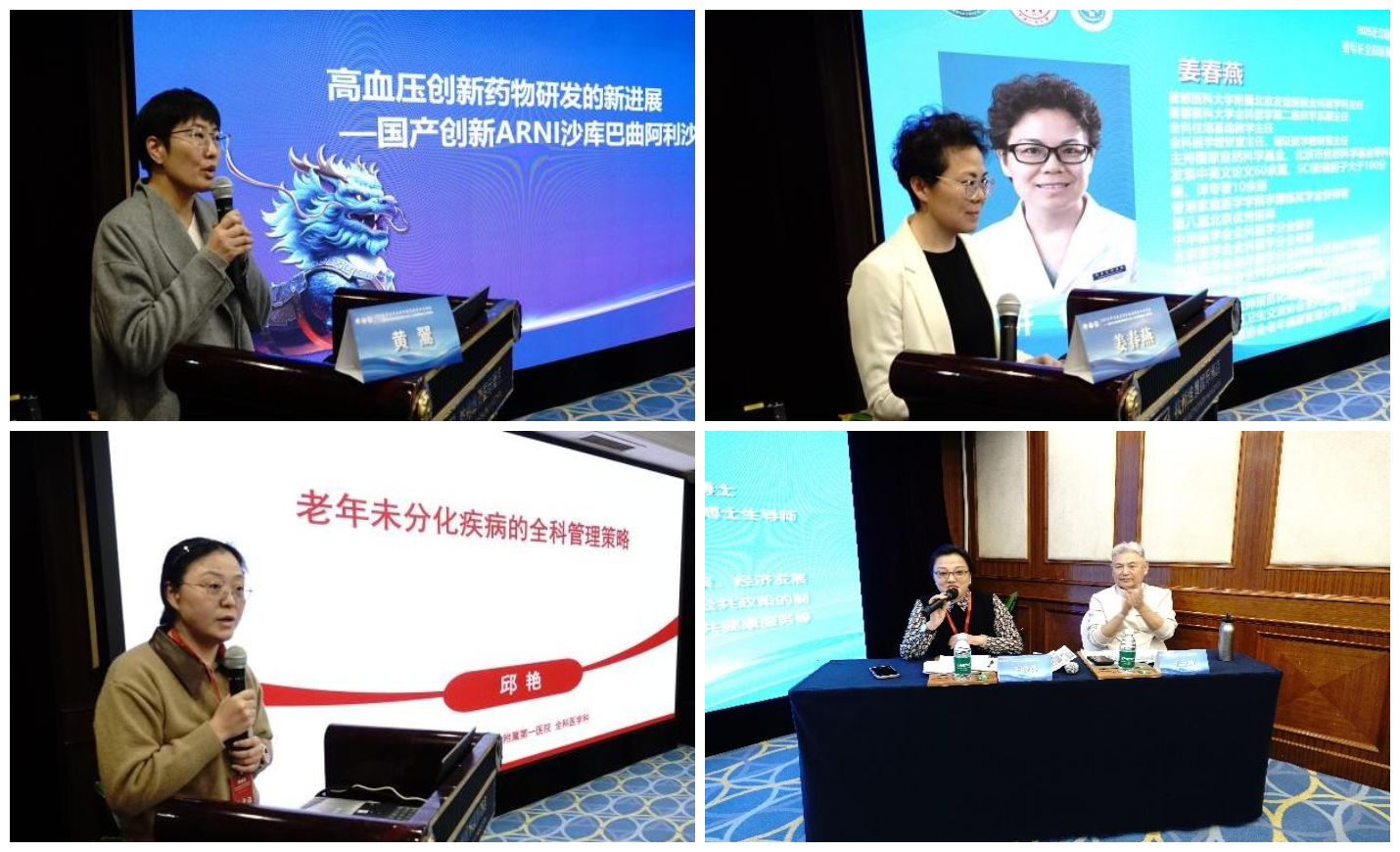
In the special topic of "Focusing on the Diagnosis and Treatment of Common Diseases to Care for the Physical Health of the Elderly at the Grassroots Level". Director Gu Wenqin of the Health Service Management and Development Center of Xuhui District, Shanghai, Professor Huang 翯 from Sir Run Run Shaw Hospital, School of Medicine, Zhejiang University, Professor Jiang Chunyan from Beijing Friendship Hospital, Capital Medical University, and Professor Qiu Yan from the First Affiliated Hospital, School of Medicine, Zhejiang university Special reports were respectively made on areas such as "The disease burden of respiratory syncytial virus and how to do specific prevention well", "New Progress in the research and development of innovative drugs for Hypertension - The research and development achievements and Effects of the domestic innovative ARNI Sacubitril Arisartan Calcium Tablets", and "Management Strategies for comorbidity of Chronic Diseases in the Elderly and general management strategies for undifferentiated diseases in the Elderly".
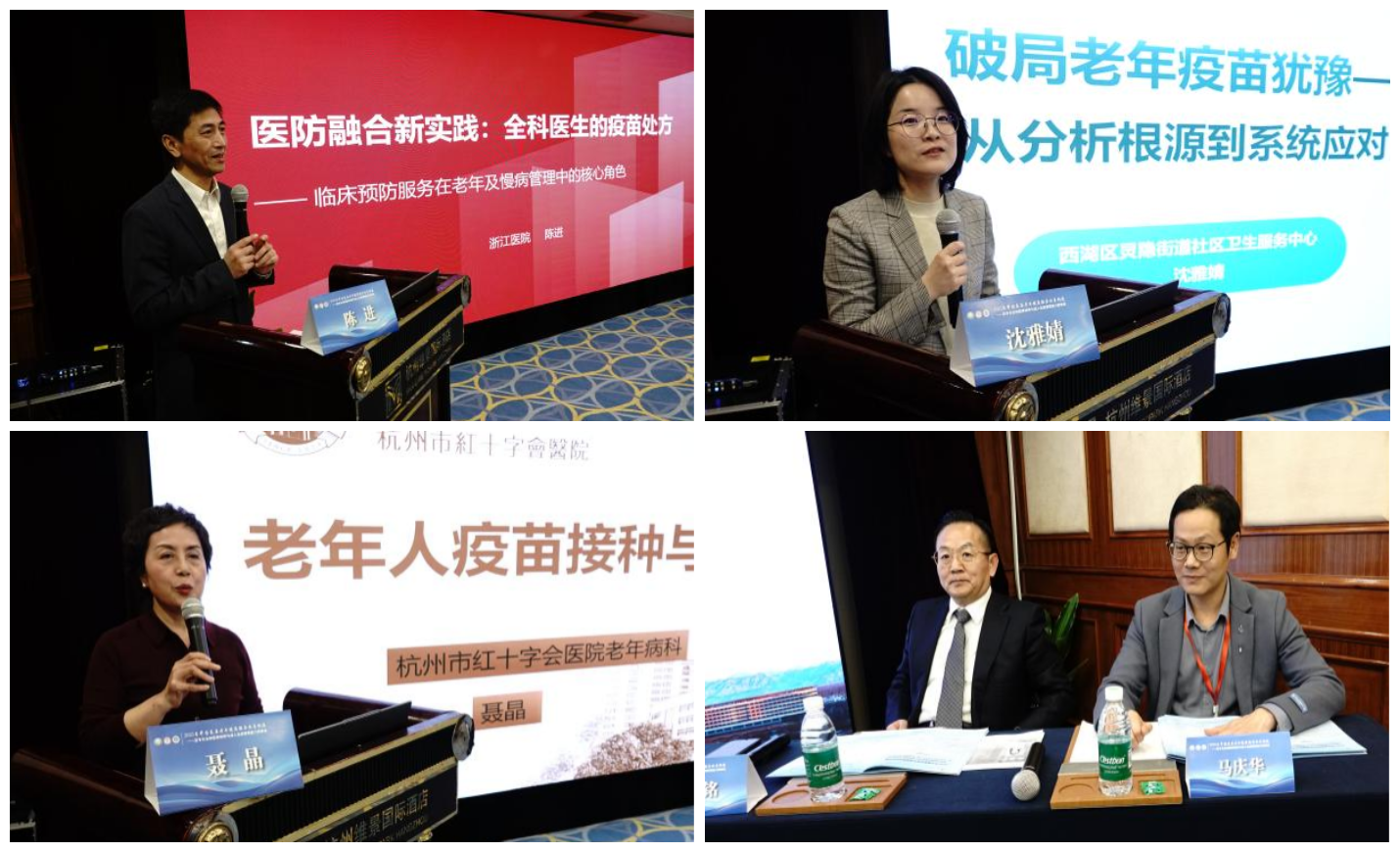
In the special topic of "Focusing on Vaccination and Optimizing the Prevention of Elderly Diseases at the Grassroots Level". Vice President Ren Jingjing of the branch, Professor Gu Haifeng from the First Affiliated Hospital of Zhejiang University School of Medicine, Professor Chen Jin from Zhejiang Hospital, Deputy Director Shen Yajing of Lingyin Sub-district Community Health Service Center of Hangzhou City, and Director Nie Jing of Hangzhou Red Cross Hospital Respectively focusing on "The Necessity of full life cycle Immunity and the Significance of Vaccination for Middle-aged and Elderly People", "Immune Aging and bone marrow Aging such as Immune Dysfunction and chronic low-grade inflammation", "Causes of Related Diseases such as thymus aging", "The vaccine prescription of general practitioners is a new practice of medical and preventive integration centered on health", and "Systematic Countermeasures to Break the current Situation of elderly people at the grassroots level Hesitating to get vaccinated" In-depth discussions were conducted on topics such as the pros and cons of vaccination for the elderly and its relevance and importance to health management.
Summary and Outlook: Build consensus on achievements and write a new chapter in elderly health services at the grassroots level
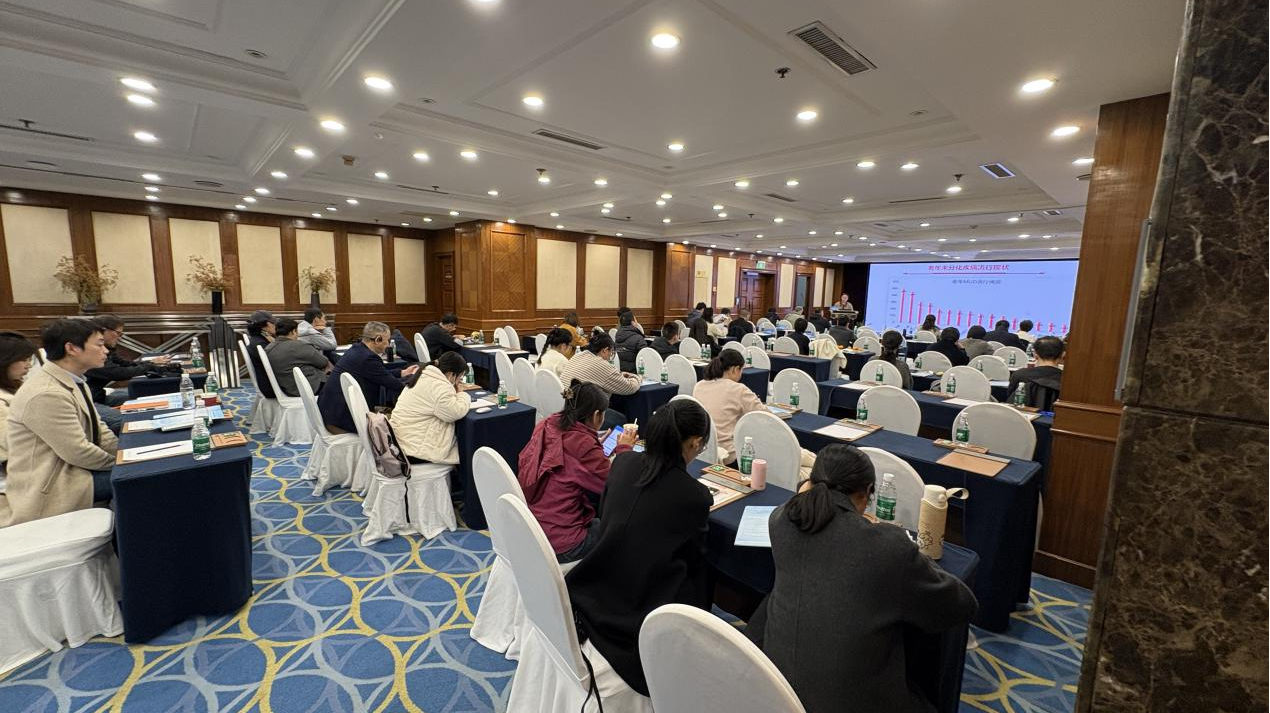
With perseverance and hard work, we will achieve fruitful results; with determination and progress, we will make new achievements. After the event, Zhang Lianshan, the general director of the Public Health Service Branch, said, "The branch will make good use of the conference outcomes and make more substantive efforts and contributions to optimizing elderly health services at the grassroots level." Next, the Public Health Service Branch will take this training course as an opportunity to further enhance communication and collaboration with top experts, scholars and other backbone talents in related fields, continuously build a learning and exchange platform that reaches the grassroots level, and work together with industry colleagues to focus on promoting the construction and improvement of the grassroots elderly health service system, and continuously enhance the level of elderly health services at the grassroots level. Constantly enhance the sense of gain, happiness and security of health among the elderly.
Prev
Notice of the Academic Conference on New Advances in Precision Diagnosis and Treatment of Cognitive Impairment of the Chinese Society of Geriatrics and the Training Course for Neuro-Psychological Assessors and Cognitive Impairment Caregivers
Next
The first stop of the "Enjoy Health with Movement, Muscles Must Be Lost" interdisciplinary prevention and treatment campaign of the Sports Health Branch of the Chinese Geriatrics Society was successfully launched in Inner Mongolia