
Exploring New Paradigms of AI Empowering Brain Science Research - The 2025 NeuroImaging and Artificial Intelligence Academic Conference of the Radiology Branch of the Chinese Geriatrics Society was Held in Beijing
On December 4, 2025, the "2025 Academic Conference on NeuroImaging and Artificial Intelligence" was successfully held in Beijing, hosted by the Radiology Branch of the Chinese Geriatrics Society and organized by the Department of Radiology Diagnosis of the First Medical Center of the PLA General Hospital.
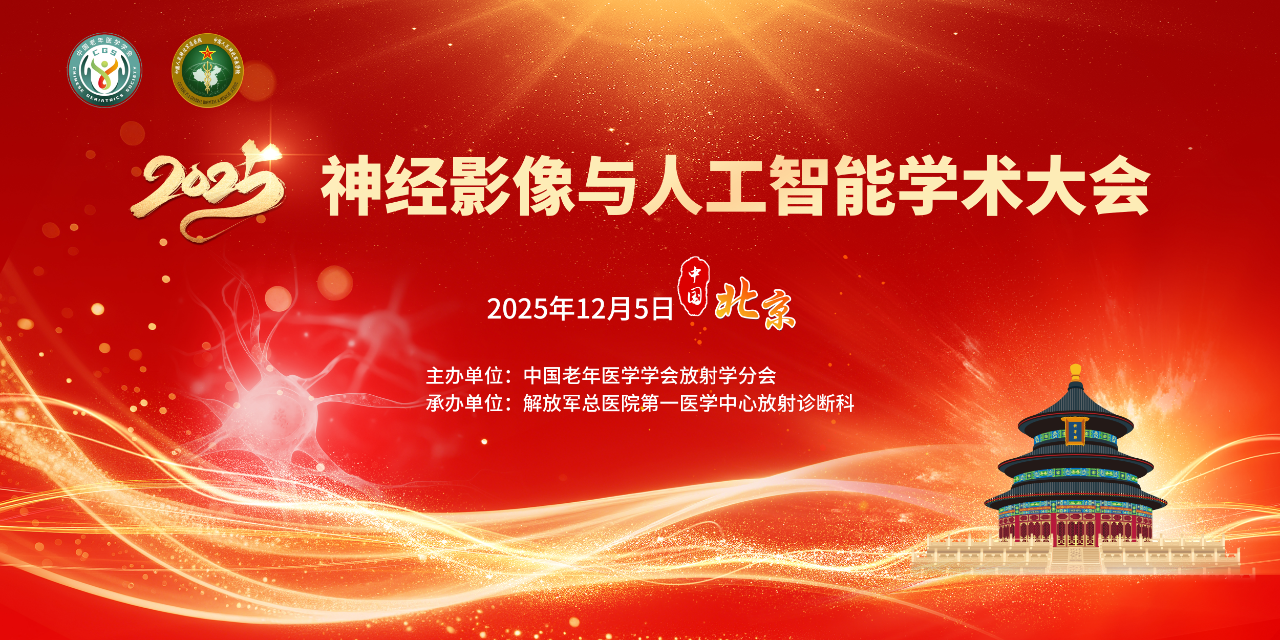
The conference, with "Neuroimaging and Artificial Intelligence" at its core, has specially invited over 30 senior experts from multiple fields such as neuroimaging, artificial intelligence, and brain science to lead lectures. Through special reports, cutting-edge dialogues, and case studies, it has formed a cross-disciplinary "top think tank", focusing on technological frontiers, clinical application, and disciplinary integration. Fully showcase the latest achievements and application directions of AI in the diagnosis, treatment and research of neurological diseases, build an efficient communication platform for the coordinated development of disciplines, and jointly explore new paths for innovative development in the field.
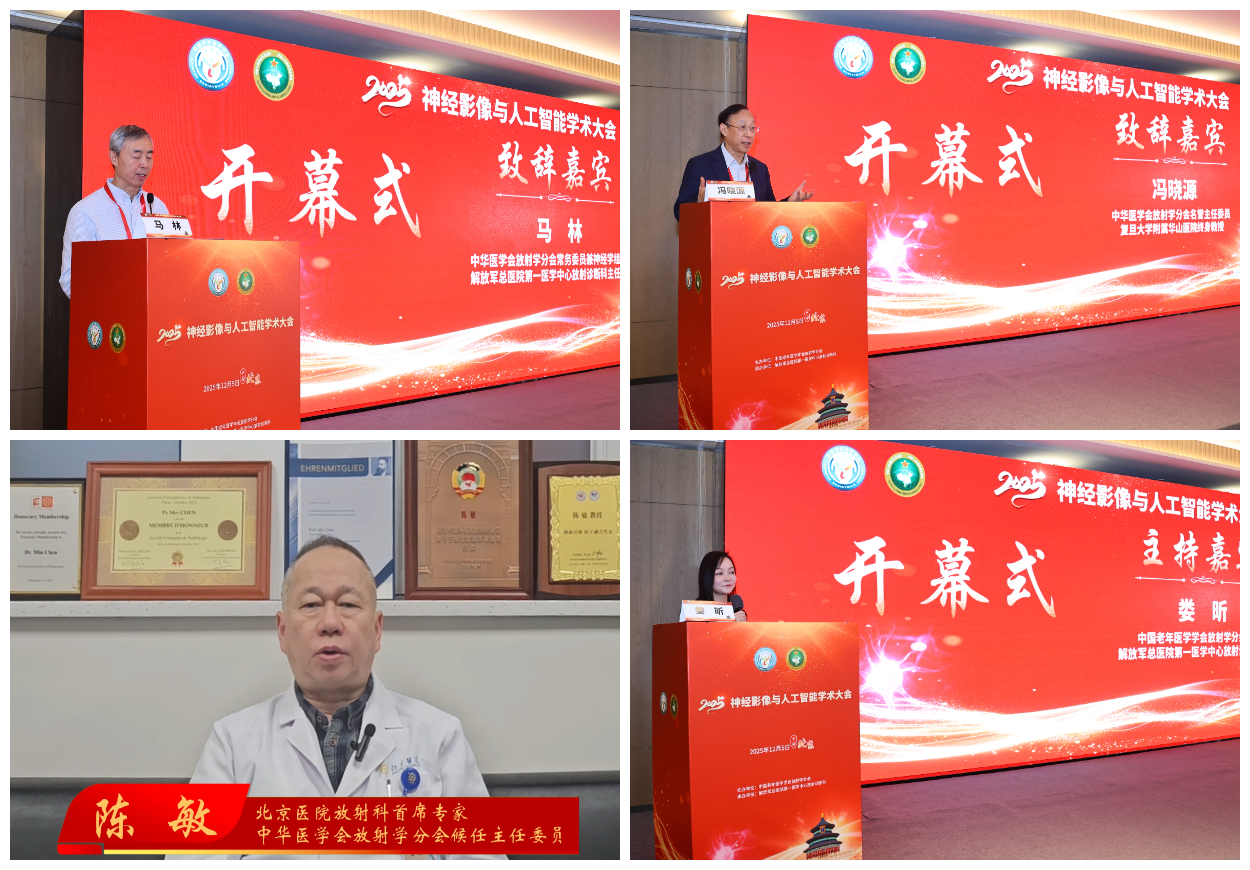
Professor Ma Lin from the First Medical Center of the PLA General Hospital, Professor Feng Xiaoyuan from Huashan Hospital Affiliated to Fudan University, and Professor Chen Min from Beijing Hospital attended the opening ceremony and delivered speeches. Professor Lou Xin, the president of the Radiology Branch of the Chinese Geriatrics Society and the director of the Department of Radiology Diagnosis at the First Medical Center of the PLA General Hospital, attended and presided over the opening ceremony.
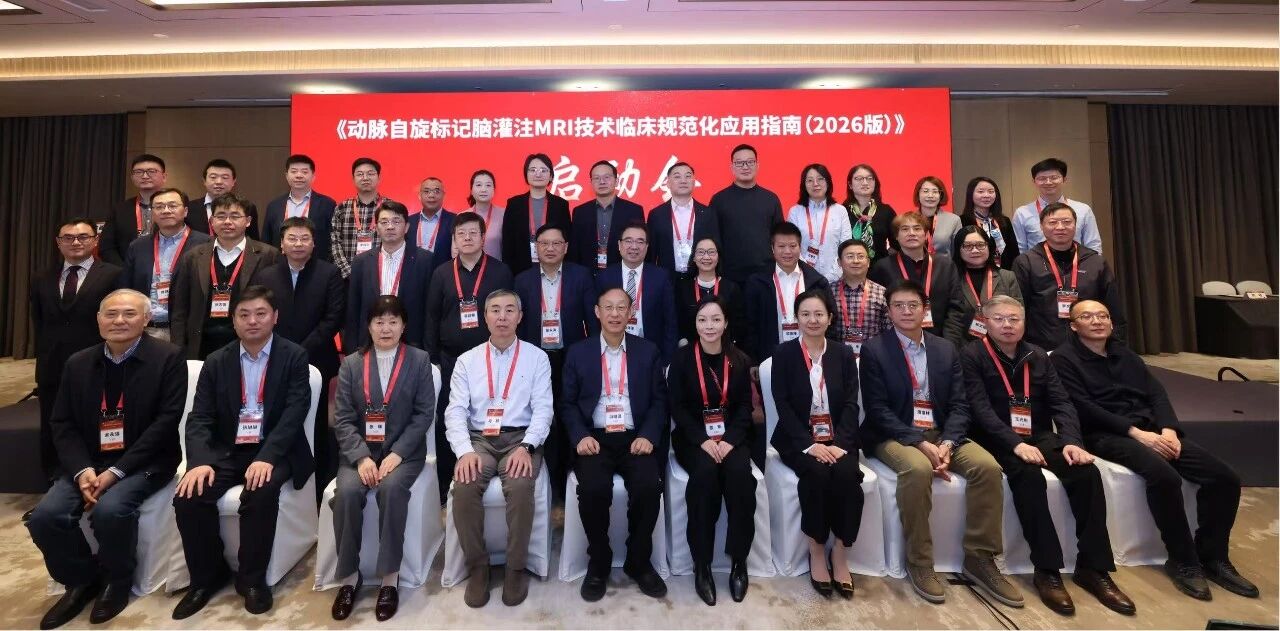
Under the joint witness of the attending guests and colleagues, the launch meeting of the "Clinical Standardized Application Guidelines for Arterial Spin-Labeled Cerebral Perfusion MRI Technology (2026 Edition)" was held simultaneously. This guideline will be jointly compiled by the Department of Radiology of the First Medical Center of the PLA General Hospital and experts from the imaging, neurology and neurosurgery departments of over 30 top-tier hospitals across the country. A standardized operation path was formulated for the examination process, image quality control, parameter optimization and clinical interpretation of arterial spin labeling (ASL) cerebral perfusion MRI technology in major neurological diseases such as cerebrovascular diseases, Alzheimer's disease and brain tumors.
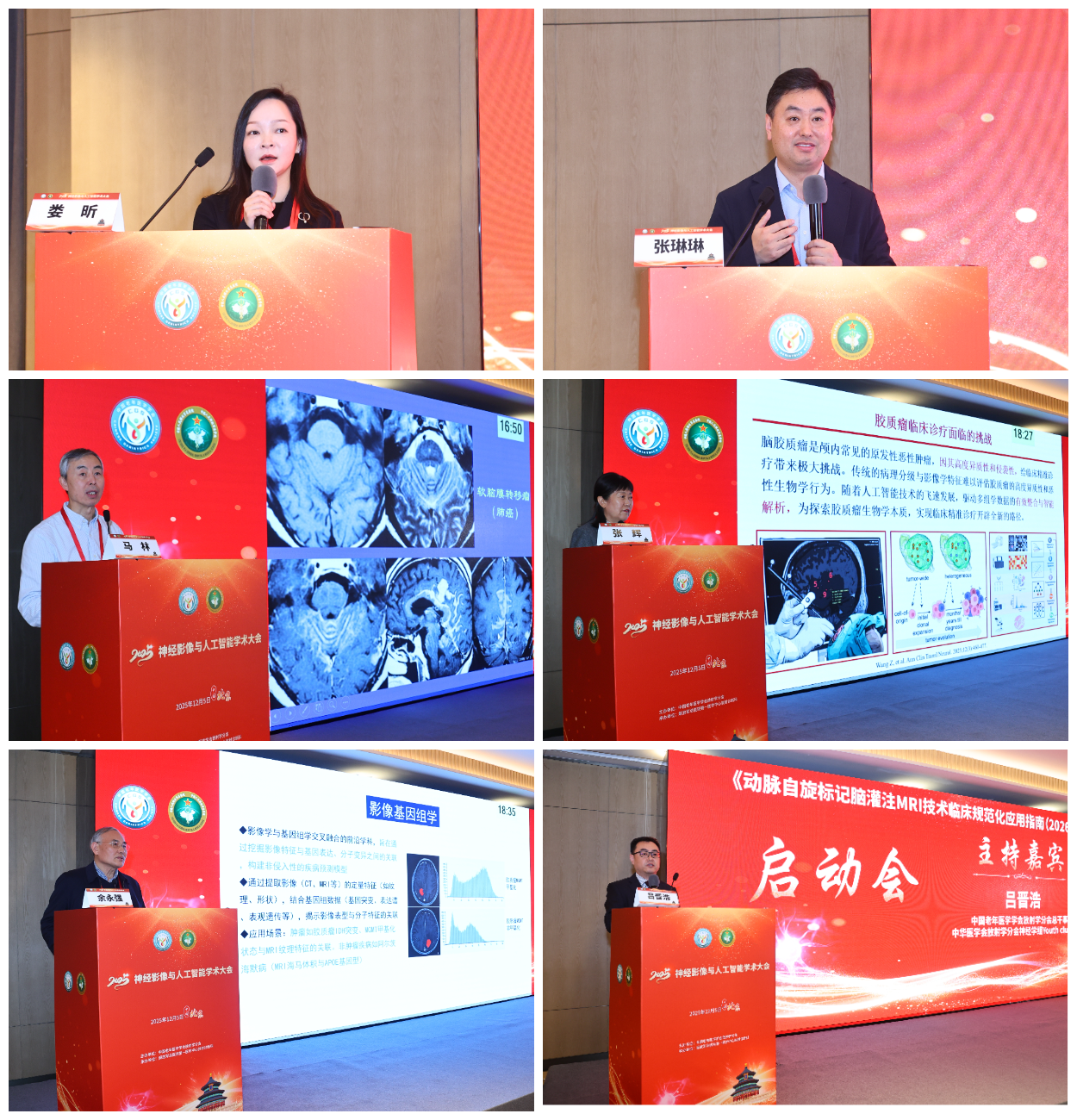
Professor Feng Xiaoyuan from Huashan Hospital Affiliated to Fudan University, Professor Ma Lin from the First Medical Center of the PLA General Hospital, Professor Zhang Hui from the First Hospital of Shanxi Medical University, Professor Zhou Junlin from the Second Hospital of Lanzhou University, Professor Yu Yongqiang from the First Affiliated Hospital of Anhui Medical University, Professor Wang Guangbin from Shandong Provincial Hospital Affiliated to Shandong First Medical University, Director Zhang Linlin of the Editorial Department of the Chinese Journal of Radiology, Central South University Professor Liao Weihua from Xiangya Hospital of University and Professor Chen Feng from Hainan Provincial People's Hospital attended and participated in the launch ceremony. Professor Lou Xin and Director Zhang Linlin delivered speeches respectively. Dr. Lyu Jinhao from the First Medical Center of the PLA General Hospital presided over the kick-off meeting.
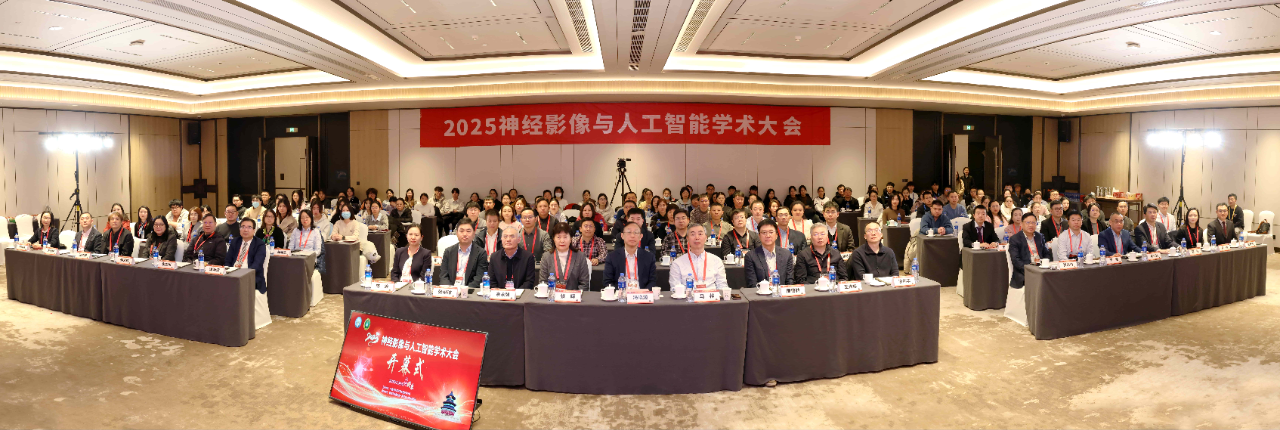
The academic agenda of this conference is both profound and broad, covering the entire chain of topics from basic research to clinical application. The morning academic reports focused on cutting-edge directions such as imaging studies of diffuse glioma, multi-omics integration of neuroimaging, multi-modal exploration of major depressive brain, and exogenous metabolic magnetic resonance, demonstrating the research depth from microscopic metabolism to macroscopic structure, and from single modality to multi-omics fusion. In the afternoon, the main venue focused on discussing cutting-edge technologies such as the application of high-field magnetic resonance in neurological diseases, magnetic resonance fingerprinting and elastography, brain-computer interfaces and mental imaging, and conducted special exchanges on the application practices of AI in scenarios such as brain trauma, acceleration of neuroMRI, and imaging of cerebral vascular walls, highlighting the enabling value of AI in the entire process of diagnosis and treatment of neurological diseases. The sub-forum focused on the practical application of artificial intelligence in specific disease scenarios, delving into the application of machine learning in multiple sclerosis, the new paradigm of AI-driven stroke prevention, the practice of "digital and intelligent integration" in the diagnosis and treatment of central nervous system diseases, as well as precision medicine topics such as lesion and symptom brain mapping technology and molecular imaging of refractory epilepsy. At the same time, it analyzes the expert consensus on magnetic resonance vascular wall imaging and magnetic wave knife, directly serving the practical needs of clinical doctors. The entire agenda centers on "artificial intelligence" as its core thread, focusing not only on the innovation of AI algorithms but also emphasizing its cross-integration with emerging technologies such as multi-omics data, ultra-high field magnetic resonance, and brain-computer interfaces, with the aim of building a three-dimensional, dynamic, and individualized assessment and intervention system for neurological diseases.
This conference, with "intelligent and imaging integration" as the bond, not only provided a high-quality exchange platform for experts and scholars, but also anchored the development direction of neuroimaging towards "intelligence, precision and clinical application". With the implementation of achievements such as the "Clinical Standardized Application Guidelines for Arterial Spin-Labeled Cerebral Perfusion MRI Technology (2026 Edition)", artificial intelligence-driven neuroimaging technology will accelerate its benefits for patients and inject new impetus into the construction of a Healthy China.
Prev
【 Meeting Notice 】 Lung Healing in Unison - Exchange Meeting on Full-Process Management, Diagnosis and Treatment of Lung Cancer
Next
The Beijing Medical University's Academic Conference on Ultrasound for Geriatric Vascular and Musculoskeletal Diseases and the Fourth Premium Learning Class on Renal Artery Contrast-Enhanced Ultrasound were successfully held in Beijing, aiming to empower the development of Elderly health through Leading by example