
Digital Intelligence Empowers telemedicine to Safeguard the Health and Well-being of the Elderly - The 10th China Telemedicine Conference was Successfully Held
The 10th China Telemedicine Conference was grandly held in Nanchang, Jiangxi Province on December 20-21, 2025. It was jointly organized by the General Hospital of the People's Liberation Army, the Chinese Society of Research Hospitals, and the Chinese Society of Geriatrics, and was hosted by the Telemedicine Department of the Medical Security Center of the General Hospital of the People's Liberation Army, the Telemedicine Branch of the Chinese Society of Geriatrics, and Jiangxi Provincial People's Hospital.
This conference, with the theme of "Digital and Intelligent Health Development and Empowering Telemedicine", closely focuses on the health service demands of the elderly, and centers on the technological innovation breakthroughs and universal application of telemedicine. It aims to solve the medical treatment problems of the elderly through digital and intelligent means, promote the balanced allocation of medical resources, improve the hierarchical medical treatment system, and inject strong impetus into the high-quality development of the elderly health cause. The conference brought together leaders from relevant state ministries and commissions, academicians of the Chinese Academy of Sciences and the Chinese Academy of Engineering, experts and scholars, medical institutions, research institutes and business elites, among other forces. They shared cutting-edge achievements and discussed the development blueprint around core topics such as the innovation of elderly remote medical service models and technological adaptation. Zhang Meikui, the president of the Telemedicine Branch of the Chinese Geriatrics Society and a chief physician in the Telemedicine Department of the Medical Security Center of the General Hospital of the People's Liberation Army, served as the chairperson of the conference.
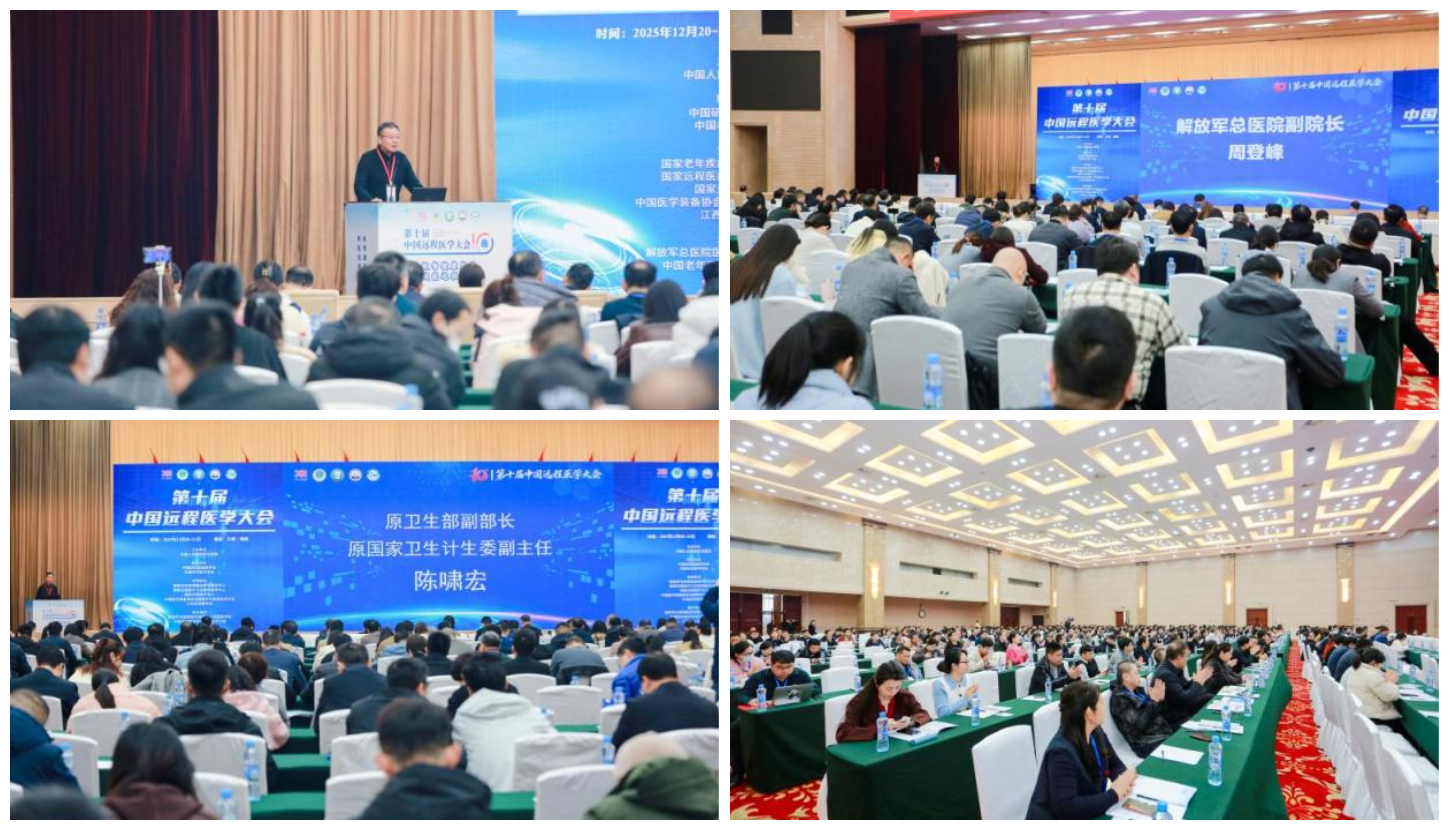
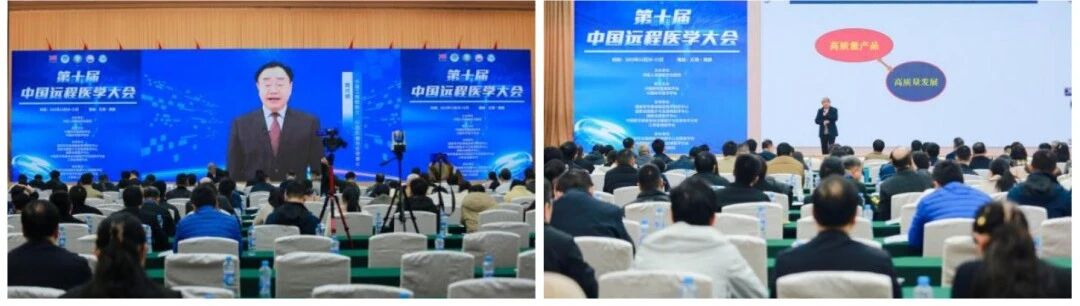
The keynote report session is divided into two stages, and the content combines strategic height with practical depth. In the first stage, Xu Shuqiang, former director of the Department of System Reform of the National Health Commission, Chair Professor of Shanghai Jiao Tong University, and president of the China Hospital Development Research Institute, Chinese Academy of Engineering academicians Fan Daming and Tan Jianrong, and Hu Xi, Director of the Department of System Reform of the Jiangxi Provincial Health Commission, Reports were respectively delivered on themes such as the high-quality development of public hospitals, the cultivation of doctors' capabilities, the development trends of artificial intelligence and medical robots, and the medical reform practices in Jiangxi Province, profoundly expounding on the crucial position of telemedicine in optimizing the supply of elderly health services and implementing the national health strategy. In the second stage, several industry experts including Chen Zhiping, the president of Jiangxi Provincial People's Hospital, and Huang Wanxin, the president of Zhengzhou Central Hospital, discussed practical cases such as big data empowering hospital development, new models of digital and intelligent remote medical services, and the construction of Internet hospitals for traditional Chinese medicine. They provided specific paths for adapting remote medical technology to scenarios such as elderly chronic disease management and home care.
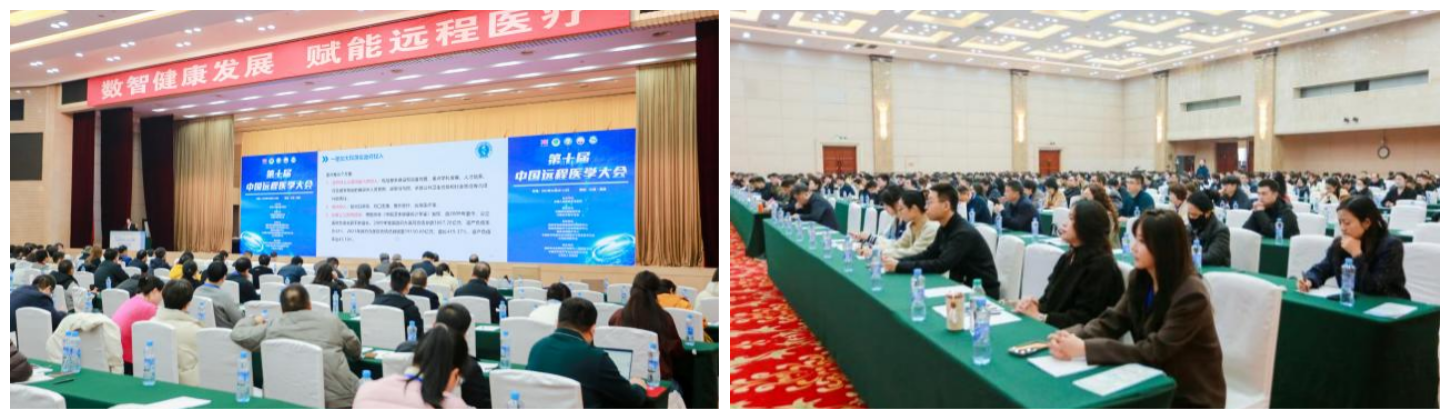
The conference simultaneously held five parallel sub-forums, covering key areas such as the multi-disciplinary application of telemedicine in clinical practice, high-quality development of public hospitals, big data and AI health applications, telemedicine technology training in Jiangxi, and "Internet + nursing services", precisely meeting the diverse needs of elderly health services. Among them, Luo Yukun, the director of the Ultrasound Diagnosis Department of the First Medical Center of the PLA General Hospital, presented a clinical application demonstration of the 5G ultrasound robot system. Relying on 5G technology to break through spatial limitations, it enables remote real-time ultrasound examinations, providing "zero-distance" high-quality ultrasound diagnosis and treatment services for grassroots and elderly groups. Liu Aijun, the director of the Pathology Department of the Seventh Medical Center, shared the experience of building a remote pathological consultation platform. By integrating high-quality pathological resources from the entire military, a consultation network covering grassroots hospitals in multiple provinces and cities across the country has been established. This has effectively addressed the pain points of difficult referrals and long diagnosis cycles for elderly patients, and helped grassroots medical institutions improve their diagnostic capabilities for geriatric diseases.
During the conference, activities such as the launch ceremony of the multi-disciplinary remote medical consultation (MDT) of the General Hospital of the People's Liberation Army and the exhibition of new technologies and products were held concurrently, further consolidating industry consensus and promoting the downward flow of high-quality resources.
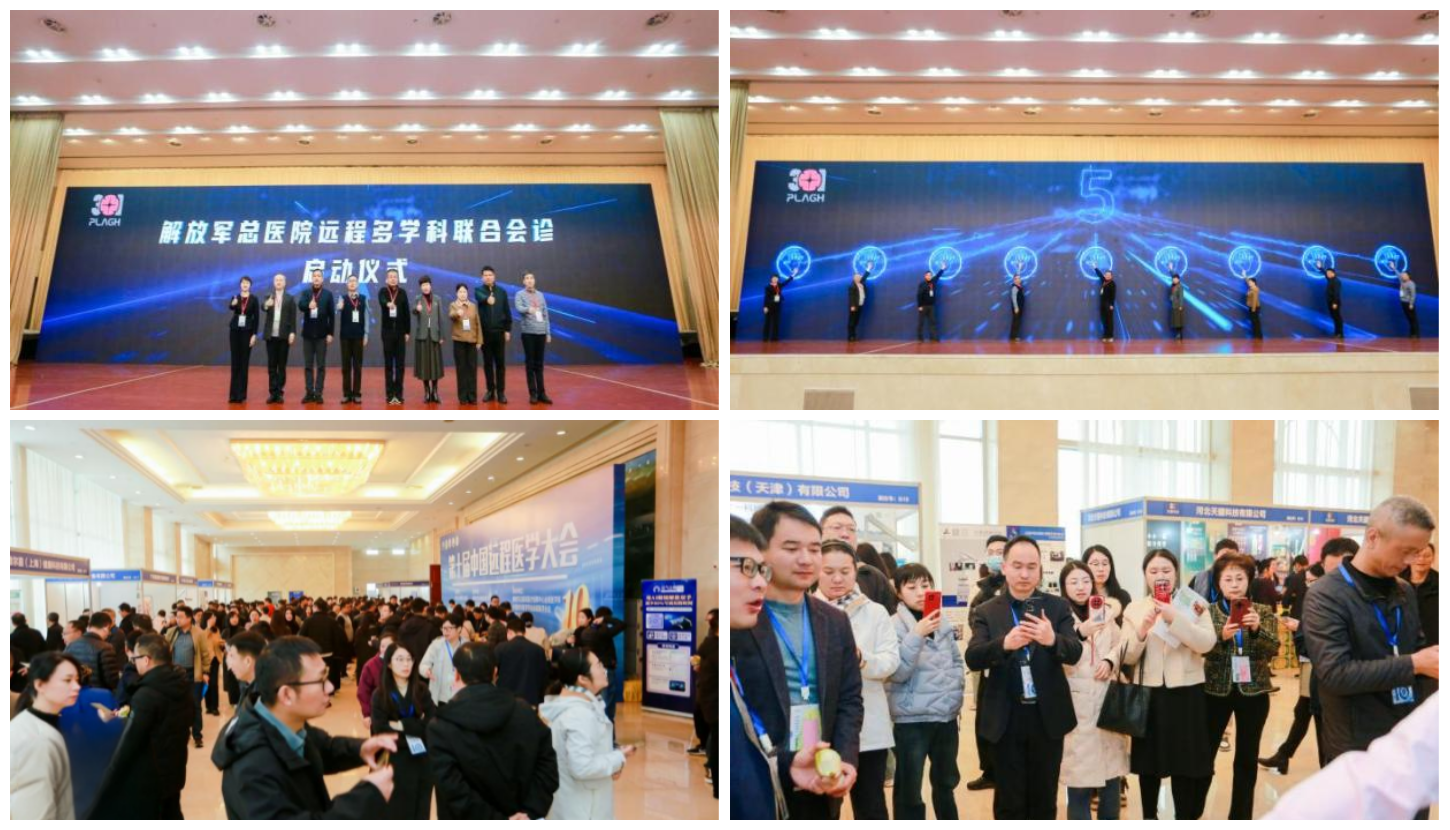
The successful holding of this conference has established a high-level platform for exchanges and cooperation in empowering the elderly health cause with telemedicine. The participants comprehensively explored the policy orientation, technological innovation and application paths of telemedicine in the field of elderly health services through various forms such as keynote speeches, technical demonstrations and case sharing. In the future, under the guidance of the China Geriatrics Society, the Telemedicine Branch will join hands with medical colleagues across the country to deepen the integration and innovation of digital and intelligent technologies with elderly health services. It will drive the innovation of service models through technological breakthroughs, contribute to the implementation of the Healthy China strategy, and safeguard the health and well-being of hundreds of millions of elderly people.
Prev
【 Meeting Notice 】 Lung Healing in Unison - Exchange Meeting on Full-Process Management, Diagnosis and Treatment of Lung Cancer
Next
Exploring New Paradigms of AI Empowering Brain Science Research - The 2025 NeuroImaging and Artificial Intelligence Academic Conference of the Radiology Branch of the Chinese Geriatrics Society was Held in Beijing