
Summary of the 2025 Tiantan Emergency Physician Conference of the Emergency Medicine Branch of the Chinese Geriatrics Society
From November 14th to 16th, 2025, the "2025 Tiantan Emergency Physician Conference of the Emergency Medicine Branch of the Chinese Geriatrics Society" was successfully held, hosted by the Emergency Medicine Branch of the Chinese Geriatrics Society. The meeting was held in a combination of offline and online formats, with the main venue set up at Beijing Tiantan Hospital. It attracted many institutions such as Peking Union Medical College Hospital, Peking University First Hospital, Peking University People's Hospital, Peking University Third Affiliated Hospital, Changgung Hospital Affiliated to Tsinghua University, Beijing Hospital, Beijing Chaoyang Hospital, Beijing Anzhen Hospital, Beijing Tongren Hospital, Beijing Xuanwu Hospital, Beijing Friendship Hospital, Beijing Hospital of Traditional Chinese Medicine, Beijing Jishuitan Hospital, Luhe Hospital, and Chuiyangliu Hospital Experts and medical staff in the emergency field from top-tier hospitals and primary medical institutions participated, engaging in in-depth exchanges on core topics such as clinical practice, quality control, and talent cultivation in emergency medicine, injecting new impetus into the development of emergency medicine.
Pre-meeting practical training: Focusing on key clinical technologies, strengthening practical operation skills
The two specialized workshops of the conference directly address the practical pain points in emergency clinical operations. Among them, the "Emergency Enteral Nutrition Workshop" focuses on key issues such as the timing selection, plan formulation, and complication prevention and control of nutritional support for emergency patients, enhancing the awareness of medical staff regarding the standardized application of enteral nutrition. The "Emergency Bedside Bronchoscopy Workshop" focuses on the core technologies of airway management. It combines the emergency scenario of airway opening in critically ill emergency patients to demonstrate the operation process and risk response of bedside bronchoscopy. It provides immersive training combining theory and practical operation for participants, effectively enhancing the emergency response capabilities of emergency medical staff.
Academic main venue: Closely follow industry hotspots and deepen multi-disciplinary collaboration
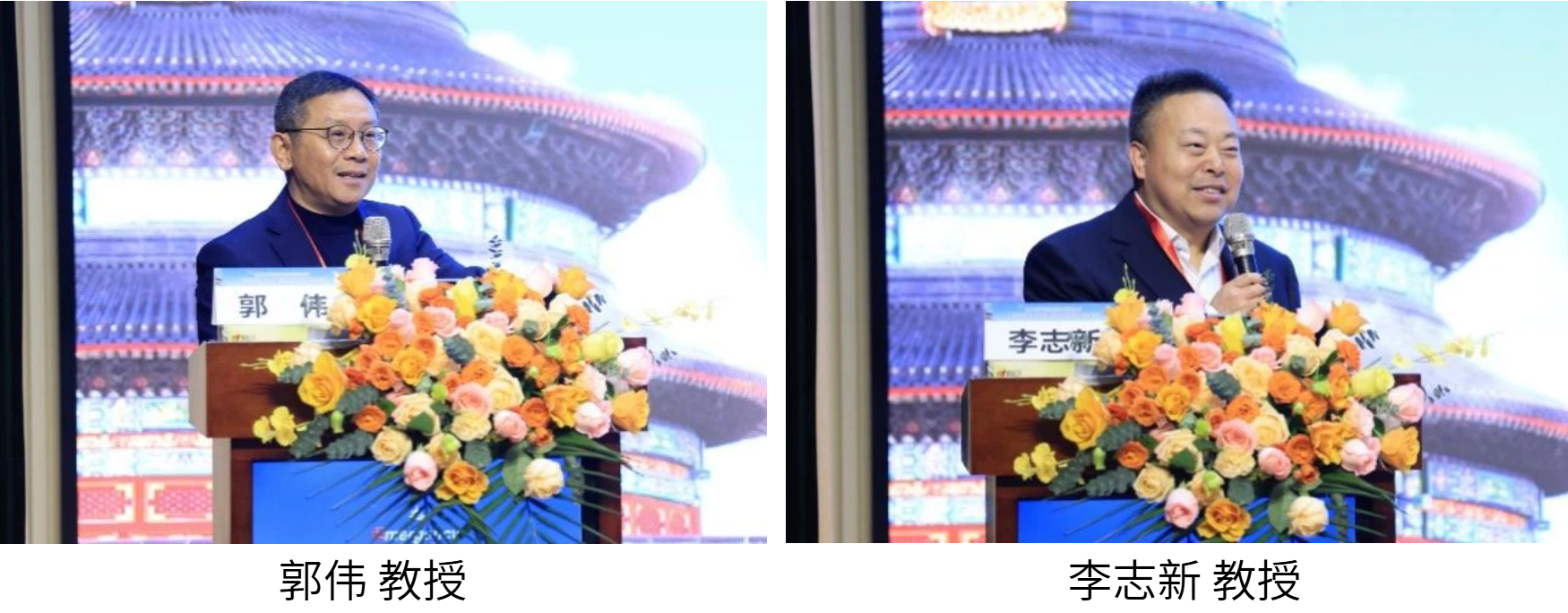
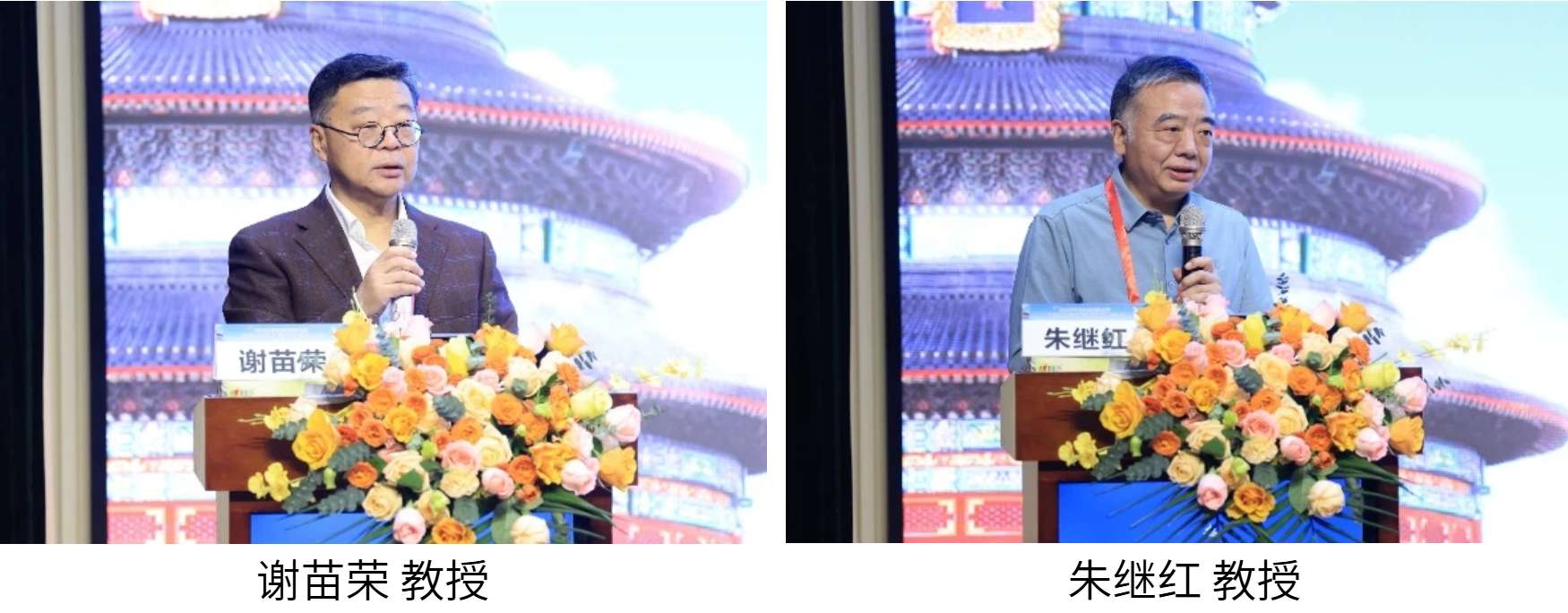
At 8:30 on November 15th, Professor Xu Bin from the Emergency Department of Tiantan Hospital declared the opening of the conference. At the opening ceremony, Professor Guo Wei, the president of the Emergency Medicine Branch of the Chinese Geriatrics Society and from Beijing Hospital of Traditional Chinese Medicine, Capital Medical University, delivered a speech, affirming the significant importance of this conference in improving the quality of emergency services. Li Zhixin, Director of the Quality Control Center of Fengtai District Health Commission, Xie Miaorong, President of Beijing Friendship Hospital, and Zhu Jihong, Director of Peking University People's Hospital, delivered opening remarks at the conference.
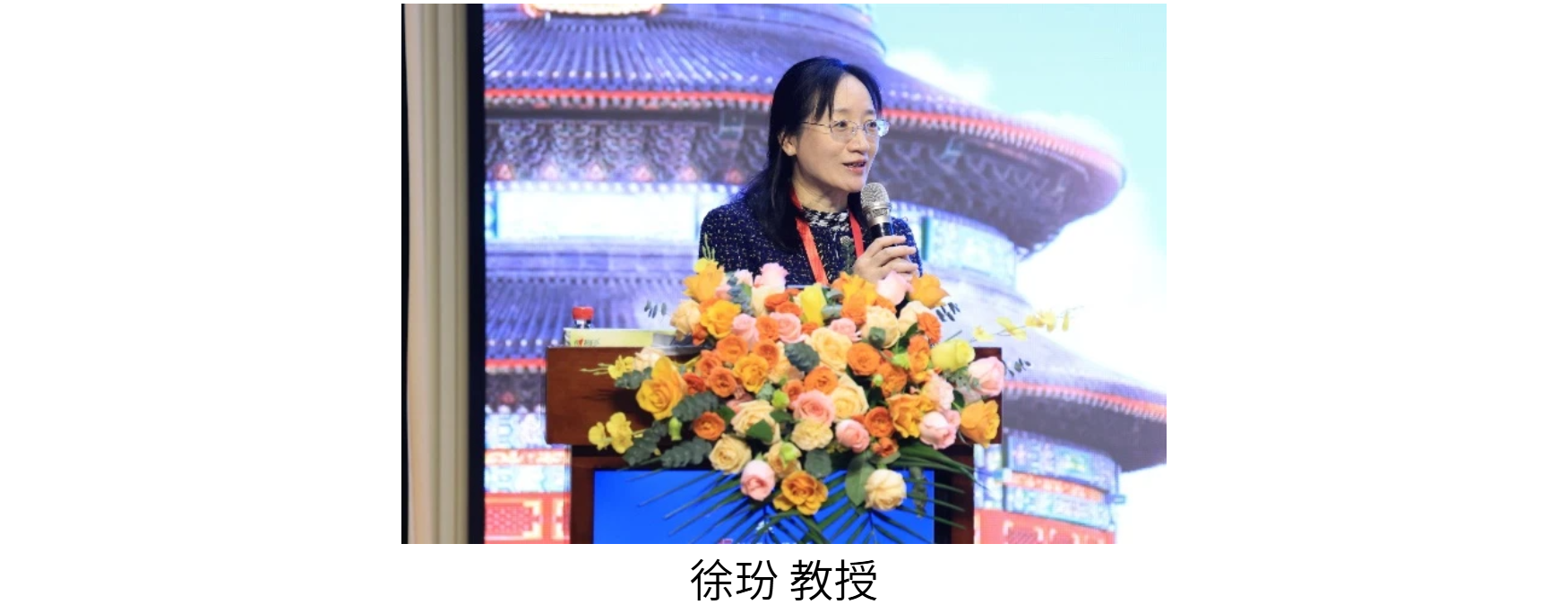
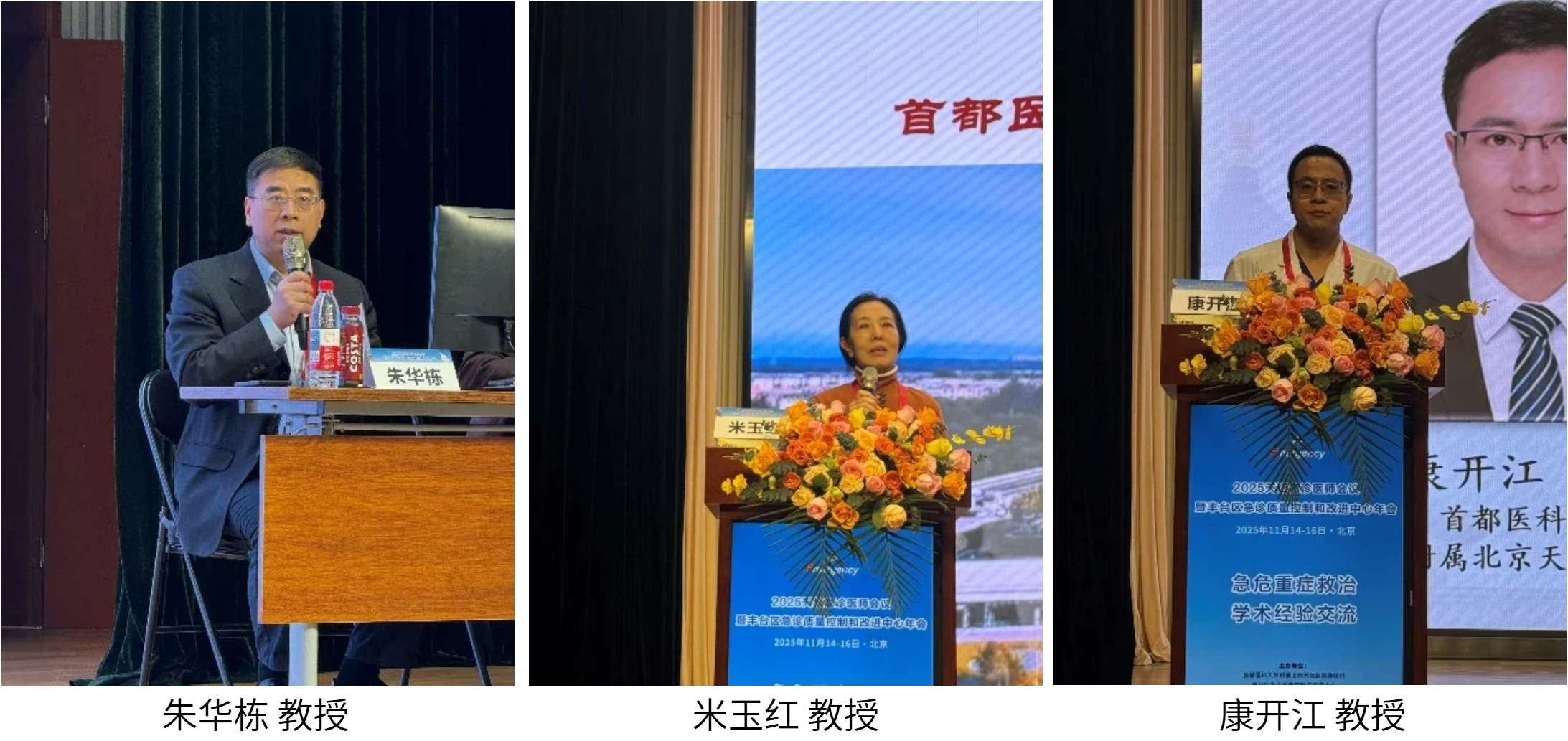
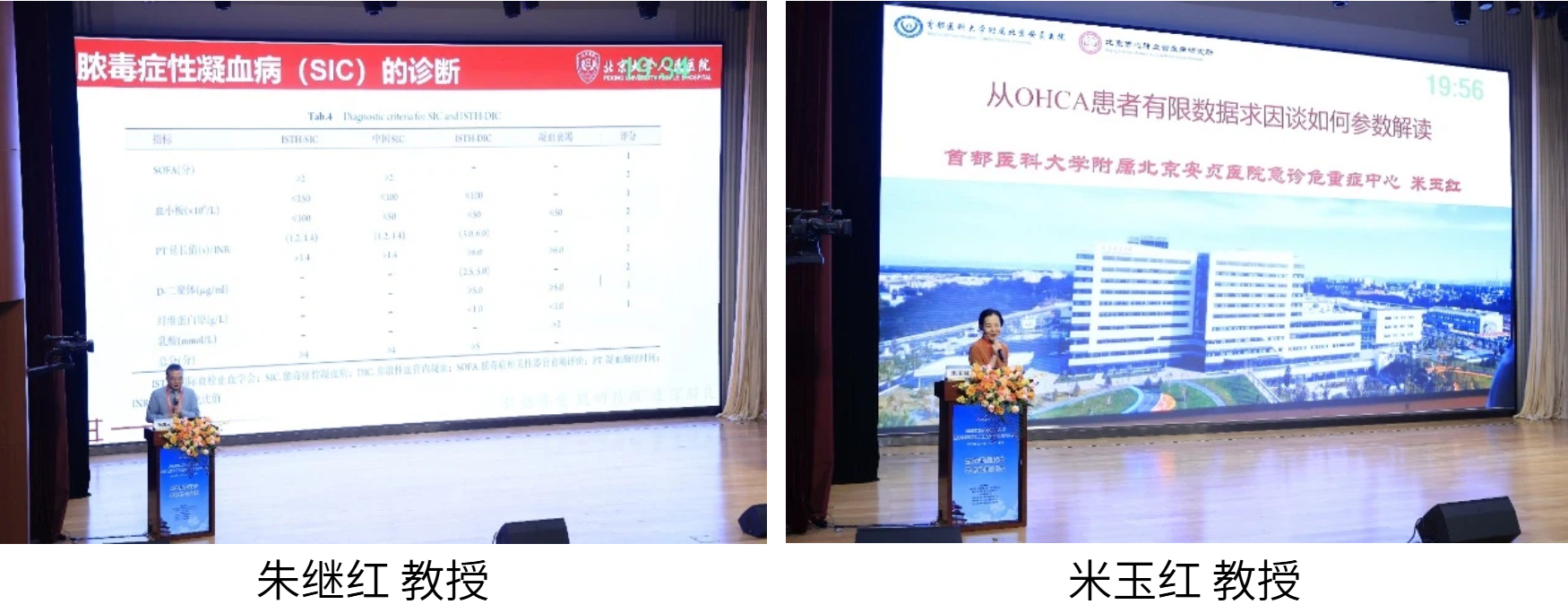
The conference moved on to the core academic session, with the full-day agenda covering three major modules: the development of emergency medicine, new progress in clinical diagnosis and treatment, and skills practice. Vice President Shan Zhigang, General Secretary Professor Xu Bin, Standing Committee Members Professor Mi Yuhong, Professor Liu Zhi, Professor Gu Wei, and Head Nurse Du Yue of the Emergency Medicine Branch of the Chinese Geriatrics Society delivered academic lectures at the conference, with the theme of "The Development of Emergency Medicine and Basic Diagnosis and Treatment". The academic content was rich and diverse. Such as "Interpretation of the Expert Consensus on Emergency Treatment of Sepsis-Related Brain Diseases in the Elderly", "Anticoagulation and Strategies of SIC", "Interpretation of Parameters Based on the Inference of the Cause of Death from Limited Data of an OHCA Patient", "Individualized Implementation Strategies of Target Body Temperature Management", etc., provide directions for the update of core emergency diagnosis and treatment technologies. Professor Zhu Huadong, President Guo Wei, Vice President Shan Zhigang, Professor Zhang Jing, Professor 马剡芳 and others from xiehe hospital gave wonderful comments on the academic content.
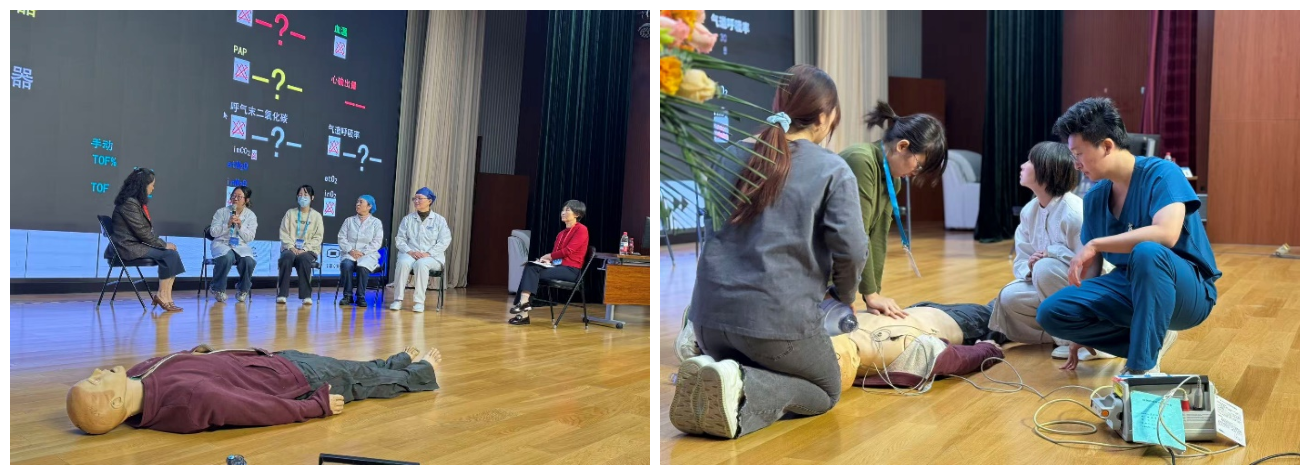
During the conference, an ACLS training for community medical institutions in Fengtai District was held simultaneously. It included a "CPR session" to understand the training effect of the community. Through high-fidelity scenario simulation, the implementation form of skills was carried out, effectively reflecting the core emergency rescue capabilities of community medical staff. Finally, a knowledge quiz and evaluation activity on the quality control of emergency medical care and nursing in Fengtai District was also carried out. With knowledge as the carrier, the aim of "promoting learning through evaluation" was effectively achieved. Through intense and intense quick responses and authoritative and in-depth comments, not only was the professional theoretical knowledge of emergency medical staff in various hospitals consolidated and enhanced, but also the emergency collaboration awareness and overall handling ability of emergency teams within the region were further strengthened. This is of great significance for promoting the continuous improvement of emergency medical quality in Fengtai District.
Online Special Session: Focusing on quality control and talent Cultivation, Empowering the development of grassroots emergency departments
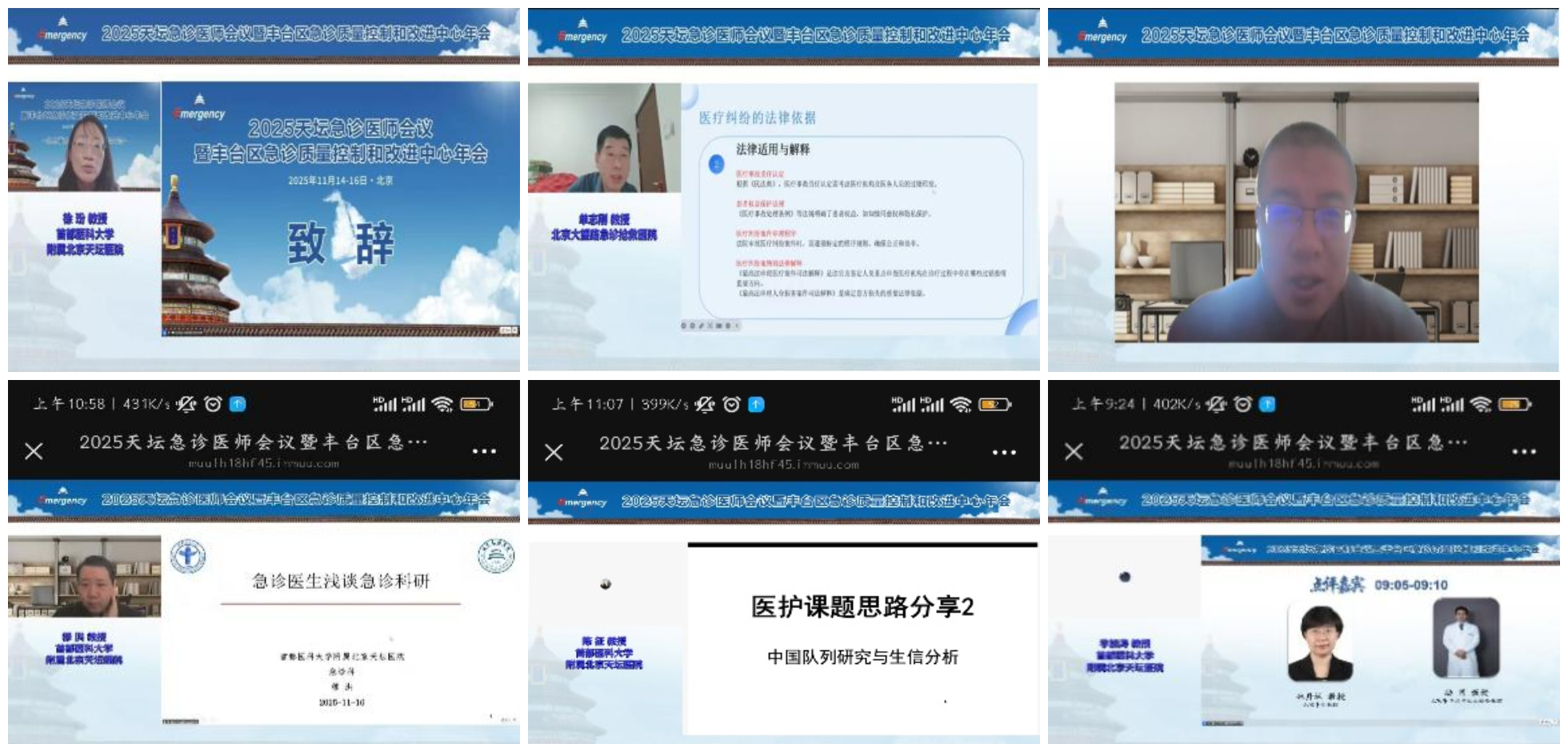
On November 16th, the conference moved to an online special session, focusing on the two core areas of "quality control" and "talent growth", to build an exchange platform for grassroots medical institutions. The "Case Sharing by Young Physicians" section was hosted by Li Jianguo, a member of the Emergency Medicine Branch, with comments and guidance from Yao Danlin and Ye Dan. Young physicians presented on difficult emergency cases, aiming to enhance the clinical thinking and expression skills of young talents. "Sharing of Medical and Nursing Research Project Ideas", discussing issues such as the design of emergency research projects and the transformation of clinical data, builds a bridge between clinical practice and research for medical staff. In the "Quality Control Special Exchange" section, Dr. Du Wanliang, a chief physician from Tiantan Hospital, held an "Experience Exchange Meeting on Immediate Response to Complaints", sharing practical experiences in emergency doctor-patient communication and response to demands. Vice President Shan Zhigang, on the other hand, presented on the theme of "The Importance of Medical Quality Management Starting from Dispute Cases", analyzing the key links and improvement paths of emergency quality control through real cases. General Director Xu Bin delivered a summary speech at the meeting, sorting out the core achievements of the meeting and emphasizing that emergency medicine should take "clinical practice as the foundation, quality control as the guideline, and talent as the core", and continuously promote the homogenization development of emergency quality in Fengtai District and even in Beijing.
This conference closely aligns with the development needs of emergency medicine. It not only focuses on standardized training in practical techniques such as "enteral nutrition" and "bedside bronchoscopy", but also conducts academic discussions on cutting-edge topics like "fluid resuscitation" and "SIC anticoagulation". Moreover, it empowers talent growth and industry quality control upgrades through "young case sharing" and "quality control exchanges". The participating units cover all levels from top-tier hospitals to primary medical institutions. The expert teams consist of medical staff from various levels and multiple disciplines, forming an exchange pattern of "top-down linkage and multi-disciplinary collaboration". The conference not only provided a platform for emergency medical staff to update their knowledge and enhance their skills, but also promoted the implementation and popularization of regional emergency quality control standards, laying a solid foundation for subsequent clinical practice, scientific research innovation and talent cultivation in emergency medicine. It has significant practical significance for improving regional emergency service capabilities and ensuring patients' life safety.