
The "AI Empowering Disease Prediction and Health Management Academic Salon" organized by the Public Health Service Branch of the Chinese Society of Geriatrics was successfully held in Beijing
On December 25, 2025, the "Academic Salon on AI Empowering Disease Prediction and Health Management" was successfully held in Beijing, guided by the Chinese Society of Geriatrics and the Institute of Public Policy of Renmin University of China, and hosted by the Public Health Service Branch of the Chinese Society of Geriatrics. This salon, held against the backdrop of the convergence of the "Healthy China 2030" strategy and the wave of artificial intelligence technology, brought together dozens of experts and scholars from fields such as public policy research, hospital management, clinical medical care, and health management. Through a combination of online and offline formats, they jointly explored the cutting-edge trends and practical paths of the deep integration of artificial intelligence technology and public health services. Provide an interdisciplinary communication platform for exploring the path of technology reshaping health management.
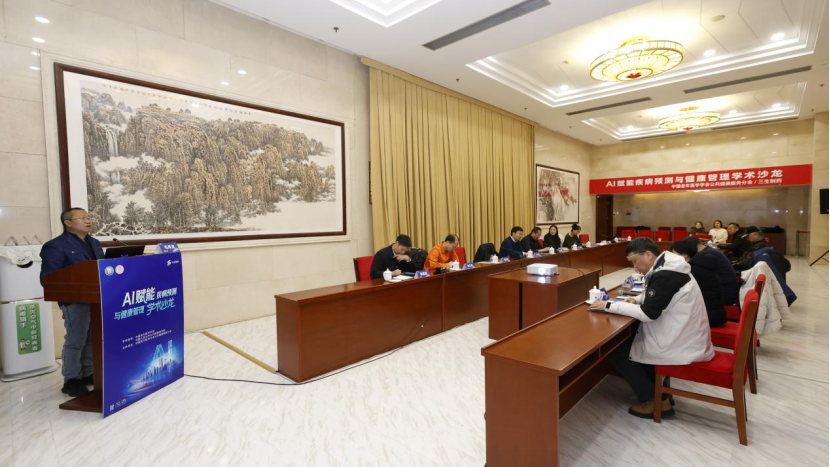
At the beginning of the conference, Li Hucheng, the deputy director of the Public Health Service Branch, presided over the opening ceremony. Professor MAO Shoulong, the president of the branch and the executive director of the Institute of Public Policy at Renmin University of China, delivered the opening speech. The keynote report of this salon is set up with two core sections, focusing on topics such as the order construction, development trends, practical applications and ecological reconstruction of AI in health management, and conducting in-depth exchanges. Professor MAO Shoulong pointed out in his speech that AI technology is integrating into all walks of life at an unprecedented speed, profoundly changing people's behavioral order and social rules. In the field of medical and health care, AI is not only a tool to enhance the efficiency of diagnosis and treatment, but also a key force in reconfiguring the health management paradigm and achieving early prediction and intervention of diseases. He emphasized that the development of technology should ultimately serve people, and AI should "nourish human nature rather than dominate it", contributing to the construction of a more balanced and warmer health service system.
The first section: Order Construction and Development Trends
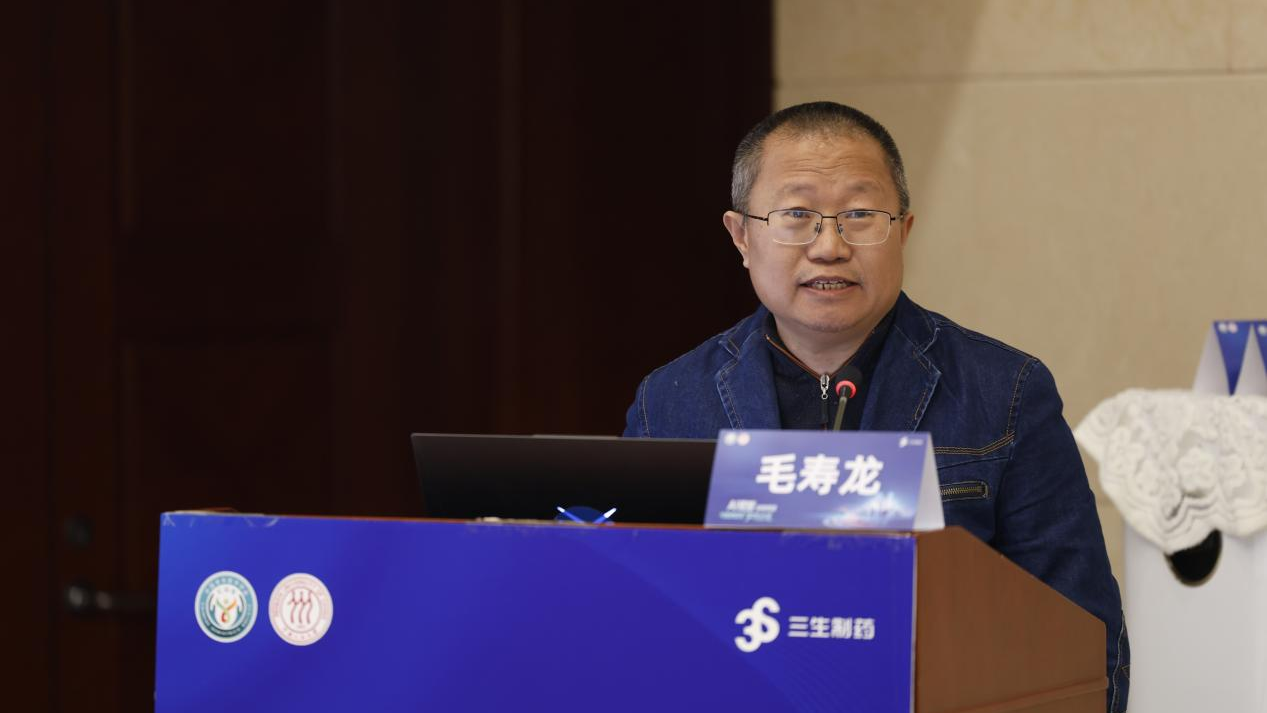
Professor MAO Shoulong delivered a speech titled "AI Empowering the Order Function of Disease Prediction and Health Management", elaborating on the functional relationship of health management order in the AI era from three dimensions: system, governance, and technological empowerment. He proposed that the core value of AI lies in reducing service costs, stimulating individual health awareness, promoting doctor-patient collaboration, and ultimately achieving a balance between individual vitality and overall order.
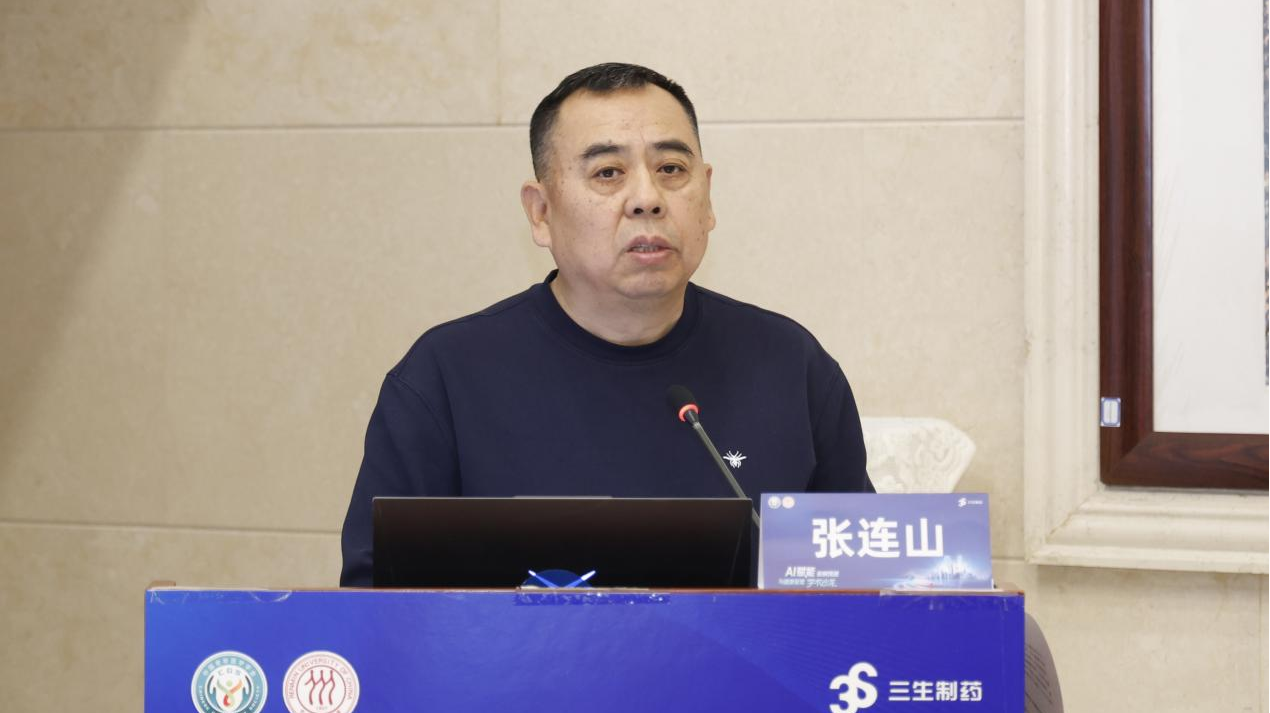
Zhang Lianshan, the general director of the branch, then delivered a special report titled "AI Intelligence and the Development Trends of Public Health Services in China". He systematically sorted out the policy roadmap at the national level for promoting the integrated development of "AI+ healthcare", and combined rich cases such as disease early warning, imaging diagnosis, chronic disease management, and patient services, pointed out that AI is moving from concept to practice, becoming the core driving force for reshaping the medical service model and promoting the transformation of the system towards "data-driven and human-machine collaboration".
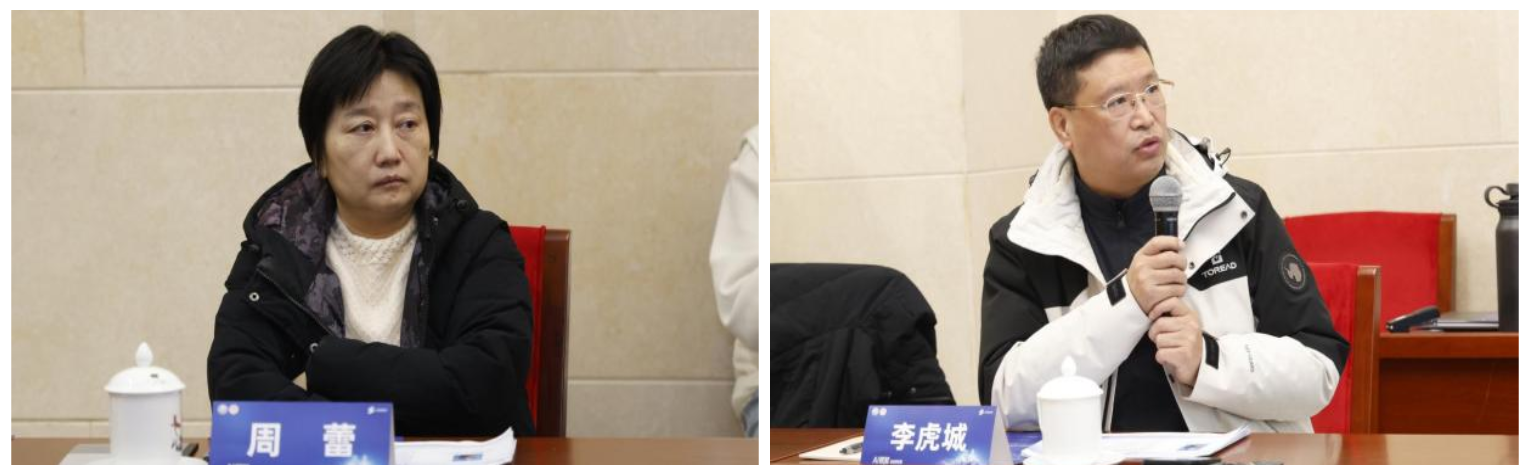
Vice President Zhou Lei and Deputy Director-General Li Hucheng of the branch jointly presided over the event
During the discussion session, several clinical experts from Beijing Anzhen Hospital, including Liu Wenjun, Zhou Wuyuan, Chu Deguo, Wang Hongmei, and Song Wenjuan, members of the Standing Committee of the branch, shared their specific applications and thoughts on AI in scenarios such as image diagnosis, oral implantology, tumor treatment, anesthesia assessment, and health management, based on their professional expertise. Experts generally believe that AI is a "super assistant" for doctors, which can greatly enhance work efficiency and accuracy. However, its development still needs to face challenges such as data quality, algorithm reliability, ethical privacy, and ultimately the attribution of medical responsibility.
Part Two: Practical Application and Ecological Reconstruction
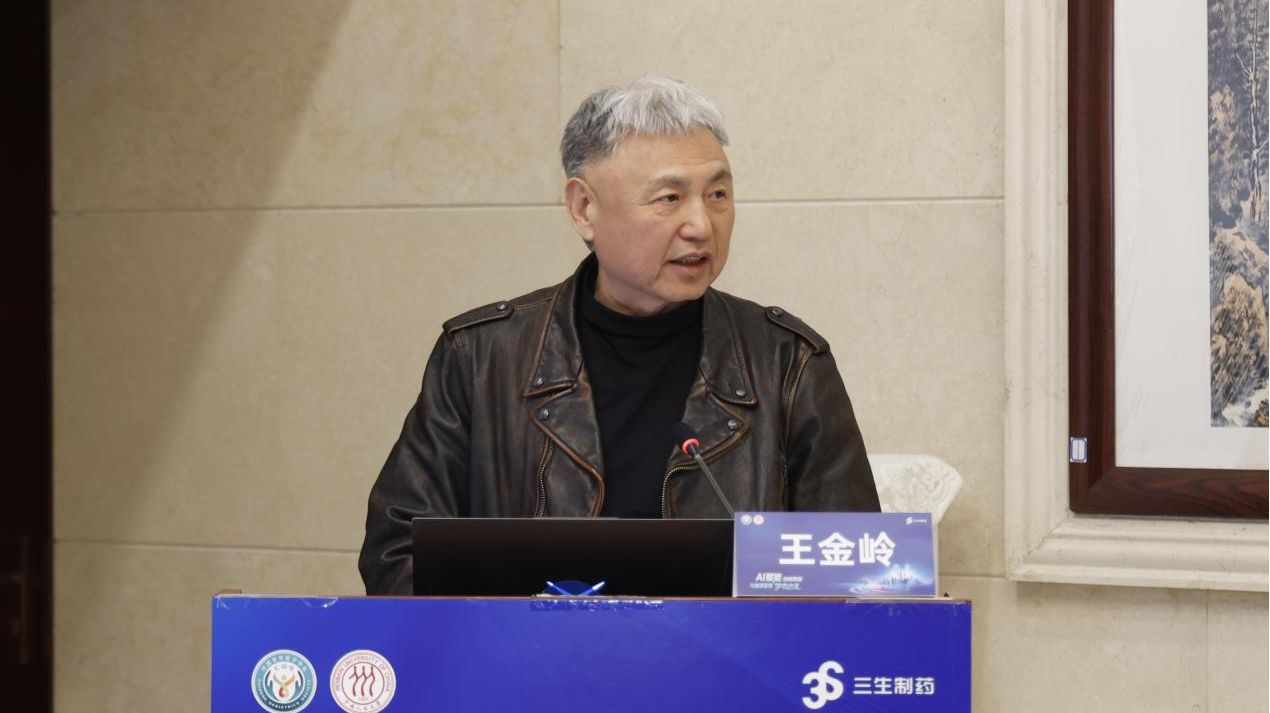
Vice President Wang Jinling delivered a keynote speech titled "AI Empowering Disease Prediction and Health Management: Reconstructing the New Ecosystem of Health Protection" from a philosophical perspective. He proposed that AI, through proactive early warning and full-cycle management, moves the health protection checkpoint forward, turning "cherishing life" from a slogan into a perceptible daily action, and ultimately contributing to the construction of a new health ecosystem that benefits all and safeguards the value of life.
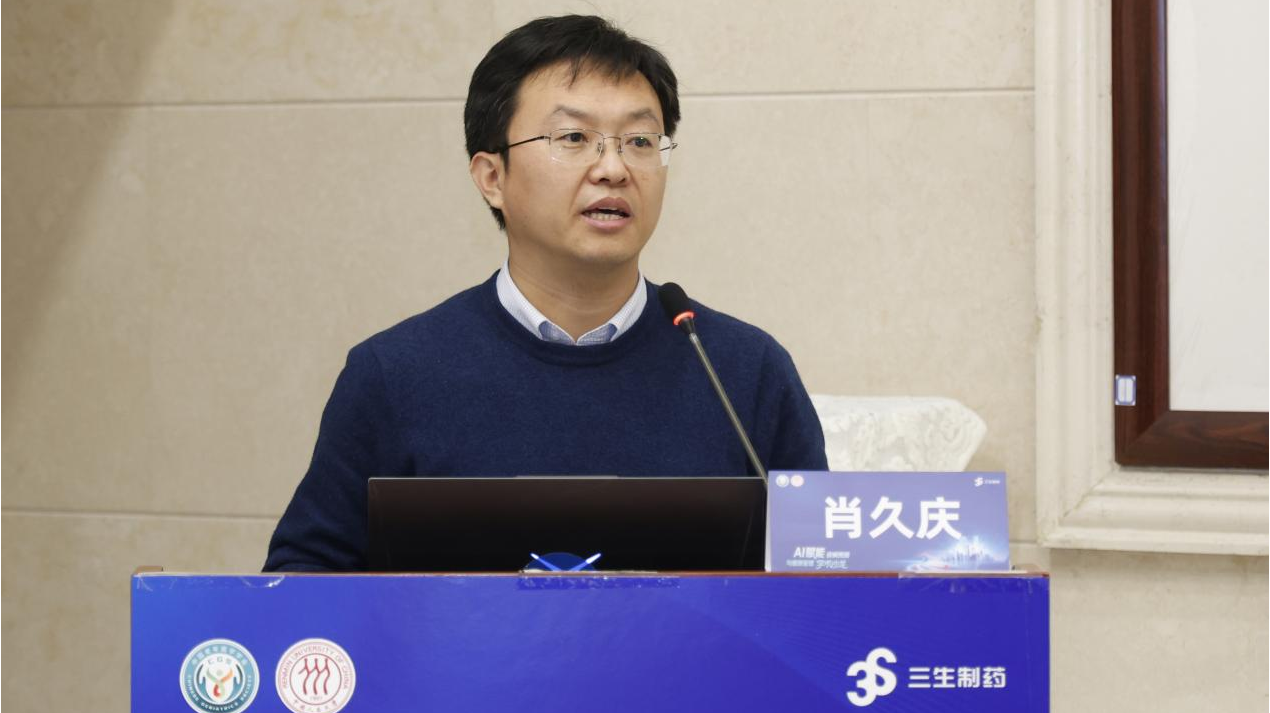
Professor Xiao Jiuqing, a member of the Standing Committee of the branch and from Beijing Chaoyang Hospital, Capital Medical University, focused on specific scenarios and shared "Service Expansion of Large General Hospitals Based on AI Early Warning of Health Checkup Population Indicators". He analyzed the current situation where physical examination data is disconnected from clinical services, and explored a closed-loop management model that uses AI to achieve health risk early warning and thereby drive hospital services to extend to pre-hospital, post-hospital and family scenarios, providing new ideas for the expansion of services in large hospitals.
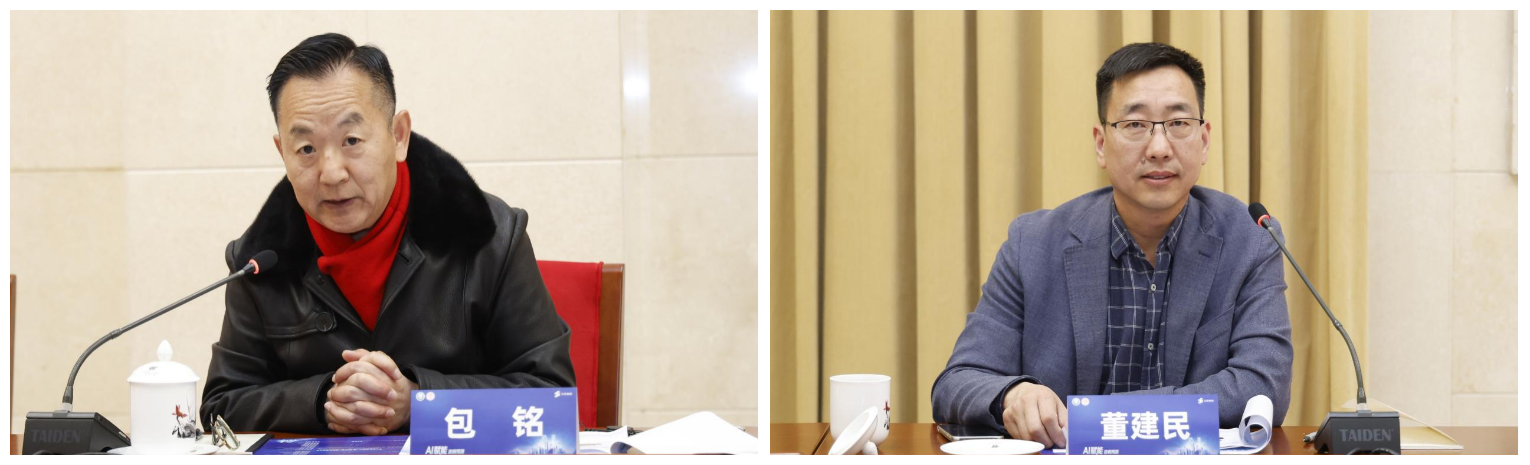
The event was jointly presided over by Deputy Director-General Bao Ming and Deputy Director-General Dong Jianmin of the branch
The subsequent discussion session was filled with a lively atmosphere. Experts such as Qu Yawei from Beijing Jingxi Cancer Hospital, Wu Tiantian from Peking University International Hospital, Vice President Zhao Lizhen of the branch, and Standing committee members Zhou Qingming and Li Hucheng freely expressed their views from the perspectives of hospital management, rehabilitation medicine, cancer prevention and treatment, and the transformation of the health management industry. Everyone unanimously agrees on the role of AI as an enabler, believing that it can significantly optimize processes, enhance the efficiency of resource allocation, and support scientific research and personalized services. However, at this stage and in the foreseeable future, the core decision-making, emotional communication, and humanistic care roles of doctors cannot be replaced. How to enable AI to truly assist doctors, allowing them to have more time for creative thinking and in-depth doctor-patient communication, has become a common expectation for everyone.
Meeting Summary: Technology empowers service for humanity
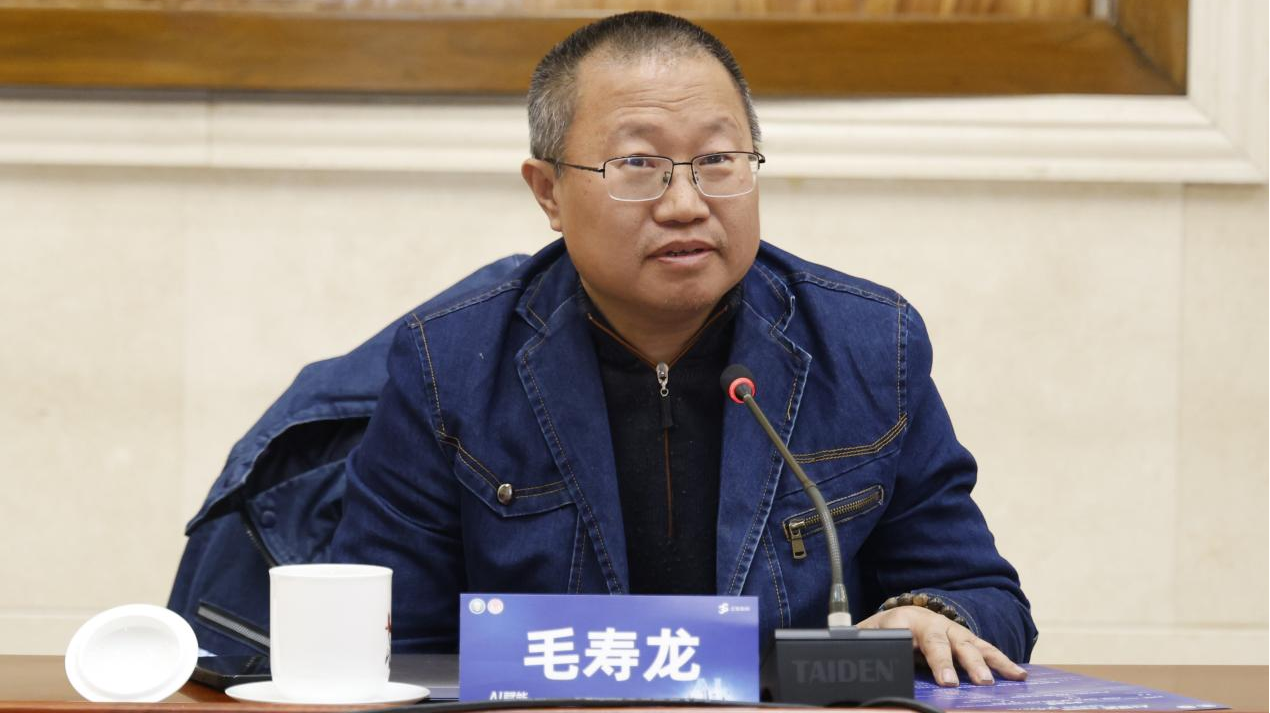
At the end of the meeting, President MAO Shoulong delivered a concluding speech. He once again thanked all the experts for their active participation in their busy work and pointed out that this salon successfully established a cross-disciplinary communication platform, broadening everyone's horizons. He emphasized that the potential of AI in the medical and health field far exceeds current imagination. Its fundamental purpose is to empower medical workers through technology, allowing them to be relieved from heavy burdens and have more time to think, learn and live, thereby better serving public health and achieving the unity of technological development and humanistic care.
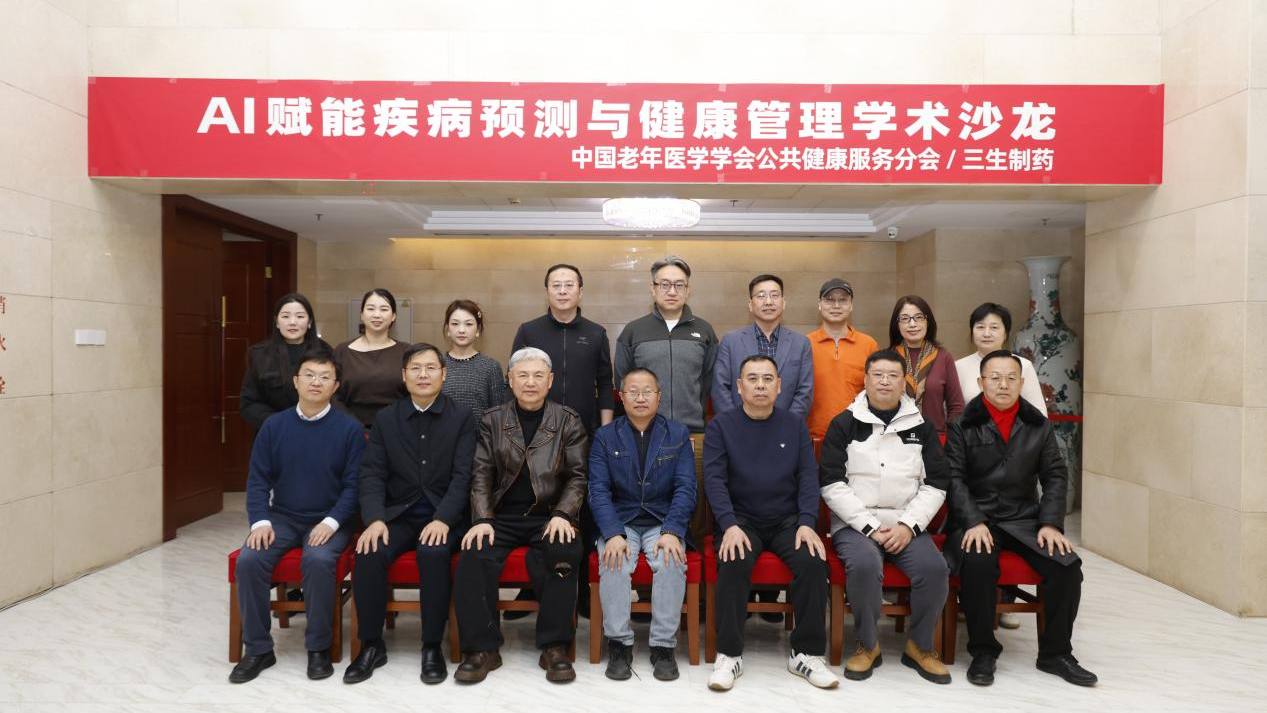
The salon concluded successfully in a warm and practical atmosphere. The experts present took a group photo as a memento, jointly documenting this significant gathering to explore the future direction of health management in the AI wave. The holding of this academic salon promptly responded to the changes of The Times, deepened the understanding of "AI+ health Management" among the academic and industrial circles, provided valuable intellectual exchanges and practical references for the improvement of relevant policies, the application of technologies, and the standardized development of the industry, and injected new impetus into promoting the high-quality development of China's public health service system.