
The 16th Advanced Training Course on Clinical Practice Skills of Geriatrics organized by the Chinese Society of Geriatrics was successfully held in Beijing
From November 2nd to 3rd, 2025, the "Advanced Training Course on Clinical Practice Skills in Geriatrics (16th Session)" was jointly organized by the International Exchange Working Committee of the Chinese Geriatrics Society, the Sports and Health Branch of the Chinese Geriatrics Society, and Aerospace Center Hospital. (Project Number: The event was successfully held in Beijing on March 10-014, 2025-(China).
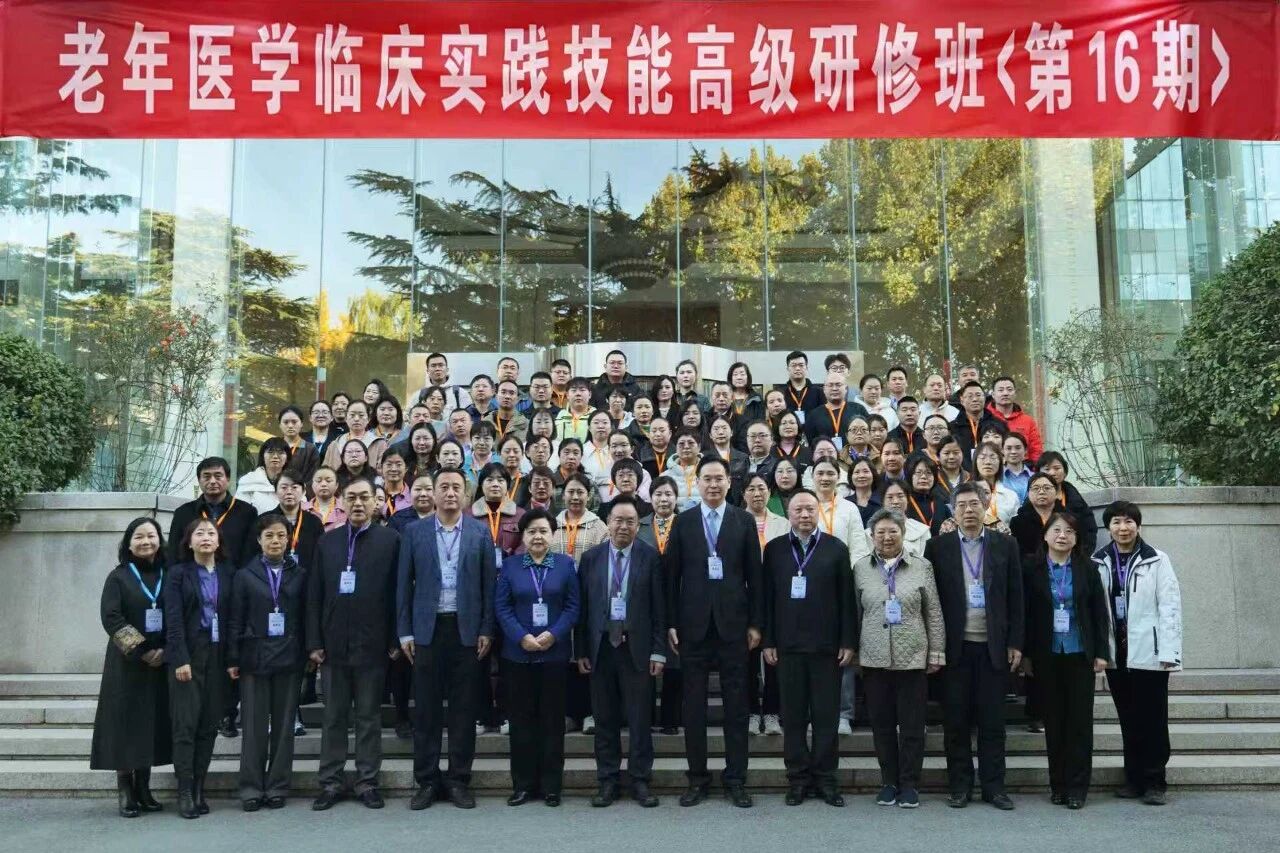
This national-level continuing medical education project focuses on the cutting-edge concepts and practical skills of geriatrics and is held in a combination of online and offline formats. The training attracted the active participation of key members from cross-disciplinary teams such as physicians, nurses, rehabilitation therapists, nutritionists, and pharmacists from medical institutions and medical and elderly care integration institutions at all levels across the country. There were over 300 on-site participants and more than 5,000 online lectures, generating a warm response.
The training kicked off to discuss the mission of geriatric medicine development
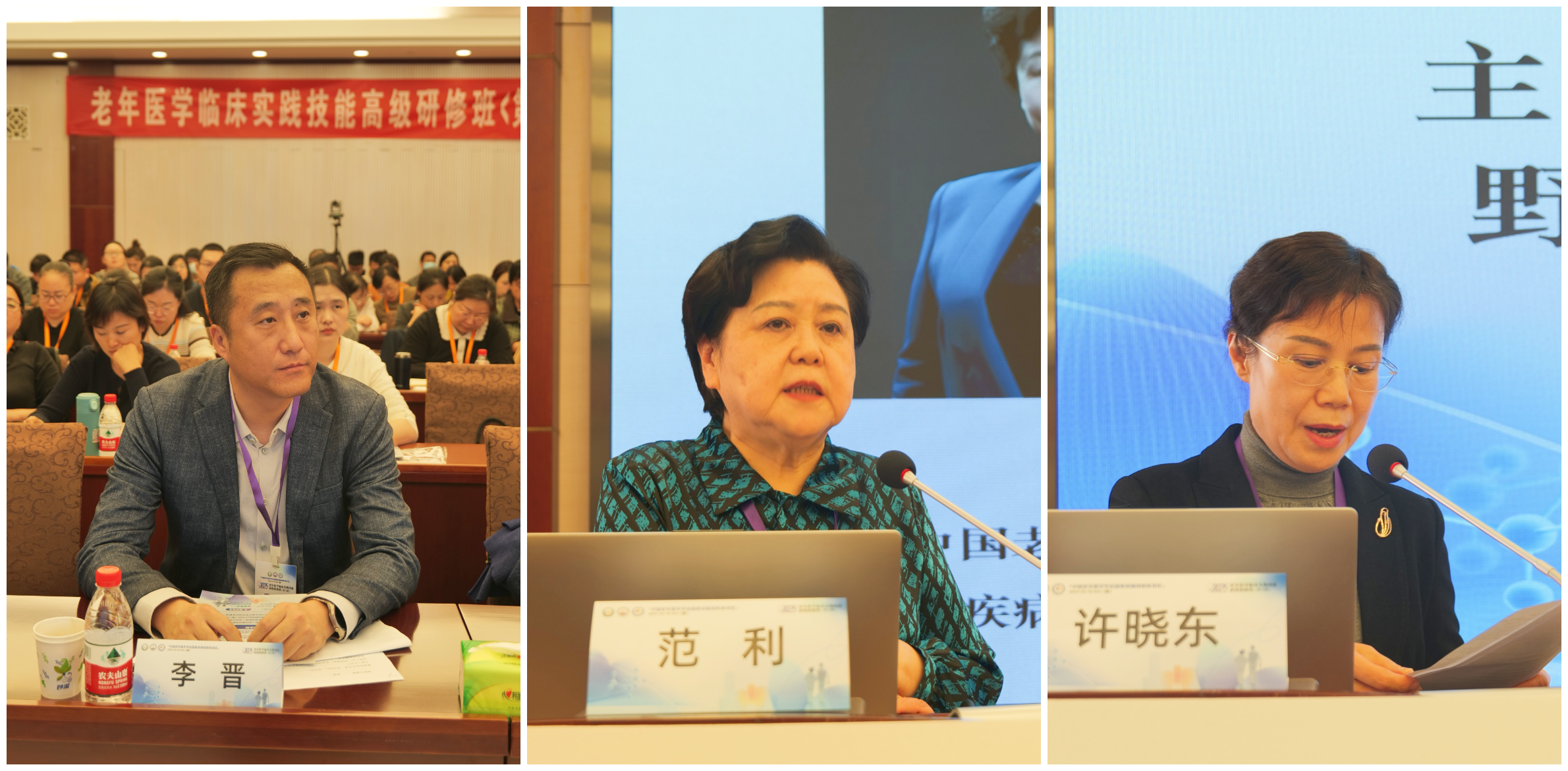
The opening ceremony was presided over by Xu Xiaodong, vice president and secretary-general of the Chinese Society of Geriatrics. Professor Fan Li, President of the Chinese Society of Geriatrics and honorary director of the National Clinical Research Center for Geriatric Diseases (General Hospital of the People's Liberation Army), and Li Jin, a third-level researcher of the Beijing Municipal Health Commission, delivered speeches respectively. Professor Fan Li pointed out that this training aims to promote the transformation of geriatric medicine from "disease-centered" to "function-centered", and contribute to achieving the strategic goal of "Healthy China 2030". Researcher Li Jin pointed out that against the backdrop of an accelerating aging population, promoting the construction of geriatric medicine disciplines and enhancing the collaborative diagnosis and treatment as well as practical capabilities of multi-disciplinary teams are of urgent and significant importance for improving the level of elderly health services.
Anchor the four core themes to consolidate the theoretical and technical foundation
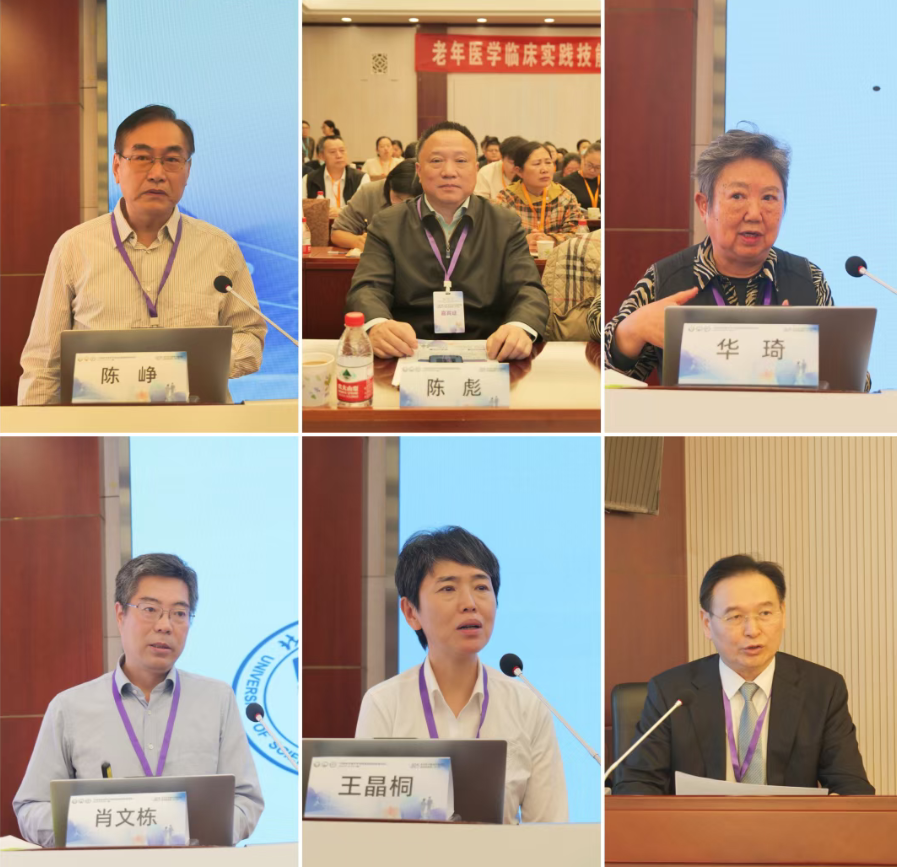
The training was centered around four major themes, covering multiple dimensions such as an international perspective, comorbidity management, sarcopenia-frailty intervention, and interdisciplinary management of cognitive impairment. Professor Fan Li systematically reviewed the development of geriatric medicine both at home and abroad, emphasizing the crucial role of multi-disciplinary integration and medical-engineering fusion in promoting elderly health services. Professor Chen Zheng, vice president of the Chinese Society of Geriatrics, based on the practical experience of Beijing Geriatric Hospital, elaborated in depth on "How to Build a Good multi-disciplinary geriatric team", providing replicable and scalable models for team building in various units from organizational structure, operation mechanism to typical cases. During the session on "Early Diagnosis and Treatment of Neurodegenerative Diseases in the Elderly", Professor Chen Biao from Xuanwu Hospital, Capital Medical University, shared early identification and intervention strategies for diseases such as Parkinson's disease and Alzheimer's disease, emphasizing the significance of multimodal assessment and full-process management. Professor Hua Qi from Xuanwu Hospital, Capital Medical University, centered on "New Trends in the Management of Elderly Hypertension Complicated with Cognitive Impairment", proposed a comprehensive prevention and treatment approach that emphasizes both blood pressure management and cognitive protection in light of the latest consensus and guidelines. Professor Xiao Wendong from University of Science and Technology Beijing introduced the application of intelligent perception technology in elderly health management from an interdisciplinary perspective. Professor Wang Jingtong from Peking University People's Hospital presented the relationship between the "gut-muscle axis" and sarcopenia in the elderly. Professor Fan Li, the president of the Chinese Society of Geriatrics, Professor Chen Zheng, the vice president of the society and the president of the Geriatric Medical Institution Management Branch, Professor Zeng Qiang, the deputy director of the Society's Expert Committee, and Professor Hu Yixin, the director of the Society's International Exchange Work Committee and from the General Hospital of the People's Liberation Army, served as the hosts.
Focusing on sarcopenia - Practical intervention for frailty empowers clinical application
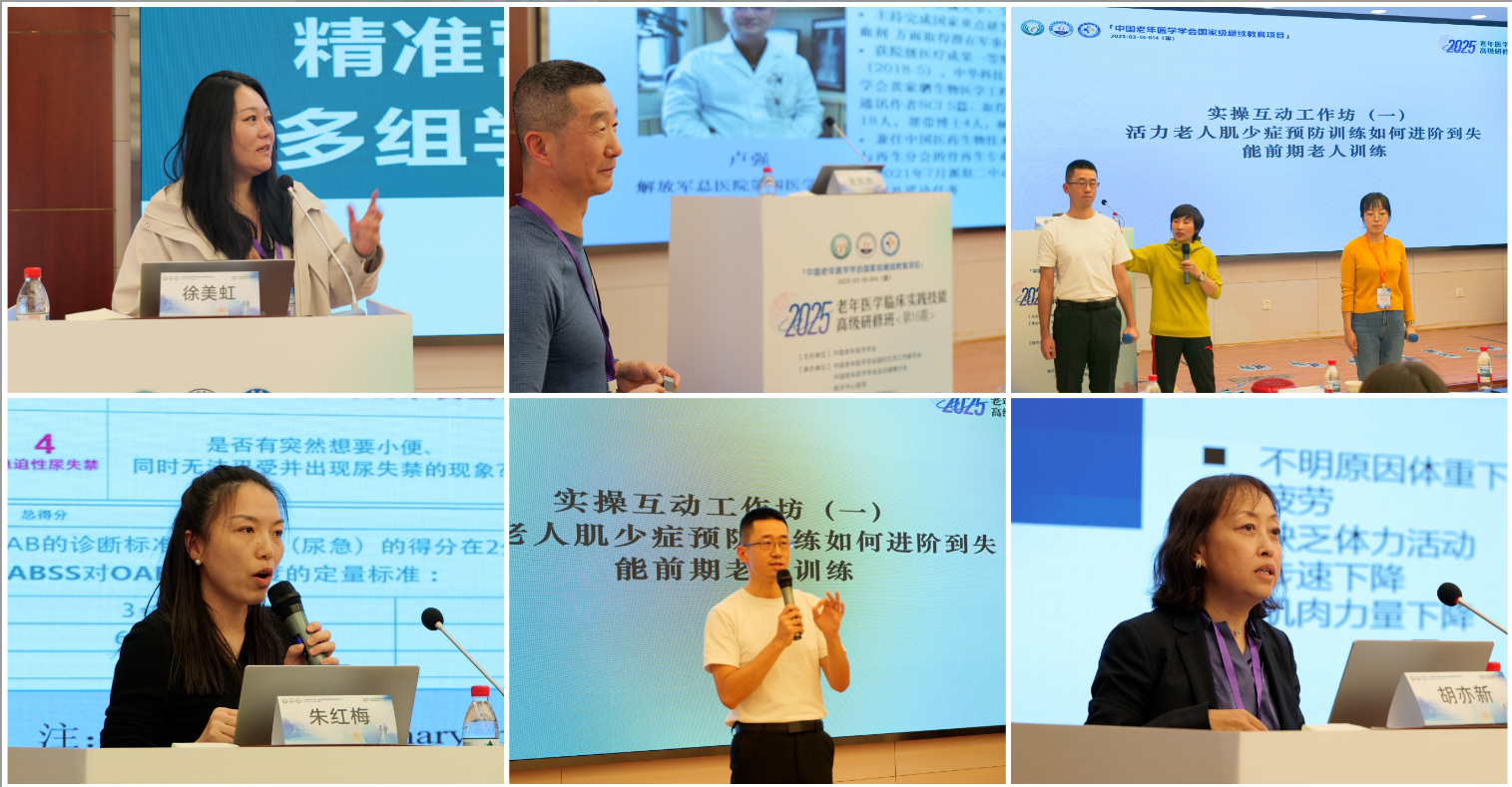
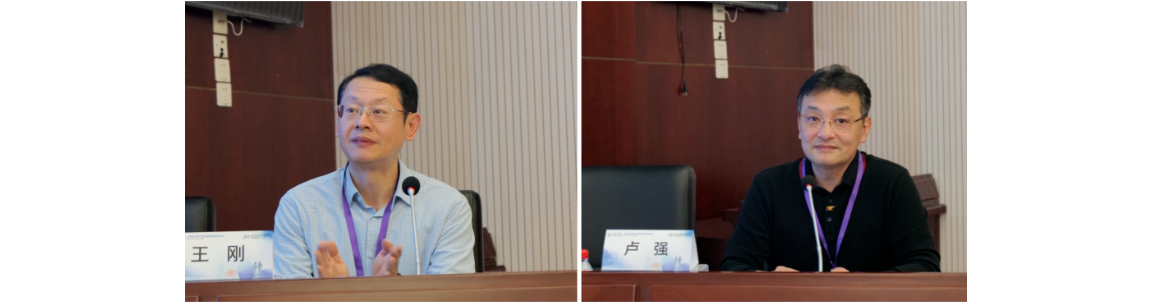
The section on "Nutrition and Exercise Intervention for Senile Sarcopenia - Frailty" became a highlight of the training. Professor Xu Meihong from Peking University expounded on the research progress and prescription evidence of "Precision Nutrition - sarcopenia" from a multi-omics perspective, providing new ideas for clinical nutritional support. Professor Weng Changshui from the General Hospital of the People's Liberation Army, under the title of "Restarting the Metabolic Engine: Clinical Implications of Prolonged Sitting, Exercise and Mitochondria", revealed the deep-seated mechanism of exercise in improving the metabolic health of the elderly. Associate Professor Li Xuemei from Beijing Sport University systematically expounded on "The Theory of Exercise Training for Improving Sarcopenia and Its Community Application", and combined practical workshops to lead the participants to experience advanced training methods at different stages from "active elderly" to "pre-disability". In the "Practical Interactive Workshop (I)" session, Professor Li Xuemei and Teacher Xie Suhang from the General Hospital of the People's Liberation Army co-hosted the event. They delved deeply into how to apply the sarcopenia prevention training for active elderly people to the rehabilitation training of elderly people in the early stage of disability. The content was both practical and forward-looking. Subsequently, Professor Zhu Hongmei from Peking University People's Hospital gave a systematic lecture on "Pelvic Floor Muscle Rehabilitation for Elderly Urinary Incontinence", providing an important reference for clinical practice. Finally, Professor Hu Yixin from the General Hospital of the People's Liberation Army shared "Assessment and Intervention of Cognitive Frailty in the Elderly Based on Digital Technology", demonstrating an innovative path of integrating technology and healthcare, and bringing new ideas and methods to elderly health management. The event was co-chaired by Professors Lu Qiang and Wang Gang from the General Hospital of the People's Liberation Army.
Deepen interdisciplinary collaboration in cognitive impairment management to enhance quality and efficiency
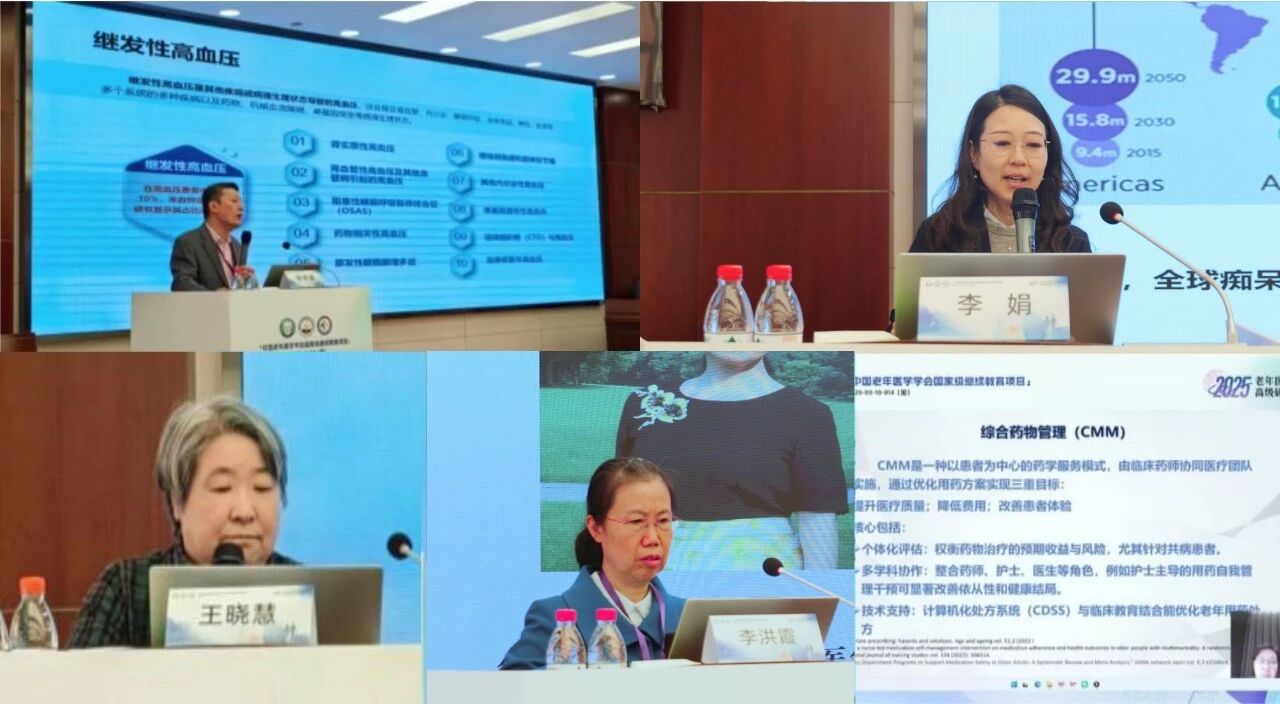
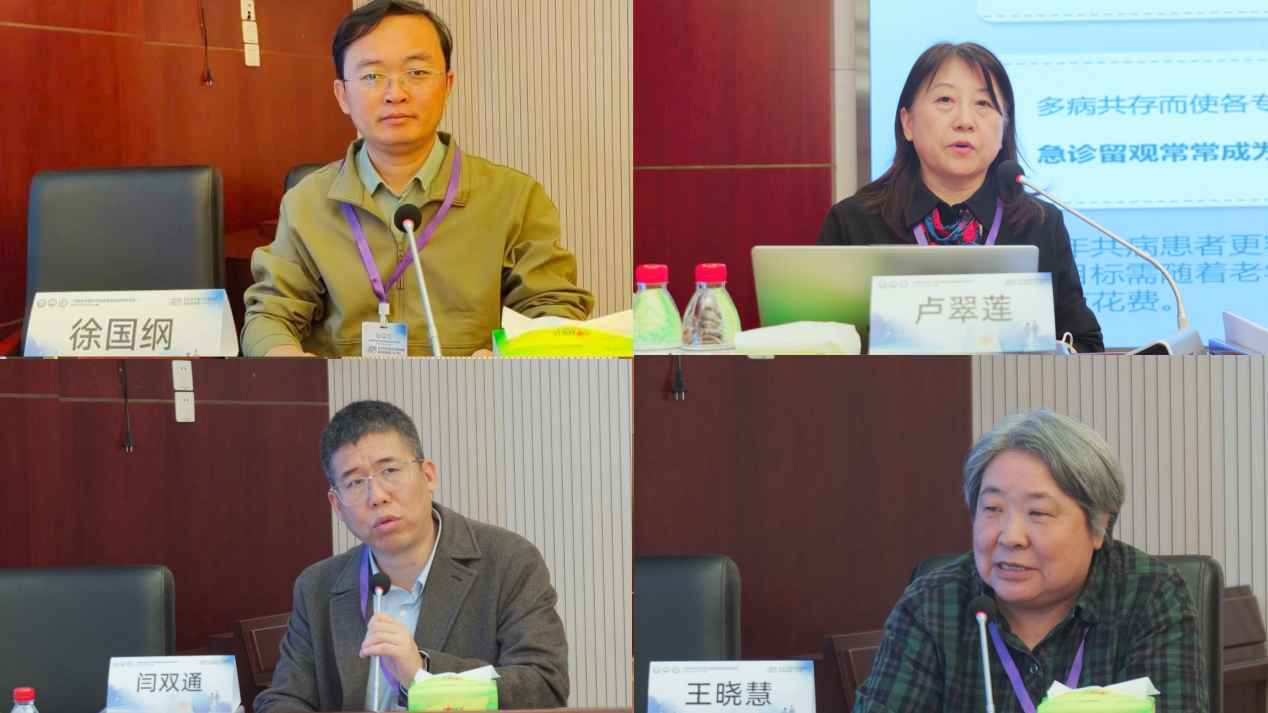
In the "Interdisciplinary Workshop on Cognitive Dysfunction in the Elderly", Professor Zhang Yuqing from Fuwai Hospital of Peking University elaborated in detail on the classification and treatment of hypertension. He pointed out that there are many types of hypertension, and it is necessary to penetrate the "fog" to find the essence of the disease. Professor Li Juan from the Institute of Psychology, Chinese Academy of Sciences, introduced "New Breakthroughs in Non-invasive Neuroregulation: Research Progress of T1 (Temporal Interference) Stimulation Technology in Alzheimer's Disease-Related Fields", demonstrating the potential of temporal interference stimulation as a cutting-edge technology in cognitive intervention. Professor Wang Xiaohui from the 960th Hospital of the People's Liberation Army focused on "Intervention for Elderly Patients with Cognitive dysfunction Complicated with insomnia" and proposed a personalized treatment plan combining medication and non-medication. Professors Li Hongxia and Chen Mengli from the General Hospital of the People's Liberation Army respectively delved into the key issues of rational drug use in the elderly from the perspectives of "Drug monitoring for anti-MRSA drug treatment in the Elderly" and "Rationality of Drug use in comorbidiasis Elderly based on drug-related Problems". The event was hosted by Professors Xu Guogang and Yan Shuangtong from the General Hospital of the People's Liberation Army, Professor Lu Cuilian from the Aerospace Center Hospital, and Professor Wang Xiaohui from the PLA Mental Illness Diagnosis and Treatment Center.
Focus on comorbidities and syndromes to build a solid defense line for elderly health
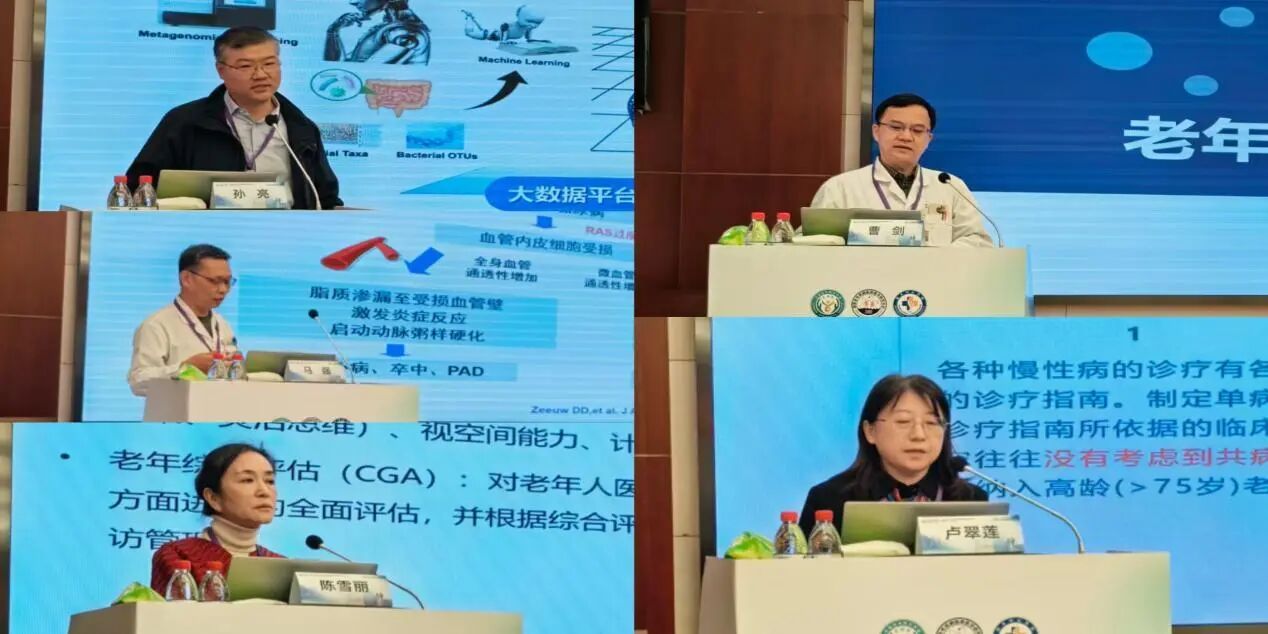
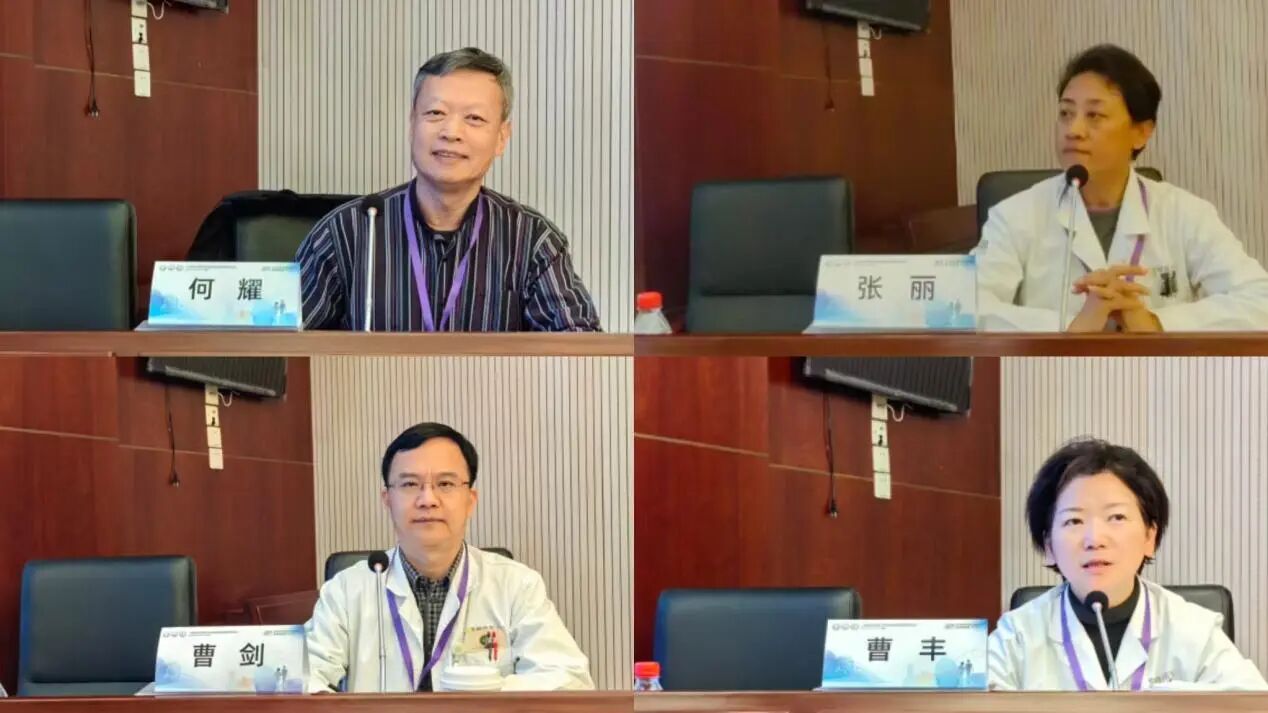
The section on "Comorbidities and Management of Geriatric Syndromes from the Perspective of Geriatrics" is equally fascinating. Professor Sun Liang from Beijing Hospital presented a presentation titled "Gait Clock and Digital Analysis: Quantitative Assessment of Intrinsic Capacity in Primary Health Care", showcasing the innovative application of digital technology in the functional assessment of the elderly. Professor Ma Qiang from the General Hospital of the People's Liberation Army proposed an individualized management approach based on comprehensive assessment around the theme of "Challenges of Comprehensive Evaluation and Personalized Treatment Strategies for Elderly Patients with Proteinuria". Professor Cao Jian from the General Hospital of the People's Liberation Army started with the current prevalence, classification and clinical characteristics of heart failure in the elderly, and elaborated in detail on the "Golden Triangle" - "New Four Links" - "Five Golden Flowers" drug treatment plan for heart failure in the elderly and the management of comorbidities of heart failure in the elderly. It is necessary to strengthen comprehensive management and follow-up. Subsequently, Professor Lu Cuilian from the Aerospace Center Hospital, in light of the topic "Comorbidity Makes Medical Decision-making Complex and Difficult", delivered a detailed presentation on the theme of "Application of Core Technologies for the Elderly in the Management and Functional Maintenance of Comorbidity in the Elderly" through two modules: "Prescription Simplification" and "Case Introduction". Finally, Professor Chen Xueli from Beijing Shijitan Hospital, guided by the principle of "cognitive rehabilitation based on comprehensive geriatric assessment", pointed out that caregiver support and education will become the cornerstone for the long-term successful implementation of the rehabilitation plan. The event was presided over by Professors He Yao, Zhang Li, Cao Jian and Cao Feng from the General Hospital of the People's Liberation Army.
On-site observation and learning of experience deeply integrate theory with practice
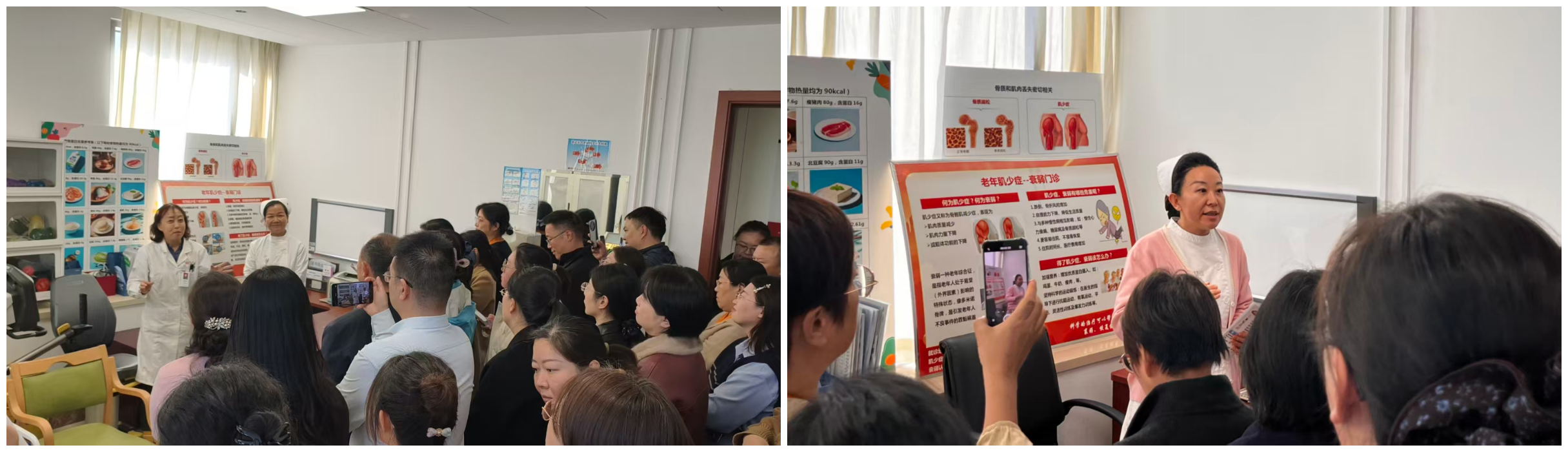
During the training period, the trainees not only studied theoretical knowledge earnestly but also visited the Sarcopenia-frailty Clinic of the General Hospital of the People's Liberation Army on the spot. Professor Hu Yixin and Head Nurse Ma Hongying from the General Hospital of the People's Liberation Army introduced the management experience of the geriatric multidisciplinary team centered on sarcopenia-frailty screening and comprehensive assessment. Through the "visible and tangible" on-site teaching, the trainees It further deepened the understanding of the concept of geriatric medical care and the knowledge system of characteristic medical services.
The closing ceremony came to a successful conclusion, summarizing the achievements and offering words of hope for the future
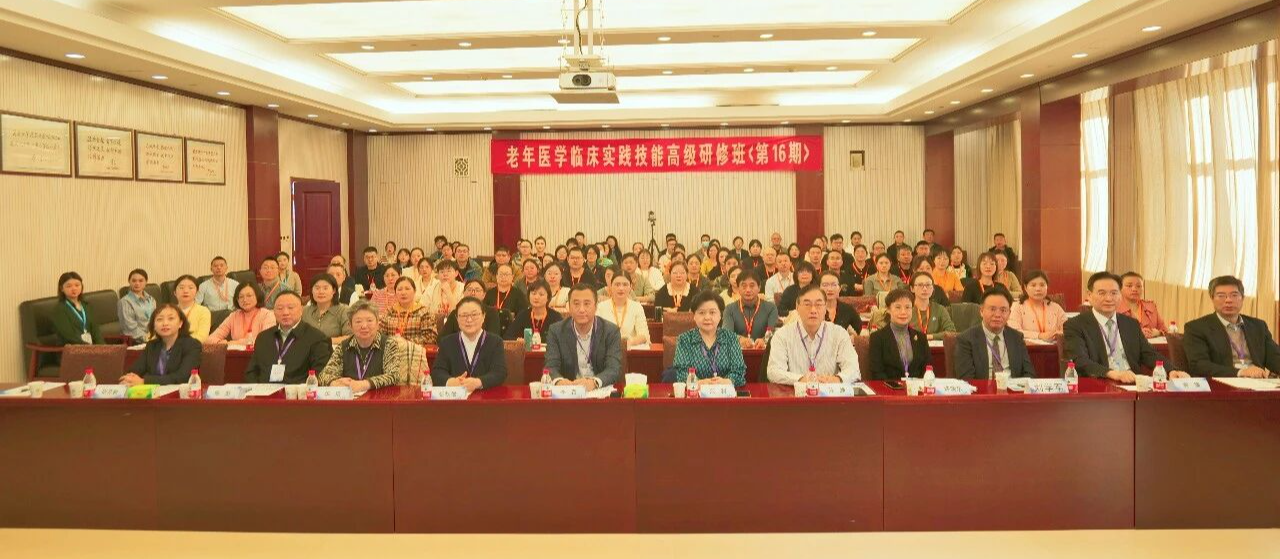
With the successful conclusion of the closing ceremony, the training work of this "Advanced Training Course on Clinical Practice Skills in Geriatrics" has come to a successful close. In his concluding remarks, Professor Fan Li highly affirmed the effectiveness of the training. She pointed out that the core contribution of this training lies in establishing a systematic talent cultivation system. The course content combines an international cutting-edge perspective with clinical practice value, comprehensively covering key areas such as multi-disciplinary and cross-disciplinary collaboration models, intelligent technology applications, and precise intervention strategies, providing a solid platform for the growth of geriatric medicine talents. As a premium course of the Chinese Society of Geriatrics, this training program has been held for 16 consecutive sessions since its launch in 2018, cultivating over 3,200 graduating students and attracting 155,000 online views. This training adopted a closed-loop model of "theory + practical operation + assessment", effectively enhancing the trainees' assessment and management capabilities in areas such as comorbidities in the elderly and frailty. Trainees all expressed that the course design was scientific, cutting-edge and practical, and had great guiding significance for clinical practice and discipline construction.
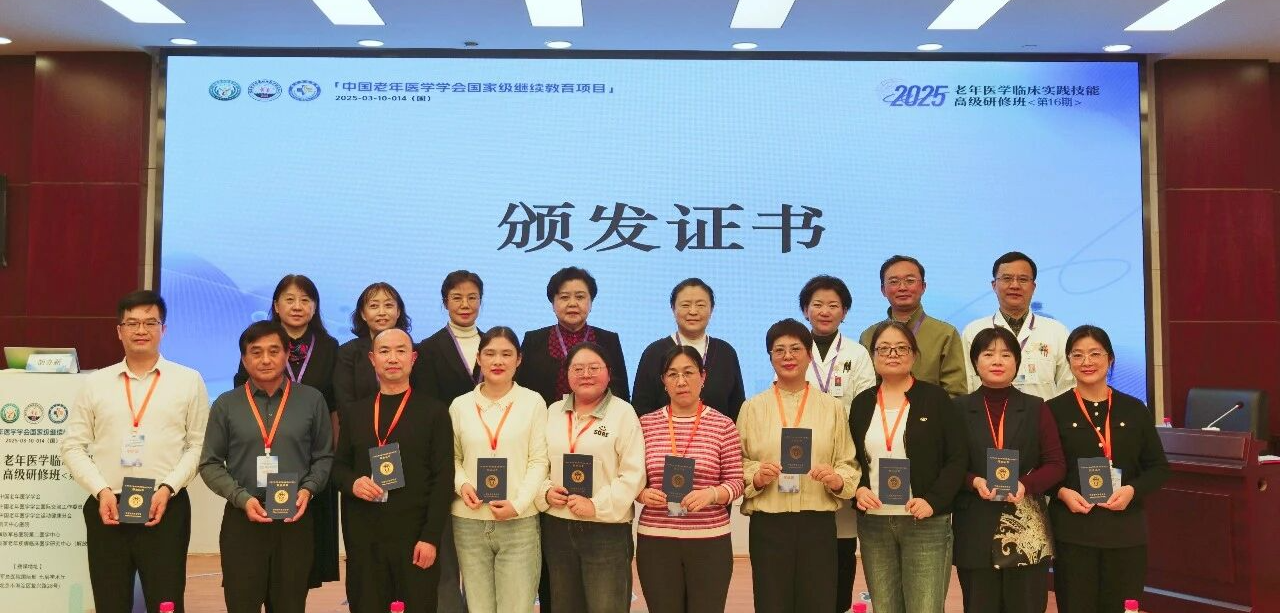
At the closing ceremony, the leaders and experts of the society presented the certificates of completion to the representatives of the trainees.
After more than ten sessions of in-depth refinement and iterative upgrading, as well as systematic and standardized training, the training program has sent batch after batch of professional backbones with modern geriatric medicine concepts and skills to the whole country. This has made the training course an important base for cultivating geriatric medicine talents in China and laid a solid talent foundation for further building a high-level elderly health service system. In the future, this group of professional backbones brimming with new concepts and solid skills will take root on the front lines of clinical practice, continuously injecting strong impetus into promoting the high-quality development of geriatric medicine in China, safeguarding the health and well-being of hundreds of millions of elderly people, and facilitating the implementation of the Healthy China strategy.
Prev
Notice of the Academic Conference on New Advances in Precision Diagnosis and Treatment of Cognitive Impairment of the Chinese Society of Geriatrics and the Training Course for Neuro-Psychological Assessors and Cognitive Impairment Caregivers
Next
The "Clinical Laboratory Quality Management and Laboratory Technology Capacity Enhancement Training Course" organized by the Laboratory Medicine Branch of the Chinese Geriatrics Society was successfully held