
The third committee re-election conference and the first standing committee meeting of the Nutrition and Food Safety Branch of the Chinese Geriatrics Society were successfully held
On May 15, 2026, the third committee election meeting of the Nutrition and Food Safety Branch of the Chinese Geriatrics Society was grandly held in Hangzhou. Leaders of the Chinese Society of Geriatrics, candidates for the third committee of the branch, and representatives of corporate member units attended this meeting.
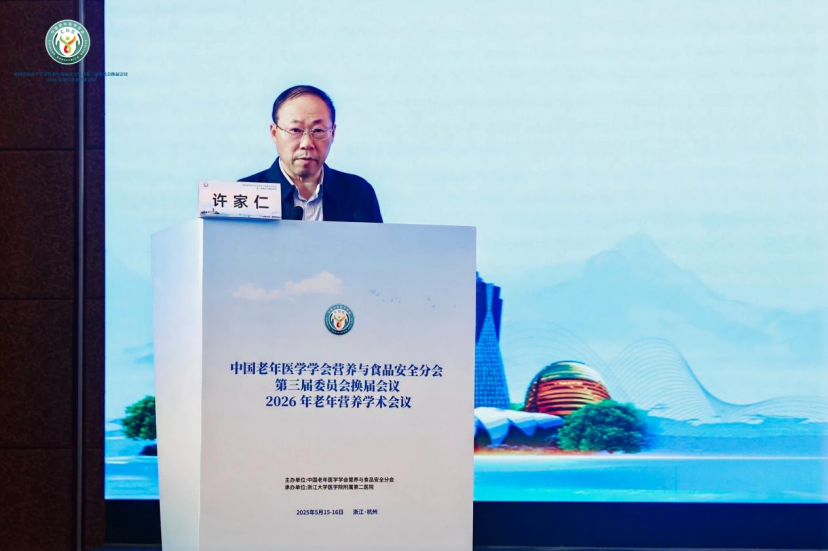
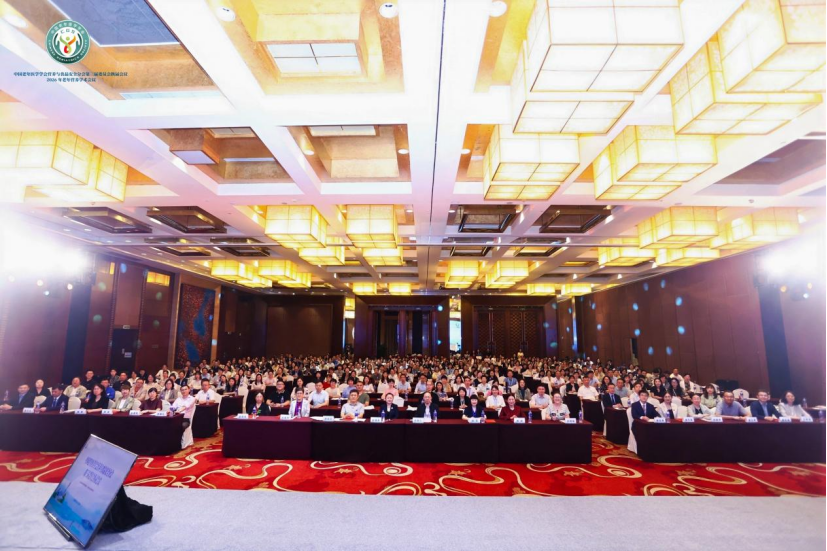
The conference kicked off in a solemn atmosphere. Vice President and Secretary-General Xu Jiaren of the Chinese Society of Geriatrics first read out the "Approval of the Chinese Society of Geriatrics on the Re-election of the Nutrition and Food Safety Branch".
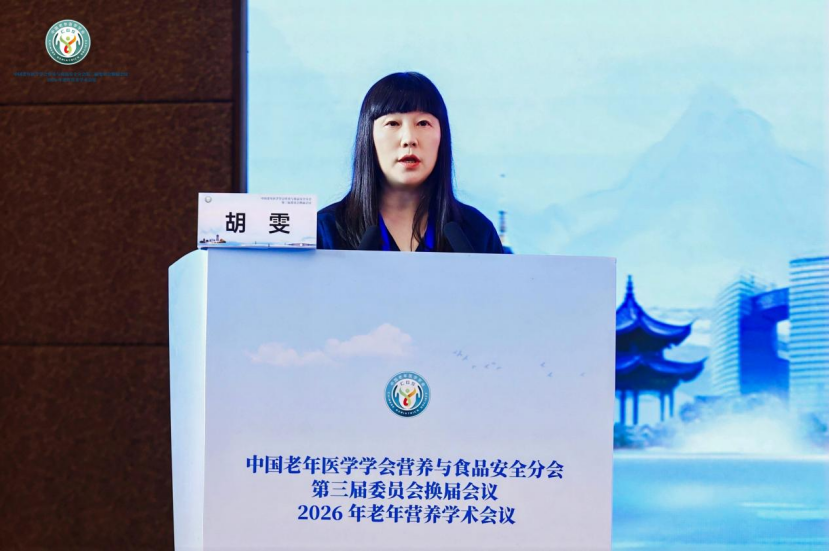
Professor Hu Wen, the chairperson of the second committee of the branch, delivered a work report on behalf of the second committee. She systematically summarized the main work during her tenure from aspects such as organizational construction, academic exchanges and cooperation, academic achievements and development, and talent cultivation, and reported on the preparations for the change of term.
The election process was solemn and orderly, strictly in accordance with the relevant requirements of the Society's "Charter" and "Branch Management Measures". The conference elected the third committee and leadership team of the Nutrition and Food Safety Branch. The third committee has a total of 690 members, including 181 standing committee members. Professor Rao Zhiyong from West China Hospital of Sichuan University was elected as the chairperson of the Third Committee of the Nutrition and Food Safety Branch of the Chinese Geriatrics Society. Wang Xiaohui, Zhu Cuifeng, Liu Yinghua, Li Li, Zhang Pianhong, Chen Liyong, Shao Chunhai, Zhou Li, Shi Wanying and Jiang Zhixiong (in the order of the strokes of their surnames) were elected as vice chairpersons. The conference approved the candidates for the general director and deputy general director of the branch. Chairman Rao Zhiyong presented certificates to the honorary chairmen and expert advisors.
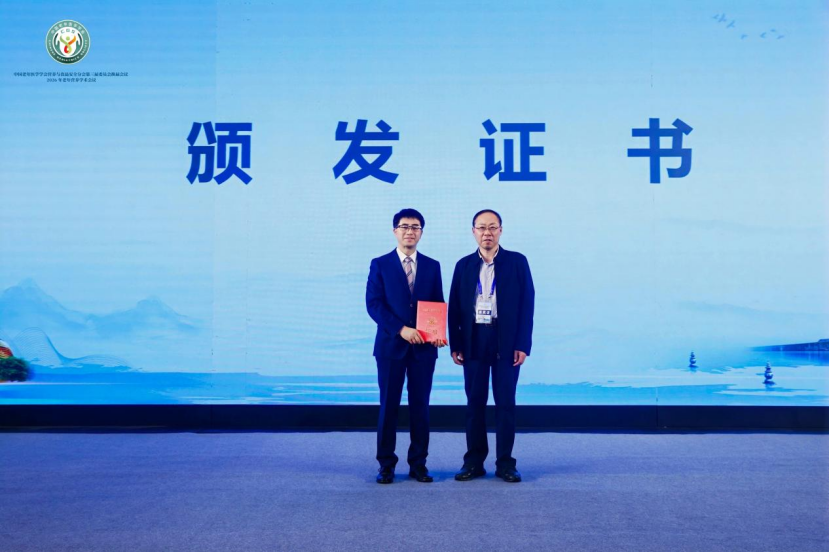
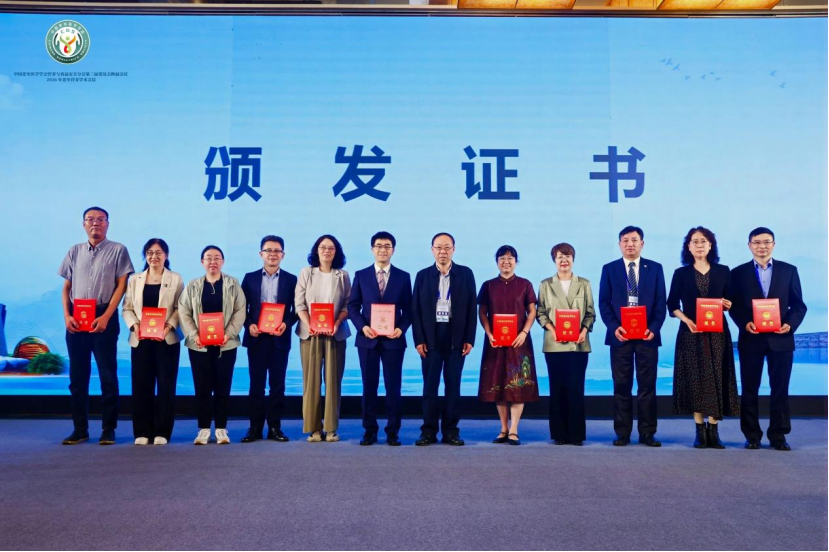
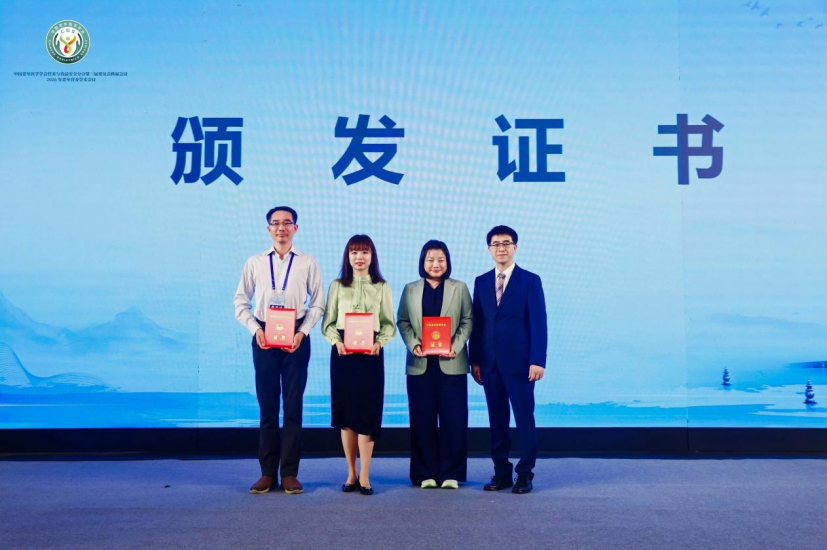
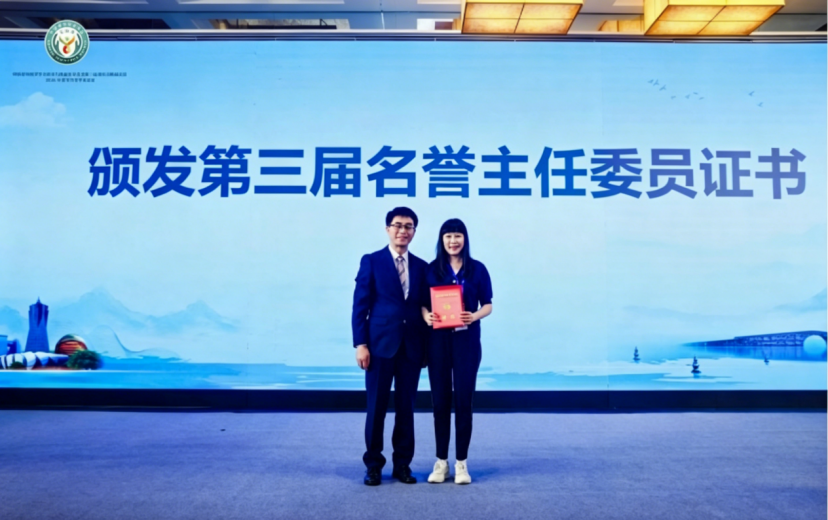
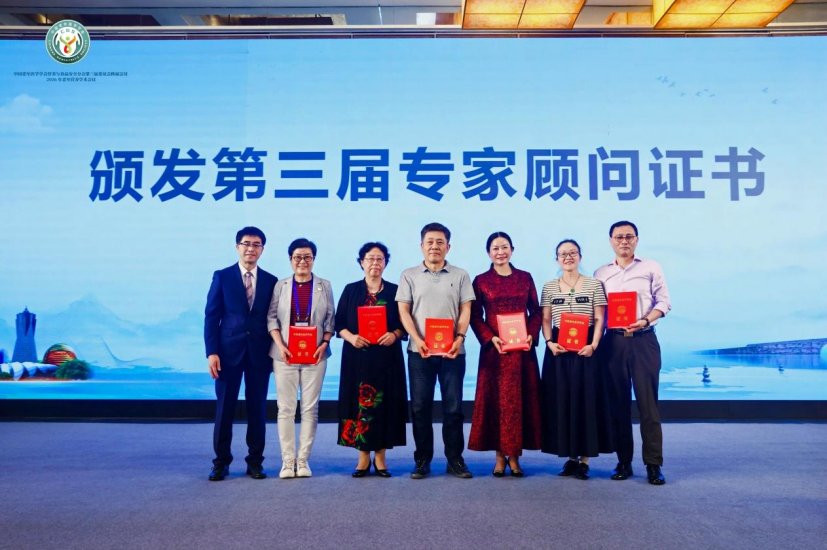
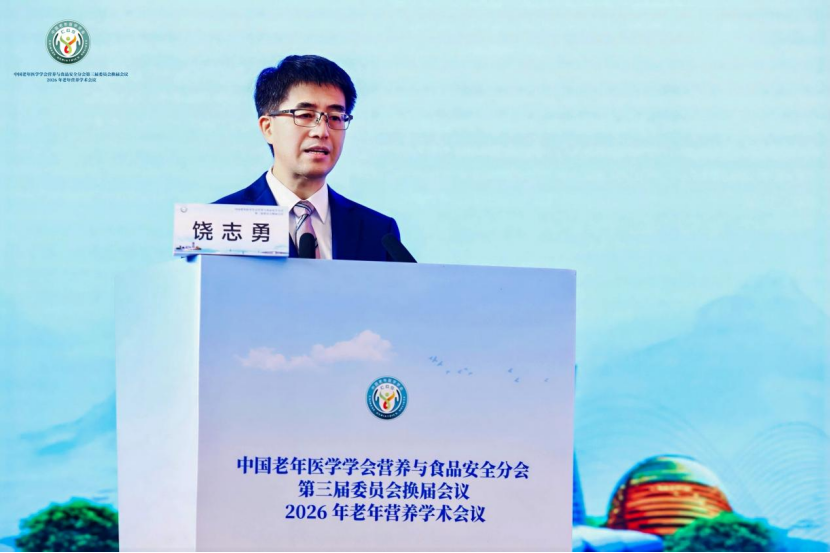
Professor Rao Zhiyong, the new chairperson, delivered a speech. He stated that the third committee will carry forward the fine traditions of the branch, strictly abide by the national constitution, laws, regulations and all the rules and regulations of the society, proactively respond to the development of health and aging science and technology, strengthen the promotion of elderly nutrition and food safety work as well as the transformation of the health industry, seize the policy opportunity of the country's high attention to the cause of healthy aging, give full play to professional advantages, pool wisdom and efforts, Innovative and enterprising, making positive contributions to promoting the development of geriatric medicine and the construction of healthy aging in our country.
The conference was held concurrently with the first standing committee meeting of the Third Committee of the Nutrition and Food Safety Branch of the Chinese Geriatrics Society. Centering on the core concept of "healthy aging, nutrition First", the meeting studied and deployed the overall development goals and key tasks of the branch for the next five years (2027-2031). The meeting made it clear that the new Standing Committee will promote the coordinated development of academic guidance, standard construction, talent cultivation, industrial transformation and public welfare services, and strive to build a practical and efficient professional platform for elderly nutrition.
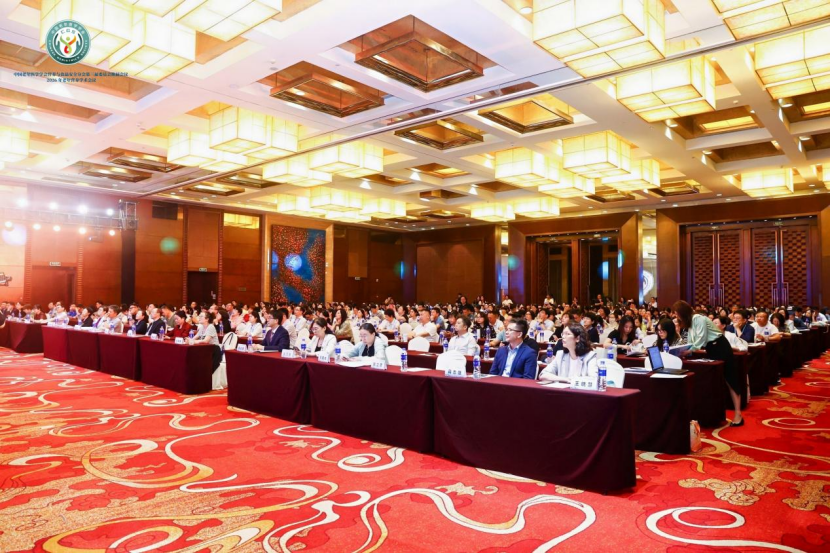
The establishment of the third Committee of the Nutrition and Food Safety Branch of the Chinese Geriatrics Society carries the trust and expectations of practitioners in the fields of geriatrics, clinical nutrition, community healthcare, food science, and elderly health care. The branch will continue to adhere to the motto of "Follow the Way and Respect Medicine, Maintain a Healthy Life", and based on the actual needs of the elderly population, do a solid job in academic exchanges, standard development, popular science promotion and public welfare services, etc. It will take practical actions to help improve the nutritional and health level of the elderly population and contribute a tangible force to promoting healthy aging.
Prev
The third committee election conference of the Medical Care Branch of the Chinese Geriatrics Society was successfully held
Next
The 2026 Academic Symposium on New Advances in the Diagnosis and Treatment of Hypertension in the Elderly, themed "Empowering with Party Building and Solving People's Worries", was successfully held