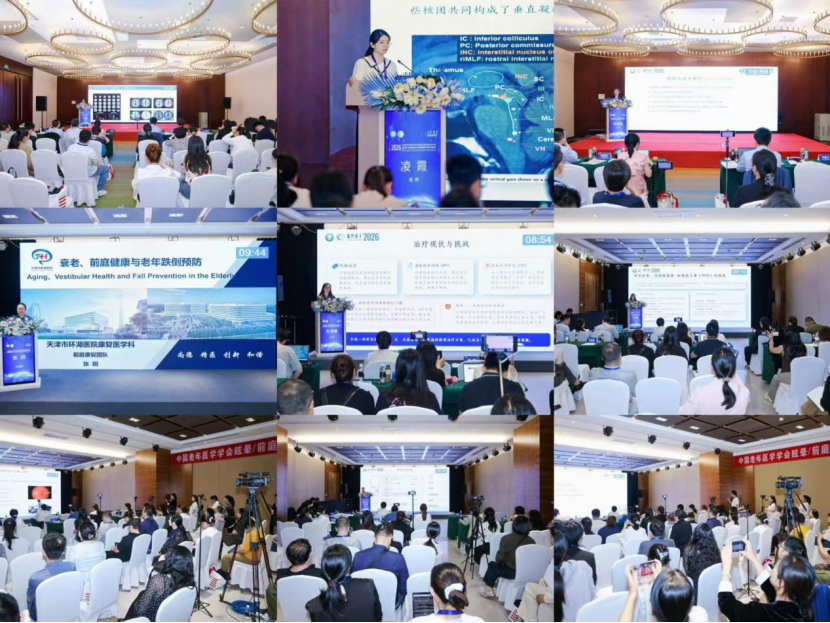
From May 22nd to 24th, 2026, the event was hosted by the Vertigo/Vestibular Medicine Branch of the Chinese Geriatrics Society (CGSVD), and organized by the Department of Neurology of Peking University First Hospital, the Vertigo Diagnosis and Treatment Research Center of the Air Force Specialized Medical Center, the Department of Neurology of the Second Affiliated Hospital of Xuzhou Medical University, and the Department of Neurology of Xiangyang Central Hospital Affiliated to Hubei University of Arts and Science. The Fifth General Committee Meeting and the Fifth Academic Conference of the Vertigo/Vestibular Medicine Branch of the Chinese Geriatrics Society, co-organized by multiple units, was held in Beijing. More than 500 experts, scholars, clinical doctors and researchers from all over the country gathered together to have in-depth exchanges on the latest progress, clinical difficulties and discipline construction in the field of vertigo/vestibular medicine.
Opening ceremony and important announcements
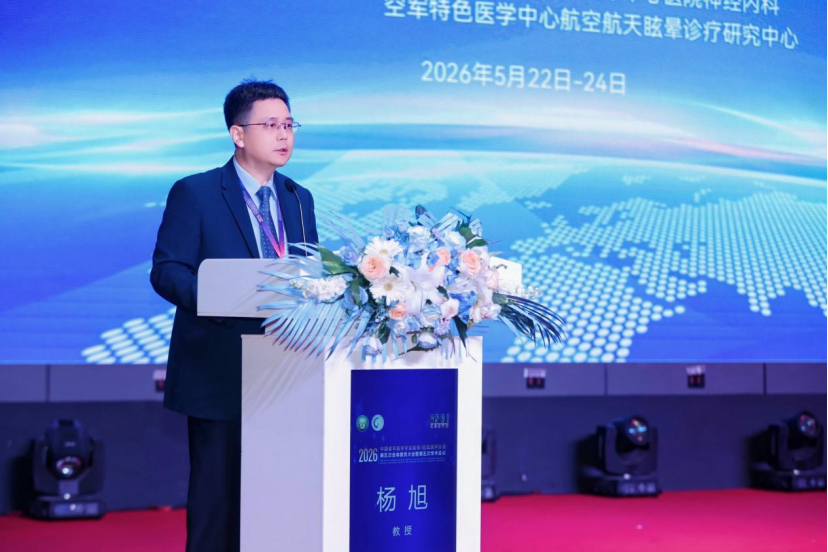
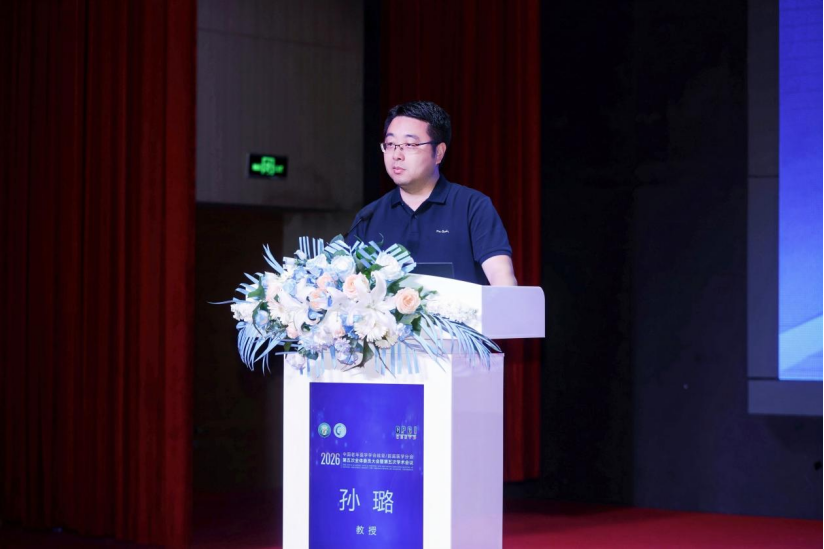
Professor Yang Xu, the president of the branch, in his speech, reviewed the achievements of the branch's work in recent years and made prospects for the construction of a standardized diagnosis and treatment system, talent cultivation, improvement of the collaboration network, and promotion of science popularization and public welfare. Professor Sun Lu, the vice president of the Daxing Branch of Peking University First Hospital, and Professor Wang Zhaoxia, the director of the Department of Neurology of Peking University First Hospital, attended the meeting. Vice President Sun Lu delivered a speech. She affirmed the work of CGSVD in the past year and expressed expectations for further strengthening clinical collaboration and academic exchanges.
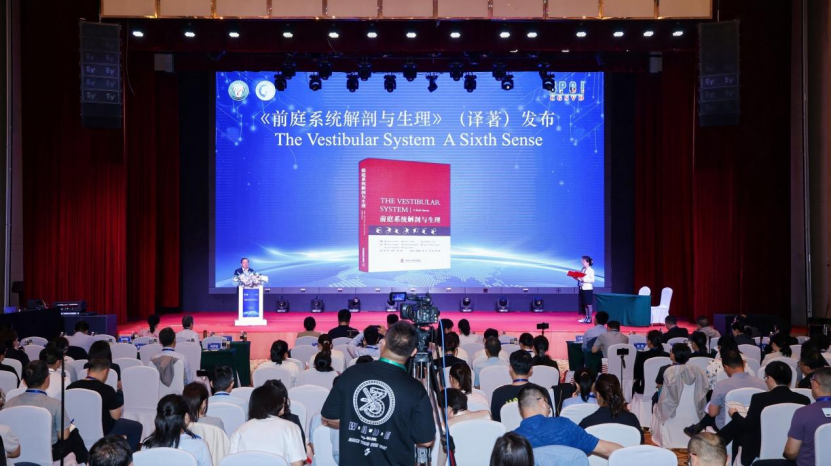
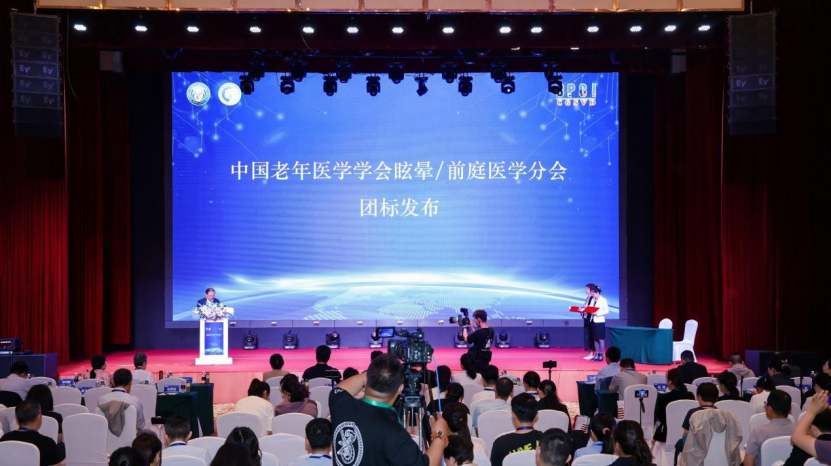
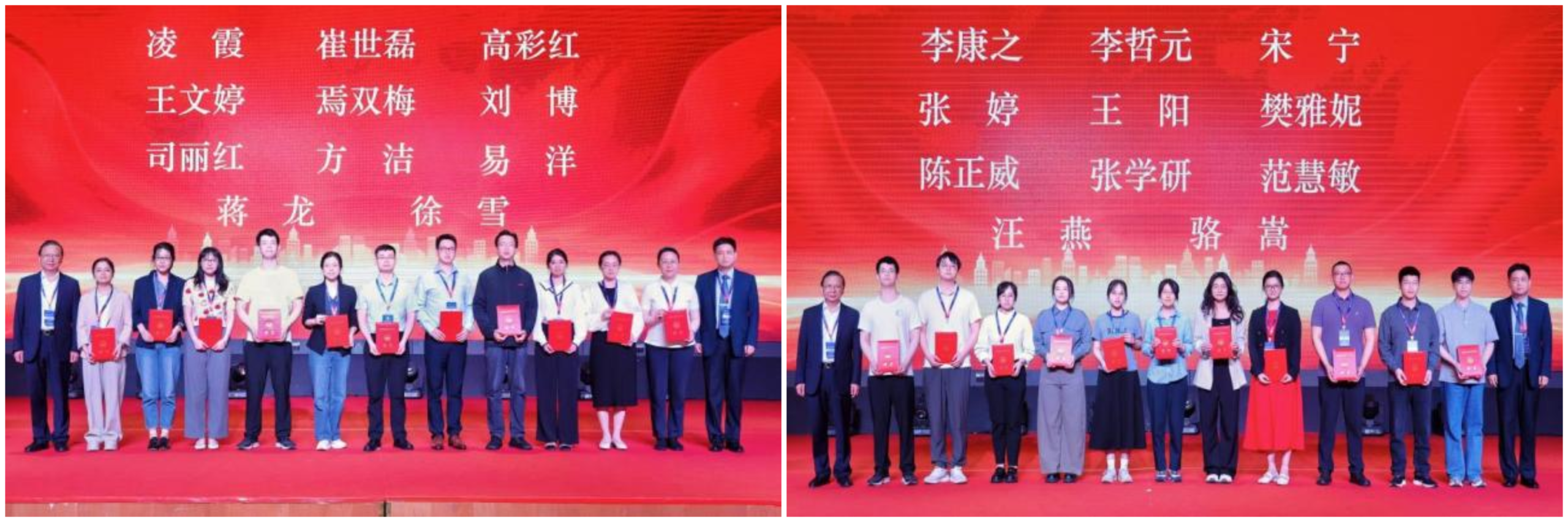
At the opening ceremony, the new book release of "Vestibular Anatomy and Physiology" (Chinese version) and the release ceremony of the group standard compiled by the branch were held. Certificates were also presented to the newly added nystagmus/eye movement and functional vestibular disease professional committee members.
Focus on the academic frontier and deepen the integration of multiple disciplines
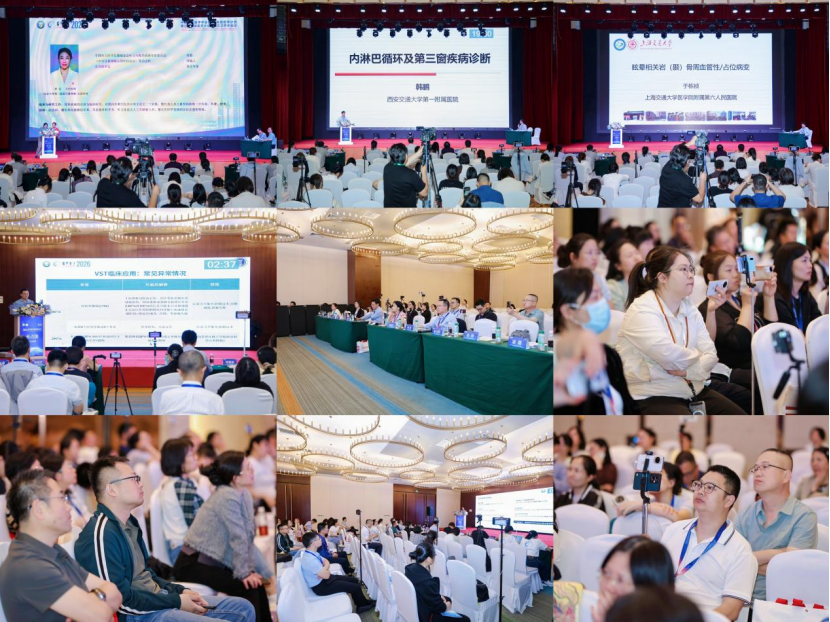
This conference has set up multiple specialized venues, covering a wide range of fields including vestibular basic medicine, neuroscience, ophthalmology, imaging, psychology, pharmacy and rehabilitation medicine. The conference focused on key topics such as vestibular anatomy and physiology, vestibular eye reflex mechanisms, central vestibular information processing, vestibular rehabilitation techniques, technical norms for vestibular evaluation, and vascular vertigo, featuring special reports and interactive discussions.
During the basic theory session, experts systematically expounded on core contents such as the functions of the semicircular canals and auricular tools, the vestibular nerve nucleus pathway, the vestibular visual integration mechanism, and the velocity storage mechanism, promoting the transformation of basic research into clinical issues. In the advanced theory and technology session, academic reports covered cutting-edge directions such as the mechanism of vestibular autonomic nerves, posture and gait regulation, advanced eye movement analysis, the principle of swioping chair experiments, and the application of brain-computer interfaces, demonstrating the breadth and depth of interdisciplinary integration.
During the clinical focus session, experts provided in-depth interpretations on hot issues such as the neurobiological mechanisms of vestibular migraine, the circadian rhythm regulation of the inner ear lymphatic circuit, the vestibular compensation mechanism, and the integrated strategies of psychosomatic medicine, enhancing clinicians' ability to identify and treat complex vestibular diseases.
Highlight the orientation of standardized training and clinical practice
The conference specially set up multiple academic interaction and exchange sessions, focusing on theoretical explanations and practical demonstrations of vestibular function examination operation quality control, ear tool function assessment, progress in eye movement chart technology, differentiation between BPPV and light cap, vestibular rehabilitation training, and objective hearing examination techniques. Through the structured training model of "quality control first, then interpretation", the homogenization and standardization process of vestibular disease diagnosis and treatment is promoted.
Deepen scientific research collaboration and discipline co-construction
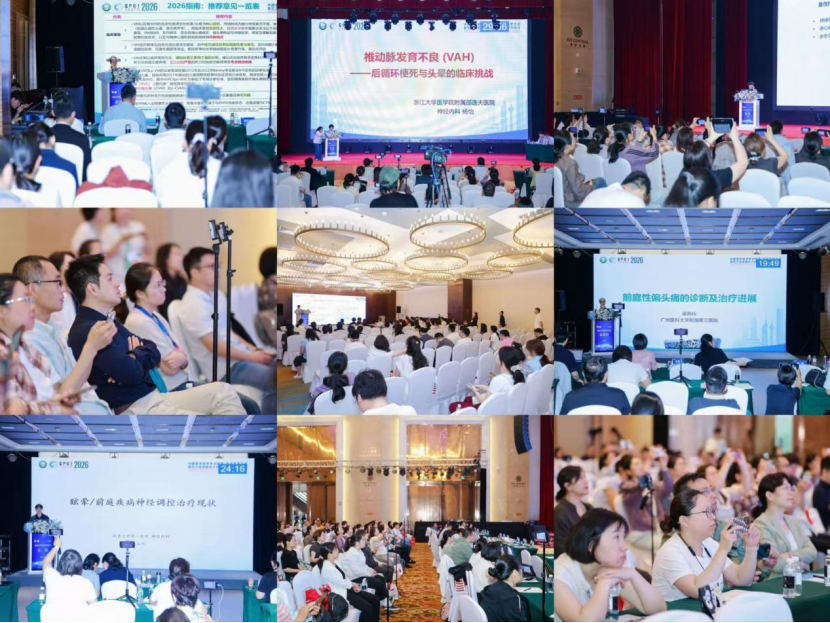
During the conference, a multi-center database construction, group standard formulation and expert consensus seminar were held. Discussions were held on the technical norms of vestibular rehabilitation, the ability assessment of vestibular examination technicians, the capacity building of the vertigo professional community and the consensus on PPPD diagnosis and treatment, etc., continuously promoting the sharing of vertigo diagnosis and treatment resources and the integrated construction of technology.
During the special session for sharing high-quality cases, clinical physicians from multiple institutions across the country presented the diagnosis and treatment processes of complex vertigo cases, covering various causes such as central vertigo, functional vestibular disorders, autoimmune diseases, paranomatoriatic syndrome, hereditary ataxia, and orthostatic intolerance, demonstrating the application value of standardized diagnosis and treatment pathways in complex cases.
Party building leadership promotes the high-quality development of disciplines
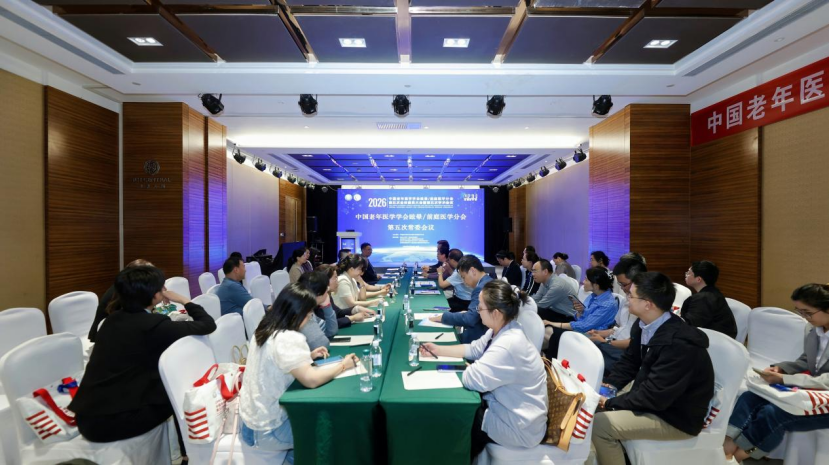
During the conference, the fifth Standing Committee meeting of CGSVD was also held, summarizing the work of 2025, arranging key tasks for 2026, and clarifying the work directions of continuously promoting multi-disciplinary academic exchanges, standardized training, collaborative network construction, multi-center data sharing, and patient education under the leadership of Party building.
This conference was supported by the Department of Otorhinolaryngology of Eye and ENT Hospital Affiliated to Fudan University, the Department of Otorhinolaryngology of the Sixth People's Hospital Affiliated to Shanghai Jiao Tong University, the Department of Neurology of the Third Affiliated Hospital of Guangzhou Medical University, the Vertigo Professional Committee of Jiangsu Research Hospital Society, the Vertigo Professional Committee of Hubei Cerebrovascular Disease Prevention and Control Society, the Vertigo Group of the Neurology Branch of Guangdong Medical Association, and the "Chinese Geriatric Cardiology. Co-organized by multiple institutions and platforms such as the Journal of Cerebrovascular Diseases, Stroke and Neurological Disorders, Nerve Injury and Functional Reconstruction, and MedPulse. It is precisely the close collaboration and cross-platform interaction among all the organizing, hosting and co-organizing units that have provided a solid organizational guarantee and academic support for the smooth holding of the conference.
This conference fully demonstrated the latest achievements in the field of vertigo/vestibular medicine in our country in terms of basic research, clinical diagnosis and treatment, technical standards and discipline construction, further promoting the construction of a closed-loop system of "academic exchange - standardized training - clinical application - data accumulation". While promoting the high-quality development of professional business, the branch has always integrated the establishment and practice of a correct view of political achievements throughout the entire process of discipline construction and academic work. The meeting emphasized that the fundamental achievements of medical workers lie in serving people's health and solving practical clinical problems. The branch will continue to guide the majority of committee members to be grounded in their positions, be realistic and pragmatic, transform academic achievements into accessible diagnosis and treatment services for the grassroots and patients, focus scientific research and innovation on real clinical needs, implement standardized training and popular science public welfare, and resolutely prevent the tendency of "emphasizing form over effect and quantity over quality". The branch will continue to leverage the leading role of Party building, guide the professional development direction with a correct view of political achievements, enhance the clinical diagnosis and treatment level of vertigo diseases, serve the cause of elderly health, and promote the development of vertigo/vestibular medicine in China towards a higher quality stage.