
The 2026 Academic Conference and the Inauguration Ceremony of the Cognitive Impairment Branch of the Chinese Geriatrics Society concluded successfully in Guiyang, marking a new beginning and a new journey
In the golden autumn of September, Guiyang, the forest city, enjoys a clear and refreshing climate with a rich cultural heritage. At the critical juncture of the in-depth advancement of the health-first development strategy and the national strategy of actively responding to population aging, the 2026 Academic Conference and the Third Committee Transition Conference of the Cognitive Impairment Branch of the Chinese Geriatrics Society, as well as the Cognitive Impairment Assessment Training Course, were grandly held in Guiyang. This conference, with the core theme of "New Starting Point, New Journey: Synergistic Promotion of Elderly Cognitive Health through Precision Diagnosis and Treatment and Full-course Care", brought together over 600 medical staff, experts, scholars and industry colleagues in the field of cognitive impairment from all over the country to gather in Guizhou Province. They jointly explored the frontiers of the discipline, discussed diagnosis and treatment norms, and discussed the future of the industry, contributing to the quality development of the prevention and treatment of elderly cognitive impairment in China.
This conference is hosted by the Cognitive Impairment Branch of the Chinese Geriatrics Society and jointly organized by the Second People's Hospital of Guiyang City, the General Hospital of the People's Liberation Army of China, and Shenzhen Kangning Hospital. It holds multiple values including leadership transition and cohesion, academic discussion, skills training, and exchange empowerment. It is a high-profile, highly professional, and widely covered annual major academic event in the field of cognitive impairment in China.
Let's continue the glorious chapter and join hands to deeply cultivate the high-quality development of disciplines
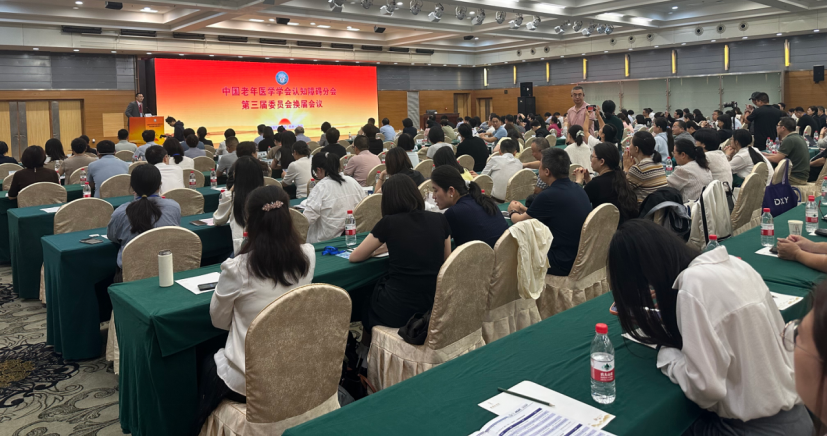
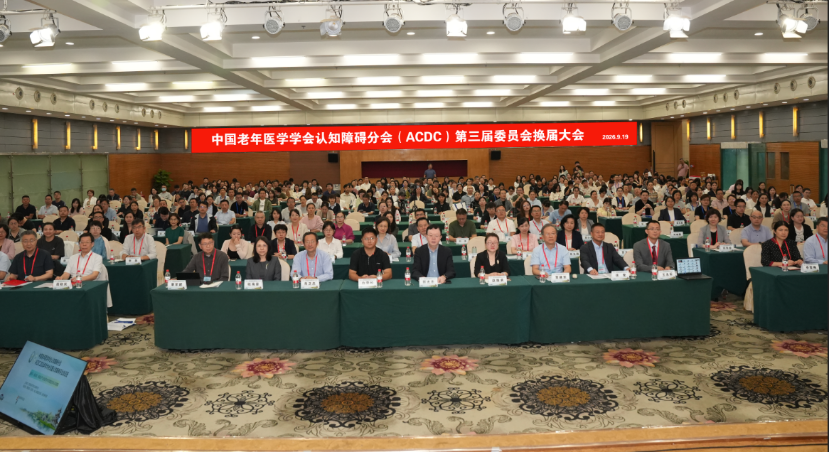
On the morning of September 19th, the third committee election conference of the Cognitive Impairment Branch of the Chinese Society of Geriatrics was successfully held. Professor Guo Guanghua, vice president of the Chinese Society of Geriatrics, attended the conference and read out the approval for the preparations of the change of term. Vice President Guo Guanghua highly affirmed the outstanding achievements made by the Cognitive Impairment Branch since its establishment in standard construction, expert consensus compilation, academic exchanges, talent cultivation, and popular science public welfare. He highly praised the exemplary and leading role of the branch. At the same time, he expressed expectations for the new committee of the branch, hoping that they would continue to adhere to the mission of elderly brain health, focus on clinical practice, and face the grassroots. We will continue to promote the standardization of the diagnosis, treatment and care system for cognitive impairment, and contribute academic strength to the Healthy China strategy.
This term change election conference was strictly organized and implemented in accordance with the relevant provisions of the "Charter of the Chinese Geriatrics Society", and the entire process of the term change election was presided over by Zhao Jicheng, the deputy secretary-general of the society. Professor Jia Jianjun, the chairperson of the second committee of the branch, comprehensively reviewed the development process and rich achievements of the branch over the past decade or so since its establishment in 2015. Over the past decade or so, under the leadership of the Party building, the branch has remained true to its original aspiration and forged ahead with determination. Driven by the dual wheels of "standardized assessment and professional care", it has taken the lead in formulating and releasing multiple group standards and expert consensuse. Representative group standards include two core group standards: "Service Specifications for the Care of Elderly People with Cognitive Impairment" (T/CGSS0192021) and "Standards for Neuro-Psychological Assessors of Cognitive Impairment" (T/CGSS 0222022), which provide implementable basis for institutional care and the training and assessment of practitioners. Led the drafting of several heavyweight expert consensons, including the "Expert Consensus on the Care and Management of Patients with Cognitive Impairment in China", the "Expert Consensus on ABC Management of Alzheimer's Disease in China", and the "Expert Consensus on Genetic Diagnosis Strategies for Cognitive Impairment Diseases in China (2025 Edition)". Some of these consensons have been released in English internationally, expanding China's international academic influence in the field of cognitive impairment. The branch will continue to expand its expert team and build a composite expert network covering clinical practice, nursing, rehabilitation, scientific research, and medical and elderly care integration. The branch, guided by standard setting, supported by expert consensus, and rooted in talent cultivation, has blazed a trail of standardized development for cognitive impairment with Chinese characteristics, making significant contributions to enhancing the prevention and treatment level of cognitive impairment among the elderly in China and promoting the high-quality development of the healthy aging cause.
The meeting deliberated and approved the report on the qualification review of the candidates for committee members and the election rules for the third committee. The conference elected the third committee and leadership team of the Cognitive Impairment Branch. Professor Xu Jun from Beijing Tiantan Hospital, Capital Medical University, was elected as the chairperson, and several experts were elected as vice-chairpersons. The chairperson nominated the general secretary and deputy general secretaries, successfully completing the transition of the branch's leadership team and the inheritance of the torch.
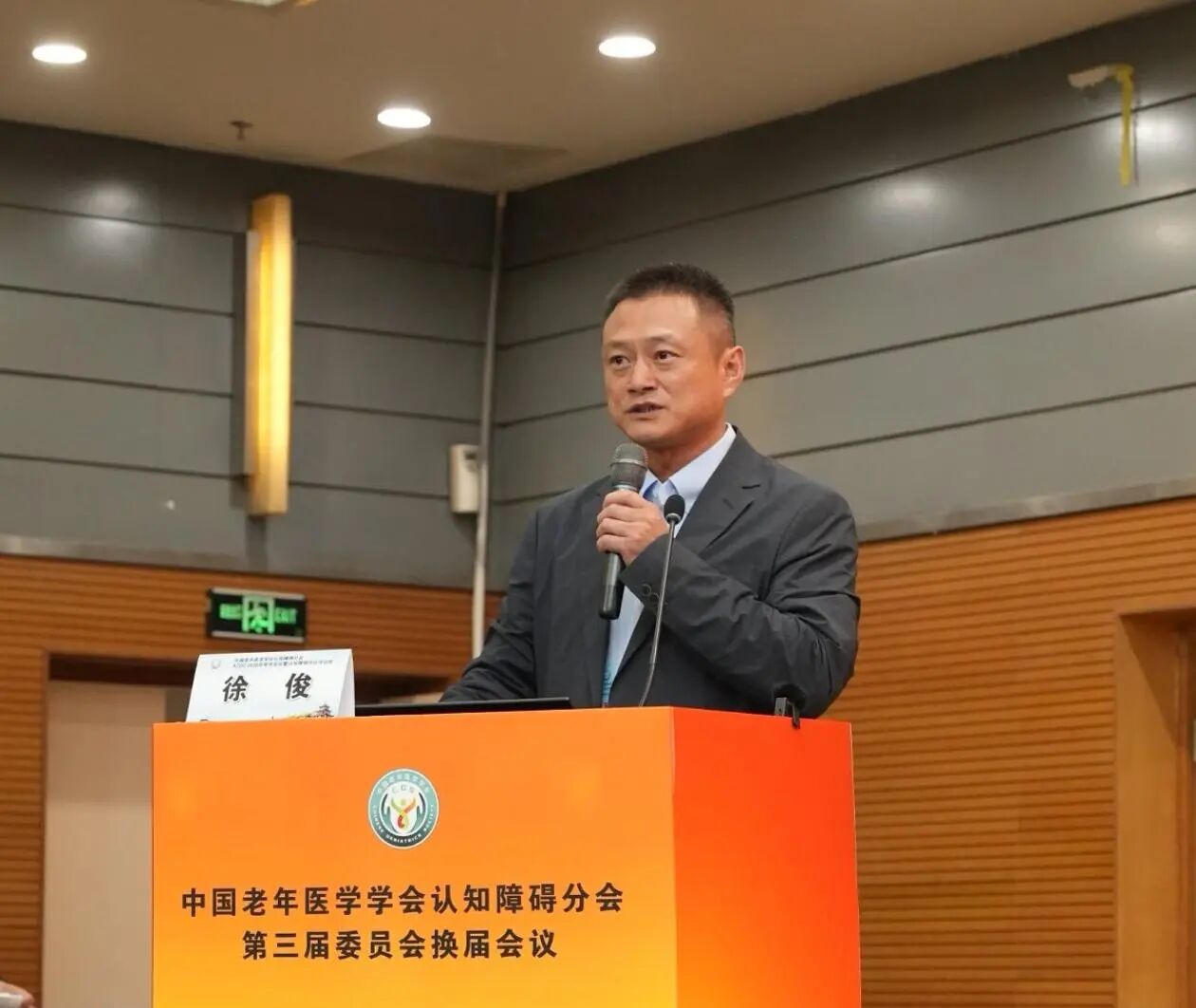
Professor Xu Jun, the new chairperson, officially took office and delivered a speech on his duties, clearly defining the work direction for the next five years. The new members of the leadership team will continue to base themselves on the real clinical needs, focus on cutting-edge innovation, deepen the cultivation of talent teams, and strengthen multi-disciplinary cross-collaboration, so as to promote the steady and long-term progress of all work related to the prevention and treatment of cognitive impairment.
A gathering of distinguished experts to jointly explore the cutting-edge and solve clinical problems
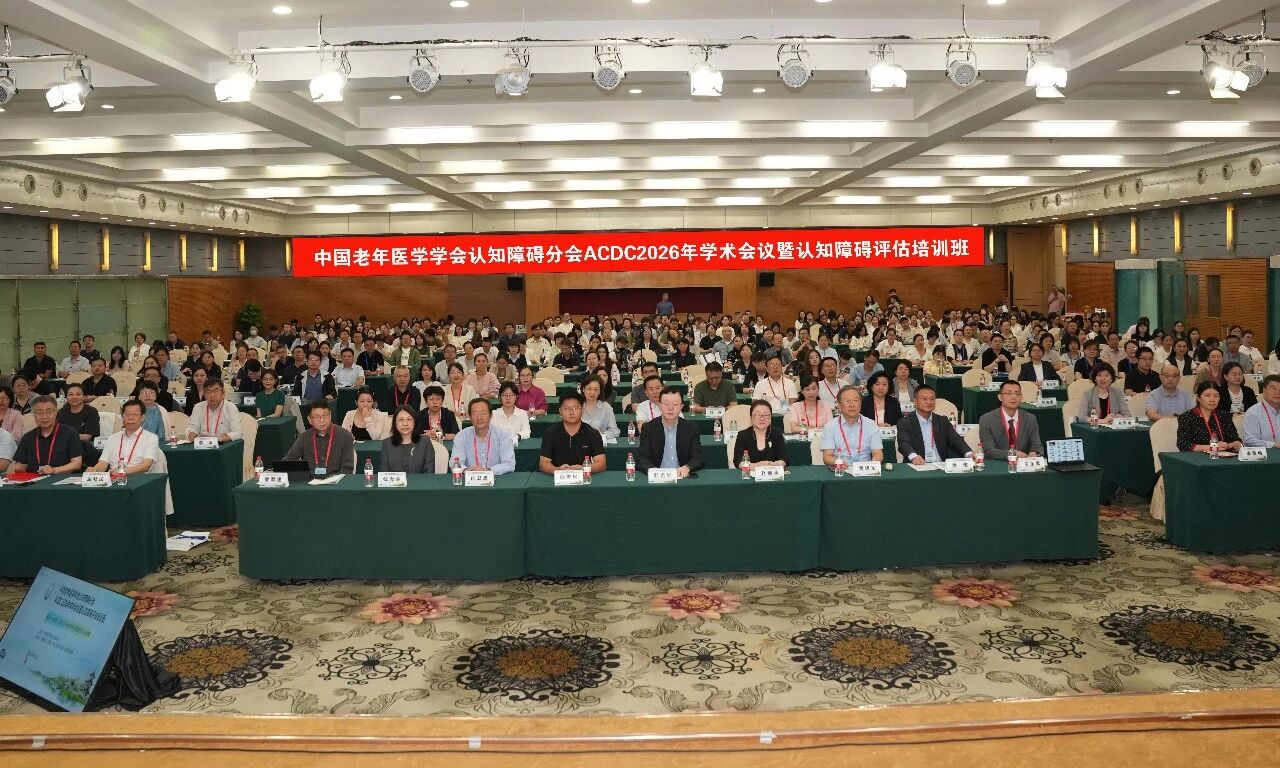
The 2026 Academic Conference of the Cognitive Impairment Branch of the Chinese Geriatrics Society and the Cognitive Impairment Assessment Training Course were held simultaneously. The academic content is rich and full of valuable information. It features multiple sections such as keynote speeches, four sub-forums, and specialized skills training, covering all fields including basic research on cognitive impairment, precise diagnosis, targeted therapy, rehabilitation care, and the transformation of cutting-edge technologies. It also includes hot and cutting-edge topics such as blood markers, AI-assisted diagnosis, brain-computer interfaces, DMT treatment, molecular imaging, and non-pharmaceutical intervention.
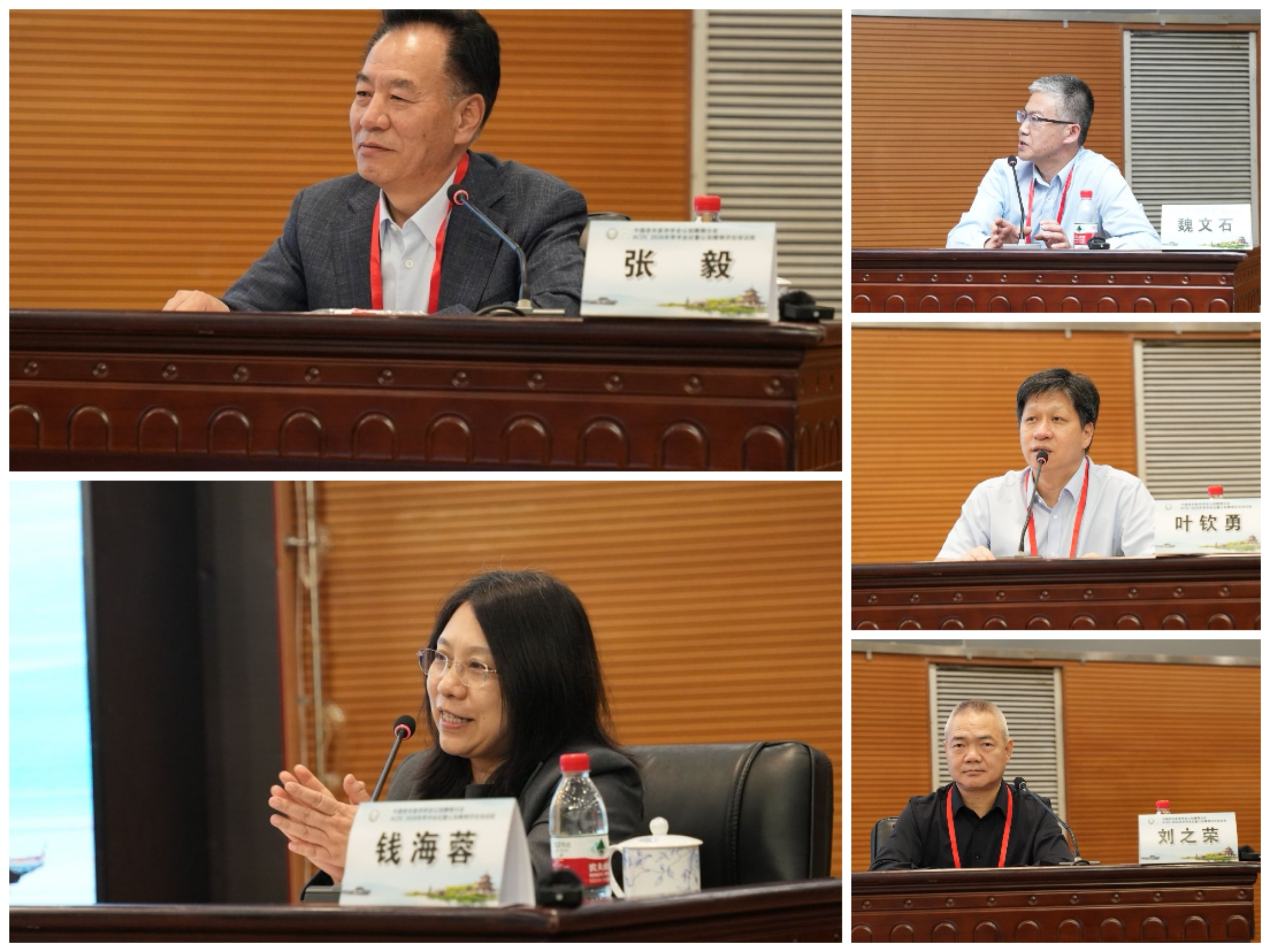
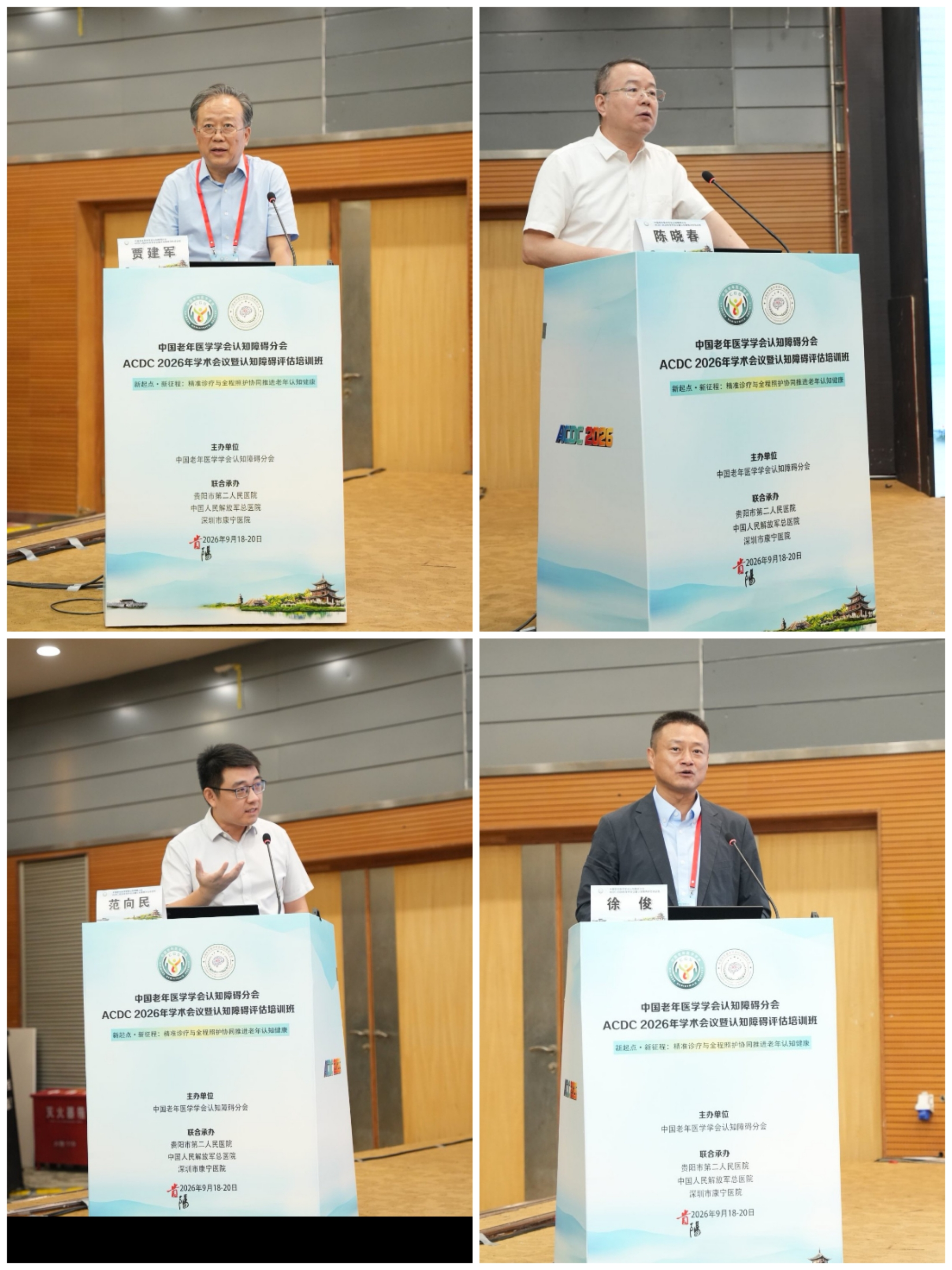
During the keynote report session, top domestic experts and scholars took turns to present their cutting-edge academic insights. Based on the latest research achievements and clinical practices at home and abroad, experts provided in-depth interpretations on core topics such as the current status and prospects of AD diagnosis and treatment, clinical transformation of blood markers, application of Aβ molecular imaging, new paradigms of multimodal AI-assisted diagnosis, and new progress in targeted therapy. They broke down disciplinary barriers, shared innovative achievements, and brought a high-quality academic feast to the colleagues present.
On the same afternoon, four parallel sub-forums were held in an orderly and synchronized manner, each with its own focus and full of highlights.
Sub-forum One focuses on the latest progress in cognitive impairment research, delves deeply into the impact of vascular factors and sleep disorders on cognitive function, and analyzes the cutting-edge achievements in plasma markers, molecular imaging, and non-pharmaceutical treatments.
Sub-forum Two delves deeply into the field of AD treatment, systematically interpreting key clinical contents such as the mechanism of monoclonal antibody drugs, real-world research, chronic disease management, and Tau protein-targeted therapy.
Sub-forum Three focuses on clinical care and rehabilitation, and conducts exchanges around practical contents such as AI smart care, digital cognitive assessment, AD smart medical and elderly care standards, and BPSD comprehensive management, thus opening up a channel for the implementation of academic research and clinical care.
Sub-forum Four continues the special training course on cognitive impairment assessment that was launched on September 18th. This training course is divided into two teaching sessions: the full day on September 18th and the afternoon on September 19th. It is open to practitioners in neurology, geriatrics, psychiatry, nursing, and medical and elderly care institutions across the country. The course will conduct systematic teaching on the use of cognitive screening tools, practical operation of neuropsychological assessment, identification of adverse drug reactions, and case review in real combat. It will also balance theoretical instruction with group practical operation exercises. Effectively enhance the standardized assessment and handling capabilities of grassroots practitioners.
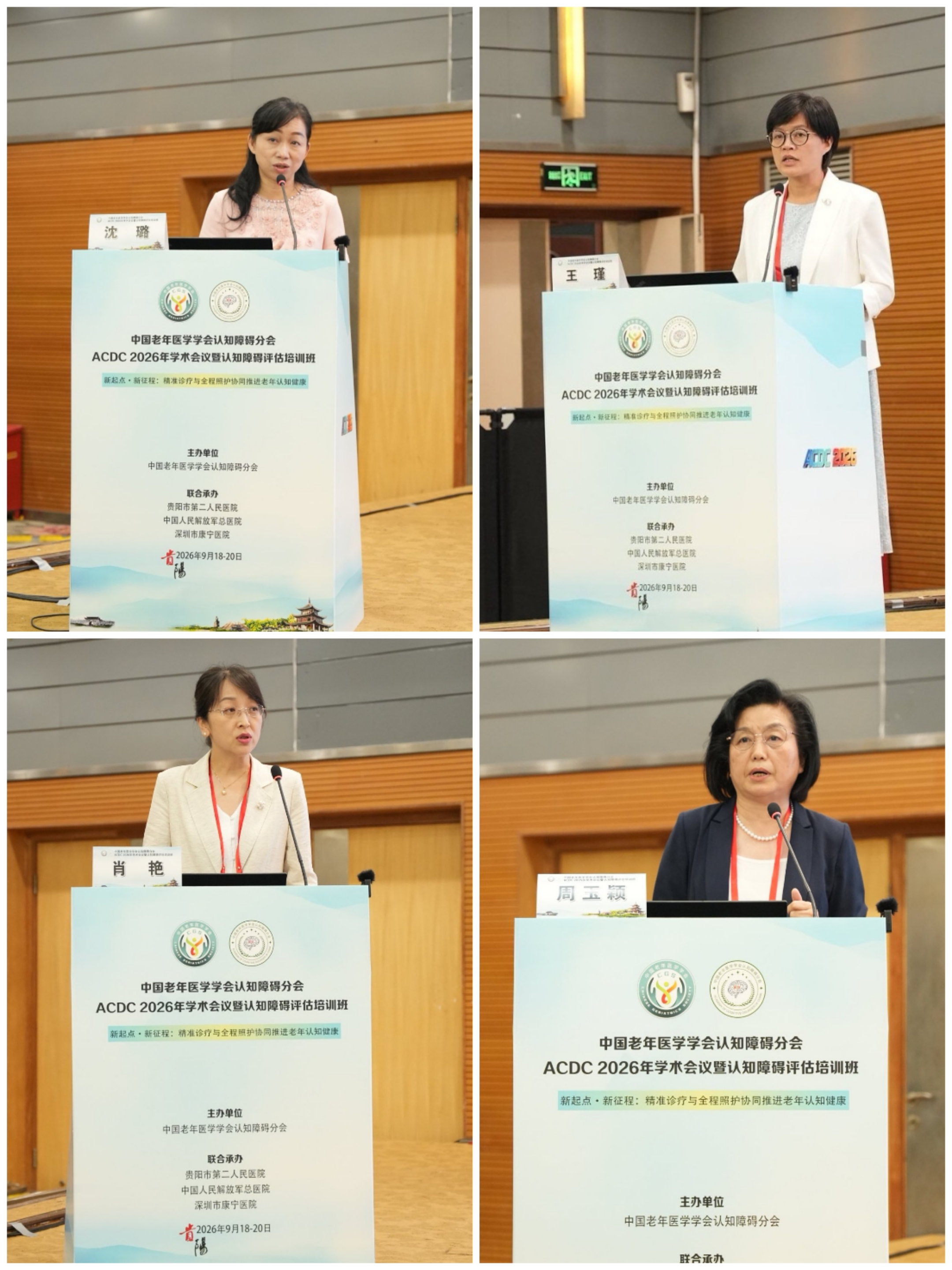
The entire training process adheres to academic guidance and problem orientation, taking into account both cutting-edge and practical aspects. It focuses on practical contents such as new dosage form treatment, ARIA image recognition, DMT drug risk management, ADNI database operation, and discussion of difficult cases. Through various forms such as special lectures, case sharing, interactive Q&A, and practical training, it promotes the deep integration of basic research and clinical application. Effectively solve the key and difficult problems in clinical diagnosis and treatment, assessment and care, further unify the industry's diagnosis and treatment norms, and promote the homogenized development of cognitive impairment diagnosis and treatment across the country.
Join hands and forge ahead with determination to open up a new chapter, delving deeply into chronic diseases to safeguard brain health
The successful conclusion of this academic conference and the transition meeting not only summarizes the past work of the branch but also marks a brand-new starting point for the high-quality development of the discipline. After more than ten years of hard work and dedication, the branch has continuously led the development of standardized diagnosis and treatment of cognitive impairment in China. The new members of the leadership team will continue to forge ahead and are bound to open up a new situation in discipline construction.
In the future, the Cognitive Impairment Branch of the Chinese Geriatrics Society will take Party building as the lead, remain true to its original aspiration, and bravely shoulder its mission. With precise diagnosis and treatment and full-process care as the core, it will continuously build a high-level academic exchange platform, strengthen multi-disciplinary collaborative innovation, and promote the transformation of cutting-edge technologies and high-quality research results into clinical practice. We will continue to promote the application and popularization of group standards and expert consensus, deeply cultivate talents, standardize the diagnosis and treatment system, and improve the care model, so as to empower and gather strength for the cause of enhancing the cognitive health of the elderly, and actively respond to population aging and contribute to the steady and long-term implementation of the Healthy China strategy!
Prev
The Fifth Academic Conference of the Sports Health Branch of the Chinese Geriatrics Society, focusing on proactive health and promoting the integration of medical care and sports, was successfully held, gathering new impetus for the healthy development of elderly sports
Next
The third committee election conference of the Medical Care Branch of the Chinese Geriatrics Society was successfully held