
The third training course on "Clinical Research Methods and Practices in Geriatrics" was successfully held
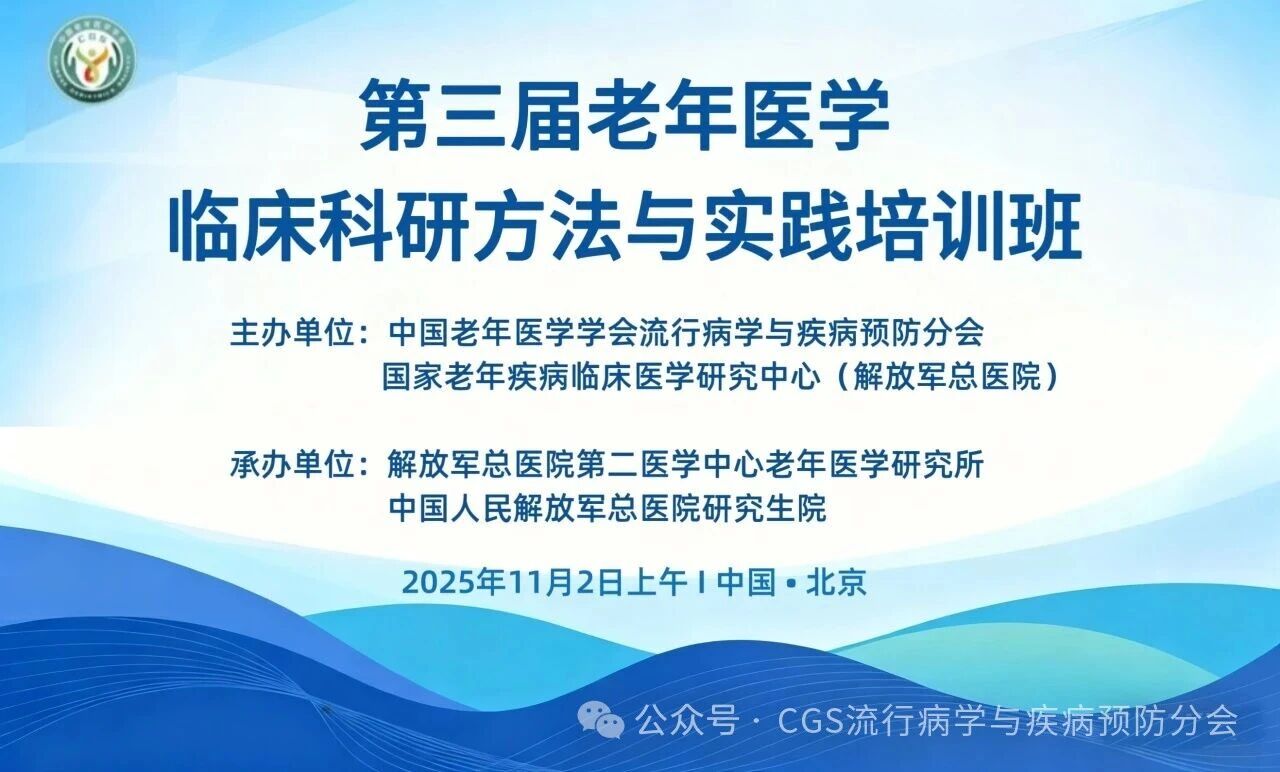
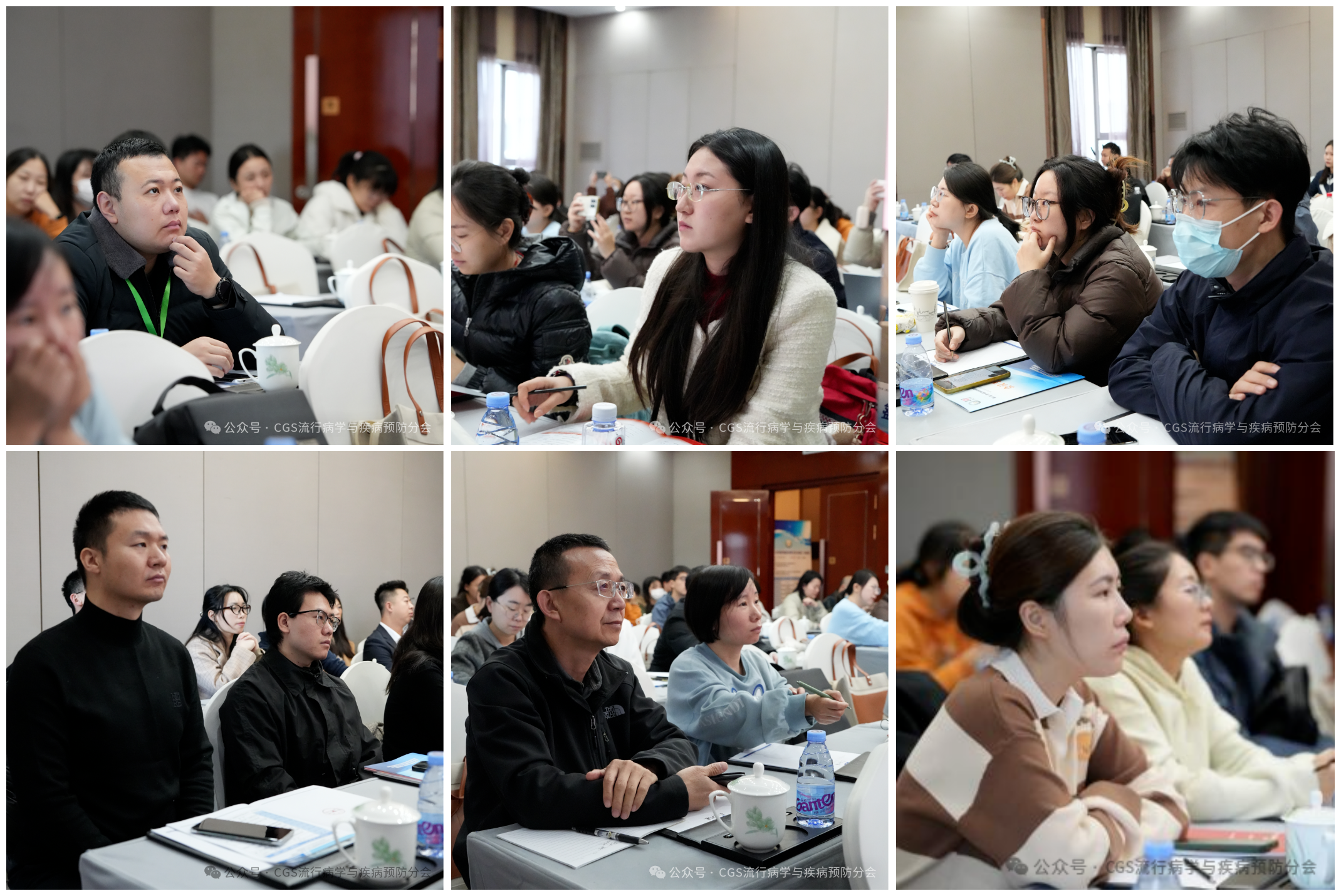
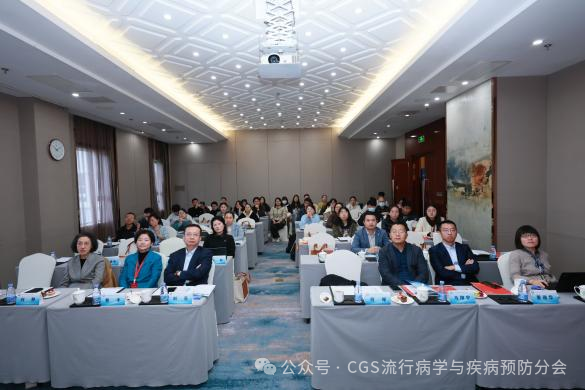
On November 2, 2025, the Academic Annual Conference of the National Clinical Research Center for Geriatric Diseases was jointly held by the Epidemiology and Disease Prevention Branch of the Chinese Geriatric Medicine Society and the National Clinical Research Center for Geriatric Diseases (General Hospital of the People's Liberation Army), and was organized by the Second Medical Center of the General Hospital of the People's Liberation Army. The third special training course on "Clinical Research Methods and Practices in Geriatrics" was held in Beijing. The training course was conducted in a combination of online and offline formats. There were 65 participants on site and 955 participants online. Experts, scholars and trainees from fields such as geriatrics, epidemiology and cardiology attended the conference to exchange ideas and jointly draw up a blueprint for the development of clinical research in geriatrics.
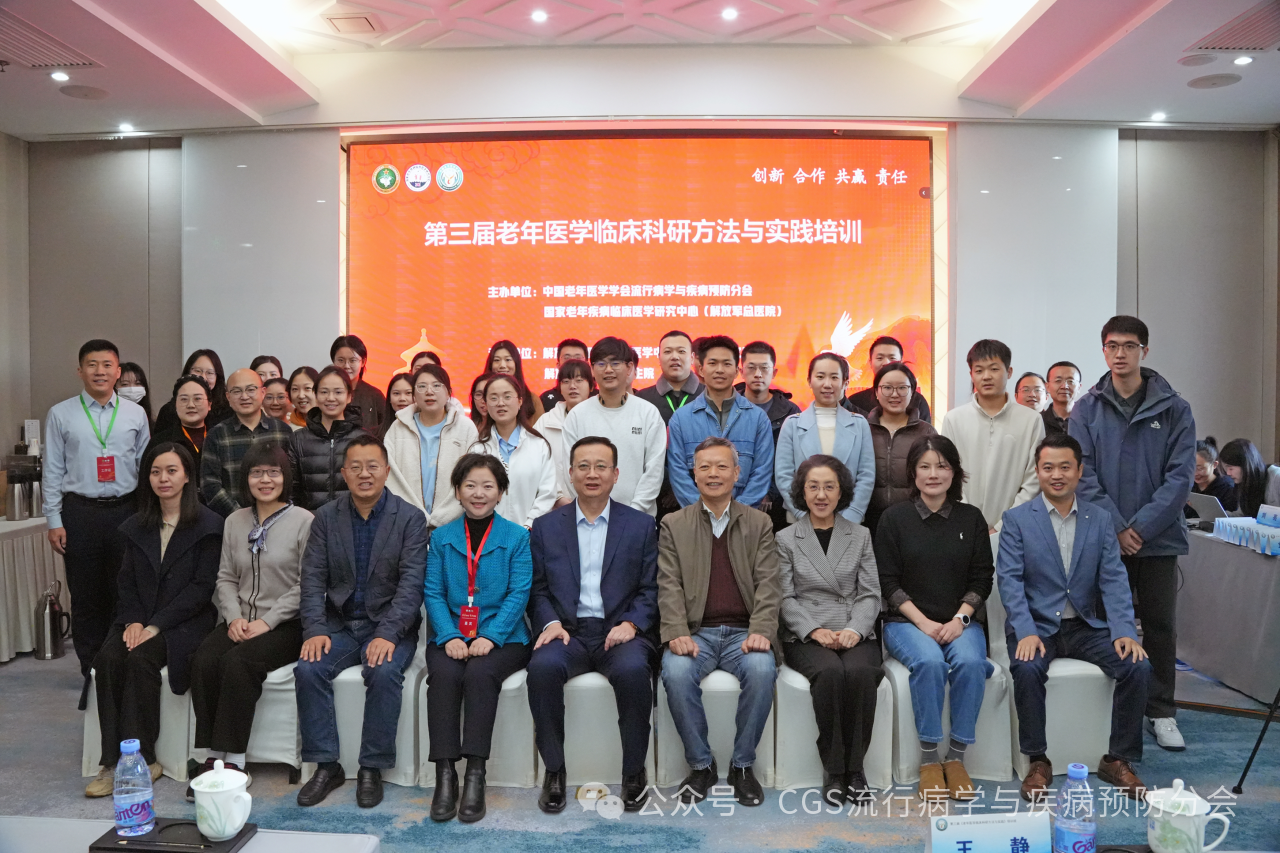
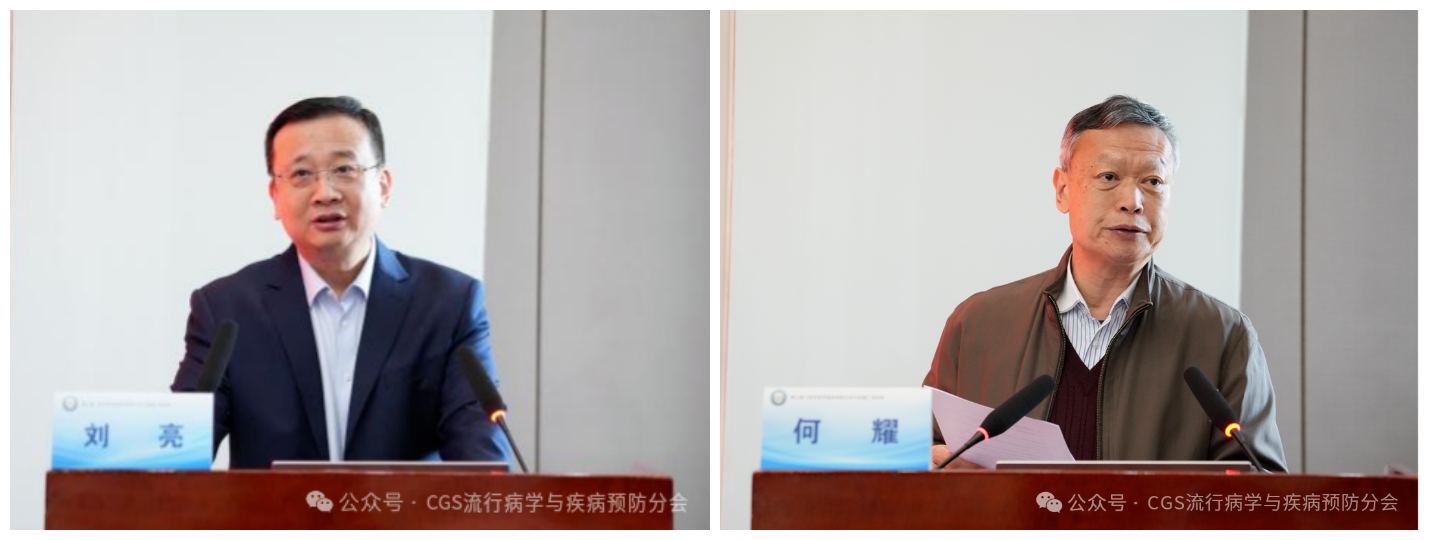
Director Liu Liang of the Second Medical Center of the Chinese People's Liberation Army General Hospital, Professor Cao Feng, Director of the National Clinical Research Center for Geriatric Diseases (PLA General Hospital) and director of the Institute of Geriatrics, Professor He Yao, President of the Epidemiology and Disease Prevention Branch of the Chinese Geriatrics Society, and other relevant leaders attended and delivered speeches. This training integrates the disciplines of epidemiology and geriatrics. Explore and study clinical research methods and statistical analysis methods in geriatrics, as well as clinical research design and methods for the prevention and control of chronic diseases in the elderly, to provide clinical research method support for the prevention, diagnosis, treatment and rehabilitation of geriatric diseases.
The first part of the training was hosted by Professor Chen Haixu from the General Hospital of the People's Liberation Army. Professor He Yao delivered a wonderful lecture on the theme of "How to Transform Clinical Problems into Scientific Research Problems", elaborating in depth on the logical bridge between problem discovery in clinical practice and scientific research, providing clear research ideas and innovative paths for clinical researchers. Professor Ma Xiangyu from Army Medical University delivered a lecture on "Epidemiological Methods and Their Progress in Clinical Research", focusing on the application and innovation of epidemiological methods in clinical research, and emphasizing the significance of scientific research design in improving the quality of clinical evidence and the explanatory power of results. Professor Liu Jing from Beijing Anzhen Hospital delivered a report titled "The Proposal, Construction and Selection of Clinical Research Questions", systematically analyzing from the perspective of research topic selection how to discover research questions with scientific value and operability in clinical practice, laying a solid foundation for the development of high-quality clinical research.
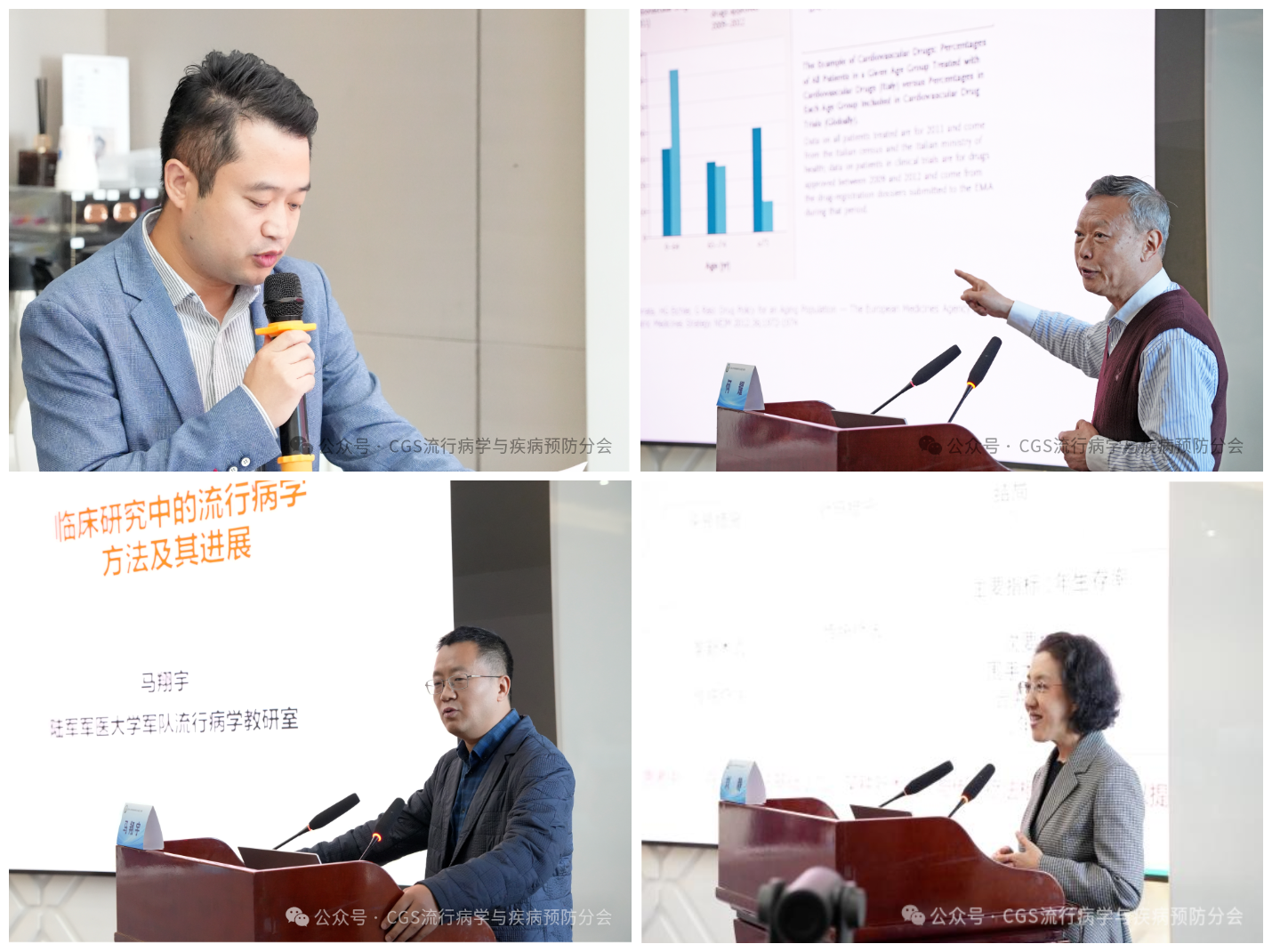
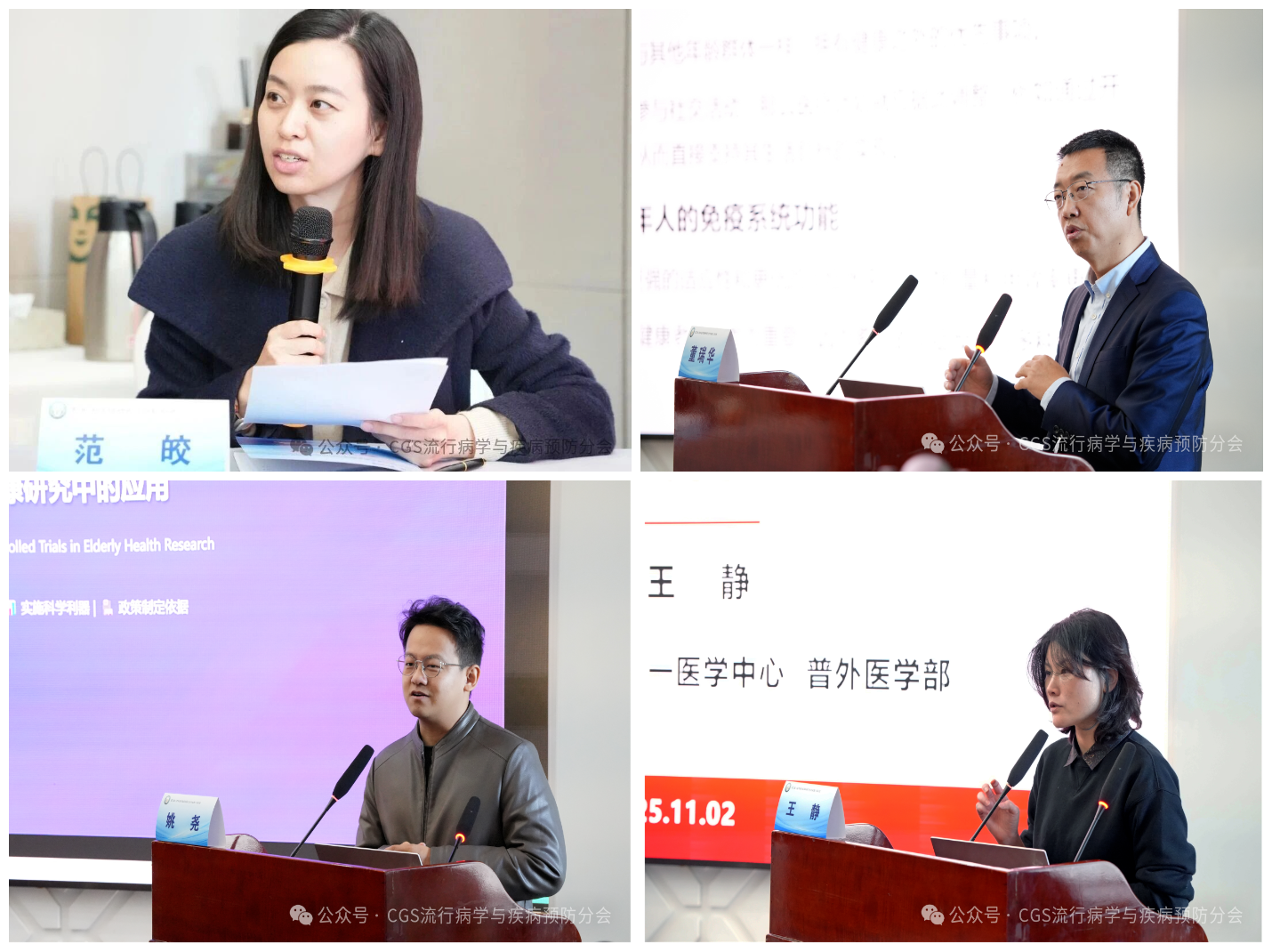
The second part of the training was hosted by Professor Fan Jiao from the General Hospital of the People's Liberation Army. Professor Dong Ruihua from Beijing Friendship Hospital first delivered a lecture on the theme of "Geriatric Clinical Research in the Context of Smart Clinical Wards", focusing on the integrated application of smart healthcare and information technology in geriatric clinical research, and discussing how to enhance the efficiency of clinical research and the quality of care for elderly patients through intelligent means Provide new ideas for the intelligent transformation of geriatric medicine in the future; Professor Yao Yao from Peking University delivered a lecture on the theme of "The Application of Cluster Randomized Trials in Geriatrics", systematically expounding the design logic and key points of methodology of Cluster Randomized trials (CRT) in the study of the elderly population. Emphasize the significant importance of scientific randomization and group-level intervention in enhancing the extrapolation and practical value of research; Professor Wang Jing delivered a special report titled "Translational Research on Gastrointestinal Tumors in the Elderly and Innovative Practices of Neoadjuvant Therapy", sharing the latest progress in translational medicine research and clinical exploration achievements of neoadjuvant therapy around the biological characteristics and treatment challenges of gastrointestinal tumors in the elderly, and showcasing the innovative practices and future development directions in the field of prevention and treatment of geriatric tumors.
The third part of the training was hosted by Professor Liu Miao from the General Hospital of the People's Liberation Army. Professor Wu Shanshan from Beijing Friendship Hospital delivered a special report titled "The Application of Evidence-Based Evidence Grading in Geriatric Guidelines", systematically expounding the core role of the evidence grading system in the formulation and update of geriatric clinical guidelines from the perspective of evidence-based medicine. It provides an important reference for enhancing the scientificity and operability of clinical guidelines for the elderly. Professor Cao Feng delivered a lecture on the theme of "The Application of Interdisciplinary Collaboration in Clinical Research", focusing on the comprehensiveness and systematicness of geriatric medical research. He explored the crucial role of interdisciplinary collaboration in the research of geriatric diseases, the optimization of intervention strategies, and their transformation practices, providing new research paradigms and ideas for promoting the overall development and scientific research collaboration of geriatric medicine.
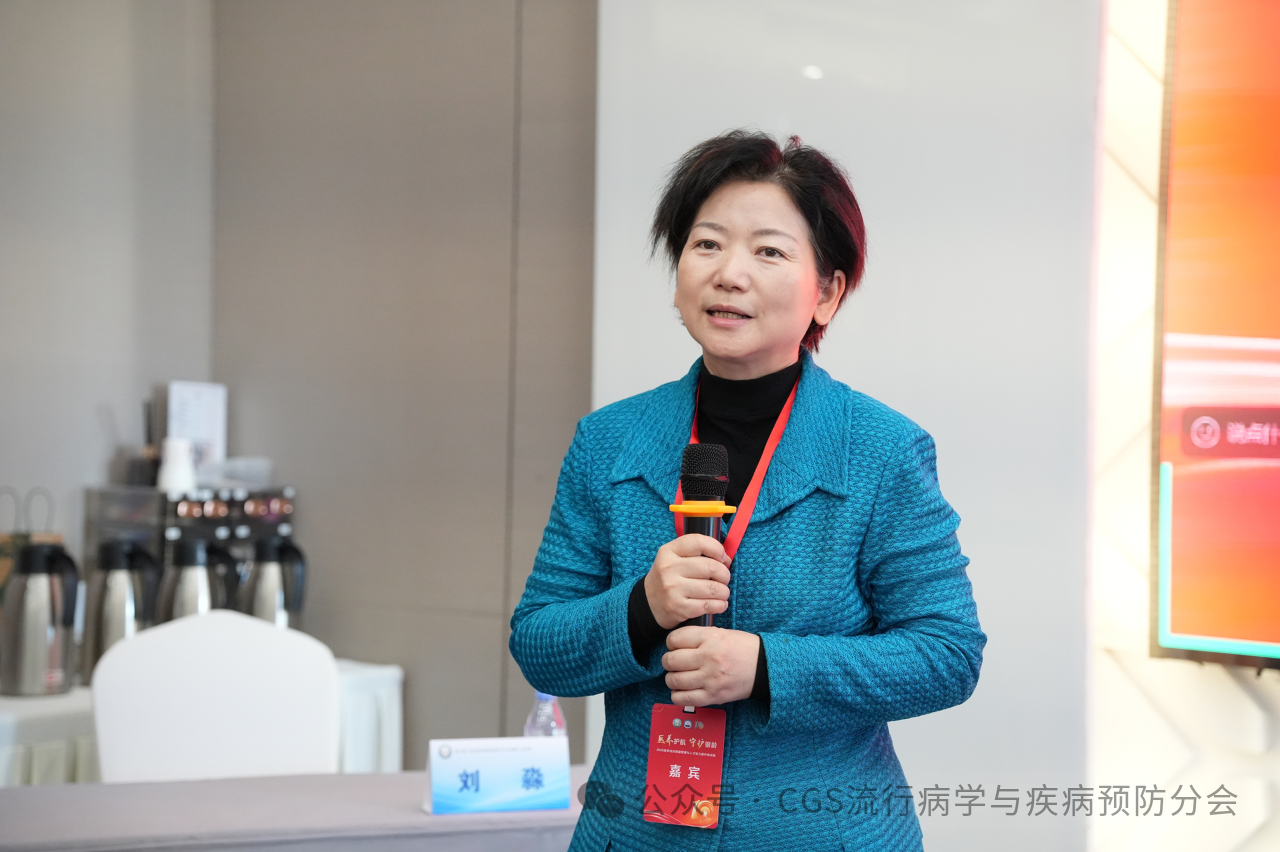
At the closing ceremony, Professor Cao Feng made a comprehensive summary of this training course, affirmed the active participation of the trainees, and expressed his gratitude to all the experts who gave lectures for their hard work.
This conference systematically sorted out the key scientific issues and technical bottlenecks in geriatric clinical and epidemiological research, and deeply explored the full-chain path from the transformation of clinical problems, the optimization of research design to multi-disciplinary collaborative innovation. This conference not only showcased the latest research achievements of our country in the field of geriatrics, but also provided evidence-based basis for clinical practice and policy-making. It contributed "Chinese wisdom" to addressing the health challenges of an aging society and injected new academic strength and innovative impetus into promoting the "Healthy China" strategy.
Prev
Notice of the Academic Conference on New Advances in Precision Diagnosis and Treatment of Cognitive Impairment of the Chinese Society of Geriatrics and the Training Course for Neuro-Psychological Assessors and Cognitive Impairment Caregivers
Next
The training course "New Technologies for Comprehensive Assessment and Management of Frailty - Sarcopenia" was successfully held in Taiyuan