
"Digital Intelligence Leading the Way, Technology Empowering - The First Phase of the 'Elderly Exercise Prescription Physician Training' was successfully held.
From November 29th to 30th, 2025, the "Training for Elderly Exercise Prescription Physicians (Phase I)" was successfully held in Nanjing. It was guided by the Chinese Society of Geriatrics, jointly organized by the Sports Health Branch of the Chinese Society of Geriatrics and the Jiangsu Society of Geriatrics, and hosted by the Jiangsu Provincial Geriatric Hospital and the International Exchange Working Committee of the Chinese Society of Geriatrics. This training was conducted in a combination of online and offline formats, attracting over 300 participants from all over the country who are engaged in fields such as geriatrics, general practice, rehabilitation, and sports. Offline trainees gathered together, while a large number of online participants took part. More than 20 renowned experts and scholars from across the country focused on the core pain points and practical difficulties in formulating exercise prescriptions for the elderly. Through various forms such as theoretical lectures, practical exercises, and case analyses, they comprehensively enhanced the professional capabilities of the trainees, injecting strong impetus into the high-quality development of the healthy aging cause.

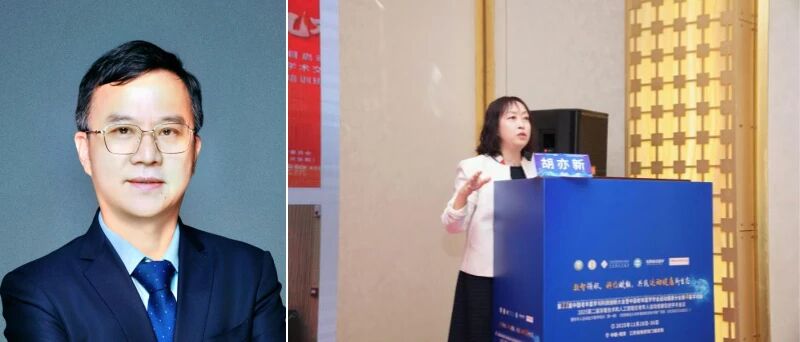
The training officially kicked off on the afternoon of November 29th. Professor Hu Yixin, the executive vice president of the Sports Health Branch of the Chinese Geriatrics Society, introduced the core goals and overall planning of the training program for elderly exercise prescription physicians. She pointed out that since its establishment in 2022, the Sports Health Branch has been guided and supported by renowned experts in the fields of geriatrics, sports, and sports rehabilitation in China. Two sessions of sports guidance skills training courses for the elderly have been successfully organized and carried out, receiving high praise from all sides. This training is based on the previous work, combined with China's active aging strategy and the health needs of the elderly, further revising the curriculum, and innovating the integration of sports and health to assist in the training of interdisciplinary team talents for the elderly, marking a new beginning. The opening ceremony was presided over by Professor Rong Xiangjiang from the Sports Health Branch of the Chinese Geriatrics Society.
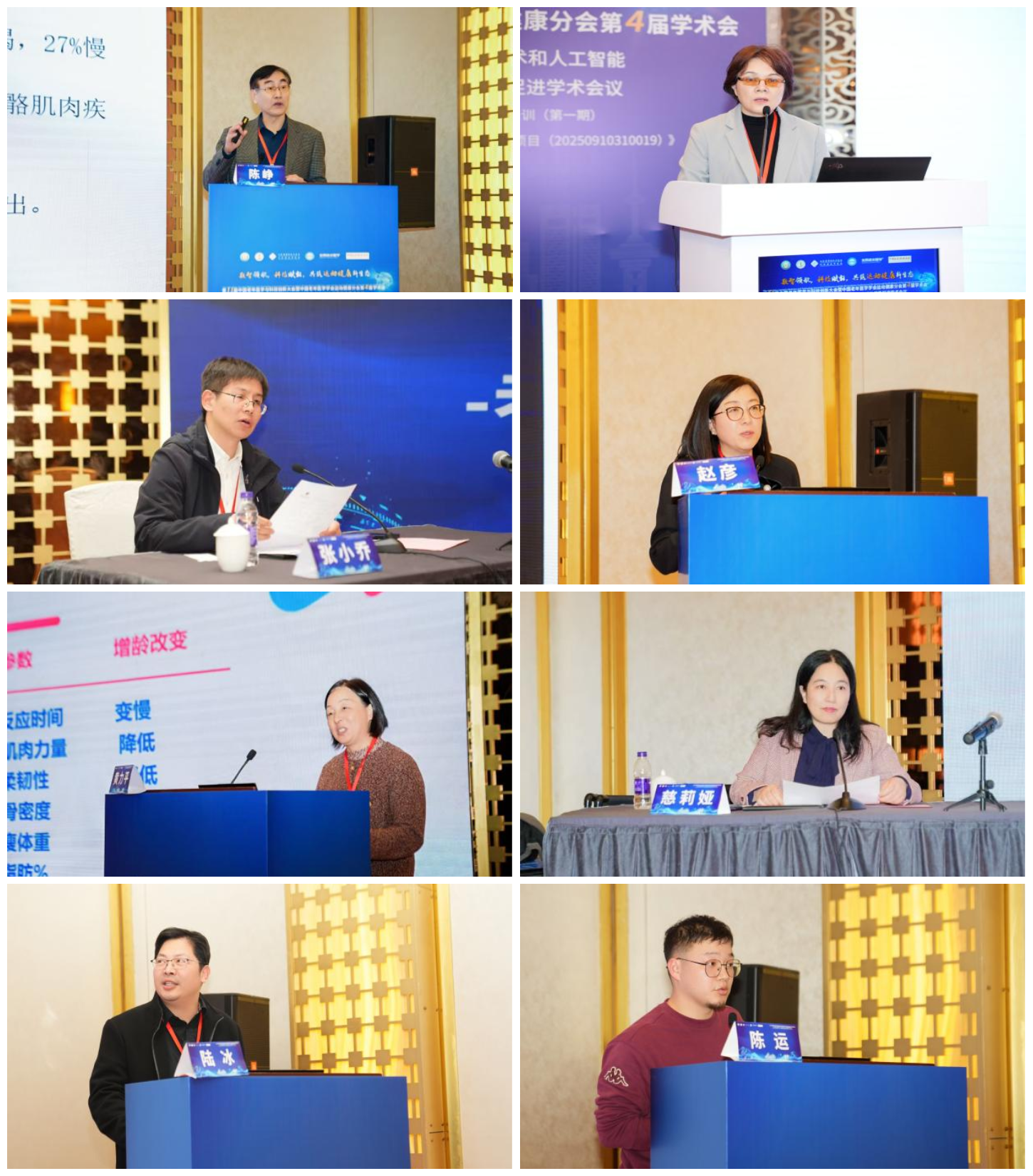
During the special lecture session on "Basic Theories of Elderly Exercise", Professor Chen Zheng, Vice president of the Chinese Society of Geriatrics, started with the background data of aging and elaborated in detail on the health challenges such as comorbidities and geriatric syndromas brought about by aging. He also deeply interpreted the connotation and relevant policies of healthy aging, enabling the trainees to have a comprehensive understanding of the contemporary background and core demands of elderly exercise and health. Professor Dong Birong, the president of the Sports and Health Branch and from West China Hospital of Sichuan University, focused on Comprehensive Geriatric Assessment (CGA), systematically explaining its close connection with exercise prescriptions, the five core modules and rapid assessment tools. She also demonstrated through clinical cases how to transform assessment results into individualized exercise plans, emphasizing the core concept of "judging people rather than treating diseases". Professor Huang Liping from Tianjin University of Sport introduced the overall framework and key points of evidence-based research for elderly exercise prescriptions, elaborated on the implementation standards of four core types of prescriptions: aerobic exercise, HIIT, resistance exercise, and balance exercise, as well as the seven major principles for formulating exercise prescriptions. Professor Zhao Yan from Nanjing Sport University focused on the prevention and control of exercise risks and the control of intensity for the elderly, clarifying the coping strategies for the four core risks of cardiovascular diseases, injuries, hypoglycemia, and falls, and providing scientific and practical intensity assessment methods and calculation examples. Two experts from Jiangsu Provincial Geriatric Hospital, Lu Bing and Chen Yun, explained the core techniques of functional physical fitness for the elderly, fall risk assessment, and sarcopenia-frailty stratification through a combination of theory and practical operation, enabling the trainees to intuitively master the usage methods of relevant assessment tools. Professor Zhao Yan from Nanjing Sport Institute, Professor Ci Liya from Yantai Affiliated Hospital of Binzhou Medical University, and Associate Professor Zhang Xiaoqiao from Taihe Hospital of Shiyan City gave wonderful comments and hosted the event.
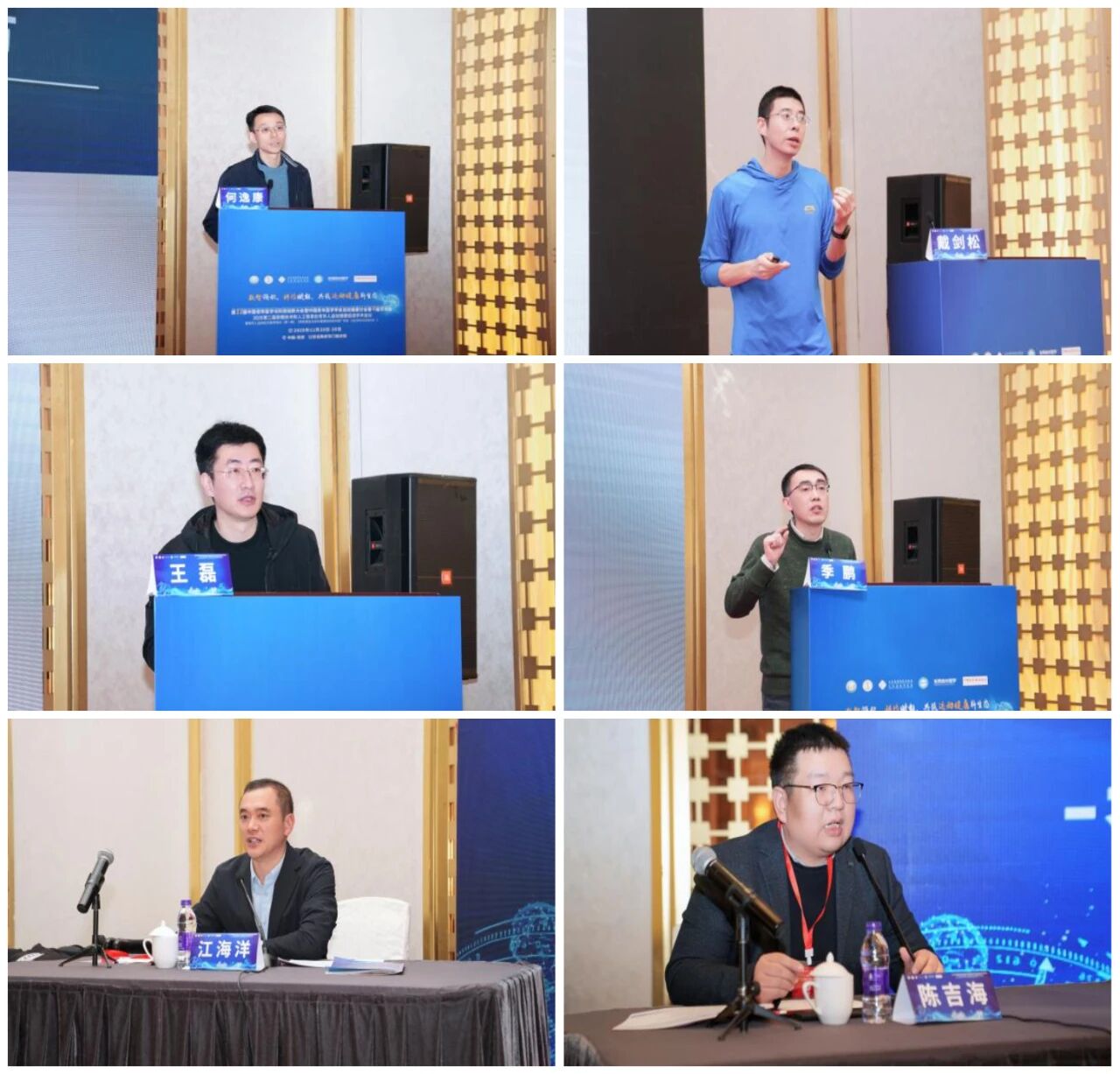
In the training session of the "Workshop on Formulating Exercise Prescriptions for the Elderly", the focus was on enhancing practical skills. Professor Wang Lei from Nanjing University of Chinese Medicine provided an in-depth interpretation of the results of cardiopulmonary exercise experiments for the elderly, elaborated in detail on the core process of pre-exercise assessment and risk stratification, and combined the characteristics of elderly patients with cardiovascular diseases to explain the key points of formulating cardiopulmonary endurance exercise prescriptions and safety management norms. Professor He Yikang from the Department of Rehabilitation Medicine of Children's Hospital Affiliated to Nanjing Medical University analyzed the epidemiological characteristics and risk factors of falls among the elderly based on fall prevention prescriptions, and systematically explained the implementation paths of balance and neuromuscular training. The step-by-step training method from static balance to dynamic balance was of great benefit to the trainees. Professor Dai Jiansong from Nanjing Sport University, in response to the current situation where the elderly lack strength training, introduced the key points of design for resistance and explosive power exercises. Taking the resistance band as an example, he led all the trainees to conduct practical full-body muscle training and taught them the training techniques for various parts from the cervical vertebrae to the calves step by step. Associate Professor Ji Peng from Jiangsu Provincial Geriatric Hospital focused on the two high-incidence comorbidities of coronary heart disease and diabetes in the elderly. He explained the process of formulating exercise prescriptions and the FITT-VP principle, emphasized the importance of controlling exercise intensity and screening for complications, and clarified the indications for discontinue exercise and emergency treatment methods. Professor Hu Yixin, the executive vice president of the Sports Health Branch of the Chinese Geriatrics Society, focused on sarcopenia in the elderly - exercise prescriptions for frailty. He elaborated on the comprehensive assessment method based on exercise physiology, emphasized the pre-emptive nature of nutritional improvement and risk screening, proposed a combined intervention plan centered on resistance exercise, and shared the current practical experience of integrated services at the Chinese People's Liberation Army General Hospital. The training was co-hosted by two experts, Chen Jihai from Jiangsu Provincial Geriatric Hospital and Jiang Haiyang from the General Hospital of the Eastern Theater Command.

On the afternoon of November 30th, the training focused on the key link of "follow-up, service integration and quality control". Professor Sun Zhiping from the Second Affiliated Hospital of Nanjing Medical University explained the prescription of exercise nutrition for the elderly and the key points of follow-up, expounded on the physiological mechanism of aging and the intervention value of the "immune-metabolism-inflammation axis", proposed a strategy of coordinated intervention of exercise and nutrition, and introduced a follow-up closed-loop management model of "precise assessment - individualized intervention - continuous incentive - dynamic adjustment". Professor Rong Xiangjiang from Capital University of Physical Education and Sports focused on the prevention of sports injuries among the elderly, emphasizing four major principles: scientific assessment, environmental adaptation, gradual progress, and emergency filing. He elaborated on the identification and prevention measures for sports injuries. Professor Sun Biao from Nanjing Sport University analyzed the current situation and causes of low exercise compliance among the elderly. Starting from three scenarios: hospitals, communities, and homes, he proposed improvement strategies such as multi-disciplinary collaboration, social support construction, and digital management, and shared the experience of building a service closed loop of "assessment - intervention - tracking - optimization". Professor Tang Qiang from Nanjing Sport University, through clinical case analysis, systematically sorted out the entire process of formulating exercise prescriptions, emphasized the comprehensive application of eight principles and six core elements, and clarified the collaborative cooperation model between doctors and exercise health instructors. Professor Cao Jian from the General Hospital of the People's Liberation Army focused on the nutritional management of elderly inpatients, elaborating on the standardized processes of nutritional screening, assessment, diagnosis, and intervention. He proposed the "Five-step Principle of Nutritional Therapy" and a multidisciplinary collaboration mechanism, providing an important reference for the integration of exercise prescriptions and nutritional intervention. The training was co-hosted by Wu Xiaochu from the Sports Health Branch of the Chinese Geriatrics Society, Liu Ye from Jiangsu Provincial Geriatric Hospital and Chen Jihai from Jiangsu Provincial Geriatric Hospital.
At the closing ceremony, Professor Yu Pulin from Beijing Hospital, Vice President of the Chinese Society of Geriatrics and expert advisor of the Sports and Health Branch, delivered a concluding speech. He pointed out that this training broke the traditional misconception that "the elderly should stay still rather than be active", and promoted clinical doctors to expand from medication prescriptions to exercise prescriptions. Professor Yu Pulin emphasized that the exercise needs of the elderly are highly individualized and require the collaborative efforts of multi-disciplinary teams including medicine, rehabilitation, and sports. In the future, the integration of sports and health should be continuously deepened to promote the implementation and effectiveness of scientific exercise plans in hospital, community, and home Settings. Subsequently, Professors Yu Pulin, Hu Yixin, Zhao Yan and Chen Jihai presented the certificates of completion to the representatives of the trainees who had participated in the entire training and passed the assessment.

Professor Hu Yixin, the person in charge of the training program, introduced that both the "Medium and Long-Term Plan for the Prevention and Control of Chronic Diseases in China (2017-2025)" and the "Healthy China Initiative (2019-2030)" emphasize promoting the integration of sports and medicine and popularization non-pharmaceutical treatments such as exercise intervention to reduce the risk of chronic diseases. Under the leadership of Professor Fan Li, the president of the Chinese Geriatrics Society, and Professor Dong Birong, the president of the branch, the Sports and Health Branch has held three training sessions, effectively enhancing the professional capabilities of the trainees in formulating personalized, safe and precise exercise prescriptions for the elderly and providing exercise guidance, thus putting active aging into practice. In the future, the Sports and Health Branch will continue to optimize the course content and focus on cultivating more professional talents in the field of sports prescriptions. Help improve the regional elderly health management level and contribute professional strength to promoting the realization of the goals of "positive aging view" and "healthy aging".
Prev
Notice of the Academic Conference on New Advances in Precision Diagnosis and Treatment of Cognitive Impairment of the Chinese Society of Geriatrics and the Training Course for Neuro-Psychological Assessors and Cognitive Impairment Caregivers
Next
The Beijing Medical University's Academic Conference on Ultrasound for Geriatric Vascular and Musculoskeletal Diseases and the Fourth Premium Learning Class on Renal Artery Contrast-Enhanced Ultrasound were successfully held in Beijing, aiming to empower the development of Elderly health through Leading by example